Monitoring Education: Balancing Privacy and Control in Digital Classrooms
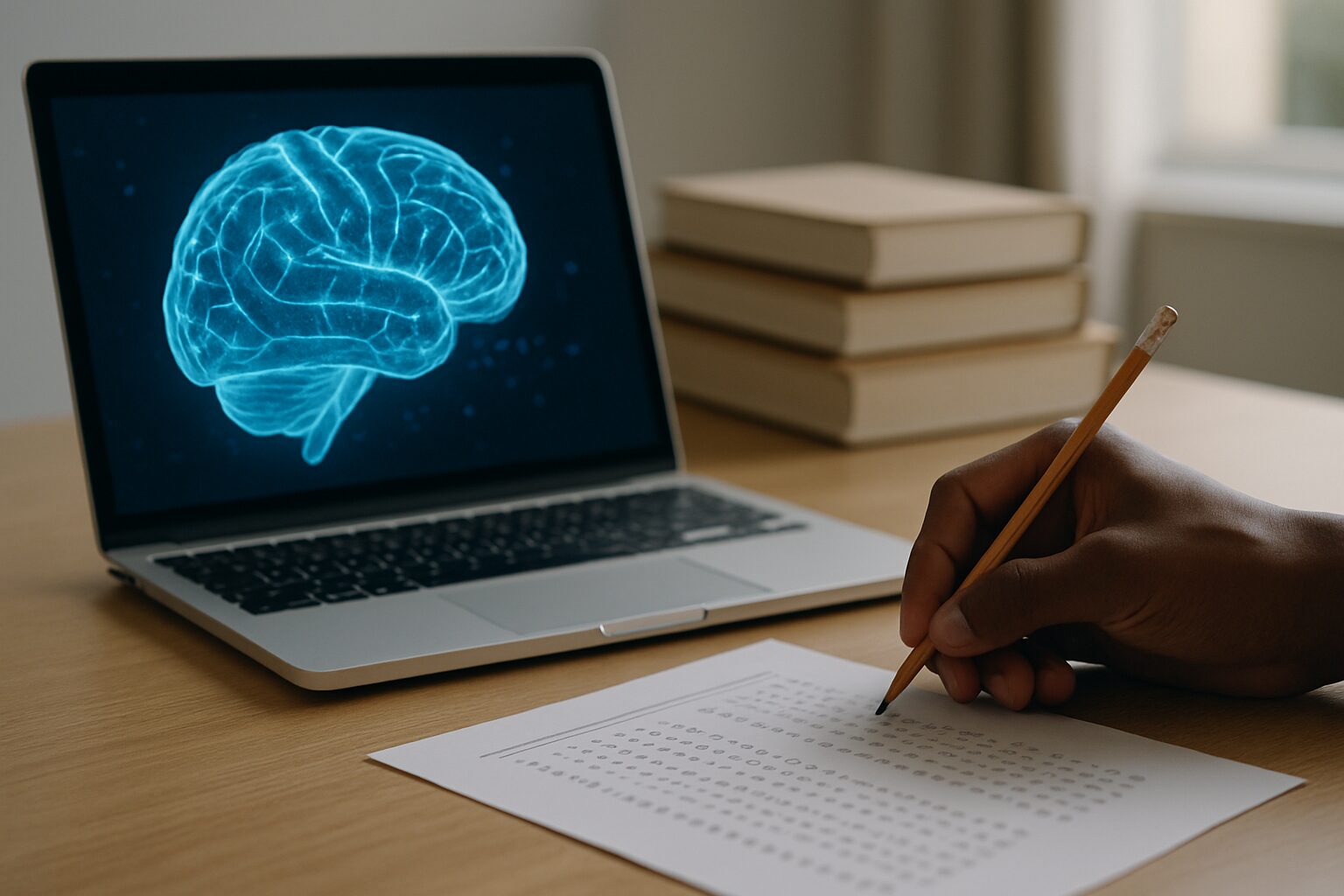
Student surveillance in online learning refers to the use of digital tools to monitor students' activities, behaviors, and engagement during virtual education. These tools may track keystrokes, webcam footage, or browsing history, raising concerns about privacy and data security. The issue also involves how such practices are regulated to balance educational integrity with ethical considerations.
Why It Matters - Real-world impact
Student surveillance in online learning raises critical ethical and practical concerns that extend beyond the classroom. Students—especially minors—are directly affected, as invasive monitoring tools can erode privacy, create anxiety, and foster distrust in educational environments. Schools and universities risk normalizing excessive data collection, potentially exposing sensitive information to breaches or misuse. Parents and educators also bear responsibility, as unchecked surveillance may discourage honest participation and hinder learning. For society at large, the normalization of such practices could set dangerous precedents for how personal data is handled in other domains. Regular people should care because these technologies, if left unregulated, may shape a future where privacy is routinely sacrificed for convenience or control.
Ethical Concerns - What’s wrong or risky?
Ethical Risks of Student Surveillance in Online Learning
As educational institutions increasingly adopt online learning platforms, the use of surveillance technologies to monitor students raises significant ethical concerns. These tools, which may include keystroke logging, eye-tracking, and facial recognition, are often justified as measures to prevent cheating or ensure engagement. However, they introduce risks related to fairness, discrimination, and transparency, among other moral issues.
Fairness Concerns
Surveillance systems can create an uneven playing field. Students with unreliable internet connections, older devices, or disabilities may be flagged incorrectly for suspicious behavior, penalizing them unfairly. This undermines the principle of fairness in education, where all learners should have equal opportunities to succeed.
Discrimination Risks
Algorithmic bias in surveillance tools can lead to discriminatory outcomes. For example, facial recognition software has been shown to misidentify individuals with darker skin tones or certain ethnic features more frequently. This can result in unwarranted accusations against minority students, exacerbating existing inequalities. Such practices highlight concerns about discrimination in automated systems.
Transparency Issues
Many institutions do not fully disclose how surveillance data is collected, used, or stored. Students and parents are often left in the dark about the extent of monitoring, which violates the principle of transparency. Without clear information, it is impossible for stakeholders to provide informed consent or hold institutions accountable for misuse of data.
Privacy and Autonomy
Constant monitoring infringes on students' privacy and undermines their autonomy. It creates a culture of distrust and can stifle intellectual curiosity, as learners may self-censor or avoid exploring controversial topics for fear of being flagged. This erosion of privacy is a fundamental ethical concern, though it is not covered by the provided linking categories.
Differing Perspectives
Not everyone views student surveillance as inherently negative. Some argue that these tools are necessary to maintain academic integrity, especially in remote learning environments where traditional proctoring is impossible. Others believe that with proper safeguards, such as anonymizing data and ensuring algorithmic fairness, the benefits can outweigh the risks. However, critics caution that the potential for abuse and the chilling effect on learning cannot be ignored.
Economic and Broader Implications
While not directly related to job loss or worker rights in the traditional sense, the normalization of surveillance in education could have long-term economic and social impacts. For instance, it may acclimatize students to constant monitoring in future workplaces, potentially undermining worker rights. Additionally, the financial cost of implementing these systems could divert resources from other educational needs, touching on concerns of economic impact.
Solutions - What’s being done or proposed?
Legislation to Limit Data Collection
Some advocates have pushed for laws that restrict the types of data educational institutions and edtech companies can collect from students. For example, proposals like the Student Digital Privacy Act aim to prohibit the sale of student data and require transparency about what is collected. These laws would mandate that surveillance tools only gather information necessary for educational purposes, with clear consent mechanisms for students and parents.
Privacy-Focused EdTech Alternatives
Developers have created alternative learning platforms that prioritize privacy by minimizing data collection and avoiding invasive surveillance features like facial recognition or keystroke logging. These tools often use encryption and open-source frameworks to ensure transparency. While they may lack some features of mainstream platforms, they offer a compromise between functionality and student privacy.
Institutional Policies on Ethical AI Use
Some universities and schools have adopted internal policies to govern the use of AI and surveillance in online learning. These policies include guidelines on consent, data retention periods, and the ethical review of monitoring tools. Institutions may also establish oversight committees to evaluate the impact of surveillance on student rights and academic freedom.
Student and Educator Advocacy
Student unions and educator groups have organized campaigns to raise awareness about the risks of excessive surveillance. These efforts include petitions, workshops, and lobbying for policy changes. By empowering students and teachers to voice concerns, these groups aim to shift institutional practices toward more ethical and transparent uses of AI in education.
Transparency and Audit Requirements
Proposals have been made to require edtech companies and schools to disclose how surveillance tools operate and allow independent audits of their algorithms. This would help identify biases, inaccuracies, or overreach in monitoring systems. Transparency reports could also detail how often data is shared with third parties, ensuring accountability.
Consent-Based Opt-In Systems
Some suggest replacing mandatory surveillance with opt-in systems where students can choose whether to enable monitoring features, such as proctoring software, in exchange for certain benefits (e.g., flexibility in exam timing). This approach respects autonomy while still offering tools for accountability when voluntarily accepted.
Examples and Real Cases
Proctorio's Remote Exam Monitoring
In 2020, Proctorio, an AI-based remote proctoring tool, faced backlash for its invasive monitoring during online exams. Students reported being recorded via webcam, having their screen activities tracked, and even being flagged for minor movements like looking away from the screen. Critics argued this created an environment of distrust and stress, particularly for students with disabilities.
Classroom Spyware in New York Schools
In 2021, New York City public schools implemented Gaggle, a surveillance tool that scans students' online activities for keywords like 'suicide' or 'violence.' While aimed at safety, it raised concerns over privacy and false positives, such as flagging a student's essay about personal struggles as a potential threat.
Hypothetical: AI-Powered Attention Tracking
A hypothetical scenario involves a university using AI to analyze students' eye movements and facial expressions during virtual lectures to gauge engagement. This could lead to unfair judgments, as factors like lighting or cultural differences in expressiveness might skew results, penalizing students unfairly.
Honorlock's Biometric Data Collection
In 2022, Honorlock, another proctoring service, was criticized for collecting biometric data like fingerprints and facial recognition without clear consent. Students and privacy advocates argued this violated data protection laws and exposed sensitive information to potential breaches.
Hypothetical: Social Media Monitoring for 'Risk Assessment'
A realistic hypothetical involves schools partnering with AI firms to scan students' public social media posts for 'risk indicators' like mentions of stress or activism. This could lead to profiling, where students expressing normal emotions or opinions are unfairly targeted for disciplinary action.
Frequently Asked Questions
What is student surveillance in online learning?
Student surveillance in online learning refers to the monitoring of students' activities, behaviors, and data during virtual classes. This can include tracking login times, participation, screen activity, and even facial recognition to ensure compliance with school policies.
Why is regulating student surveillance important?
Regulating student surveillance is important to protect students' privacy, prevent misuse of data, and ensure ethical practices. Without proper rules, excessive monitoring could lead to violations of personal rights or discourage open participation in learning.
How does student surveillance affect access to education?
Surveillance can impact access by creating barriers for students who lack reliable technology or feel uncomfortable under constant monitoring. Strict tracking may also discourage marginalized groups from participating fully in online learning.
What are common tools used for student surveillance?
Common tools include proctoring software (like eye-tracking or screen recording), learning management systems (LMS) that log activity, and AI-based analytics that flag unusual behavior during exams or assignments.
How can schools balance surveillance and student privacy?
Schools can balance these by setting clear policies, using minimal necessary monitoring, obtaining consent, and anonymizing data where possible. Transparency about what is tracked and why helps build trust with students and families.