Revolutionizing Education: How Tech Shapes Testing and Policy
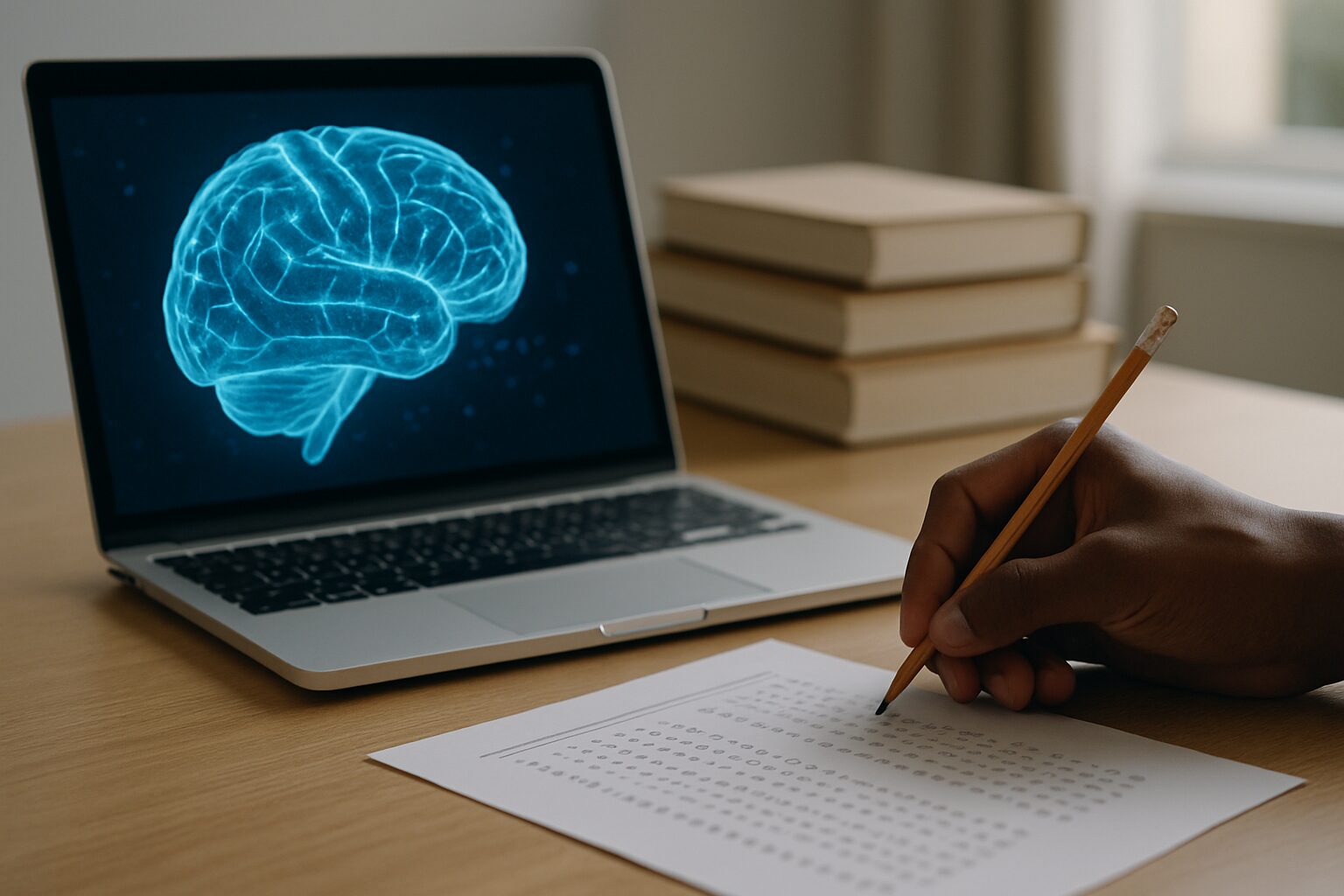
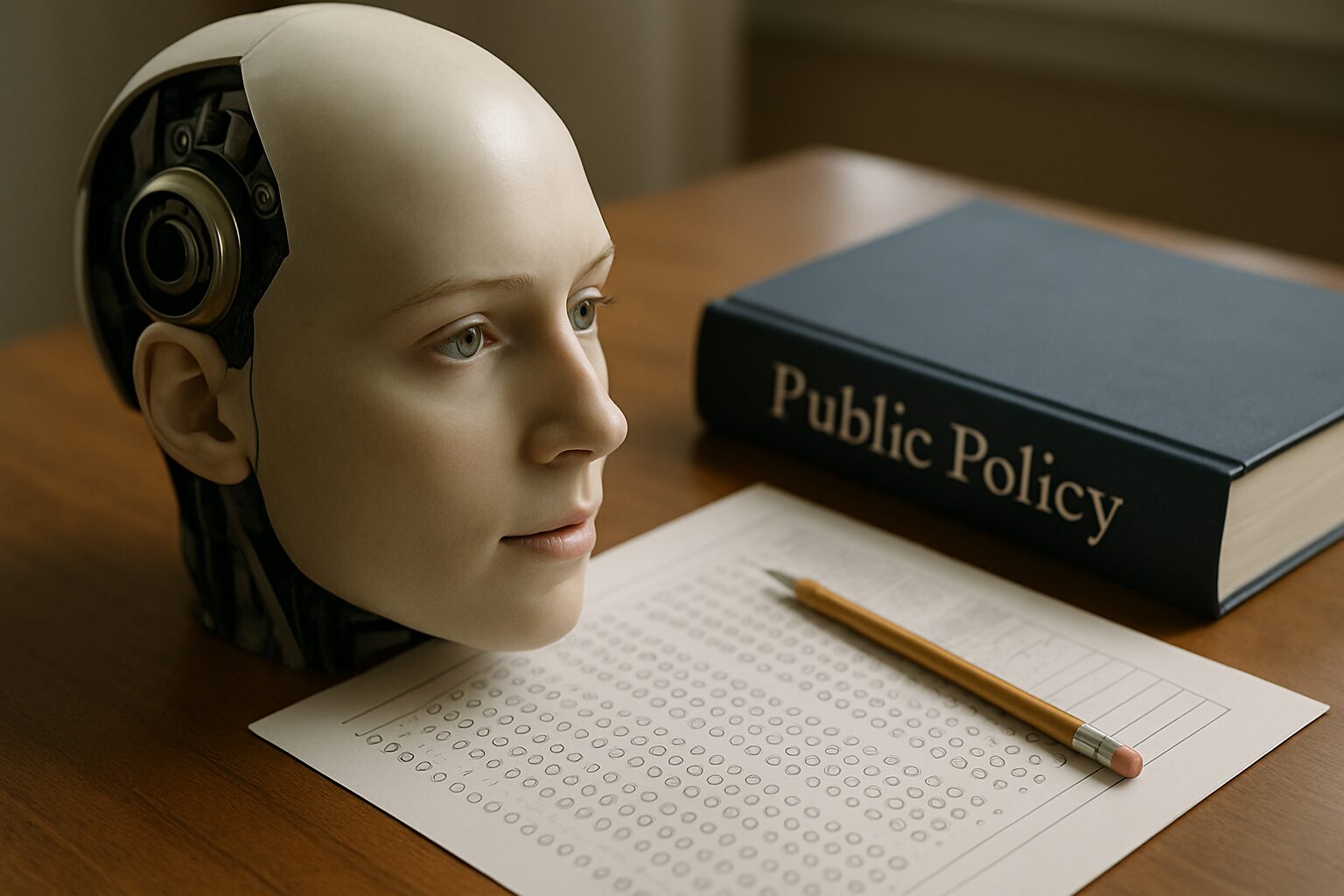
The use of artificial intelligence in standardized testing raises ethical questions about fairness, transparency, and accountability in education. As AI systems increasingly assess student performance and influence admissions or funding decisions, public policy must address potential biases and inequities in these tools. The intersection of AI, testing, and policy requires careful consideration to ensure equal access and opportunity for all students.
Why It Matters - Real-world impact
The integration of AI into standardized testing and public policy has far-reaching implications for students, educators, and society at large. If biased or poorly designed AI systems are used to evaluate performance or allocate educational resources, they could perpetuate inequities, disadvantaging marginalized communities and reinforcing existing disparities. Errors in AI-driven assessments might mislabel students, affecting their academic opportunities, while opaque algorithms could erode trust in public education systems. Regular people should care because these systems influence funding, college admissions, and career pathways—decisions that shape lives and societal mobility. Without scrutiny, AI risks automating injustice under the guise of objectivity, making ethical oversight a pressing public concern.
Ethical Concerns - What’s wrong or risky?
AI in Standardized Testing: Navigating Ethical Risks in Public Policy
As artificial intelligence becomes increasingly integrated into standardized testing systems, public policy must address several ethical risks. These concerns span fairness, discrimination, transparency, and broader societal impacts.
Fairness in Algorithmic Scoring
AI systems used for grading or evaluating test responses may inadvertently perpetuate biases present in training data. If historical data reflects socioeconomic or racial disparities, algorithms could disadvantage certain groups, raising issues of fairness. For instance, essays graded by AI might favor certain writing styles common in privileged communities.
Discrimination and Bias Amplification
AI tools can exacerbate existing inequalities. If testing algorithms are trained on non-representative datasets, they may systematically lower scores for underrepresented minorities or non-native speakers. This ties directly to ethical concerns about discrimination, as flawed AI could reinforce barriers to educational opportunities.
Transparency and Accountability
Many AI systems operate as "black boxes," making it difficult to understand how decisions are reached. In high-stakes testing, lack of transparency can prevent students from appealing unfair results and hinder public trust. Policymakers must balance proprietary algorithms with the right to explanation.
Economic and Access Implications
The adoption of AI in testing could widen the digital divide. Wealthier districts may afford advanced AI tools for test preparation, while underfunded schools struggle, potentially deepening economic impact disparities in education outcomes.
Diverse Perspectives on AI in Testing
Not all stakeholders view these risks uniformly. Proponents argue AI can reduce human grading biases and increase efficiency, providing more consistent evaluations. Critics caution that over-reliance on algorithms might dehumanize education and prioritize measurable outcomes over holistic development. Some also worry about job loss for educators and test administrators, though others believe AI will augment rather than replace human roles.
Additional concerns include data privacy, the potential for increased surveillance in test settings, and the long-term effects of automating educational assessments. Each of these issues requires careful public policy consideration to ensure ethical AI integration.
Solutions - What’s being done or proposed?
Algorithmic Transparency and Auditability
One proposed solution is to mandate transparency in the algorithms used for AI-driven standardized testing. This would involve requiring testing companies to disclose how their AI models make decisions, particularly in scoring essays or evaluating responses. Independent audits could be conducted to ensure fairness and identify biases. While this approach increases accountability, it may face resistance from companies citing proprietary concerns.
Diverse Training Data for AI Models
To mitigate bias, experts suggest using more diverse and representative training data for AI systems in standardized testing. This includes ensuring datasets reflect varied demographics, languages, and cultural contexts. However, collecting such data is resource-intensive, and maintaining its quality while avoiding unintended biases remains a challenge.
Human-in-the-Loop Scoring Systems
Some advocate for hybrid systems where AI assists human graders rather than replacing them entirely. Human oversight can catch errors or biases in AI scoring, especially for subjective responses like essays. This approach balances efficiency with fairness but may increase costs and slow down scoring timelines.
Policy Regulations on AI Use in Testing
Governments could implement regulations limiting or guiding AI's role in standardized testing. For example, policies might prohibit AI from making high-stakes decisions without human review or require impact assessments for disadvantaged groups. Legal frameworks would need to evolve alongside AI advancements to remain effective.
Public Awareness and Stakeholder Engagement
Educating students, parents, and educators about how AI is used in testing can build trust and accountability. Open forums and transparency reports could help stakeholders understand potential biases and limitations. However, misinformation or lack of technical literacy might hinder effective communication.
Alternative Assessment Methods
Instead of relying solely on AI-graded standardized tests, institutions could explore alternative assessments like project-based evaluations or portfolios. These methods may reduce dependence on AI but require significant changes to existing education systems and may not scale as easily for large populations.
Bias Mitigation Tools and Techniques
Technical solutions, such as bias-detection algorithms or fairness-aware machine learning, could be integrated into AI testing systems. These tools identify and correct disparities in scoring across different groups. Their effectiveness depends on continuous monitoring and updating to address emerging biases.
Examples and Real Cases
ChatGPT and the SAT
In 2023, the College Board announced it would allow the use of AI tools like ChatGPT for SAT essay preparation, but banned their use during the actual test. This decision sparked debates about fairness, as students with access to advanced AI tools could gain an unfair advantage in preparation over those without.
Georgia's AI-Powered Grading System
In 2022, Georgia implemented an AI system to grade standardized tests, aiming to reduce human bias. However, critics found the system disproportionately flagged essays from non-native English speakers as 'low quality,' raising concerns about algorithmic fairness in high-stakes testing.
Hypothetical: AI Tutoring Access Gap
Imagine a 2025 scenario where elite private schools use personalized AI tutors to boost student test scores, while underfunded public schools lack such resources. This could widen the achievement gap on national standardized tests, prompting calls for policy interventions to equalize AI access.
China's AI Surveillance in Gaokao
During the 2021 Gaokao (China's national college entrance exam), authorities deployed AI systems to monitor millions of test-takers for cheating behaviors. While effective at detecting misconduct, the facial recognition technology raised privacy concerns among human rights groups.
Hypothetical: Adaptive Testing Controversy
A future adaptive testing system might adjust question difficulty based on real-time AI analysis of student performance. While this could better assess ability, policymakers might debate whether the algorithm's proprietary nature makes the scoring process insufficiently transparent for high-stakes decisions.
Frequently Asked Questions
What is AI's role in standardized testing?
AI can help create, administer, and grade standardized tests more efficiently. It can also analyze test results to identify patterns and improve future tests, making the process faster and more accurate.
Why is AI in standardized testing important for education policy?
AI can help make testing fairer and more accessible by reducing human bias and providing personalized assessments. This is important for education policy because it can lead to more equitable opportunities for all students.
How does AI affect access to standardized testing?
AI can make standardized testing more accessible by offering remote proctoring, adaptive testing (adjusting difficulty based on student performance), and instant feedback, especially for students in underserved areas.
What are the potential risks of using AI in standardized testing?
Risks include data privacy concerns, over-reliance on technology, and the possibility of AI perpetuating existing biases if not properly designed. Policymakers need to address these issues to ensure fair use.
How can AI in standardized testing improve public policy decisions?
AI can provide policymakers with detailed data on student performance and learning gaps, helping them design better education programs and allocate resources more effectively to improve outcomes.