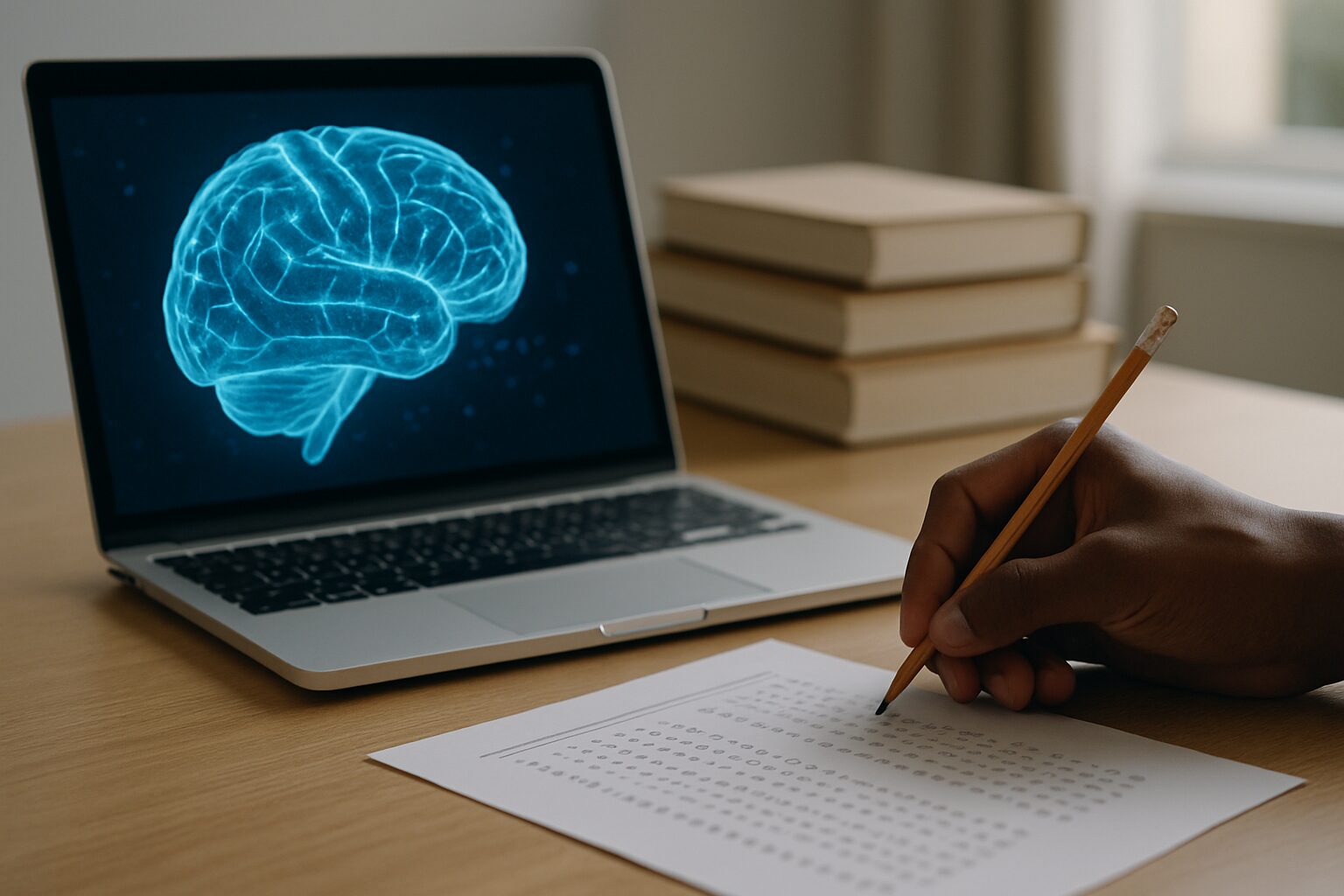
Is AI Plagiarism Detection Fair? Debunking Myths and Revealing Truths
AI-powered plagiarism detection tools are increasingly used in education to identify copied or unoriginal content in student work. While these systems promise efficiency and consistency, debates arise over their fairness, accuracy, and potential biases. Concerns include whether AI can distinguish between intentional cheating and legitimate similarities, as well as how errors might disproportionately affect certain groups. This raises questions about the ethical implications of relying on automated systems to assess academic integrity.
Why It Matters - Real-world impact
The issue of AI-powered plagiarism detection has real-world consequences for students, educators, researchers, and content creators. Students face severe academic penalties if falsely accused, while educators risk undermining trust when over-relying on imperfect algorithms. Institutions may inadvertently disadvantage non-native English speakers or those with unconventional writing styles, as AI tools often flag legitimate work as suspicious. For regular people, this matters because it reflects broader societal questions about fairness in automated decision-making—the same technology judging essays today could evaluate job applications or legal documents tomorrow. Errors in these systems can permanently damage reputations and opportunities, making transparency and accountability critical.
Ethical Concerns - What’s wrong or risky?
Economic Impact
AI plagiarism detection tools can create significant economic disparities. Institutions with larger budgets can afford more advanced systems, potentially widening the gap between well-funded and under-resourced schools. This raises questions about equitable access to educational technology. For more on this, see our page on Ethical Concern: Economic Impact.
Fairness in Evaluation
AI systems may not always interpret context accurately, leading to false positives that unfairly penalize students. For instance, common phrases or properly cited material might be flagged, affecting grades and academic reputations without human oversight. Learn more about these issues at Ethical Concerns: Fairness.
Discrimination Risks
Bias in training data can cause AI tools to disproportionately flag non-native English speakers or those from certain cultural backgrounds, as their writing styles might differ from the norm. This can perpetuate existing inequalities in education. Further details are available on our Ethical Concerns: Discrimination page.
Transparency Issues
Many AI plagiarism detectors operate as "black boxes," offering little insight into how decisions are made. This lack of transparency can erode trust and make it difficult for students to challenge erroneous accusations. Explore this topic further at Ethical Concerns: Transparency.
Differing Perspectives
Some argue that AI tools promote academic integrity efficiently and at scale, ensuring consistent standards. Others worry they prioritize punishment over education, potentially stifling creativity and critical thinking. There is also concern about data privacy and the long-term psychological impact on students.
Additional Ethical Considerations
Beyond the linked topics, ethical risks include the dehumanization of education, where reliance on AI reduces teacher-student interaction, and questions about who owns and benefits from the data collected by these systems.
Solutions - What’s being done or proposed?
Improved AI Transparency and Explainability
One proposed solution is to enhance the transparency of AI plagiarism detection tools by making their algorithms and decision-making processes more explainable. This includes providing detailed reports on how the tool flagged content, allowing educators and students to understand the basis of the detection. By demystifying the process, users can better trust the tool's fairness and accuracy.
Human-in-the-Loop Review Systems
Another approach is integrating human reviewers into the plagiarism detection process. AI tools can flag potential cases, but final decisions are made by educators or administrators who consider context, intent, and other nuances. This hybrid model reduces false positives and ensures that judgments are not solely reliant on automated systems.
Clear Institutional Policies and Guidelines
Educational institutions can establish clear policies outlining how AI plagiarism detection tools are used, including their limitations and the rights of students. These policies should define what constitutes plagiarism, how appeals are handled, and the consequences of false accusations. Transparency in policy helps build trust and accountability.
Student Education on Ethical Writing Practices
Proactively educating students about proper citation, paraphrasing, and academic integrity can reduce unintentional plagiarism. Workshops, tutorials, and accessible resources can empower students to avoid plagiarism before it happens, shifting the focus from punishment to prevention.
Development of Fairer Detection Algorithms
Researchers are working on improving AI algorithms to reduce biases, such as over-flagging non-native English speakers or misinterpreting commonly used phrases. By refining these tools to be more context-aware and culturally sensitive, the fairness of plagiarism detection can be enhanced.
Legal Frameworks Governing AI Use in Education
Some advocate for legal regulations to ensure AI plagiarism tools are used ethically. This could include laws mandating transparency, requiring consent before scanning student work, or establishing oversight bodies to monitor AI's impact on academic fairness. Legal safeguards could prevent misuse and protect student rights.
Peer Review and Collaborative Detection
Encouraging peer review systems where students and educators collaboratively assess work for originality can complement AI tools. This social approach fosters a culture of accountability and mutual learning, reducing reliance on automated systems alone.
Examples and Real Cases
Turnitin's AI Detection Controversy (2023)
In 2023, Turnitin's AI detection tool falsely flagged numerous student papers as AI-generated, including original work by University of California students. Professors reported up to 20% false positives, leading to wrongful accusations of academic dishonesty.
Harvard's ChatGPT Plagiarism Scandal (2023)
Harvard professor Darren Hick accused a student of using ChatGPT after its AI detector flagged their philosophy paper. The student maintained it was original work, highlighting the tool's inability to distinguish complex human writing from AI patterns.
Hypothetical: International Student Visa Consequences
A realistic scenario: In 2024, an international student's thesis gets flagged by university AI detectors. Despite appeals, the accusation leads to visa revocation due to academic integrity violations, later proven to be a false positive when human reviewers assess the work.
GPTZero vs. Human Journalists (2023)
GPTZero incorrectly identified sections of The New Yorker articles as AI-generated, including work by Pulitzer-winning authors. This demonstrated how sophisticated human writing can trigger false positives in even advanced detection systems.
Hypothetical: High School Valedictorian Controversy
A plausible case: In 2025, a valedictorian's graduation speech is withheld after AI detection claims plagiarism. Later analysis shows the student's unique writing style coincidentally matched common AI phrasing patterns, raising questions about cultural bias in detection algorithms.
Frequently Asked Questions
What is AI plagiarism detection?
AI plagiarism detection is a tool that uses artificial intelligence to scan written content and compare it against existing sources to identify potential copying or unoriginal work. It helps educators and publishers ensure academic integrity.
Is AI plagiarism detection always accurate?
No, AI plagiarism detection isn't perfect. While it can flag similarities effectively, it may sometimes miss paraphrased content or incorrectly flag common phrases as plagiarism. Human review is still important for fairness.
Why is AI plagiarism detection important in education?
It helps maintain fairness in grading by ensuring all students submit original work. It also teaches students about proper research and citation practices, preparing them for professional and academic writing.
Can AI plagiarism detection tools be biased?
Yes, potential biases can exist based on the databases the AI is trained on. If certain cultural references or non-Western sources aren't included in the system's database, it might lead to unfair detection results for some students.
How does AI plagiarism detection affect students with learning disabilities?
Some students with learning differences may rely more on templates or structured phrasing, which could be flagged incorrectly. Educators should consider individual needs and use AI detection as a tool rather than absolute proof of plagiarism.