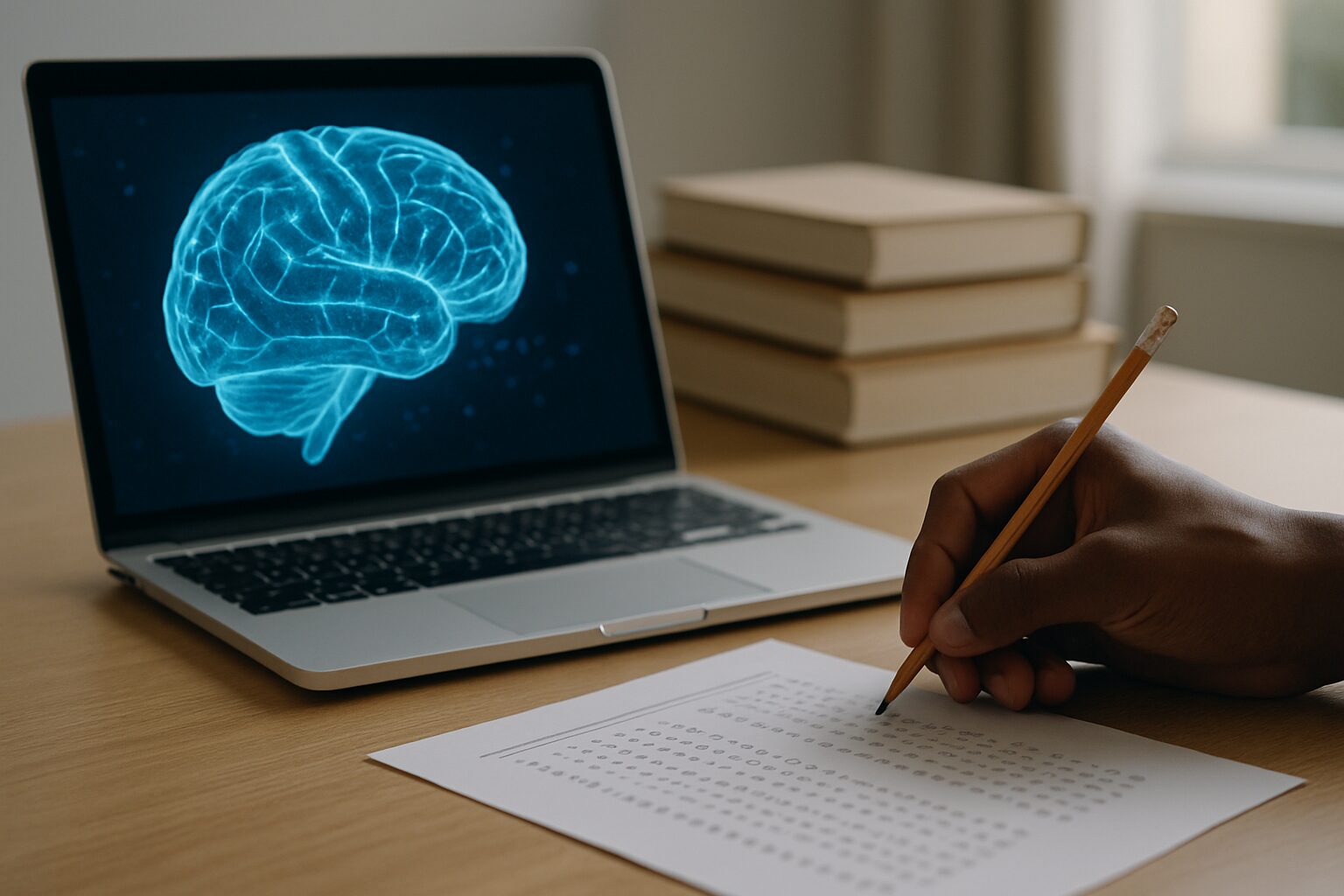
Digital Eyes in the Virtual Classroom: Balancing Integrity and Confidentiality
AI proctoring systems monitor students during exams using technologies like facial recognition, screen recording, and behavior analysis. While these tools aim to prevent cheating, they raise privacy concerns due to extensive data collection and surveillance. The challenge lies in balancing academic integrity with the protection of students' personal information and consent.
Why It Matters - Real-world impact
AI proctoring raises significant privacy concerns that impact students, educators, and institutions alike. Students subjected to invasive monitoring—such as facial recognition, screen recording, or keystroke analysis—may experience undue stress, while their sensitive biometric and behavioral data could be mishandled or exploited. Educational institutions risk eroding trust if surveillance tools disproportionately target marginalized groups or produce biased outcomes. For regular people, this issue underscores broader societal questions about the normalization of surveillance and the erosion of personal privacy in digital spaces. Without proper safeguards, the misuse of AI proctoring could set dangerous precedents for how technology monitors and controls individuals in education and beyond.
Ethical Concerns - What’s wrong or risky?
AI Proctoring and Student Privacy: An Ethical Minefield
AI proctoring systems, designed to monitor students during exams, raise significant ethical concerns regarding privacy and fairness. These systems often use facial recognition, eye-tracking, and audio monitoring to detect cheating, but in doing so, they may infringe on students' rights and well-being.
Privacy and Surveillance
One of the most pressing issues is the erosion of privacy. Students are monitored in their personal spaces, which can feel invasive and stressful. This constant surveillance may discourage honest students and create an environment of distrust.
Fairness Concerns
AI proctoring can introduce unfairness if the technology is not equally accurate for all demographics. For example, algorithms might misidentify certain behaviors as suspicious based on cultural differences or physical characteristics, penalizing innocent students.
Risk of Discrimination
There is a tangible risk of discrimination, as AI systems may exhibit biases against students with disabilities, non-native language speakers, or those from diverse racial backgrounds. If the AI is trained on non-representative data, it could unfairly flag these groups.
Lack of Transparency
Many AI proctoring tools operate as "black boxes," with little transparency about how decisions are made. Students and educators often cannot challenge or understand why a flag was raised, undermining accountability and trust in the assessment process.
Alternative Viewpoints
Not everyone views AI proctoring negatively. Proponents argue that it ensures academic integrity in remote learning environments and provides a scalable solution for institutions. They believe that with proper safeguards, the benefits outweigh the risks.
Additional Ethical Worries
Beyond the linked issues, there are concerns about data security—how student information is stored and used—and the psychological impact of being under constant surveillance, which could increase anxiety and harm mental health.
Solutions - What’s being done or proposed?
Transparent Data Usage Policies
Educational institutions and AI proctoring companies have proposed creating clear, accessible policies detailing how student data is collected, stored, and used. These policies aim to inform students and parents about what data is being monitored (e.g., keystrokes, facial recognition, screen activity) and for how long it is retained. Transparency builds trust and allows stakeholders to make informed decisions about participation.
Local Processing Instead of Cloud Storage
Some technical solutions involve processing proctoring data locally on the student's device rather than uploading it to cloud servers. This minimizes the risk of data breaches and unauthorized access. However, this approach requires robust encryption and may limit the ability of institutions to review flagged incidents.
Opt-Out Alternatives for Students
To address privacy concerns, some institutions offer opt-out alternatives to AI proctoring, such as in-person proctoring or alternative assessment methods (e.g., project-based evaluations). This ensures students uncomfortable with surveillance technologies can still complete their coursework without compromising their privacy.
Legislation to Regulate AI Proctoring
Lawmakers and advocacy groups have called for legislation to regulate AI proctoring tools, setting limits on data collection, retention periods, and permissible use cases. For example, laws could require explicit consent from students or prohibit certain invasive practices like eye-tracking without justification. Such regulations would provide legal safeguards against misuse.
Bias Audits for AI Proctoring Algorithms
To mitigate discriminatory outcomes, institutions and third-party auditors have begun evaluating AI proctoring systems for bias, particularly in facial recognition and behavior analysis. Regular audits can identify and correct biases that disproportionately flag students of color, neurodivergent students, or those with disabilities.
Student and Faculty Oversight Committees
Some universities have established oversight committees comprising students, faculty, and privacy experts to review AI proctoring tools before adoption. These committees assess ethical implications, negotiate contracts with vendors, and ensure compliance with institutional values. This collaborative approach empowers stakeholders to voice concerns.
Minimizing Data Collection Scope
Technical adjustments to limit data collection to only what is necessary (e.g., disabling microphone access for non-verbal exams) reduce privacy risks. Proctoring software can be configured to avoid capturing irrelevant background details or personal items in a student's environment, lowering the chance of intrusive surveillance.
Decentralized Identity Verification
Instead of continuous monitoring, some systems use decentralized identity verification at exam start (e.g., one-time biometric check) paired with periodic manual reviews. This reduces the amount of data collected while still deterring impersonation. It strikes a balance between security and privacy.
Examples and Real Cases
Proctorio's Data Collection Controversy (2020)
In 2020, Proctorio, an AI proctoring tool, faced backlash when students discovered it collected extensive data, including eye movements, keystrokes, and room scans. The Electronic Frontier Foundation (EFF) filed a lawsuit against the company for allegedly violating student privacy rights under the Family Educational Rights and Privacy Act (FERPA).
ExamSoft's Facial Recognition Issues (2021)
During the 2021 bar exams, ExamSoft's AI proctoring software flagged numerous false positives, disproportionately affecting test-takers of color due to biases in facial recognition. The National Association for the Advancement of Colored People (NAACP) called for an investigation into the software's discriminatory practices.
Hypothetical: University X's Unauthorized Data Sharing
In a hypothetical scenario, University X partners with an AI proctoring company that secretly shares student biometric data with third-party advertisers. Students only discover the breach after targeted ads appear based on their exam behavior, sparking a campus-wide protest and legal action.
Honorlock's Room Scanning Controversy (2022)
In 2022, students at the University of Florida raised concerns when Honorlock's AI proctoring required 360-degree room scans, which many felt invaded their privacy. The university later revised its policy to make room scans optional after student protests and media scrutiny.
Hypothetical: AI Proctoring in K-12 Schools
A hypothetical K-12 school district implements AI proctoring without parental consent, capturing minors' facial expressions and body language during tests. Parents later sue the district for violating the Children's Online Privacy Protection Act (COPPA), leading to a ban on such tools in public schools.
Frequently Asked Questions
What is AI proctoring?
AI proctoring is the use of artificial intelligence to monitor students during online exams. It can track activities like eye movements, screen activity, and background noise to detect potential cheating.
Why is student privacy a concern with AI proctoring?
Student privacy is a concern because AI proctoring often collects sensitive data like video recordings, screen activity, and even biometric data. Without proper safeguards, this data could be misused or exposed.
How does AI proctoring affect students with disabilities?
AI proctoring may unintentionally disadvantage students with disabilities if the software flags normal accommodations (like screen readers or extra time) as suspicious behavior, creating accessibility challenges.
What are the alternatives to AI proctoring for online exams?
Alternatives include open-book exams, project-based assessments, honor codes, or human proctors. These methods can reduce privacy concerns while still maintaining academic integrity.
How can schools balance exam security and student privacy with AI proctoring?
Schools can balance these by being transparent about data collection, minimizing data retention, allowing opt-outs where possible, and only using AI proctoring when absolutely necessary for high-stakes exams.