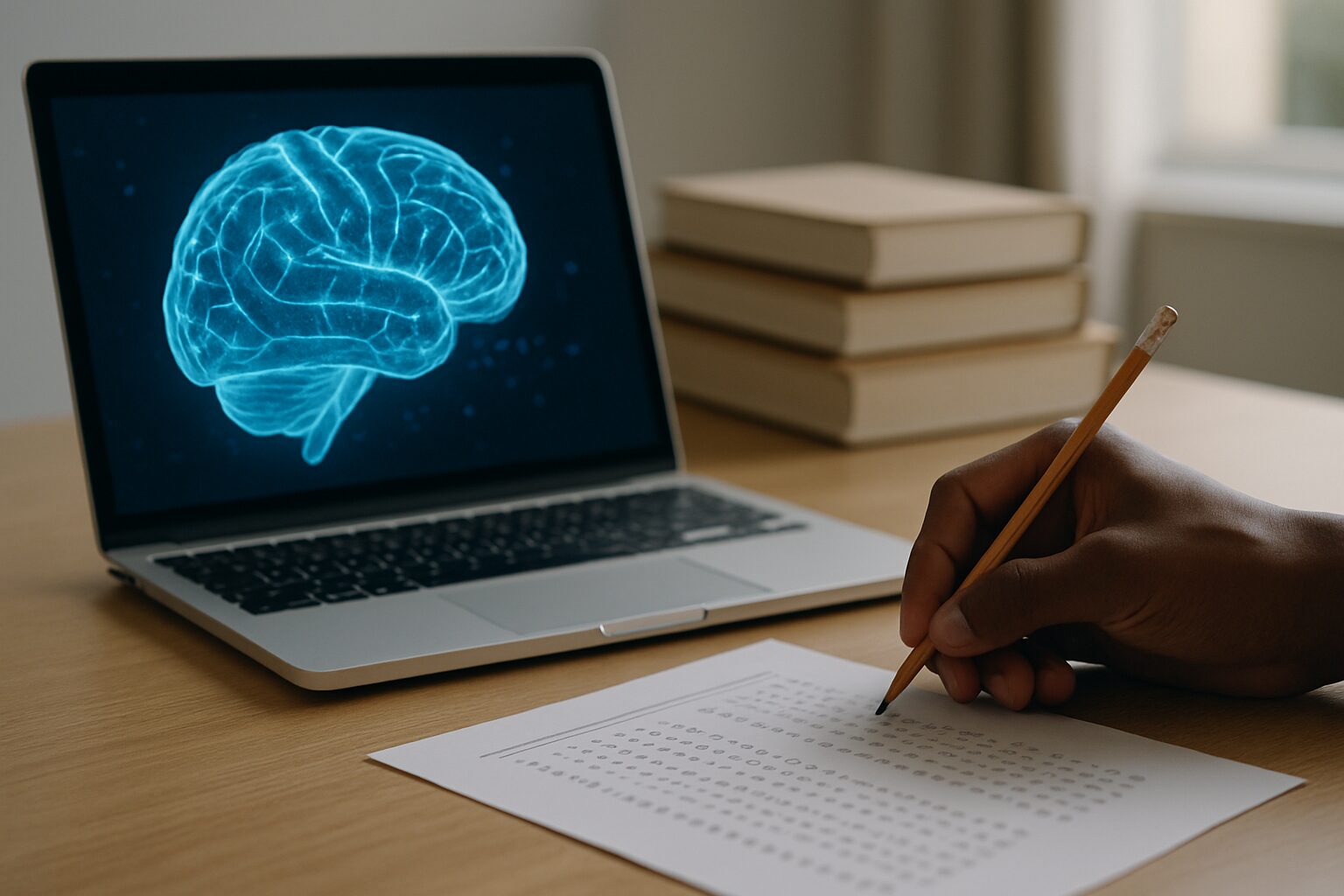
Who’s Responsible When AI Tutors Fail? Navigating Accountability in EdTech
AI tutors are increasingly used in education, offering personalized learning and accessibility. However, their deployment raises ethical questions about accountability when errors occur or biases influence outcomes. Determining responsibility—whether it lies with developers, institutions, or the AI itself—remains a key challenge. These concerns highlight the need for clear frameworks to ensure fairness and transparency in AI-driven education.
Why It Matters - Real-world impact
The ethics of AI tutors and accountability matter because these systems increasingly shape educational outcomes for millions of students worldwide. When AI tutors make errors, exhibit biases, or fail to adapt to diverse learning needs, marginalized learners—particularly those in underfunded schools or non-English-speaking communities—are disproportionately affected. Without proper oversight, flawed algorithms could reinforce inequities, misgrade assignments, or even provide harmful advice, with little recourse for students or educators. Regular people should care because these tools influence career opportunities, academic success, and societal trust in technology. If left unregulated, AI tutors risk deepening existing divides rather than democratizing education as promised.
Ethical Concerns - What’s wrong or risky?
Ethical Risks in AI Tutoring Systems
As AI tutors become more prevalent in education, several ethical concerns arise that demand attention. One major issue is fairness, as these systems may not provide equal educational support to all students, especially those from under-resourced backgrounds or with diverse learning needs.
Discrimination and Bias
AI tutors can inadvertently perpetuate or even amplify existing biases. For example, if training data is not representative, the AI might favor certain dialects, cultural references, or learning styles, leading to discrimination against marginalized groups.
Transparency and Accountability
Another critical concern is transparency. Many AI tutoring algorithms operate as "black boxes," making it difficult for educators, students, or parents to understand how decisions are made or who is accountable for errors or harmful outcomes.
Economic and Labor Implications
Some argue that the rise of AI tutors could lead to significant job loss among human educators, raising questions about the future of teaching professions. Additionally, there are concerns about the economic impact, as access to high-quality AI tutoring might become a privilege for those who can afford it, widening educational inequalities.
Worker Rights and Autonomy
For educators who remain in the system, there are worries about worker rights, such as being relegated to monitoring roles or losing professional autonomy to algorithmic management.
Differing Perspectives
Not everyone views these risks uniformly. Proponents argue that AI tutors can personalize education at scale, potentially reducing human bias and expanding access. Critics, however, emphasize the moral imperative to address these ethical pitfalls to ensure that AI serves as a tool for equity rather than exacerbating existing disparities.
Solutions - What’s being done or proposed?
Transparency in AI Decision-Making
One proposed solution is to mandate transparency in how AI tutors make decisions. This involves requiring developers to disclose the algorithms, data sources, and decision-making processes used by AI tutors. By making these systems more understandable, educators and students can better assess their fairness and accuracy. Some organizations have started implementing 'explainability' features that provide insights into why an AI tutor suggests certain answers or learning paths.
Legal Frameworks for Accountability
Governments and institutions are exploring legal frameworks to hold AI developers and educational institutions accountable for AI tutor outcomes. This includes laws that define liability when AI tutors provide incorrect or harmful information. For example, the EU's AI Act proposes strict regulations for high-risk AI applications, including those in education. Such frameworks aim to ensure that AI tutors meet ethical standards and that there are clear recourse options for affected users.
Bias Audits and Regular Testing
To address biases in AI tutors, some experts recommend regular bias audits and testing. Independent organizations or internal teams can evaluate AI systems for discriminatory patterns in content delivery, grading, or feedback. For instance, audits might check if an AI tutor favors certain dialects or cultural references over others. Regular testing ensures that biases are identified and corrected before they impact students.
Human Oversight and Hybrid Models
Another solution is to integrate human oversight into AI tutoring systems. Hybrid models combine AI efficiency with human judgment, where educators review AI-generated recommendations or intervene when the system encounters complex ethical dilemmas. This approach balances automation with accountability, ensuring that students receive personalized support without sacrificing ethical considerations.
Ethical AI Certification Programs
Certification programs for ethical AI in education have been suggested to standardize best practices. These programs would evaluate AI tutors based on predefined ethical criteria, such as fairness, privacy, and inclusivity. Institutions could then choose certified AI systems, similar to how they might select accredited educational tools. This creates market incentives for developers to prioritize ethical design.
Student and Educator Feedback Mechanisms
Implementing robust feedback mechanisms allows students and educators to report issues with AI tutors, such as inaccuracies or biases. Platforms can use this feedback to improve algorithms and address concerns promptly. For example, some AI tutoring systems now include 'flag this response' features, enabling users to highlight problematic content for review. This participatory approach fosters continuous improvement and trust.
Data Privacy Protections
Strengthening data privacy protections is critical to ethical AI tutoring. Solutions include anonymizing student data, limiting data collection to what's necessary, and obtaining explicit consent for data usage. Regulations like GDPR in Europe set benchmarks for privacy, and similar measures are being adopted globally. Secure data practices help prevent misuse and build confidence in AI educational tools.
Examples and Real Cases
Chegg's AI Tutoring and Academic Integrity Concerns (2021)
In 2021, Chegg faced criticism as students used its AI-powered tutoring service to complete exams during remote learning. Investigations revealed widespread cheating, prompting universities like Boston University to ban Chegg during exams, raising questions about AI accountability in education.
Hypothetical: Biased AI Tutor Reinforces Stereotypes
A hypothetical AI tutor trained on historical data begins recommending engineering careers more frequently to male students and teaching roles to female students, despite equal aptitude. This perpetuates gender biases without clear accountability for the AI's decision-making process.
Duolingo's AI Language Coach (2023)
Duolingo's 2023 AI feature provided personalized language coaching but occasionally gave culturally insensitive examples. Users reported instances where the AI reinforced stereotypes, highlighting challenges in ensuring ethical outputs from AI tutors without human oversight.
Khan Academy's GPT-4 Integration (2023)
When Khan Academy integrated GPT-4 as an AI tutor in 2023, some students received incorrect math explanations. The lack of transparency about the AI's limitations raised accountability questions when errors affected learning outcomes.
Frequently Asked Questions
What is an AI tutor and how does it work?
An AI tutor is a digital system that uses artificial intelligence to provide personalized learning support, similar to a human tutor. It works by analyzing student responses, adapting to their learning pace, and offering explanations or feedback based on data and algorithms.
Why is accountability important in AI tutors?
Accountability ensures that AI tutors are transparent, fair, and free from biases. It's important because students rely on these tools for education, and errors or unfair practices could negatively impact learning outcomes, especially for marginalized groups.
Can AI tutors replace human teachers?
No, AI tutors are designed to assist, not replace human teachers. While they can provide personalized practice and feedback, human educators offer emotional support, creativity, and ethical judgment that AI cannot replicate.
How can AI tutors make education more accessible?
AI tutors can make education more accessible by providing low-cost or free learning support to students in remote areas or those with limited resources. They can also offer multilingual options and adapt to different learning disabilities.
What are the ethical concerns with AI tutors?
Ethical concerns include data privacy (how student data is collected and used), algorithmic bias (unfair treatment of certain groups), over-reliance on technology, and ensuring the AI's advice is accurate and unbiased.