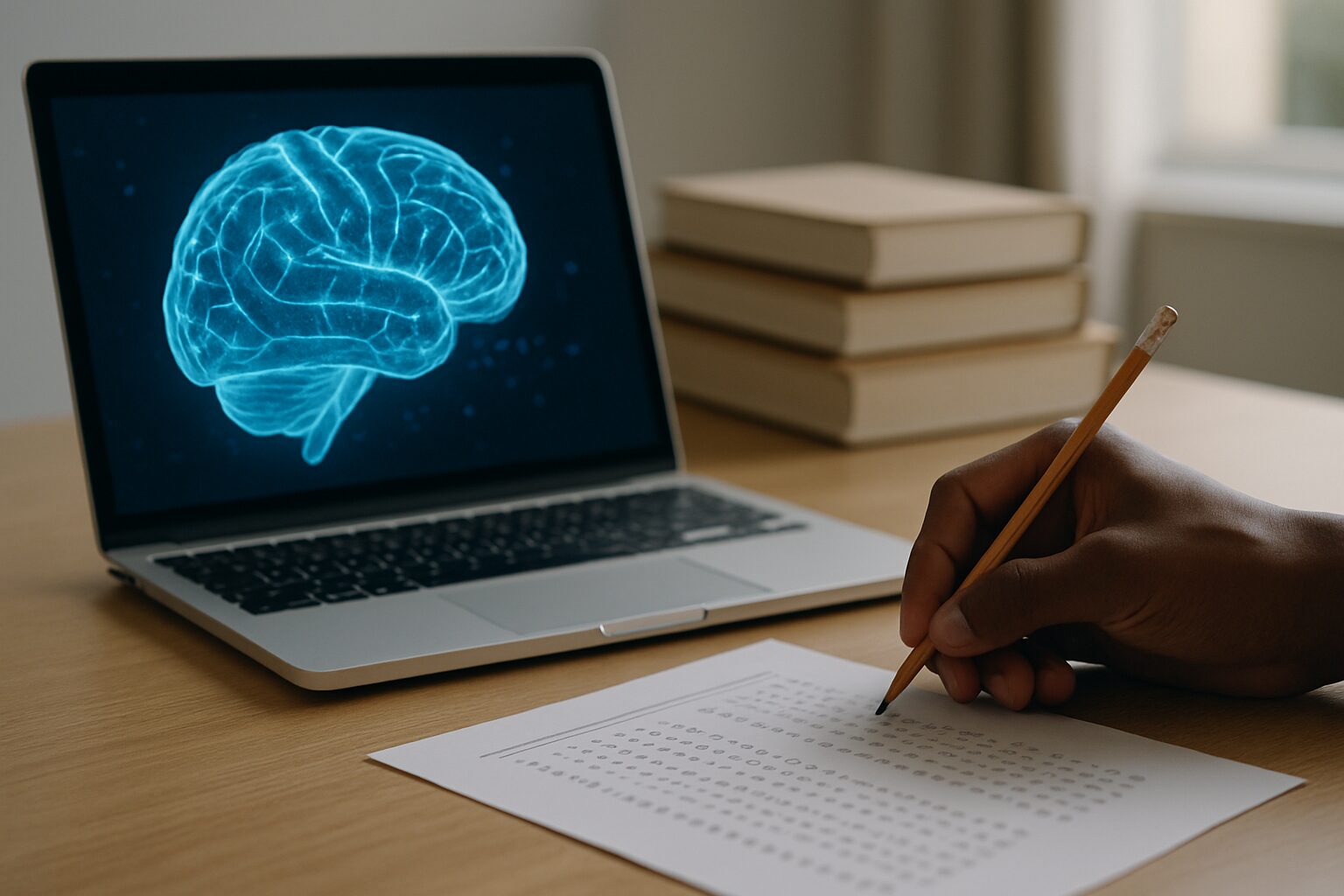
Breaking Barriers: How Smart Tech Makes Learning Inclusive for All
Educational algorithms are increasingly used to personalize learning, assess student performance, and allocate resources. However, concerns arise about whether these systems account for accessibility barriers faced by learners with disabilities, socioeconomic disadvantages, or limited digital access. The ethical challenge lies in ensuring these tools do not inadvertently widen existing inequities in education.
Why It Matters - Real-world impact
Educational algorithms and accessibility issues in AI have profound real-world consequences for students, educators, and marginalized communities. When these systems are poorly designed or trained on biased data, they can reinforce existing inequalities by misdirecting resources, providing inaccurate recommendations, or creating inaccessible learning environments. Students with disabilities may find AI-powered educational tools unusable if accessibility isn't prioritized, while underprivileged schools might receive fewer opportunities due to algorithmic biases in resource allocation. Regular people should care because these technologies increasingly determine who gets access to quality education and career opportunities - foundational elements for social mobility. As AI becomes more embedded in education, unchecked algorithmic decisions could systematically disadvantage vulnerable populations for generations.
Ethical Concerns - What’s wrong or risky?
Educational Algorithms and Accessibility: Navigating Ethical Risks
As educational algorithms become more integrated into learning systems, they promise personalized education and improved accessibility. However, this integration raises significant ethical concerns that must be addressed to ensure these tools benefit all learners equitably.
Fairness in Algorithmic Decisions
One primary concern is fairness. Educational algorithms may unintentionally favor certain student demographics if trained on biased data, leading to unequal access to resources or opportunities. For example, an algorithm designed to recommend advanced courses might overlook students from underrepresented backgrounds if historical data reflects existing biases.
Discrimination and Bias Amplification
Linked closely to fairness is the risk of discrimination. Algorithms can perpetuate or even exacerbate societal biases, such as those based on race, socioeconomic status, or disability. If an adaptive learning system uses data that correlates low performance with certain groups, it might reinforce stereotypes rather than mitigate them.
Transparency and Accountability
Another critical issue is transparency. Many educational algorithms operate as "black boxes," making it difficult for educators, students, or parents to understand how decisions are made. This lack of clarity can erode trust and make it challenging to hold developers or institutions accountable for harmful outcomes.
Economic and Resource Disparities
There are also concerns about the economic impact of these technologies. Schools in wealthier districts may adopt advanced algorithmic tools more readily, widening the gap between well-resourced and underfunded institutions. This could deepen existing inequalities in educational access and outcomes.
Differing Perspectives on Ethical Risks
Not all stakeholders view these risks similarly. Proponents argue that algorithms can democratize education by providing tailored support to diverse learners, potentially overcoming human biases. Critics, however, caution that without rigorous oversight, these tools may do more harm than good, particularly for marginalized communities. Some educators emphasize the importance of human judgment alongside algorithmic recommendations, while technologists may prioritize efficiency and scalability.
Other moral concerns include data privacy, as student information is often used to train these systems, and the potential for reduced human interaction in learning environments, which could impact social development and emotional support.
Solutions - What’s being done or proposed?
Implementing Universal Design Principles in AI Development
Many have advocated for integrating universal design principles into the creation of educational algorithms. This approach ensures that AI tools are inherently accessible to diverse learners, including those with disabilities. By considering accessibility from the outset, developers can avoid retrofitting solutions later. Examples include providing multiple means of engagement, representation, and expression within AI-driven platforms.
Policy and Legal Frameworks for Algorithmic Transparency
Governments and institutions have proposed policies requiring transparency in educational algorithms. These frameworks mandate that AI systems disclose how decisions are made, allowing educators and students to understand and challenge biases. For instance, the EU's General Data Protection Regulation (GDPR) includes provisions for algorithmic accountability, which can be adapted for educational contexts to ensure fairness.
Community-Driven Audits of AI Systems
Some organizations have initiated community-driven audits where stakeholders, including educators, students, and advocacy groups, evaluate AI tools for bias and accessibility. These audits involve testing algorithms with diverse populations and collecting feedback to identify shortcomings. This grassroots approach empowers users to hold developers accountable and demand improvements.
Inclusive Data Collection Practices
To address biases in AI, experts recommend inclusive data collection practices that represent all student demographics. This involves gathering data from marginalized groups, such as students with disabilities or those from low-income backgrounds, to train algorithms more equitably. By ensuring datasets are comprehensive, AI systems can make fairer and more accurate recommendations.
Teacher and Student Training on AI Tools
Educational institutions have introduced training programs to help teachers and students understand and effectively use AI tools. These programs cover topics like interpreting algorithmic recommendations, recognizing potential biases, and advocating for equitable access. By building digital literacy, users can navigate AI systems more critically and responsibly.
Public-Private Partnerships for Accessible AI
Collaborations between governments, tech companies, and nonprofits have emerged to fund and develop accessible AI solutions for education. These partnerships leverage resources and expertise to create tools tailored for underserved populations. For example, joint initiatives have produced speech-to-text algorithms for students with hearing impairments or adaptive learning platforms for neurodiverse learners.
Examples and Real Cases
Proctorio's Algorithmic Bias in Remote Testing (2020)
In 2020, students at the University of Illinois reported that Proctorio's AI-based remote proctoring software flagged students with darker skin tones or certain disabilities more frequently for suspicious behavior. This disproportionately affected students of color and those with conditions like ADHD who needed accommodations.
UK A-Level Algorithm Grading Controversy (2020)
During the COVID-19 pandemic in 2020, the UK's algorithm for determining A-level grades downgraded nearly 40% of teacher-assessed grades, disproportionately affecting students from disadvantaged schools. Public outcry forced the government to revert to teacher-assessed grades after recognizing the algorithm's systemic bias.
Hypothetical: AI-Powered Language Learning App Excluding Dialects
A hypothetical AI language learning app designed for standardized Spanish might penalize or fail to recognize regional dialects like Andalusian Spanish or Rioplatense Spanish. This could disadvantage students from these regions while privileging those who speak the 'standard' version recognized by the algorithm.
Khan Academy's Adaptive Learning Gaps (Ongoing)
While Khan Academy's adaptive learning algorithms personalize content for many students, some educators report they don't adequately account for neurodivergent learning styles. For example, the system might repeatedly present visual math problems to a dyscalculic student who would benefit from verbal explanations.
Hypothetical: Career Recommendation Algorithm Steering Women Away from STEM
An AI career guidance tool trained on historical enrollment data might consistently recommend humanities tracks to female students showing aptitude in both humanities and STEM fields, perpetuating gender gaps in technical fields by reinforcing existing biases in the training data.
Frequently Asked Questions
What are educational algorithms and how do they help with accessibility?
Educational algorithms are step-by-step computational methods designed to improve learning experiences. They help with accessibility by personalizing content for students with disabilities, adapting to different learning speeds, and providing alternative formats like audio or simplified text.
Why is accessibility important in educational technology?
Accessibility ensures all learners, including those with disabilities, can use educational tools effectively. It promotes equal opportunities, removes barriers to learning, and helps create inclusive classrooms where every student can succeed.
How do algorithms make online learning more accessible?
Algorithms improve online learning accessibility by automatically adjusting content (like font size or contrast), providing real-time captions for videos, recommending personalized learning paths, and detecting when students might need additional support.
What are some real-world examples of accessible educational algorithms?
Examples include speech-to-text tools for students with dyslexia, AI that generates image descriptions for blind learners, adaptive math programs that adjust difficulty levels, and platforms that translate content into multiple languages for non-native speakers.
How can teachers use educational algorithms to support diverse learners?
Teachers can use algorithms to identify students who need help, provide customized assignments, offer multiple ways to engage with material (like videos or interactive quizzes), and track progress to adjust teaching strategies in real-time.