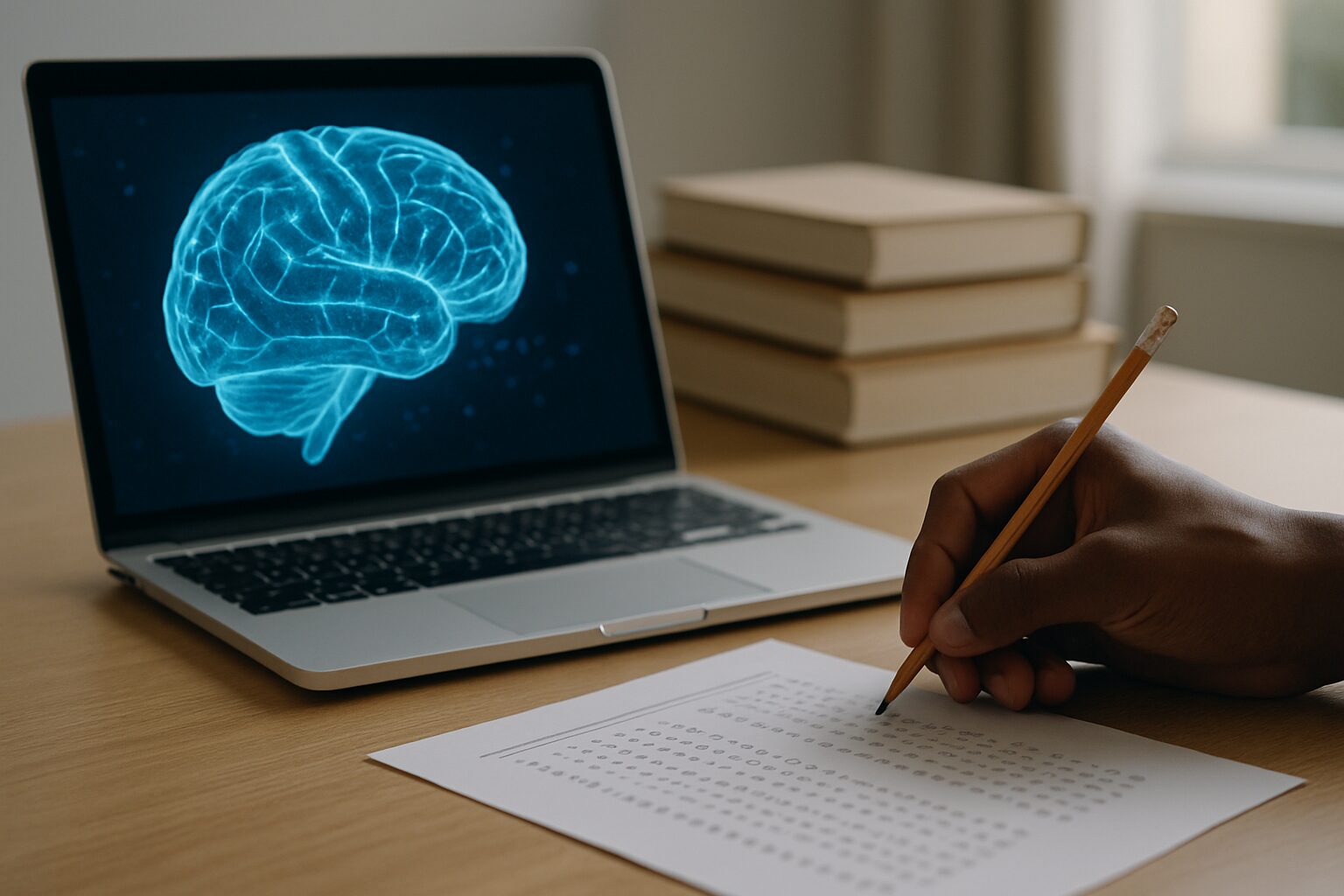
Is AI Plagiarism Detection Fair? Exploring Real-World Ethics and Impact
The use of AI to detect plagiarism in academic and professional settings raises ethical questions about fairness and accuracy. While these tools can efficiently identify copied content, concerns exist about false positives, biases in detection algorithms, and the broader implications for trust in education. The debate centers on whether AI-driven plagiarism detection upholds integrity or inadvertently creates new challenges for students and creators.
Why It Matters - Real-world impact
The issue of AI detecting plagiarism carries significant real-world consequences, affecting students, educators, researchers, and professionals alike. Overreliance on AI tools risks false accusations of plagiarism, which can derail academic careers, damage reputations, or even lead to unjust disciplinary actions. Conversely, undetected plagiarism undermines academic integrity and devalues original work, creating unfair advantages. For regular people, this matters because it shapes trust in education systems, hiring practices, and published research—areas that influence opportunities and societal progress. Flawed or biased AI systems could exacerbate existing inequalities, making transparency and ethical oversight critical.
Ethical Concerns - What’s wrong or risky?
AI Plagiarism Detection: A Double-Edged Sword
As AI-powered plagiarism detection tools become ubiquitous in education, they raise significant ethical questions. While intended to uphold academic integrity, these systems can inadvertently introduce new forms of bias and harm.
Fairness Concerns
AI tools may not treat all students equally. For example, non-native English speakers might be flagged more frequently due to phrasing similarities in common expressions, raising issues of fairness in evaluation.
Discrimination Risks
Biases in training data can lead to discriminatory outcomes. If an AI system is trained predominantly on texts from certain cultural or demographic groups, it might unfairly target students from underrepresented backgrounds. Learn more about discrimination risks in AI.
Transparency Issues
Many AI plagiarism detectors operate as "black boxes," offering little insight into how matches are determined. This lack of transparency can make it difficult for students to challenge false positives or understand the reasoning behind accusations.
Worker Rights Implications
The adoption of AI tools might reduce the role of educators in evaluating originality, potentially devaluing their expertise and judgment. This ties into broader worker rights concerns as automation encroaches on professional domains.
Economic Impact
Widespread use of proprietary AI detection systems could create financial barriers for underfunded institutions, exacerbating educational inequality. The economic impact of such technologies must be carefully considered.
Job Loss Concerns
While not immediate, there is potential for AI to reduce the need for human oversight in academic integrity, leading to concerns about job loss among educators and administrators.
Differing Perspectives
Supporters argue that AI ensures consistency and objectivity, catching infractions that humans might miss. Critics, however, worry about over-reliance on flawed systems, the erosion of trust in student-teacher relationships, and the potential for these tools to stifle creativity by penalizing common knowledge or coincidental similarities.
Other ethical risks include privacy concerns, as student work is often processed by third-party servers, and the psychological impact on students who may feel constantly surveilled or wrongly accused.
Solutions - What’s being done or proposed?
Implementing Transparent AI Algorithms
One proposed solution is to make AI plagiarism detection tools more transparent by disclosing how they analyze and flag content. This includes providing clear explanations of the algorithms used, the databases they reference, and the thresholds for plagiarism detection. Transparency can help users understand the process and reduce mistrust, ensuring that accusations of plagiarism are based on verifiable criteria rather than opaque systems.
Human Review as a Safeguard
To address potential false positives, some institutions have introduced human review as a mandatory step after AI detection. Educators or experts manually verify flagged content to ensure accuracy before taking action. This hybrid approach balances efficiency with fairness, reducing the risk of unjust penalties while still leveraging AI's speed and scalability.
Legal Frameworks for AI Accountability
Legal solutions have been suggested to hold AI plagiarism tools accountable for errors. This includes regulations requiring companies to provide avenues for appeals or corrections when false accusations occur. By establishing legal standards, users can challenge unfair outcomes, and developers may be incentivized to improve accuracy and fairness in their systems.
Educational Programs on Proper AI Use
Institutions are increasingly offering training programs to educate students and professionals on how to use AI tools ethically. These programs teach proper citation, paraphrasing, and the limitations of AI detection, fostering a culture of integrity. By emphasizing education over punishment, the focus shifts to prevention and responsible use of technology.
Customizable Detection Thresholds
Some AI plagiarism tools now allow institutions to adjust detection thresholds based on context. For example, stricter settings might be used for academic papers, while more lenient ones could apply to informal writing. Customization helps account for different use cases, reducing unnecessary flags and aligning detection with the specific needs of each environment.
Open-Source Plagiarism Databases
To address biases in proprietary databases, open-source plagiarism databases have been proposed. These would allow broader contributions and peer review, ensuring a more diverse and representative pool of reference materials. Open-source solutions could reduce systemic biases and improve the fairness of AI detection across different cultures and disciplines.
Bias Audits for AI Tools
Regular bias audits by third-party organizations have been suggested to evaluate AI plagiarism detectors for fairness. These audits would assess whether the tools disproportionately flag content from certain groups or regions. By identifying and correcting biases, the tools can become more equitable and trustworthy for global use.
Examples and Real Cases
Turnitin's AI Detection in Universities (2023)
In 2023, several universities reported false positives when using Turnitin's AI detection tool, accusing students of using AI to write essays when they hadn't. At the University of California, Davis, over 50 students were wrongly flagged, leading to protests and a temporary suspension of the tool's use.
GPTZero and Journalistic Controversy (2022)
When news outlet Reuters used GPTZero to check articles for AI-generated content in 2022, it flagged several legitimate human-written pieces. This led to tensions with freelance journalists whose original work was mistakenly questioned, raising concerns about AI's reliability in professional settings.
High School Plagiarism Scandal (Hypothetical)
In a realistic scenario, a high school in Texas might implement an AI plagiarism checker that disproportionately flags ESL (English as a Second Language) students' work. The tool could misinterpret unconventional phrasing as AI-generated, unfairly targeting non-native speakers and creating bias in grading.
ChatGPT in Academic Publishing (2023)
In 2023, a peer-reviewed paper in 'Nature' was retracted after AI detection tools suggested portions were written by ChatGPT. The authors denied using AI, and later analysis showed the tools had a high false-positive rate, damaging the researchers' reputations unnecessarily.
Corporate Training Programs (Hypothetical)
A hypothetical case might involve a corporation using AI to check employee training submissions for plagiarism. The tool could flag common industry terminology as copied content, leading to unjust penalties for employees who simply used standard professional language in their reports.
Frequently Asked Questions
What is AI plagiarism detection?
AI plagiarism detection uses artificial intelligence to scan and compare written work against a database of sources to identify copied or unoriginal content, helping educators and publishers ensure authenticity.
Why is AI plagiarism detection important in education?
It promotes academic integrity by discouraging cheating, ensures students develop original thinking skills, and helps educators fairly evaluate work without manual checks.
Is AI plagiarism detection always accurate?
No, AI tools can sometimes flag false positives (incorrectly identifying plagiarism) or miss subtle forms of copying, so human review is still important for fairness.
How does AI plagiarism detection affect students with limited access to resources?
Students without reliable internet or learning materials may struggle to produce 'original' work, raising concerns about fairness. Educators should consider accessibility when using these tools.
Can AI plagiarism detection be used beyond schools?
Yes! It's also used by journalists, researchers, and content creators to verify originality and avoid copyright issues in professional work.