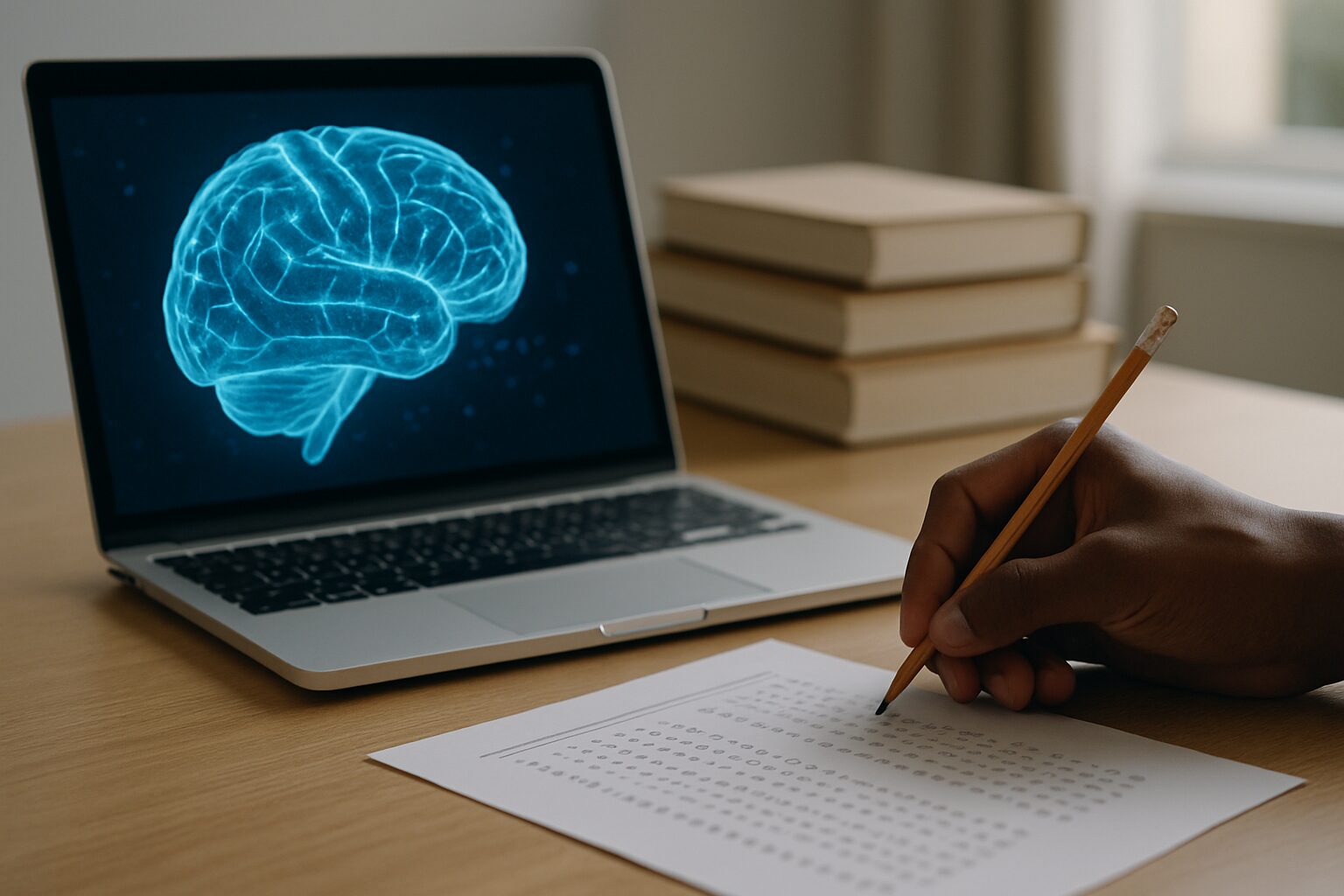
Navigating the Moral Compass of AI Education
AI tutors are increasingly used in education, offering personalized learning and broader access to knowledge. However, their use raises ethical questions about bias, transparency, and the replacement of human educators. Concerns also include data privacy, algorithmic fairness, and the potential widening of educational inequalities. Addressing these issues is critical to ensuring AI tutors benefit all learners responsibly.
Why It Matters - Real-world impact
The ethics of AI tutors matter because these systems directly shape educational outcomes for millions of learners worldwide. Students, teachers, and marginalized communities are particularly affected—AI-driven biases in content, unequal access to advanced tools, or privacy violations could reinforce existing inequalities. Without proper oversight, flawed algorithms might misgrade work, promote harmful stereotypes, or exclude non-native language speakers. Regular people should care because these technologies influence career opportunities, societal perceptions of intelligence, and the fairness of education systems. The risks extend beyond classrooms: poor ethical frameworks today could lock generations into AI-curated learning paths that prioritize profit over human potential.
Ethical Concerns - What’s wrong or risky?
Ethical Concerns in AI Tutoring Systems
AI tutors introduce several ethical risks that must be carefully considered. One major issue is fairness, as algorithms may not equitably distribute educational resources or adapt equally well to all students' needs.
Discrimination and Bias
There is a risk of discrimination if AI systems are trained on biased data, potentially reinforcing stereotypes or disadvantaging certain demographic groups.
Transparency and Accountability
Lack of transparency in how AI tutors make decisions can make it difficult to understand why a student receives certain feedback, raising concerns about accountability.
Economic and Employment Implications
Widespread adoption of AI tutors could lead to significant job loss among human educators, affecting livelihoods and the quality of human interaction in learning. Additionally, the economic impact may widen gaps between those who can afford advanced AI tools and those who cannot.
Worker Rights in Transition
As roles shift, there are concerns about worker rights, including fair treatment, retraining opportunities, and the potential devaluation of teaching professionals.
Differing Perspectives
Not everyone agrees on the severity of these risks. Some argue that AI tutors can personalize education and increase access, potentially mitigating issues of fairness if implemented correctly. Others emphasize that human oversight is irreplaceable for nurturing critical thinking and emotional intelligence.
Other moral concerns include data privacy, the potential for over-reliance on technology, and the erosion of teacher-student relationships, though these are not linked here.
Solutions - What’s being done or proposed?
Implementing Strict Data Privacy Regulations
One approach to addressing ethical concerns with AI tutors is the implementation of strict data privacy regulations. Governments and institutions have proposed laws like GDPR in Europe to ensure that student data collected by AI systems is protected. These regulations mandate transparency in data usage, require consent for data collection, and impose penalties for breaches. This helps build trust and ensures that sensitive information isn't misused.
Developing Bias Mitigation Algorithms
Technical solutions such as bias mitigation algorithms have been suggested to reduce discriminatory outcomes in AI tutoring systems. Researchers are working on tools that audit AI models for biases related to race, gender, or socioeconomic status. By incorporating fairness metrics during the development phase, AI tutors can be designed to provide equitable learning experiences for all students.
Creating Ethical AI Certification Programs
Institutional solutions include the establishment of ethical AI certification programs. Organizations like IEEE and universities have proposed frameworks to evaluate AI tutoring systems against ethical standards. Certification ensures that AI tools meet guidelines for fairness, transparency, and accountability before deployment in educational settings.
Promoting Human-AI Collaboration Models
A social solution involves promoting human-AI collaboration rather than full automation. Many educators advocate for AI tutors to assist rather than replace human teachers. This hybrid model ensures that emotional and contextual support, which AI lacks, remains part of the learning process while leveraging AI for personalized instruction.
Establishing Oversight Committees
Some institutions have proposed forming oversight committees to monitor AI tutor deployments. These committees, comprising educators, ethicists, and technologists, review AI systems for compliance with ethical standards. They also provide a channel for students and parents to report concerns, ensuring continuous accountability.
Encouraging Open-Source AI Development
Transparency in AI tutoring systems can be enhanced through open-source development. By making algorithms publicly accessible, stakeholders can audit and improve them collaboratively. This approach reduces the risk of proprietary systems operating as 'black boxes' and fosters community-driven ethical improvements.
Examples and Real Cases
Khanmigo by Khan Academy (2023)
In 2023, Khan Academy launched Khanmigo, an AI tutor powered by GPT-4, designed to assist students with personalized learning. Concerns arose about data privacy, as the tool required access to student interactions, prompting debates on how to balance educational benefits with ethical data use.
Duolingo's AI Chatbots (2016)
Duolingo introduced AI-powered chatbots in 2016 to help language learners practice conversations. While praised for innovation, critics highlighted risks of biased or inappropriate responses, as the AI was trained on large datasets that could contain harmful stereotypes.
Hypothetical: AI Tutor in Underserved Schools
A school district adopts an AI tutor to address teacher shortages in low-income areas, but the toolu2019s algorithms favor students with stable internet access, widening the digital divide. This scenario raises questions about equitable access and algorithmic fairness in education.
Century Techu2019s AI Platform (2018)
UK-based Century Tech deployed an AI platform in 2018 to personalize learning for students. However, educators raised concerns about over-reliance on automation, fearing it might reduce human interaction and overlook nuanced student needs.
Hypothetical: AI Grading Bias
An AI grading system disproportionately lowers scores for essays written in non-native English dialects, reflecting biases in its training data. This hypothetical illustrates the ethical risks of deploying AI without rigorous bias testing in educational settings.
Frequently Asked Questions
What are AI tutors and how do they work?
AI tutors are digital tools powered by artificial intelligence that provide personalized learning experiences. They analyze student responses, adapt to their learning pace, and offer tailored feedback, similar to a human tutor but with the scalability of technology.
Why is the ethics of AI tutors important in education?
Ethics in AI tutors ensures fairness, privacy, and unbiased learning. Without ethical guidelines, AI could reinforce inequalities, misuse student data, or provide incorrect or biased information, harming learners instead of helping them.
How can AI tutors improve access to education?
AI tutors can make education more accessible by providing affordable or free learning support to students in remote areas, those with disabilities, or those who can't afford traditional tutoring, bridging gaps in educational opportunities.
What are the risks of using AI tutors in classrooms?
Risks include over-reliance on technology, reduced human interaction, potential data privacy issues, and biases in AI algorithms that might disadvantage certain student groups if not properly monitored and regulated.
How can we ensure AI tutors are used ethically?
By implementing strict data privacy policies, auditing AI for biases, involving educators in development, and ensuring transparency in how AI tutors make decisions to create fair and accountable learning tools.