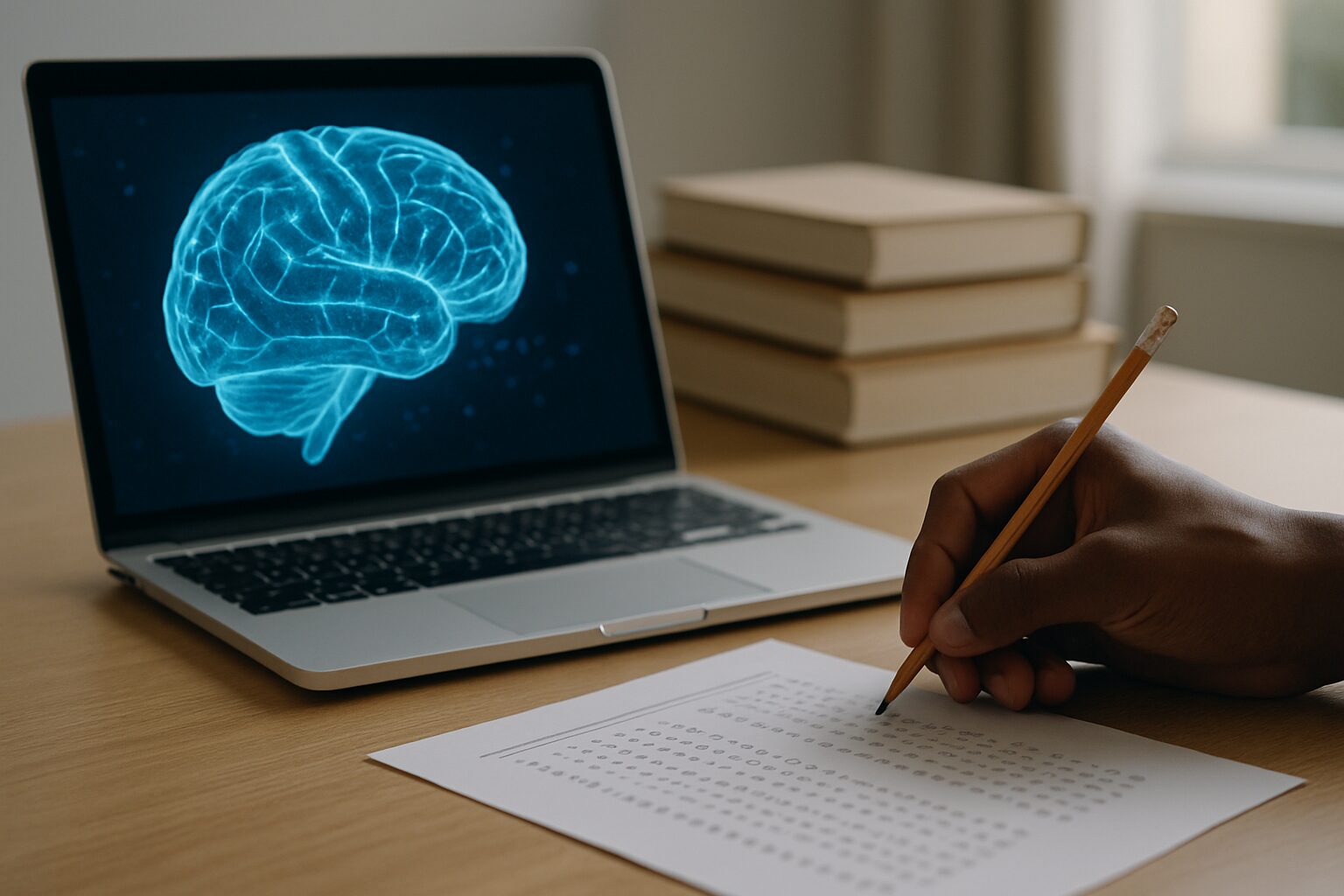
Innovative EdTech: How Algorithms Are Shaping Inclusive Learning
Educational algorithms are increasingly used to personalize learning, assess performance, and allocate resources in digital education platforms. These systems raise important questions about accessibility, as they may unintentionally exclude learners with disabilities or those from marginalized backgrounds. Ensuring equitable access requires examining how these algorithms are designed, trained, and deployed to avoid reinforcing existing disparities in education.
Why It Matters - Real-world impact
Educational algorithms and accessibility trends in AI have profound real-world implications, shaping opportunities for millions of learners worldwide. Students with disabilities, marginalized communities, and those in under-resourced regions are disproportionately affected when these systems perpetuate biases or fail to accommodate diverse needs. Flawed algorithms can reinforce inequities—such as misdirecting students away from advanced coursework based on demographic data—while inaccessible tools may exclude learners with visual, auditory, or cognitive disabilities. For the general public, these issues matter because they determine whether technology democratizes education or deepens existing divides. When AI systems lack ethical oversight, they risk automating discrimination under the guise of objectivity, with long-term consequences for social mobility and workforce readiness. Ultimately, the design of these tools reflects societal values—and demands public scrutiny to ensure they serve all learners equitably.
Ethical Concerns - What’s wrong or risky?
Educational Algorithms and Accessibility Trends: Navigating Ethical Risks
As educational algorithms become more integrated into learning systems, they promise to enhance accessibility and personalize education. However, these advancements come with significant ethical risks that must be addressed to ensure equitable outcomes for all learners.
Fairness in Algorithmic Decision-Making
One primary concern is fairness. Algorithms used to tailor educational content or assess student performance may inadvertently favor certain demographics if trained on biased data. For instance, if historical data reflects existing educational disparities, the algorithm might perpetuate or even exacerbate these gaps, limiting opportunities for underrepresented groups.
Discrimination and Bias
Linked to fairness is the risk of discrimination. Predictive algorithms might reinforce stereotypes, such as assuming students from particular backgrounds are less capable. This could lead to tracking students into less rigorous programs, affecting their long-term educational and career prospects.
Transparency and Accountability
Another critical issue is transparency. Many educational algorithms operate as "black boxes," making it difficult for educators, students, and parents to understand how decisions are made. Lack of transparency can erode trust and make it challenging to identify or correct biases, raising accountability concerns.
Economic and Social Implications
There are also worries about the economic impact of these technologies. Widespread adoption could lead to cost savings for institutions but might divert resources away from human educators, potentially affecting the quality of education and access for low-income students.
Differing Perspectives
Not everyone agrees on the severity of these risks. Some argue that algorithms, if properly designed, can reduce human bias and provide more objective assessments. Others believe that the focus should be on improving data quality and involving diverse stakeholders in algorithm development to mitigate ethical concerns.
Additionally, while not directly linked here, other moral issues such as data privacy, consent, and the potential for job loss among educators due to automation are also relevant. The balance between innovation and ethical responsibility remains a contentious yet vital discussion in the evolution of educational technology.
Solutions - What’s being done or proposed?
Implementing Universal Design for Learning (UDL) Frameworks
Many educators and technologists advocate for integrating Universal Design for Learning (UDL) principles into educational algorithms. UDL emphasizes creating flexible learning environments that accommodate individual learning differences. By designing algorithms that adapt to diverse needsu2014such as providing multiple means of representation, engagement, and expressionu2014developers can ensure AI tools are accessible to students with disabilities, language barriers, or varying learning styles.
Developing Open-Source and Transparent Algorithms
To address biases and improve accessibility, some organizations have pushed for open-source educational algorithms. Transparency in algorithmic design allows stakeholders to audit and modify tools to better serve underrepresented groups. For example, open-source platforms enable educators to customize AI-driven content for students with specific needs, such as screen readers for visually impaired learners or simplified interfaces for neurodiverse students.
Enforcing Legal Standards for Accessibility
Governments and institutions have begun enforcing legal standards, such as the Americans with Disabilities Act (ADA) and Section 508, to mandate accessibility in educational technology. These regulations require AI tools to comply with accessibility guidelines, ensuring features like closed captions, keyboard navigation, and compatibility with assistive technologies. Legal pressure has spurred developers to prioritize inclusivity in algorithmic design.
Promoting Collaborative AI Development with Diverse Stakeholders
Some advocates suggest involving diverse stakeholdersu2014including students, teachers, disability advocates, and ethicistsu2014in the development of educational algorithms. Collaborative approaches ensure that AI tools address real-world accessibility challenges. For instance, partnerships between technologists and special education experts have led to innovations like real-time speech-to-text for deaf or hard-of-hearing students.
Adopting Ethical AI Audits and Impact Assessments
Institutions are increasingly adopting ethical AI audits and impact assessments to evaluate how educational algorithms affect marginalized groups. These assessments identify potential biases or barriers in AI systems, such as unequal performance across demographics. By regularly auditing algorithms, schools and developers can mitigate harm and refine tools to promote equitable access.
Expanding Digital Literacy and Training Programs
To bridge the accessibility gap, some solutions focus on training educators and students to use AI tools effectively. Digital literacy programs teach users how to leverage adaptive technologies, such as AI-powered tutors or language translators, to overcome learning barriers. Empowering users with knowledge ensures that algorithmic tools are utilized to their full potential.
Examples and Real Cases
Proctorio's Algorithmic Bias in Remote Testing (2020)
In 2020, Proctorio's remote proctoring software faced criticism for disproportionately flagging students of color for suspicious behavior. Researchers found the algorithm struggled with darker skin tones, leading to higher false-positive rates for cheating detection.
Duolingo's Adaptive Learning for Dyslexic Students (2022)
Duolingo introduced specialized algorithms in 2022 that adjust pacing and presentation for dyslexic learners. The system modifies font spacing, color contrast, and provides additional audio cues based on individual needs.
Hypothetical: AI-Powered Sign Language Translation in MOOCs
A future MOOC platform could integrate real-time sign language translation algorithms, allowing deaf students to automatically receive lecture content in their native sign language. This would require advanced motion capture and natural language processing working in tandem.
Khan Academy's Personalized Learning Paths (Ongoing)
Khan Academy uses algorithms to create customized learning journeys based on student performance data. The system identifies knowledge gaps and adjusts content difficulty in real-time, benefiting students with learning disabilities through tailored pacing.
Hypothetical: VR Classroom Accessibility for Neurodiverse Students
An emerging educational VR platform might use AI to dynamically adjust sensory inputs (light, sound, visual complexity) based on individual neurodiverse needs. The algorithm would learn each student's optimal learning environment through continuous feedback.
Frequently Asked Questions
What are educational algorithms?
Educational algorithms are step-by-step procedures or formulas designed to enhance learning experiences. They can personalize content, adapt to student needs, and improve accessibility in digital education tools.
Why is accessibility important in education technology?
Accessibility ensures all learners, including those with disabilities, can use educational tools effectively. It promotes inclusivity, removes barriers, and helps create equal learning opportunities for everyone.
How do algorithms make learning more accessible?
Algorithms can adjust text size, provide audio descriptions, suggest alternative content formats, or customize learning paths based on individual needs, making education more adaptable for diverse learners.
What are some current trends in accessible education technology?
Current trends include AI-powered assistive tools, voice-controlled learning systems, real-time captioning, adaptive learning platforms, and universal design principles in educational software development.
How can teachers use educational algorithms to support diverse learners?
Teachers can use algorithms to identify learning gaps, recommend personalized resources, automate accommodations, and track student progress to provide targeted support for different learning styles and needs.