The Hidden Dangers of AI-Driven Safety Systems
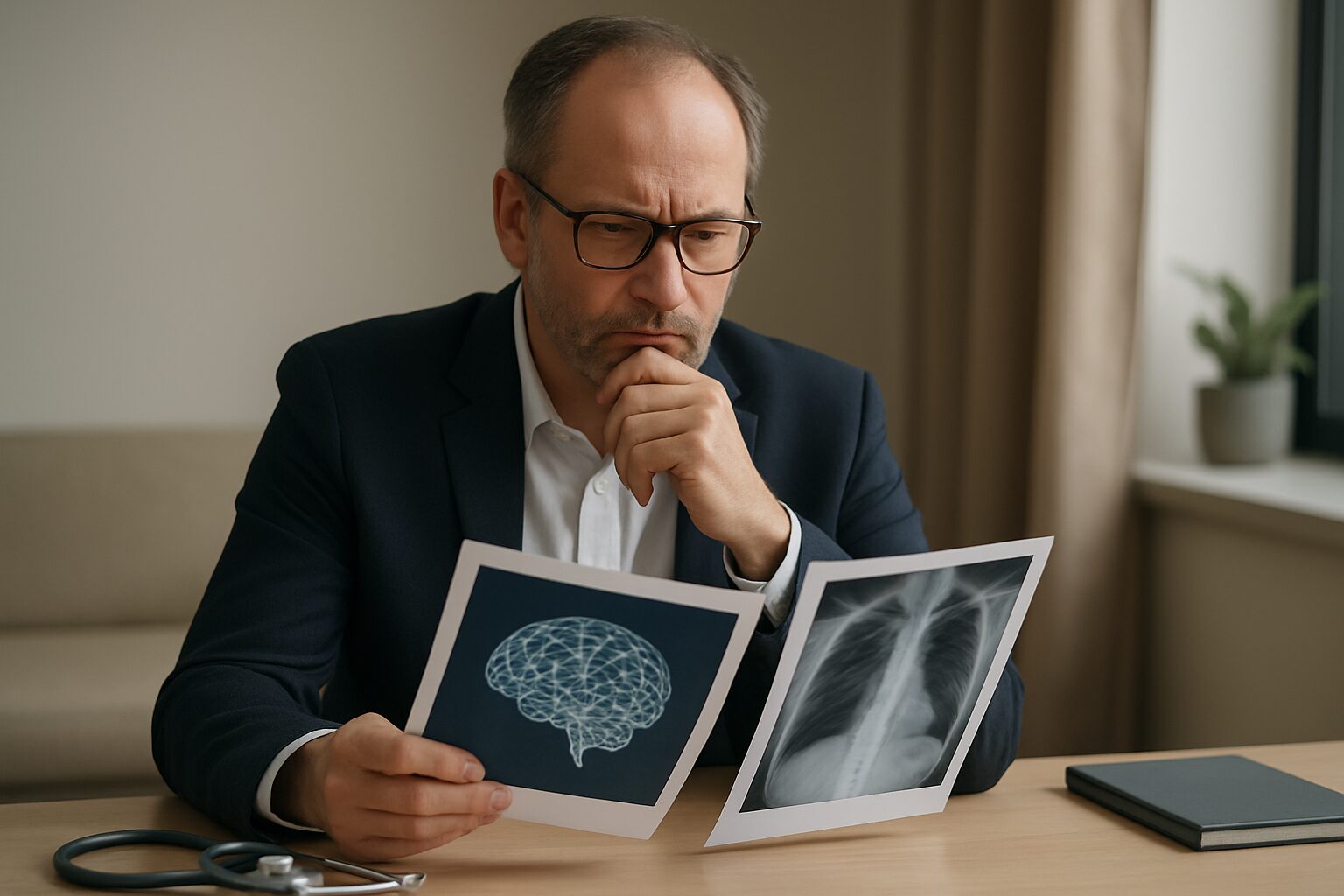
Overreliance on AI for safety decisions occurs when human operators defer critical judgments to automated systems without adequate oversight. This can happen in high-stakes environments like healthcare, transportation, or industrial operations, where AI-driven recommendations influence actions that impact human well-being. The issue raises concerns about accountability, transparency, and the potential for systemic failures if AI systems make errors or operate outside their intended scope.
Why It Matters - Real-world impact
Overreliance on AI for safety-critical decisions poses tangible risks to individuals and society. When autonomous systems control vehicles, medical diagnoses, or criminal sentencing without adequate human oversight, errors or biases in algorithms can lead to fatal accidents, misdiagnoses, or unjust incarcerations. Vulnerable populations—such as marginalized communities disproportionately targeted by predictive policing—are often most affected. Even everyday interactions, like flawed content moderation or deepfake misinformation, erode trust in digital systems. Regular people should care because these failures aren’t abstract; they shape livelihoods, freedoms, and physical safety, often without recourse or transparency.
Ethical Concerns - What’s wrong or risky?
The Ethical Risks of Overreliance on AI for Safety Decisions
As artificial intelligence becomes increasingly integrated into safety-critical systems—from autonomous vehicles to medical diagnostics and industrial monitoring—overreliance on these systems introduces profound ethical risks. While AI can process vast amounts of data and identify patterns beyond human capability, its use in safety decisions raises concerns that demand careful scrutiny.
Fairness and Discrimination
One of the most pressing issues is the potential for AI systems to perpetuate or even exacerbate biases. If training data reflects historical inequalities, the AI may make safety decisions that are unfair to certain groups. For example, in predictive policing or risk assessment tools, marginalized communities might be disproportionately flagged, leading to unjust outcomes. Similarly, discrimination can occur if algorithms are not rigorously audited for equity across demographics, such as in healthcare triage or loan approval systems where safety and risk are factors.
Transparency and Accountability
Many AI models, especially deep learning systems, operate as "black boxes," making it difficult to understand how they arrive at specific safety decisions. This lack of transparency complicates accountability when errors occur. If an autonomous vehicle causes an accident or a medical AI misdiagnoses a condition, determining responsibility—whether it lies with the developers, the users, or the algorithm itself—becomes ethically murky.
Economic and Social Implications
Overdependence on AI for safety-critical roles may also have unintended socioeconomic consequences. For instance, replacing human oversight with automated systems could lead to significant job loss in sectors like transportation, manufacturing, or security, eroding livelihoods and community stability. Additionally, the economic impact might widen inequalities if access to AI-driven safety benefits is unevenly distributed, favoring wealthy corporations or regions while leaving others vulnerable.
Worker Rights and Autonomy
In workplaces where AI oversees safety protocols, there is a risk of diminishing human agency and worker rights. Employees might be forced to comply with AI recommendations without recourse, even when they suspect errors, leading to ethical dilemmas around autonomy and consent. This is especially critical in high-stakes environments like construction, healthcare, or emergency response.
Diverse Perspectives on the Issue
Not all experts agree on the severity of these risks. Proponents argue that AI can enhance safety by reducing human error and responding faster to threats. They emphasize that with proper design, testing, and regulation, many ethical concerns can be mitigated. Critics, however, caution against ceding too much control to systems that lack moral reasoning or contextual understanding, advocating for a human-in-the-loop approach to preserve ethical oversight.
Solutions - What’s being done or proposed?
Implementing Human-in-the-Loop Systems
One proposed solution is to ensure that AI systems used for safety-critical decisions always include a human-in-the-loop component. This means that while AI can assist in analyzing data or suggesting actions, the final decision must be made or approved by a human. This approach aims to balance the efficiency of AI with human judgment, reducing the risk of overreliance on potentially flawed or biased algorithms.
Developing Robust AI Auditing Frameworks
To address overreliance, experts have suggested creating comprehensive auditing frameworks for AI systems used in safety decisions. These frameworks would involve regular, independent evaluations of AI performance, transparency in decision-making processes, and accountability mechanisms. Audits could help identify biases, errors, or unintended consequences before they lead to harm, ensuring that AI systems remain reliable and trustworthy.
Enhancing AI Explainability and Transparency
Improving the explainability of AI systems is another key solution. By making AI decision-making processes more transparent and understandable to users, stakeholders can better assess when to trust AI recommendations and when to question them. Techniques like interpretable machine learning models or clear documentation of AI logic can help users avoid blind reliance on opaque systems.
Legal and Regulatory Oversight
Governments and regulatory bodies have begun proposing laws to limit overreliance on AI in safety-critical domains. These regulations might include mandatory risk assessments, certification requirements for AI systems, or liability rules that hold organizations accountable for AI-driven decisions. Such measures aim to create legal incentives for responsible AI use without stifling innovation.
Education and Training Programs
Educational initiatives targeting both AI developers and end-users have been suggested as a way to combat overreliance. For developers, this includes ethics training to emphasize the limitations of AI. For users, it involves teaching critical thinking skills to evaluate AI recommendations appropriately. By improving AI literacy across the board, stakeholders can make more informed decisions about when and how to use AI.
Diversifying AI Development Teams
Some advocate for increasing diversity in AI development teams as a way to reduce overreliance risks. Diverse teams are more likely to identify potential biases, edge cases, or unintended consequences that homogeneous groups might overlook. This approach aims to create AI systems that are more robust and less prone to errors that could lead to dangerous overreliance.
Creating Fail-Safe Mechanisms
Technical solutions include building fail-safe mechanisms into AI systems used for safety decisions. These could involve automatic shutdown protocols if the system detects anomalies, or the ability to revert to human control in uncertain situations. Such mechanisms provide a safety net when AI systems encounter scenarios beyond their training or capabilities.
Examples and Real Cases
Boeing 737 MAX Crashes (2018-2019)
The Boeing 737 MAX crashes in 2018 and 2019, which killed 346 people, were partly attributed to overreliance on the Maneuvering Characteristics Augmentation System (MCAS), an AI-based flight control system. Boeing assumed the system would compensate for design flaws without adequate pilot training or fail-safes.
Tesla Autopilot Fatalities (2016-Present)
Multiple fatal crashes involving Tesla's Autopilot system, such as the 2016 incident involving Joshua Brown, occurred due to drivers overtrusting the AI's capabilities. Investigations revealed that the system failed to detect obstacles or required human intervention in critical moments.
Uber Self-Driving Fatality (2018)
In 2018, an Uber self-driving car struck and killed Elaine Herzberg in Arizona. The AI failed to recognize her as a pedestrian, and the human safety driver was distracted, highlighting risks when AI and humans share responsibility.
Hypothetical: AI-Powered Medical Triage Failure
A hospital relies solely on an AI system to prioritize emergency room patients, leading to a critical delay for a heart attack victim misclassified as low-risk. The lack of human oversight results in preventable harm due to algorithmic bias or data gaps.
Hypothetical: Autonomous Weapons Misfire
An AI-driven defense system autonomously engages a target based on flawed facial recognition, causing civilian casualties. The military's overconfidence in the system's accuracy leads to reduced human verification protocols.
Frequently Asked Questions
What does overreliance on AI for safety decisions mean?
Overreliance on AI for safety decisions means depending too much on artificial intelligence systems to make critical safety or risk-related choices without proper human oversight or validation. This can lead to blind trust in AI, even when it may be flawed or incomplete.
Why is overreliance on AI for safety decisions a problem?
It's a problem because AI systems can make mistakes, lack human intuition, or be biased by flawed data. If organizations rely solely on AI for safety-critical decisions (like medical diagnoses or autonomous driving), errors could lead to accidents, injuries, or even fatalities.
What are some real-world examples of overreliance on AI in safety?
Examples include self-driving cars misjudging road conditions, AI medical tools misdiagnosing patients, or industrial safety systems failing to detect hazards due to sensor errors. These show why human oversight is still essential.
How can we prevent overreliance on AI in safety-critical areas?
By using AI as a support tool rather than a replacement, ensuring human experts review decisions, testing AI systems thoroughly, and maintaining fail-safes or manual overrides in high-risk situations.
What industries are most at risk from overreliance on AI for safety?
Industries like healthcare, transportation (aviation, self-driving cars), manufacturing, and cybersecurity face high risks because AI errors in these fields can directly harm people or infrastructure.