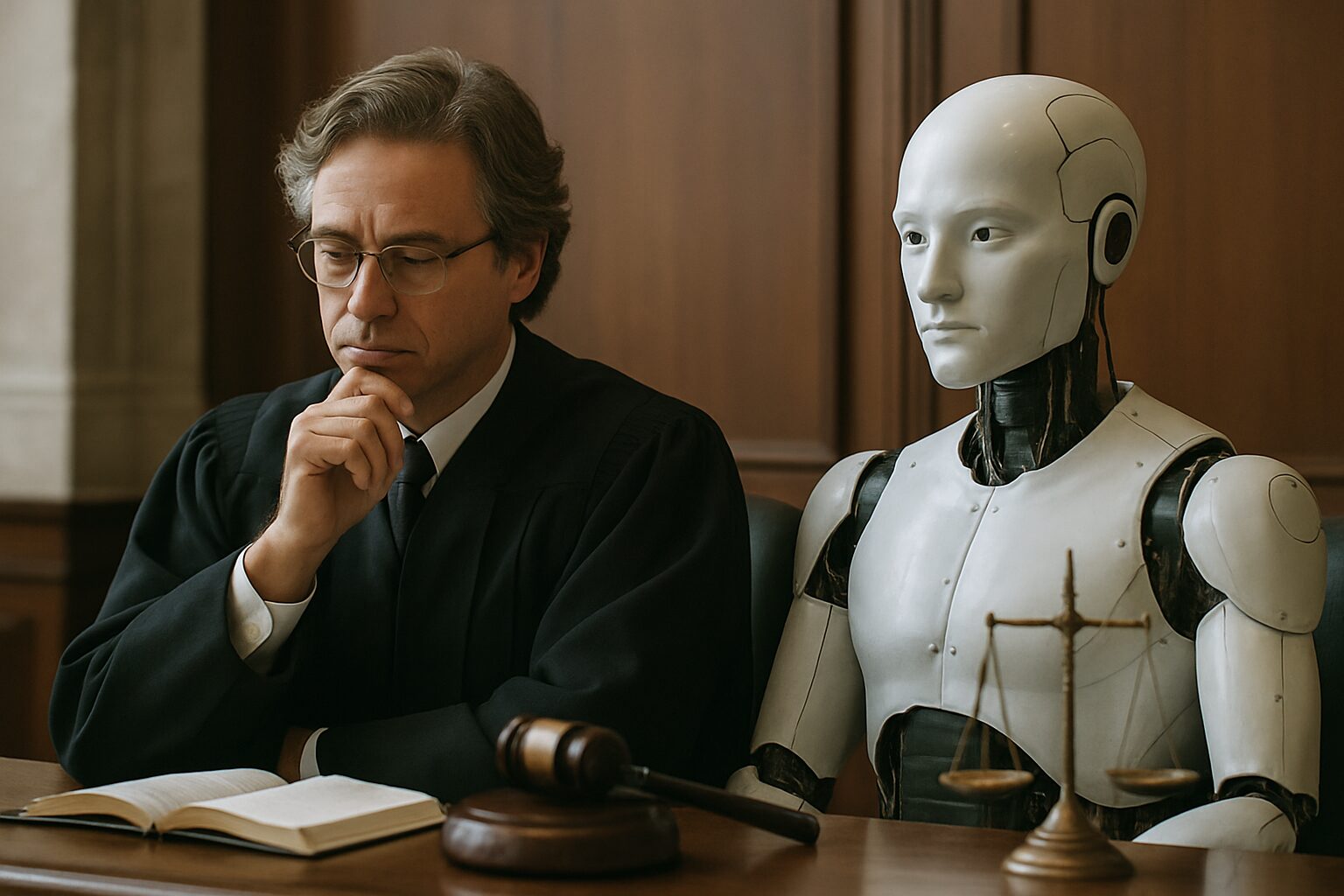
Who Takes the Blame When AI Fails? The Accountability Debate
As artificial intelligence systems take on more complex and autonomous roles, questions arise about accountability when their actions lead to harm or unintended consequences. Unlike humans, AI lacks consciousness or intent, making it difficult to assign moral or legal responsibility. The challenge lies in determining who—or what—should be held accountable when AI-driven decisions result in ethical or practical failures. This issue sits at the intersection of technology, law, and philosophy.
Why It Matters - Real-world impact
The question of AI accountability has profound real-world implications affecting individuals, businesses, and society at large. When AI systems make biased hiring decisions, misdiagnose medical conditions, or cause autonomous vehicle accidents, real people suffer tangible harm—often with no clear path to recourse. Businesses face legal and reputational risks if their AI tools violate privacy laws or perpetuate discrimination, while governments grapple with regulatory gaps in holding developers or deployers responsible. Regular people should care because AI increasingly mediates access to jobs, healthcare, loans, and even criminal justice—areas where errors or biases can alter lives. Without proper accountability mechanisms, these technologies risk eroding trust and exacerbating societal inequities under a veil of algorithmic opacity.
Ethical Concerns - What’s wrong or risky?
Can AI Be Held Accountable? The Ethical Risks Explained
As artificial intelligence systems become more autonomous, questions of accountability grow increasingly urgent. Who is responsible when an AI causes harm or makes an unethical decision? The ethical risks span several critical areas.
Fairness and Discrimination
AI systems can perpetuate or even amplify societal biases, leading to unfair outcomes in areas like hiring, lending, and law enforcement. For example, algorithms trained on biased data may discriminate against certain demographic groups. Ensuring fairness requires careful design, testing, and ongoing monitoring.
Transparency and Explainability
Many AI models, especially deep learning systems, operate as "black boxes," making it difficult to understand how they reach specific decisions. This lack of transparency complicates accountability, as it becomes challenging to identify errors, biases, or malicious use.
Economic and Labor Concerns
The automation capabilities of AI pose significant risks to employment, potentially leading to widespread job loss in certain sectors. This economic disruption raises questions about responsibility for retraining and supporting affected workers. Additionally, the use of AI in workplaces must respect worker rights, including privacy, dignity, and fair treatment.
Broader economic impact concerns include wealth concentration and market manipulation, which could arise if AI systems are deployed without adequate oversight.
Differing Perspectives on Accountability
Not all experts agree on where accountability should lie. Some argue that developers and companies should bear full responsibility for the AI systems they create. Others believe that as AI gains autonomy, it may someday warrant a form of legal personhood. There are also viewpoints that emphasize shared responsibility among developers, users, and regulators.
Additional ethical concerns, such as privacy invasion, safety risks, and environmental impact, further complicate the accountability landscape. Each of these issues underscores the need for robust ethical frameworks and regulatory measures.
Solutions - What’s being done or proposed?
Legal Frameworks and Regulations
Governments and international bodies have proposed legal frameworks to hold AI systems and their developers accountable. Examples include the EU's AI Act, which categorizes AI systems by risk and imposes strict requirements for high-risk applications. These laws aim to ensure transparency, data governance, and human oversight, with penalties for non-compliance. However, enforcement remains challenging due to the rapid evolution of AI technologies.
Algorithmic Transparency and Explainability
Technical solutions like explainable AI (XAI) aim to make AI decision-making processes understandable to humans. Methods such as LIME (Local Interpretable Model-agnostic Explanations) and SHAP (SHapley Additive exPlanations) help break down complex models into interpretable components. While these tools improve accountability, they may not fully capture the nuances of highly sophisticated AI systems, leaving gaps in responsibility.
Ethics Committees and Review Boards
Institutions, including corporations and research labs, have established ethics committees to oversee AI development and deployment. These boards assess potential harms, biases, and ethical implications before AI systems are released. While they provide a structured approach to accountability, their effectiveness depends on the independence and authority of the committee members, which can vary widely.
Liability Insurance for AI Systems
Some have suggested adopting liability insurance models for AI developers and deployers, similar to malpractice insurance in medicine. This would financially incentivize responsible AI practices and provide compensation for victims of AI-related harms. However, determining fault in AI incidents can be complex, and insurers may struggle to accurately assess risks for emerging technologies.
Public Oversight and Whistleblower Protections
Encouraging public oversight through whistleblower protections and independent audits has been proposed to increase accountability. Safeguards for employees who report unethical AI practices can help uncover misuse before widespread harm occurs. Yet, whistleblowers often face retaliation, and audits may lack standardized methodologies, limiting their impact.
Certification and Standardization
Certification programs, like those for cybersecurity or data privacy, could ensure AI systems meet predefined ethical and safety standards. Organizations like IEEE and ISO are developing guidelines, but widespread adoption is slow. Without universal standards, certifications may become fragmented, reducing their effectiveness in holding AI accountable across borders.
Examples and Real Cases
Tesla Autopilot Fatal Crash (2016)
In May 2016, Joshua Brown died when his Tesla Model S, operating on Autopilot, collided with a tractor-trailer. The NHTSA investigation found Tesla's system lacked safeguards to prevent misuse, raising questions about accountability between the driver and AI.
Microsoft's Tay Chatbot (2016)
Microsoft's AI chatbot Tay was launched on Twitter in March 2016 but was quickly shut down after users manipulated it into posting offensive tweets. This highlighted gaps in accountability for AI behavior when influenced by external actors.
COMPAS Recidivism Algorithm Bias (2016)
ProPublica's 2016 investigation revealed racial bias in Northpointe's COMPAS algorithm used for sentencing recommendations. Judges relied on its risk assessments, but no clear accountability existed for its flawed outputs affecting defendants' lives.
Uber's Self-Driving Pedestrian Fatality (2018)
In March 2018, Elaine Herzberg was killed by an Uber autonomous vehicle in Arizona. The NTSB found Uber disabled the car's emergency braking system, shifting blame between the AI, safety drivers, and corporate decisions.
Hypothetical: AI Hiring Tool Discrimination
A hypothetical AI resume-screening tool could disproportionately reject female applicants if trained on historical biased hiring data. Without transparency requirements, companies might avoid accountability by claiming the 'black box' algorithm made autonomous decisions.
Frequently Asked Questions
What does it mean for AI to be held accountable?
Holding AI accountable means ensuring that there are systems in place to determine responsibility when AI makes decisions or takes actions, especially if those actions cause harm. It involves identifying who (or what) is responsibleu2014whether it's the developers, users, or the AI itselfu2014and how to address any negative outcomes.
Why is accountability important in AI?
Accountability is important in AI because as AI systems become more autonomous, their decisions can have real-world consequences. Without clear accountability, itu2019s hard to fix errors, prevent harm, or ensure fairness. It also builds trust in AI technologies by making sure someone is responsible for their outcomes.
Can AI itself be responsible for its actions?
Currently, AI cannot be held legally or morally responsible because it lacks consciousness and intent. Responsibility usually falls on the humans who design, deploy, or use the AI. However, debates continue about whether advanced future AI might need different accountability frameworks.
How does AI accountability apply in everyday life?
AI accountability applies in areas like self-driving cars (who is responsible in an accident?), healthcare (who is liable if an AI misdiagnoses a patient?), and hiring algorithms (who answers for bias?). Clear accountability ensures fairness, safety, and trust in these everyday AI applications.
What can we learn from discussions about AI accountability?
Discussions about AI accountability teach us the importance of transparency, ethical design, and legal frameworks in AI development. They highlight the need for humans to remain in control of AI systems and to plan for unintended consequences, ensuring technology benefits society responsibly.