AI Blunders: Who Takes the Fall? Unpacking Accountability in Artificial Intelligence
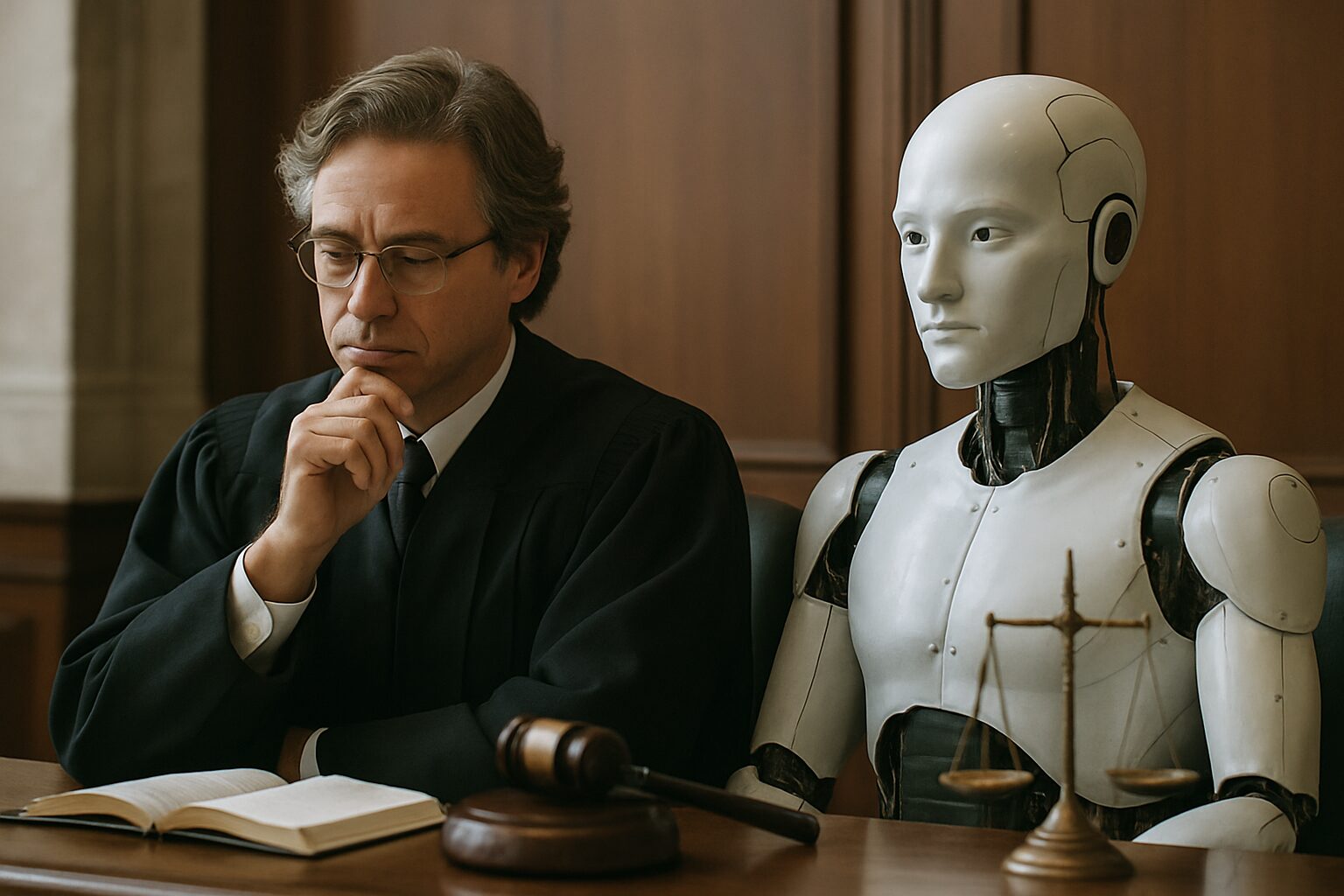
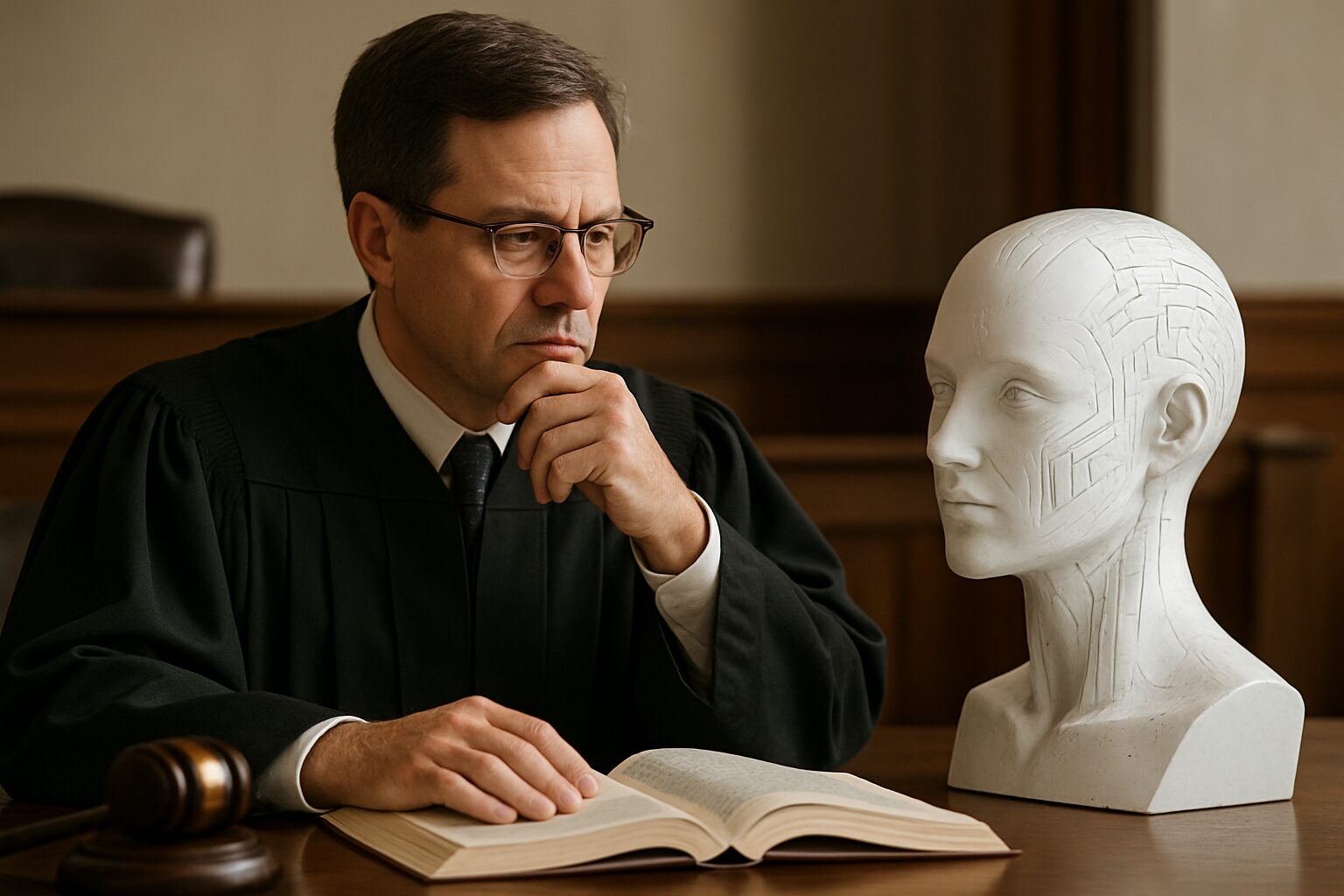
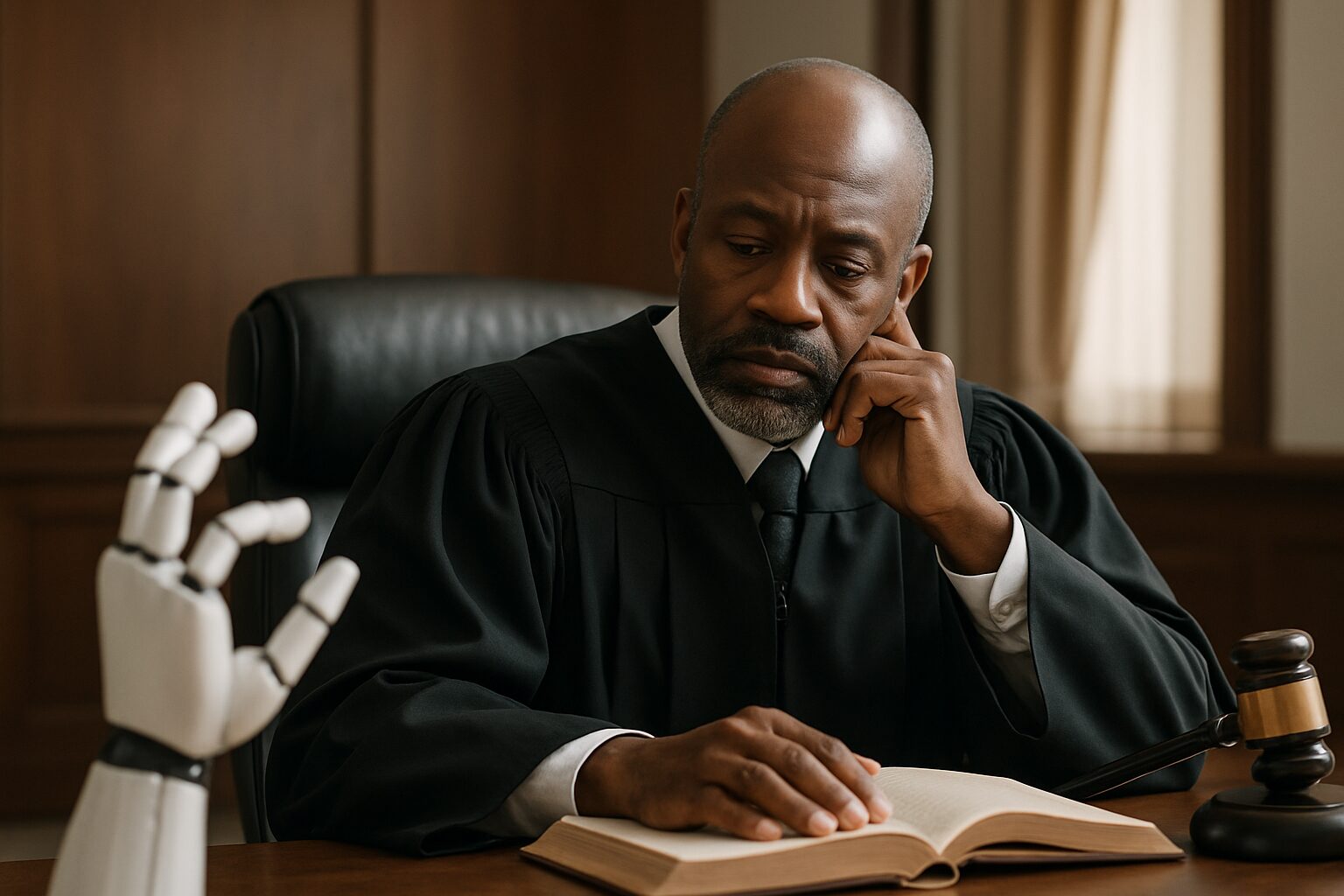
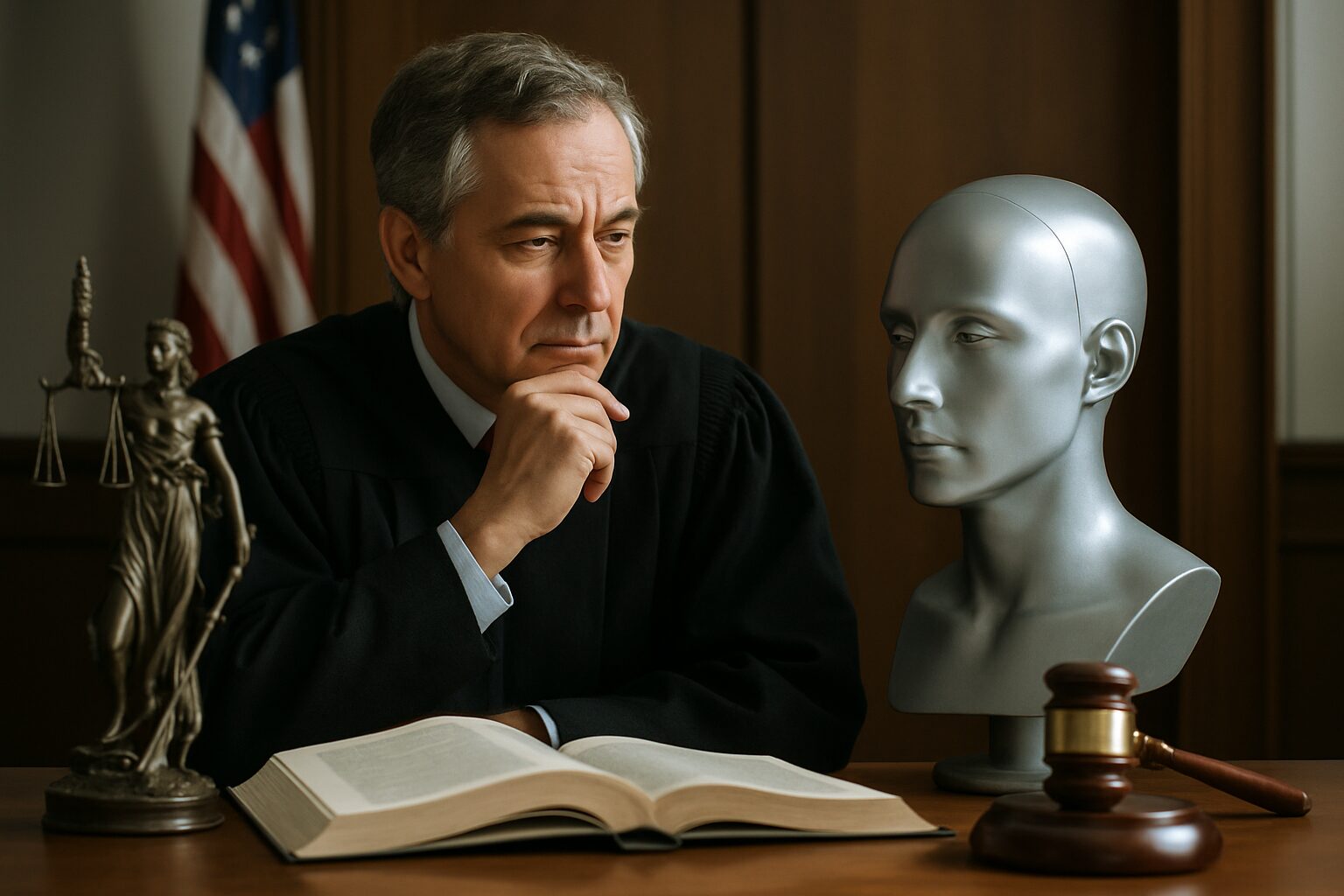
As artificial intelligence systems become more autonomous, determining responsibility for their mistakes raises complex ethical questions. When an AI causes harm or makes an error, accountability can be unclear—whether it lies with developers, users, organizations deploying the technology, or the AI itself. This issue sits at the intersection of technical design, legal frameworks, and moral responsibility.
Why It Matters - Real-world impact
The question of responsibility for AI mistakes has profound real-world implications, affecting individuals, businesses, and society at large. When AI systems err—whether in healthcare diagnostics, financial decisions, or autonomous vehicles—the consequences can range from minor inconveniences to life-altering harm. Vulnerable populations, such as marginalized communities or those reliant on AI-driven services, are disproportionately impacted by biased or flawed algorithms. Regular people should care because these systems increasingly govern access to jobs, loans, and even justice, often without transparency or accountability. Without clear responsibility frameworks, victims of AI errors may face insurmountable challenges in seeking redress, eroding trust in technology and institutions.
Ethical Concerns - What’s wrong or risky?
Who Bears Responsibility for AI Mistakes?
As artificial intelligence systems become more autonomous, determining accountability for their errors grows increasingly complex. AI mistakes can stem from flawed data, biased algorithms, poor design, or misuse, raising profound ethical questions about where responsibility truly lies.
Key Ethical Risks
One major concern is discrimination, where AI systems perpetuate or amplify societal biases, leading to unfair treatment of certain groups. This ties closely to issues of fairness, as algorithms may produce outcomes that are mathematically correct but ethically unjust.
Lack of transparency in how AI models reach decisions complicates accountability, making it difficult to identify or correct errors. Additionally, the economic impact of AI errors—such as financial losses or market disruptions—can have widespread consequences, while concerns about job loss due to automation errors or inefficiencies highlight socioeconomic risks.
Another critical area is worker rights, as AI mistakes in workplace monitoring or task allocation can undermine labor protections and dignity. Broader moral concerns, such as privacy violations, safety risks in autonomous systems, and erosion of human agency, also demand attention.
Differing Perspectives on Responsibility
Some argue that developers and companies should bear primary responsibility for AI mistakes, as they design, train, and deploy these systems. Others believe users or organizations implementing AI share accountability for how they use the technology. There is also debate about whether regulatory bodies or governments should be held responsible for insufficient oversight. A growing viewpoint advocates for a distributed responsibility model, where accountability is shared across developers, deployers, regulators, and even society at large.
These disagreements reflect deeper tensions between innovation and ethical safeguards, as well as varying cultural and legal interpretations of blame and liability in the age of autonomous systems.
Solutions - What’s being done or proposed?
Implementing Clear Legal Frameworks
Governments and regulatory bodies have proposed establishing clear legal frameworks to assign liability for AI mistakes. These frameworks often categorize AI systems based on risk levels, with stricter accountability measures for high-risk applications like healthcare or autonomous vehicles. Laws such as the EU's AI Act aim to define responsibilities for developers, deployers, and users, ensuring that accountability is traceable and enforceable.
Developing Explainable AI (XAI)
Technical solutions like Explainable AI (XAI) aim to make AI decision-making processes transparent and interpretable. By designing models that provide clear reasoning for their outputs, developers can help users and regulators understand how mistakes occur. This transparency facilitates accountability and allows for targeted improvements, reducing the likelihood of repeated errors.
Creating Ethical Review Boards
Institutions have begun forming ethical review boards to oversee AI development and deployment. These boards, often composed of multidisciplinary experts, assess potential risks and ethical implications before AI systems are implemented. They also monitor ongoing operations to ensure compliance with ethical standards, providing a layer of institutional accountability.
Adopting Insurance Models for AI Liability
Some organizations have suggested adopting insurance models similar to those used in other high-risk industries. AI liability insurance would distribute financial risks among developers, companies, and insurers, ensuring that victims of AI mistakes are compensated. This approach encourages responsible development while mitigating the financial burden on individual stakeholders.
Promoting Industry-Wide Standards and Certification
Industry groups and consortia have advocated for standardized testing and certification processes for AI systems. By adhering to agreed-upon benchmarks, developers can demonstrate that their systems meet safety and reliability criteria. Certification programs help build trust and provide a basis for holding parties accountable when standards are not met.
Encouraging Whistleblower Protections
Social solutions include strengthening protections for whistleblowers who report unethical or unsafe AI practices. Legal safeguards and anonymous reporting channels can empower employees and users to expose risks without fear of retaliation. This fosters a culture of accountability and early error detection within organizations.
Establishing Public Oversight and Auditing
Public oversight mechanisms, such as mandatory audits by independent bodies, have been proposed to ensure AI systems operate as intended. Regular audits can identify biases, errors, or unintended consequences, allowing for corrective actions. Transparency in audit results also builds public trust and holds developers accountable to broader societal standards.
Examples and Real Cases
Microsoft's Tay Chatbot (2016)
In March 2016, Microsoft launched Tay, an AI chatbot on Twitter, which quickly began posting offensive and racist tweets after interacting with users. Microsoft took responsibility and shut down Tay within 24 hours, highlighting the challenge of ensuring AI systems behave ethically in open environments.
Uber's Self-Driving Car Fatality (2018)
In March 2018, an Uber self-driving car struck and killed Elaine Herzberg in Tempe, Arizona. Investigations revealed lapses in safety protocols, and Uber settled with Herzberg's family, raising questions about corporate accountability in autonomous vehicle accidents.
Amazon's Biased Hiring Algorithm (2018)
In 2018, Reuters reported that Amazon scrapped an AI recruiting tool after discovering it discriminated against women. The system, trained on resumes submitted over a 10-year period, penalized applications containing words like 'womenu2019s,' reflecting biases in historical hiring data.
Clearview AI's Privacy Controversy (2020)
In 2020, Clearview AI faced lawsuits and bans in multiple countries for scraping billions of photos from social media without consent to build a facial recognition database. The case underscored the ethical and legal gray areas of AI data collection practices.
Hypothetical: AI-Powered Medical Misdiagnosis
In a hypothetical scenario, a hospital's AI diagnostic tool incorrectly labels a benign tumor as malignant, leading to unnecessary surgery. The hospital, AI developer, and medical staff debate responsibility, illustrating the complexity of accountability in AI-assisted healthcare decisions.
Frequently Asked Questions
What does 'responsibility for AI mistakes' mean?
It refers to determining who is accountable when an artificial intelligence system makes an error or causes harm, whether it's the developers, users, companies deploying it, or the AI itself.
Why is determining responsibility for AI mistakes important?
It's crucial for legal, ethical, and safety reasons - to ensure accountability, provide compensation for harms, and improve AI systems to prevent future mistakes.
Can an AI system be held legally responsible for its mistakes?
Currently no - AI systems aren't legal persons. Responsibility typically falls on the humans or organizations that created, deployed, or used the AI system.
How do companies handle responsibility for AI errors today?
Most companies take responsibility through terms of service, warranties, or insurance, while also working to improve their AI systems through testing and oversight.
What can we learn from cases where AI caused harm?
These cases teach us about the importance of proper AI testing, clear responsibility frameworks, ethical guidelines, and the need for ongoing human oversight of AI systems.