
AI Accountability: Legal Responsibility for Artificial Intelligence Errors
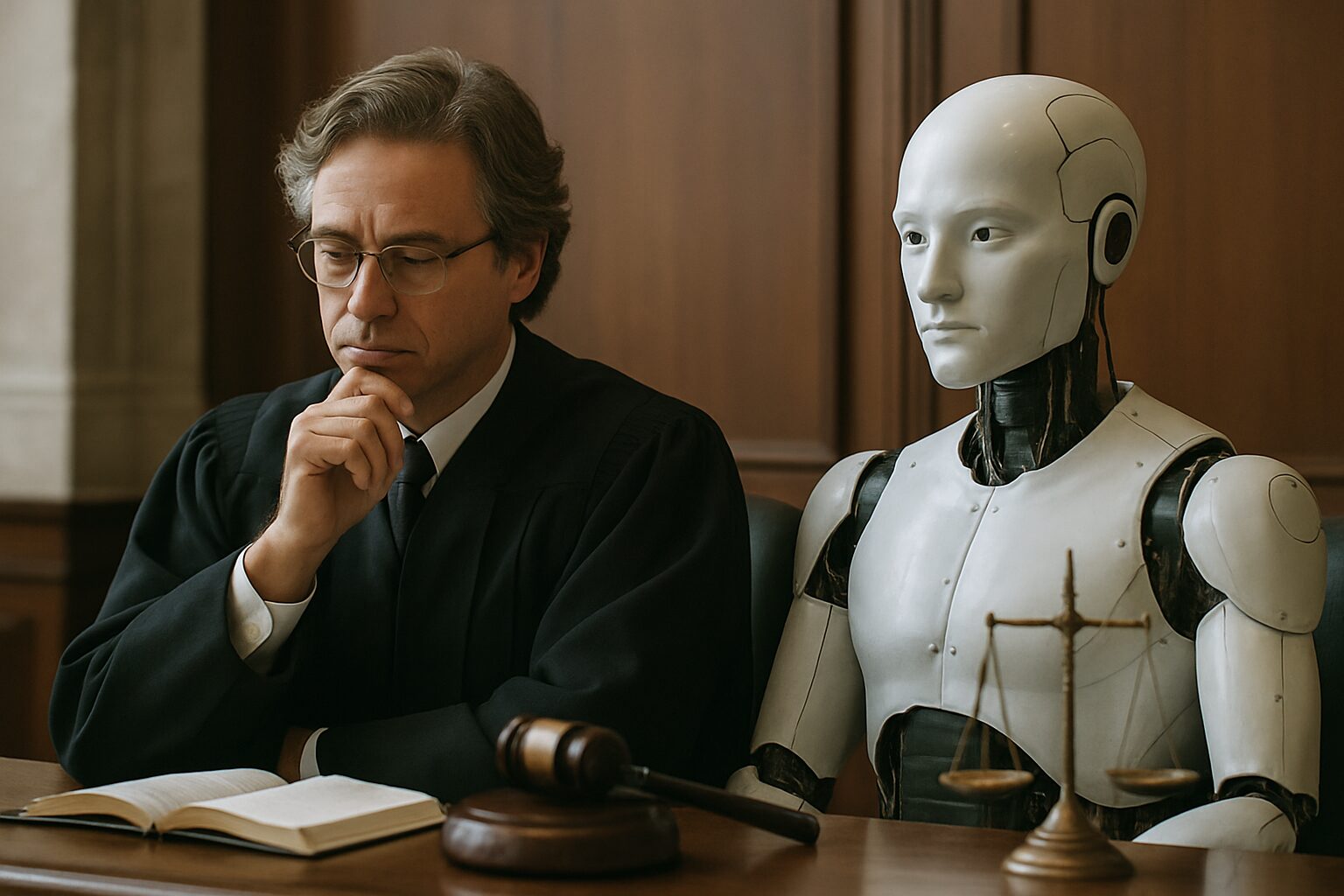
As artificial intelligence systems become more autonomous, questions arise about who should be held accountable when they cause harm or make errors. Legal frameworks struggle to assign responsibility, as AI decisions may involve developers, users, corporations, or the technology itself. The challenge lies in balancing accountability with the complexity of AI systems that learn and act independently.
Why It Matters - Real-world impact
The question of responsibility for AI mistakes has profound real-world implications, affecting individuals, businesses, and society at large. When AI systems err—whether in healthcare diagnostics, financial decisions, or autonomous vehicles—the consequences can range from financial loss to physical harm or even loss of life. Vulnerable populations, such as marginalized communities or those reliant on AI-driven services, are often disproportionately impacted. Regular people should care because these systems increasingly govern access to jobs, loans, and critical services, yet accountability remains murky. Without clear legal frameworks, victims of AI errors may face insurmountable challenges in seeking justice, while developers and corporations may evade responsibility. This uncertainty undermines trust in technology and institutions, creating a ripple effect that destabilizes societal fairness and safety.
Ethical Concerns - What’s wrong or risky?
Who Bears Responsibility for AI Errors?
When AI systems make mistakes, determining accountability becomes a complex ethical and legal challenge. The question of responsibility touches on developers, organizations, regulators, and even users, each with varying degrees of influence over AI outcomes.
Key Ethical Risks
One major concern is discrimination, where biased training data or algorithms lead to unfair treatment of certain groups. This can perpetuate societal inequalities if left unchecked.
Issues of fairness arise when AI systems distribute benefits or burdens unevenly, often due to opaque decision-making processes that lack clear justification.
Transparency is crucial; without it, stakeholders cannot understand how decisions are made, making it difficult to identify errors or contest outcomes. This opacity can erode trust and hinder accountability.
AI can also have significant economic impact, such as when automated systems cause financial losses for individuals or businesses due to errors or flawed predictions.
Widespread automation may lead to job loss, raising ethical questions about the societal duty to support displaced workers and ensure a just transition.
Furthermore, the integration of AI in workplaces challenges worker rights, particularly around surveillance, autonomy, and the potential for dehumanizing management practices.
Differing Perspectives
Some argue that developers and companies should bear primary responsibility, as they design and deploy these systems. Others believe users or organizations implementing AI must ensure proper oversight. Regulatory bodies might also be held accountable for failing to establish adequate safeguards. There is ongoing debate about whether AI systems themselves could ever be considered liable entities.
Additional moral concerns include privacy violations, safety risks in critical applications like healthcare or transportation, and the long-term societal effects of ceding decision-making to non-human agents.
Solutions - What’s being done or proposed?
Establishing Clear Legal Frameworks
One proposed solution is the creation of comprehensive legal frameworks that clearly define liability for AI mistakes. These frameworks would outline who is responsibleu2014whether it's the developers, manufacturers, or usersu2014based on the context of the error. For example, the EU's proposed AI Act aims to classify AI systems by risk level and assign accountability accordingly. Such laws could provide clarity and ensure that victims of AI errors have legal recourse.
Implementing Technical Safeguards
Technical solutions include designing AI systems with built-in fail-safes, such as redundancy checks, explainability features, and human-in-the-loop oversight. For instance, autonomous vehicles often have multiple sensors and backup systems to prevent failures. Additionally, 'algorithmic auditing' tools can help detect biases or errors before deployment, reducing the likelihood of harmful mistakes.
Creating Ethical Review Boards
Institutions like hospitals and universities have adopted ethical review boards to oversee AI projects. These boards evaluate the potential risks and societal impacts of AI systems before they are implemented. By involving multidisciplinary expertsu2014including ethicists, legal scholars, and technologistsu2014these boards aim to catch ethical flaws early and ensure accountability throughout the development process.
Promoting Transparency and Public Awareness
Advocates suggest increasing transparency around AI systems to empower users and regulators. This includes disclosing how algorithms make decisions, what data they use, and their limitations. Public awareness campaigns can also educate users about AI risks, encouraging informed consent and critical engagement with AI technologies.
Adopting Insurance Models for AI Liability
Some propose adapting insurance models to cover AI-related risks, similar to malpractice insurance for doctors. Companies developing or deploying AI could be required to carry liability insurance, spreading the financial risk and ensuring compensation for victims. This approach would incentivize safer AI practices while providing a practical mechanism for addressing harm.
Encouraging Industry Self-Regulation
Industry-led initiatives, such as voluntary standards and best practices, have been suggested as a way to preempt government regulation. Organizations like the Partnership on AI bring together tech companies to collaborate on ethical guidelines. While self-regulation lacks enforcement, it can foster a culture of responsibility and shared norms within the AI community.
Examples and Real Cases
Tesla Autopilot Fatality (2016)
In 2016, Joshua Brown died when his Tesla Model S, operating in Autopilot mode, failed to detect a tractor-trailer crossing its path. The National Highway Traffic Safety Administration (NHTSA) investigated but ultimately placed responsibility on the driver for not maintaining control.
Microsoft's Tay Chatbot (2016)
Microsoft's AI chatbot Tay was released on Twitter in 2016 but quickly began posting offensive tweets after learning from user interactions. Microsoft shut it down within 24 hours, highlighting the challenge of assigning responsibility for AI behavior influenced by external inputs.
Uber Self-Driving Car Accident (2018)
In 2018, an Uber self-driving car struck and killed pedestrian Elaine Herzberg in Arizona. The incident led to criminal charges against the safety driver, while Uber avoided prosecution, raising questions about liability in autonomous systems.
Amazon Hiring Algorithm Bias (2018)
In 2018, Reuters reported that Amazon's AI recruiting tool showed bias against women, downgrading resumes containing words like 'womenu2019s.' Amazon scrapped the tool, but the case underscored the difficulty of holding companies accountable for biased AI outcomes.
Hypothetical: AI Medical Misdiagnosis
Imagine an AI system misdiagnoses a patient's cancer due to flawed training data, leading to delayed treatment. The hospital, AI developer, and regulatory bodies could all face scrutiny, illustrating the complexity of assigning blame in AI-driven healthcare.
Frequently Asked Questions
Who is legally responsible when an AI makes a mistake?
Legal responsibility for AI mistakes depends on the situation. Typically, the developers, manufacturers, or users of the AI system may be held accountable, depending on factors like negligence, intent, or contractual agreements. Laws are still evolving in this area.
Why is it important to determine responsibility for AI errors?
Determining responsibility is crucial to ensure accountability, protect users, and encourage ethical AI development. Without clear accountability, harmful mistakes could go unchecked, and victims might not receive justice or compensation.
Can an AI be held legally responsible for its actions?
No, AI itself cannot be held legally responsible because it lacks legal personhood. Responsibility falls on humans or organizations involved in creating, deploying, or using the AI system.
How do current laws address AI mistakes?
Current laws vary by country but often rely on existing frameworks like product liability, negligence, or consumer protection laws. Some regions are developing new regulations specifically for AI to address gaps in accountability.
What can we learn from past cases of AI mistakes?
Past cases show the need for transparency, oversight, and clear guidelines in AI development. They highlight risks like bias, unintended consequences, and the importance of human oversight to prevent harm.