Unmasking Algorithmic Justice: The Future of AI Governance
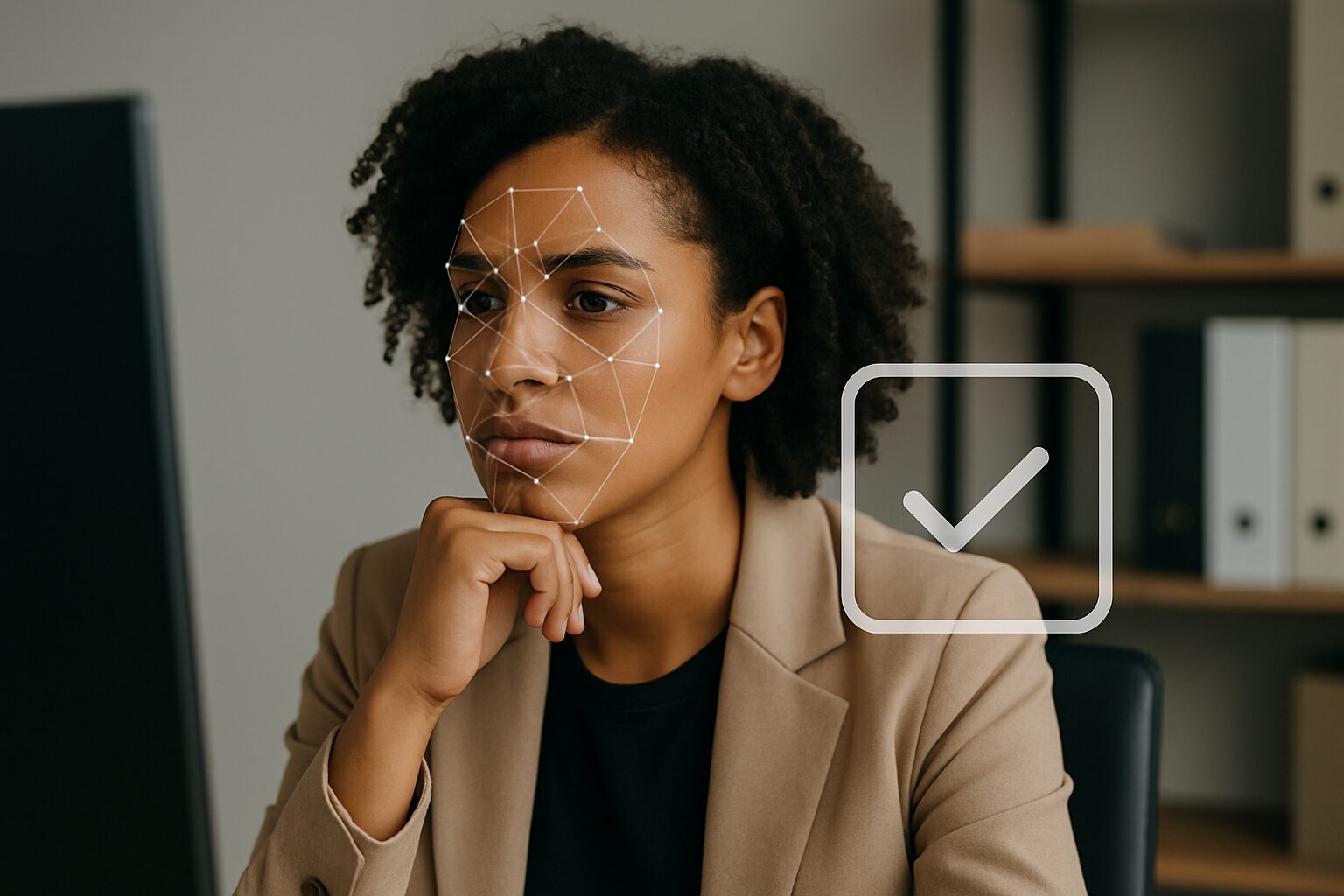
Facial recognition systems analyze images or videos to identify individuals, but these technologies can exhibit bias, leading to unequal accuracy across different demographic groups. Bias often arises from unrepresentative training data or flawed algorithmic design, resulting in higher error rates for certain populations. Regulatory efforts aim to address these disparities by establishing standards for fairness, transparency, and accountability in the development and deployment of such systems.
Why It Matters - Real-world impact
Facial recognition systems are increasingly used in critical areas like law enforcement, hiring, and banking, making their biases a pressing societal issue. When these systems misidentify people of color, women, or other marginalized groups at higher rates, it can lead to wrongful arrests, denied opportunities, or exclusion from services. Communities already facing systemic discrimination bear the brunt of these harms, perpetuating cycles of inequality. For regular people, this isn't just a technical flaw—it's a matter of being unfairly targeted or denied fundamental rights based on flawed technology. Without proper regulation, these tools risk automating and scaling injustice under the guise of objectivity.
Ethical Concerns - What’s wrong or risky?
Understanding Bias in Facial Recognition Systems
Facial recognition technology has advanced rapidly, but its deployment raises significant ethical risks. One primary concern is fairness, as these systems often perform poorly on underrepresented demographic groups, leading to unequal treatment and outcomes.
Discrimination and Its Consequences
Linked closely to fairness is the risk of discrimination, where biased algorithms can reinforce and amplify societal prejudices, particularly against people of color, women, and other marginalized communities. This can result in wrongful identifications and unjust surveillance.
Transparency and Accountability
Another critical issue is transparency. Many facial recognition systems operate as "black boxes," making it difficult to understand how decisions are made. This lack of clarity hinders accountability and erodes public trust.
Economic and Employment Concerns
Some argue that the proliferation of facial recognition could lead to job loss in sectors like security or retail, where automation may replace human roles. Conversely, proponents highlight efficiency gains and new job creation in tech sectors.
Worker Rights in the Age of AI
The use of facial recognition in workplaces also touches on worker rights, with concerns about privacy, constant monitoring, and the potential for data misuse by employers.
Economic Impact Beyond Employment
There are broader economic impact considerations, such as how biased systems might affect access to services like banking or housing, perpetuating economic disparities.
Diverse Perspectives on Regulation
Not everyone agrees on the severity of these risks or the need for regulation. Some advocate for strict oversight to prevent harm, while others argue that excessive regulation could stifle innovation and economic growth. Balancing these viewpoints is essential for developing equitable policies.
Solutions - What’s being done or proposed?
Improved Training Datasets
One technical approach to reducing bias in facial recognition systems is to improve the diversity and representativeness of training datasets. Many systems have historically been trained on datasets that overrepresent certain demographics, leading to poorer performance for underrepresented groups. By ensuring datasets include a wide range of ethnicities, genders, ages, and other demographic factors, developers can create more equitable systems. Some organizations have also advocated for open-source datasets to allow broader scrutiny and contributions.
Algorithmic Audits and Transparency
Regular audits of facial recognition algorithms by independent third parties can help identify and mitigate biases. These audits assess performance across different demographic groups and highlight disparities. Transparency in how algorithms are developed and tested is also crucialu2014companies can publish detailed reports on accuracy rates and bias testing. Regulatory bodies in some regions have started mandating such audits to ensure compliance with fairness standards.
Legal and Regulatory Frameworks
Governments and regulatory bodies have proposed or enacted laws to curb biased facial recognition systems. For example, some cities have banned or restricted the use of facial recognition by law enforcement due to concerns about racial bias. The European Union's AI Act includes provisions for high-risk AI systems, requiring bias assessments and human oversight. These frameworks aim to hold developers and users accountable while protecting vulnerable populations.
Diverse Development Teams
Increasing diversity among the teams that design and test facial recognition systems can help reduce bias. Homogeneous teams may overlook biases that affect underrepresented groups. By including people from varied backgrounds in the development process, companies can better identify potential issues early and create more inclusive technologies. Some organizations have implemented diversity hiring initiatives specifically for AI ethics roles.
Public Awareness and Advocacy
Raising public awareness about the risks of biased facial recognition has led to grassroots advocacy and pressure on companies and governments. Civil rights organizations and tech ethics groups have campaigned for stricter regulations and corporate accountability. Public scrutiny has forced some companies to halt or revise their facial recognition projects. Education campaigns also empower individuals to understand their rights and demand fairer technologies.
Human-in-the-Loop Systems
Incorporating human oversight into facial recognition systems can help catch and correct biases. 'Human-in-the-loop' designs require a human reviewer to verify algorithmic decisions, especially in high-stakes scenarios like law enforcement. While not a perfect solution, this approach can reduce harm by preventing fully automated, error-prone judgments. Some jurisdictions now require human review for certain uses of facial recognition.
Examples and Real Cases
Gender Shades Study (2018)
In 2018, Joy Buolamwini and Timnit Gebru published the Gender Shades study, which revealed significant disparities in the accuracy of facial recognition systems. They found that commercial systems from IBM, Microsoft, and Face++ had error rates up to 34.7% for darker-skinned women, compared to 0.8% for lighter-skinned men.
Wrongful Arrest of Robert Williams (2020)
In January 2020, Robert Williams, a Black man, was wrongfully arrested in Detroit due to a faulty facial recognition match. The system misidentified him as a suspect in a shoplifting case, highlighting racial bias in law enforcement's use of the technology.
Clearview AI and Privacy Violations (2021)
In 2021, Clearview AI faced lawsuits and bans in multiple countries for scraping billions of facial images from social media without consent. Critics argued its use by law enforcement disproportionately targeted marginalized communities, exacerbating existing biases.
Hypothetical: Healthcare Access Disparities
A hypothetical scenario could involve a facial recognition system used for patient identification in hospitals misidentifying elderly patients of color more frequently. This could lead to delays in care or incorrect medical records, exacerbating health disparities.
Amazon Rekognition Controversy (2019)
In 2019, researchers found Amazon's Rekognition system misidentified 28 members of Congress as criminal suspects, with disproportionate errors for people of color. This led to calls for stricter regulation and a temporary ban by some police departments.
Frequently Asked Questions
What is bias in facial recognition systems?
Bias in facial recognition systems refers to errors or unfair outcomes that disproportionately affect certain groups, often due to imbalanced training data or flawed algorithms. For example, some systems may misidentify people of color or women more frequently than white men.
Why is bias in facial recognition a problem?
Bias can lead to discrimination, wrongful arrests, or unequal treatment in areas like law enforcement, hiring, or security. It undermines trust in technology and can reinforce societal inequalities, making fairness and accuracy critical.
How can facial recognition systems be made fairer?
Improving fairness involves using diverse training datasets, testing systems across different demographics, and implementing transparency in algorithms. Regulations and ethical guidelines can also help ensure accountability.
Are there laws regulating biased facial recognition?
Some countries and cities have started banning or restricting facial recognition due to bias concerns, while others are developing guidelines. However, comprehensive global regulations are still evolving.
How does bias in facial recognition affect everyday life?
Bias can impact access to services, surveillance accuracy, and even job opportunities. For example, a flawed system might incorrectly flag someone for security screening or fail to recognize them for a digital verification process.