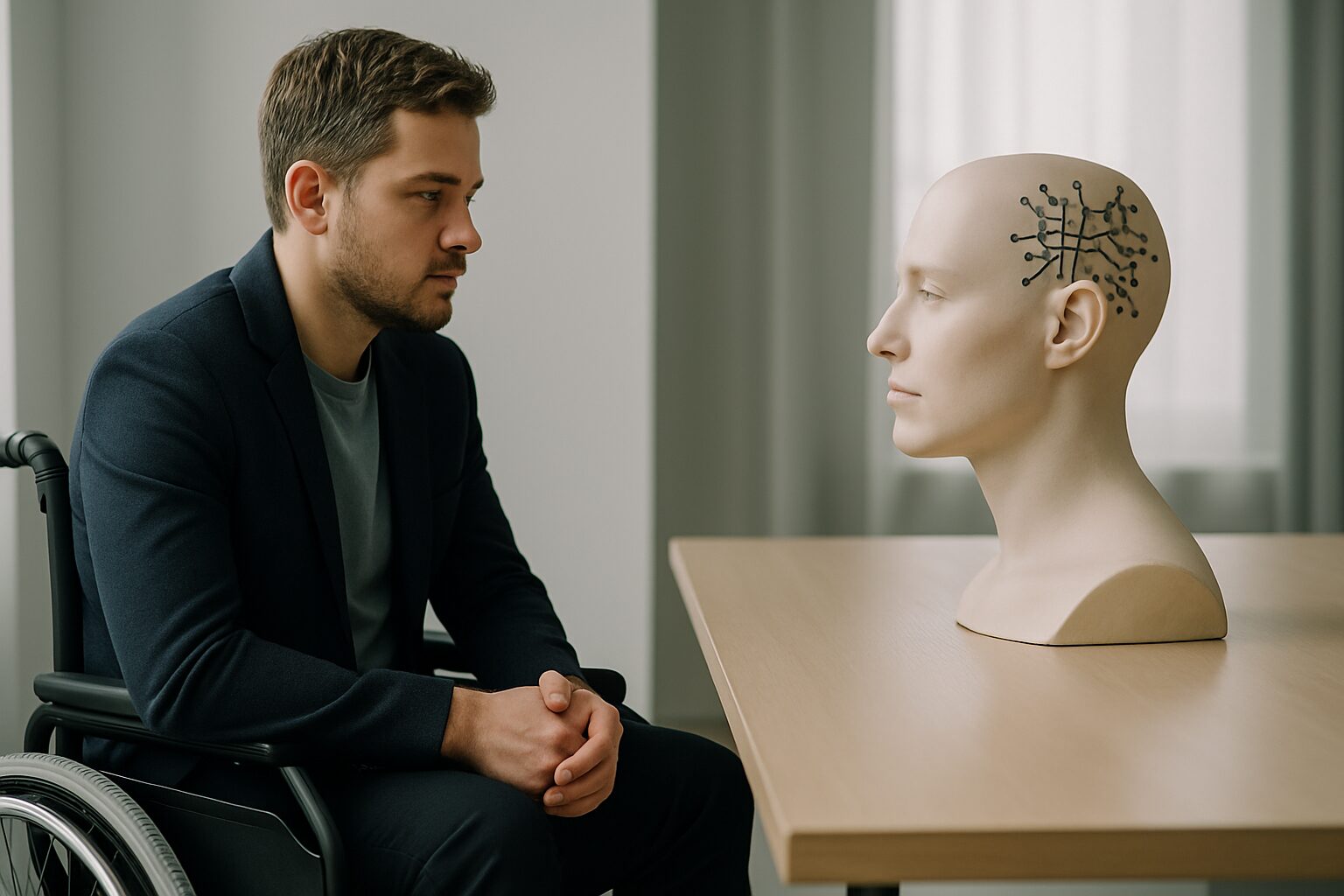
The Future of Learning: How Emotion AI is Reshaping Education Responsibly
Emotion recognition AI in education uses algorithms to analyze students' facial expressions, voice tones, or other cues to infer emotional states. This raises ethical concerns about bias and fairness, as the technology may misinterpret emotions across different cultures, ages, or neurodiverse individuals. Accuracy and unintended consequences must be carefully considered to ensure equitable outcomes for all learners.
Why It Matters - Real-world impact
Emotion recognition AI in education has real-world implications for students, teachers, and institutions. If biased or inaccurate, these systems could mislabel emotions—particularly among marginalized groups—leading to unfair disciplinary actions, misallocated support, or even reinforced stereotypes. Students might face unnecessary scrutiny or missed opportunities based on flawed algorithmic interpretations, while educators could rely on unreliable data to make critical decisions. For regular people, this matters because education shapes future opportunities, and unfair systems risk deepening societal inequities. Without proper oversight, emotion AI could erode trust in educational tools while disproportionately harming vulnerable populations.
Ethical Concerns - What’s wrong or risky?
Ethical Risks of Emotion Recognition AI in Education
Emotion recognition AI in educational settings raises significant ethical concerns, particularly around fairness. These systems often rely on datasets that may not represent the diverse expressions of emotion across cultures, ages, or neurodiverse individuals, leading to biased outcomes.
Discrimination and Bias
One major risk is discrimination, as these tools may misinterpret emotions based on stereotypes, disproportionately affecting students from marginalized backgrounds. For example, a student with autism might express emotions differently, and misclassification could lead to unfair disciplinary actions or missed support.
Transparency Issues
Lack of transparency in how these algorithms process and classify emotional data makes it difficult for educators, students, and parents to understand or challenge decisions. This opacity can erode trust and accountability in educational environments.
Other Moral Concerns
Beyond these, there are concerns about privacy invasion, as continuous monitoring may create a surveillance culture in schools. Some argue it could stifle authentic emotional expression, while others believe it helps provide timely support for struggling students.
Differing Perspectives
Proponents argue that emotion recognition AI can enhance personalized learning and mental health support by identifying at-risk students early. Critics, however, worry about the potential for misuse, data exploitation, and the reinforcement of existing biases, urging caution and strict regulatory frameworks.
Solutions - What’s being done or proposed?
Implementing Strict Data Privacy Regulations
To address privacy concerns, some have proposed stringent data privacy laws specifically for emotion recognition AI in educational settings. These regulations would mandate clear consent protocols, limit data collection to only what is necessary, and ensure that data is anonymized and securely stored. Such measures aim to protect students' sensitive emotional data from misuse or unauthorized access.
Developing Bias-Auditing Tools
Technical solutions include creating tools to audit and mitigate biases in emotion recognition algorithms. These tools would regularly test the AI for disparities in accuracy across different demographics, such as race, gender, or age. By identifying and correcting biases, developers can improve the fairness and reliability of the technology in diverse educational environments.
Establishing Ethical Review Boards
Institutions have suggested forming ethical review boards to oversee the deployment of emotion recognition AI in schools. These boards, composed of educators, ethicists, and technologists, would evaluate the potential impacts of the technology, ensure transparency in its use, and provide guidelines to prevent harm. Their role would be to balance innovation with ethical considerations.
Promoting Transparency and Explainability
Advocates emphasize the need for transparent AI systems where the decision-making process of emotion recognition is explainable to educators, students, and parents. This involves providing clear documentation on how the AI works, what data it uses, and how conclusions are drawn. Transparency builds trust and allows stakeholders to understand and challenge the technology's outputs.
Encouraging Teacher and Student Involvement
A social solution involves actively involving teachers and students in the development and implementation of emotion recognition AI. By gathering feedback from end-users, developers can design systems that align with real classroom needs and address concerns. This participatory approach ensures the technology is used ethically and effectively.
Creating Alternative, Non-Invasive Methods
Some experts propose developing less invasive alternatives to emotion recognition AI, such as self-reporting tools or teacher observations. These methods prioritize student autonomy and reduce the risks associated with constant surveillance. While less automated, they can still provide valuable insights into student well-being without compromising privacy.
Adopting Sector-Wide Ethical Guidelines
Industry-wide ethical guidelines have been suggested to standardize the use of emotion recognition AI in education. These guidelines would outline best practices, define acceptable use cases, and set boundaries to prevent misuse. A unified framework would help ensure consistency and accountability across schools and developers.
Examples and Real Cases
Proctorio's Emotion Detection During Exams (2020)
In 2020, Proctorio, an AI-based remote proctoring tool, faced criticism for using emotion recognition to flag students as potential cheaters based on facial expressions. Students reported being wrongly flagged due to factors like stress or cultural differences in expressing emotions, raising concerns about bias and fairness in automated surveillance.
Hangzhou No. 11 High School's 'Smart Classroom' (2018)
In 2018, Hangzhou No. 11 High School in China deployed an AI system to analyze students' facial expressions for engagement levels. Critics argued the system disproportionately misinterpreted emotions of students from minority groups, leading to unfair assessments of their participation and performance.
Hypothetical: Emotion AI in Special Education Classrooms
A hypothetical emotion recognition system in a special education classroom could misread neurodiverse students' expressions (e.g., autistic students), labeling their natural reactions as 'disengaged' or 'distracted.' This might lead to misguided interventions or unfair evaluations of their learning progress.
Emteq's Affective Computing in UK Schools (2021)
In 2021, Emteq Labs partnered with UK schools to test emotion-sensing VR headsets for student engagement tracking. The technology struggled with darker skin tones and non-Western facial expressions, resulting in skewed data that disadvantaged BAME (Black, Asian, and Minority Ethnic) students in feedback reports.
Frequently Asked Questions
What is emotion recognition AI in education?
Emotion recognition AI in education refers to technology that uses artificial intelligence to detect and analyze students' emotions, such as happiness, frustration, or boredom, through facial expressions, voice tones, or other biometric data. It aims to help educators understand student engagement and tailor teaching methods accordingly.
Why is bias a concern in emotion recognition AI for education?
Bias is a concern because emotion recognition AI may not accurately interpret emotions across different cultures, genders, or age groups. For example, it might misread expressions from students of certain backgrounds, leading to unfair assessments or interventions that don't reflect their true feelings or needs.
How can biased emotion recognition AI affect students?
Biased AI can unfairly label students, such as misidentifying a thoughtful expression as disengagement or misreading cultural differences in emotional expression. This could lead to incorrect feedback, lowered expectations, or missed support opportunities, negatively impacting learning experiences.
What steps can schools take to ensure fairness in emotion recognition AI?
Schools can ensure fairness by testing AI systems with diverse student populations, involving educators and ethicists in development, and being transparent about how data is used. Regularly auditing the AI for bias and allowing opt-out options for students are also important steps.
Is emotion recognition AI currently used in classrooms today?
Yes, some schools and edtech companies are experimenting with emotion recognition AI to monitor student engagement or provide personalized feedback. However, its use is still limited and controversial due to ethical concerns about privacy, accuracy, and potential bias.