The Hidden Impact: How Emotion AI is Reshaping Workplace Dynamics
Emotion recognition AI analyzes facial expressions, voice tones, or other cues to infer human emotions, often used in workplaces for hiring, productivity monitoring, or customer service. However, these systems can perpetuate bias if their training data lacks diversity or if they misinterpret cultural differences in emotional expression. This raises fairness concerns, particularly when decisions affecting employment or services rely on such technology.
Why It Matters - Real-world impact
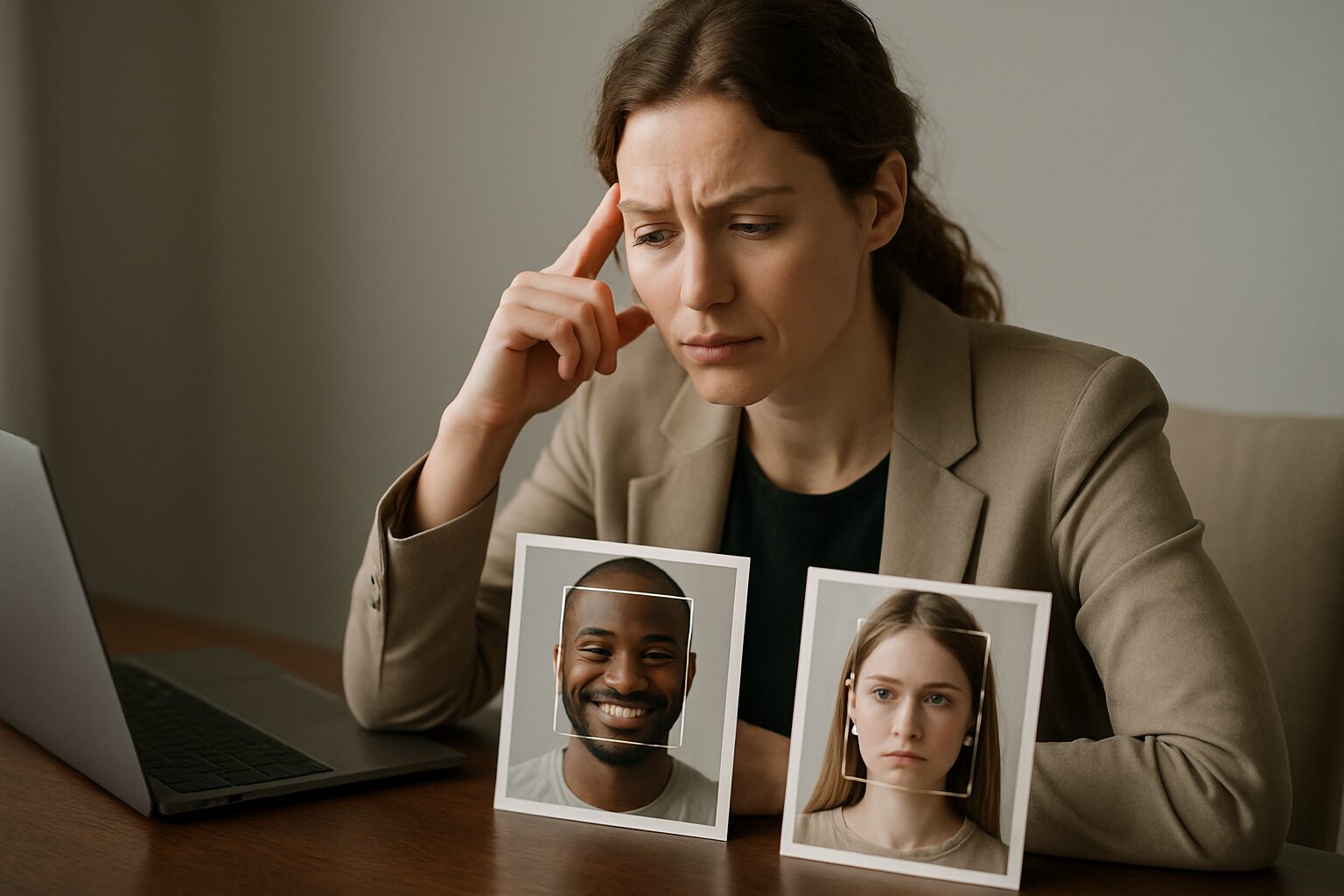
Emotion recognition AI is increasingly deployed in workplaces, hiring processes, and customer service, making its ethical implications a pressing concern. Employees and job applicants may face unfair judgments if the technology misinterprets their facial expressions or cultural nuances, leading to biased decisions. Customers subjected to emotion-sensing systems might experience privacy violations or manipulation, as their emotional data could be exploited without consent. Marginalized groups are particularly vulnerable, as these systems often reflect the biases of their training data, perpetuating discrimination. For regular people, this matters because unchecked emotion AI could normalize surveillance and erode trust in human-AI interactions, affecting everything from career opportunities to everyday services. The stakes are high—without proper oversight, these tools risk deepening societal inequities under the guise of objectivity.
Ethical Concerns - What’s wrong or risky?
Ethical Risks of Emotion Recognition AI in Industry
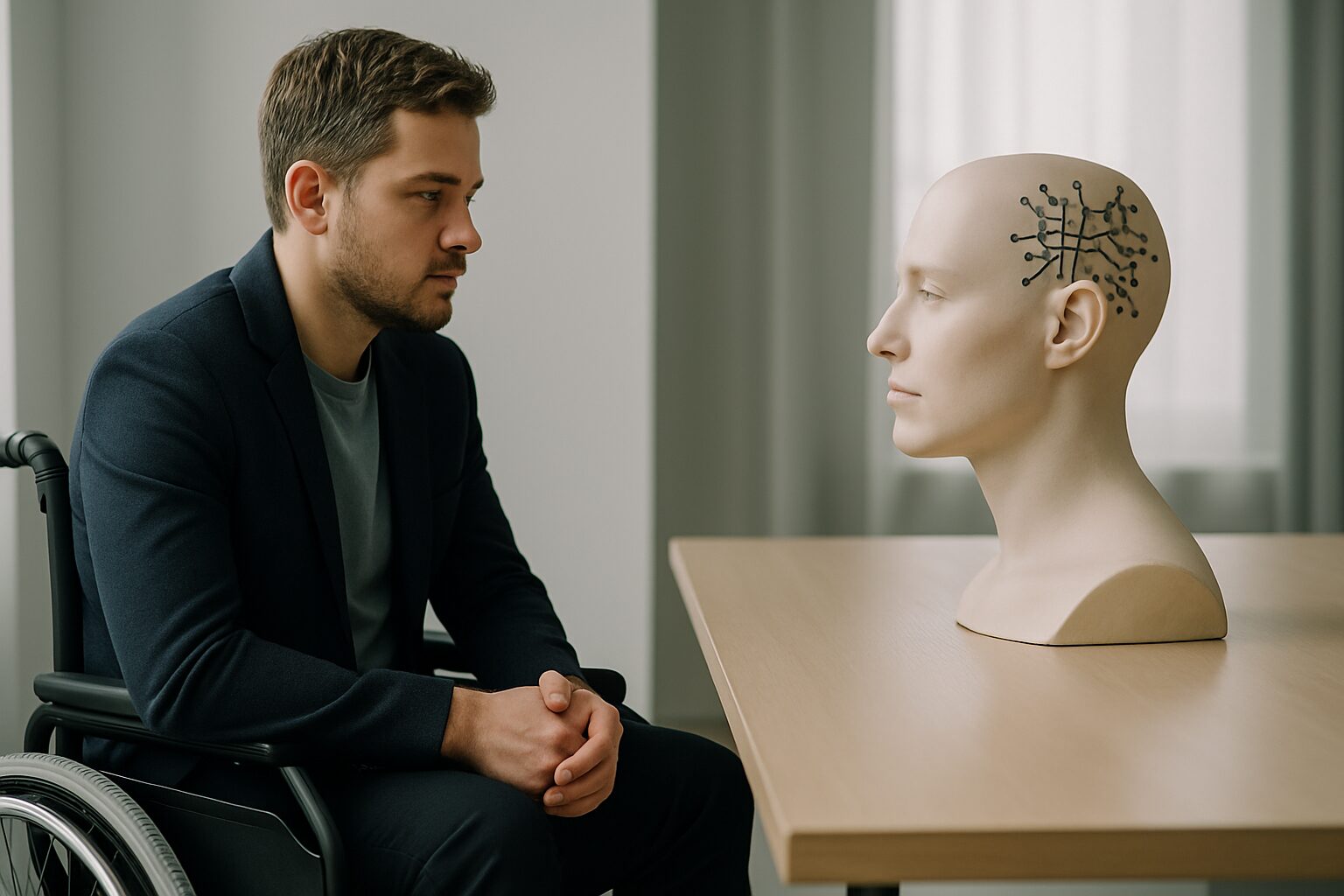
Emotion recognition AI (ERAI) is increasingly used in industrial settings, from hiring processes to monitoring employee engagement. While promising efficiency gains, it introduces significant ethical risks, particularly around fairness and discrimination. These systems often rely on biased datasets, leading to inaccurate interpretations of emotions across diverse cultural, gender, or demographic groups. For example, an ERAI might misread expressions from individuals with certain disabilities or cultural backgrounds, unfairly disadvantaging them in performance reviews or promotions.
Transparency and Accountability
Another critical issue is transparency. Many ERAI systems operate as "black boxes," making it difficult for employees to understand how their emotions are being assessed or used. This lack of clarity can erode trust and make it challenging to hold employers accountable for decisions influenced by these technologies.
Worker Rights and Economic Impact
The deployment of ERAI also raises concerns about worker rights, such as privacy and consent. Continuous emotional surveillance can create a stressful, invasive work environment, potentially infringing on personal autonomy. Additionally, there are worries about economic impact and job loss, as these systems might be used to justify layoffs or restructurings based on algorithmic assessments of employee engagement or "fit."
Differing Perspectives
Not all stakeholders view these risks uniformly. Proponents argue that ERAI can enhance workplace well-being by identifying stress or dissatisfaction early, allowing for proactive support. They may also claim that, when designed and audited carefully, these systems can reduce human biases in evaluations. Critics, however, emphasize the potential for harm, citing insufficient evidence of accuracy and the risk of dehumanizing employees. Balancing innovation with ethical safeguards remains a contentious and evolving debate.
Solutions - What’s being done or proposed?
Regulatory Frameworks and Compliance Standards
Governments and international bodies have proposed creating strict regulatory frameworks to oversee the development and deployment of emotion recognition AI. These regulations would mandate transparency in algorithms, require bias audits, and enforce accountability for misuse. For example, the EU's AI Act includes provisions for high-risk AI systems, which could cover emotion recognition technologies.
Bias Mitigation Through Diverse Training Data
Technical solutions focus on improving the fairness of emotion recognition AI by using more diverse and representative datasets. Researchers advocate for datasets that include a wide range of ethnicities, genders, ages, and cultural backgrounds to reduce algorithmic bias. Additionally, techniques like adversarial debiasing and fairness-aware machine learning are being tested to minimize disparities in recognition accuracy.
Human-in-the-Loop Systems
Some organizations have implemented human-in-the-loop systems where AI predictions are reviewed by human experts before final decisions are made. This hybrid approach aims to reduce errors and biases by combining AI efficiency with human judgment. For instance, in hiring processes, emotion recognition AI might flag candidates for further review, but final decisions are made by HR professionals.
Ethical AI Certification Programs
Institutional efforts include the development of ethical AI certification programs, where companies can voluntarily adhere to guidelines ensuring fair and transparent use of emotion recognition AI. Organizations like the IEEE and Partnership on AI have proposed certification standards that evaluate AI systems for bias, privacy, and ethical considerations.
Public Awareness and Stakeholder Engagement
Social solutions involve raising public awareness about the capabilities and limitations of emotion recognition AI. Advocacy groups and researchers encourage open dialogues with stakeholders, including employees, consumers, and policymakers, to address concerns and co-create ethical guidelines. Public pressure has led some companies to abandon or limit the use of emotion recognition in sensitive areas like hiring and law enforcement.
Transparency and Explainability Tools
Technical teams are developing tools to make emotion recognition AI more transparent and explainable. These tools provide insights into how decisions are made, allowing users to understand and challenge AI outputs. For example, saliency maps and feature attribution methods help identify which facial cues the AI prioritizes, enabling better scrutiny and trust.
Industry Self-Regulation and Best Practices
Some tech companies have adopted self-regulation by establishing internal ethics boards and best practice guidelines for emotion recognition AI. These measures include regular bias testing, third-party audits, and clear opt-in policies for users. While voluntary, these efforts aim to build trust and preempt stricter government regulations.
Examples and Real Cases
HireVue's AI-Powered Emotion Analysis in Hiring (2019)
In 2019, HireVue used AI to analyze facial expressions and tone of voice in job interviews, claiming it could predict candidate success. Critics argued the system was biased against neurodiverse individuals and those from different cultural backgrounds, as it favored 'traditional' emotional expressions.
Microsoft's Emotion Recognition API Discontinuation (2022)
Microsoft retired its emotion recognition API in June 2022 after research showed the technology performed inconsistently across demographics. Studies found it misread emotions in people with darker skin tones and was less accurate for women compared to men.
Unilever's AI Lie Detection in Interviews (Hypothetical Scenario)
If a company like Unilever implemented AI to detect deception through micro-expressions in video interviews, it could falsely flag honest candidates from cultures with different nonverbal communication norms. This might systematically disadvantage international applicants despite their qualifications.
Clearview AI's Facial Recognition for Emotional Profiling (2020)
Clearview AI's controversial facial recognition technology was adapted in 2020 to attempt emotion detection for retail analytics. Privacy advocates demonstrated how the system could misclassify Black shoppers as 'angry' at higher rates due to training data imbalances.
Chinese Classroom Surveillance Systems (2018-Present)
Schools in China using emotion recognition AI like Hanwang Technology's systems have reportedly punished students for 'inattentiveness' when the software misread thoughtful expressions as disengagement. These errors disproportionately affected students with glasses or certain facial structures.
Frequently Asked Questions
What is emotion recognition AI and how is it used in industry?
Emotion recognition AI is a technology that analyzes facial expressions, voice tones, or other data to identify human emotions like happiness, anger, or sadness. Industries use it for customer service feedback, employee monitoring, or marketing, but it raises ethical concerns about privacy and accuracy.
Why is bias a problem in emotion recognition AI?
Bias in emotion recognition AI occurs when the technology performs poorly for certain groups (e.g., different ethnicities, genders, or cultures) due to unrepresentative training data. This can lead to unfair treatment, misjudgments, or discrimination in workplaces or customer interactions.
How can emotion recognition AI be made more fair?
To improve fairness, developers should use diverse training datasets, test the AI across different demographics, and involve ethicists in design. Transparency in how emotions are analyzed and allowing opt-out options can also help reduce harm.
What are the risks of using emotion recognition AI in hiring?
Using emotion recognition AI in hiring might unfairly reject candidates if the system misreads emotions due to cultural differences or disabilities. It could also invade privacy by judging natural behaviors, leading to biased or dehumanizing decisions.
Are there real-world examples of emotion recognition AI causing harm?
Yes, some systems have misidentified Black individuals' emotions more often than white individuals', and others have penalized employees for 'negative' expressions. These cases show how bias in AI can reinforce inequality if not addressed.