The Future of Learning: How Technology is Reshaping Education and Equity
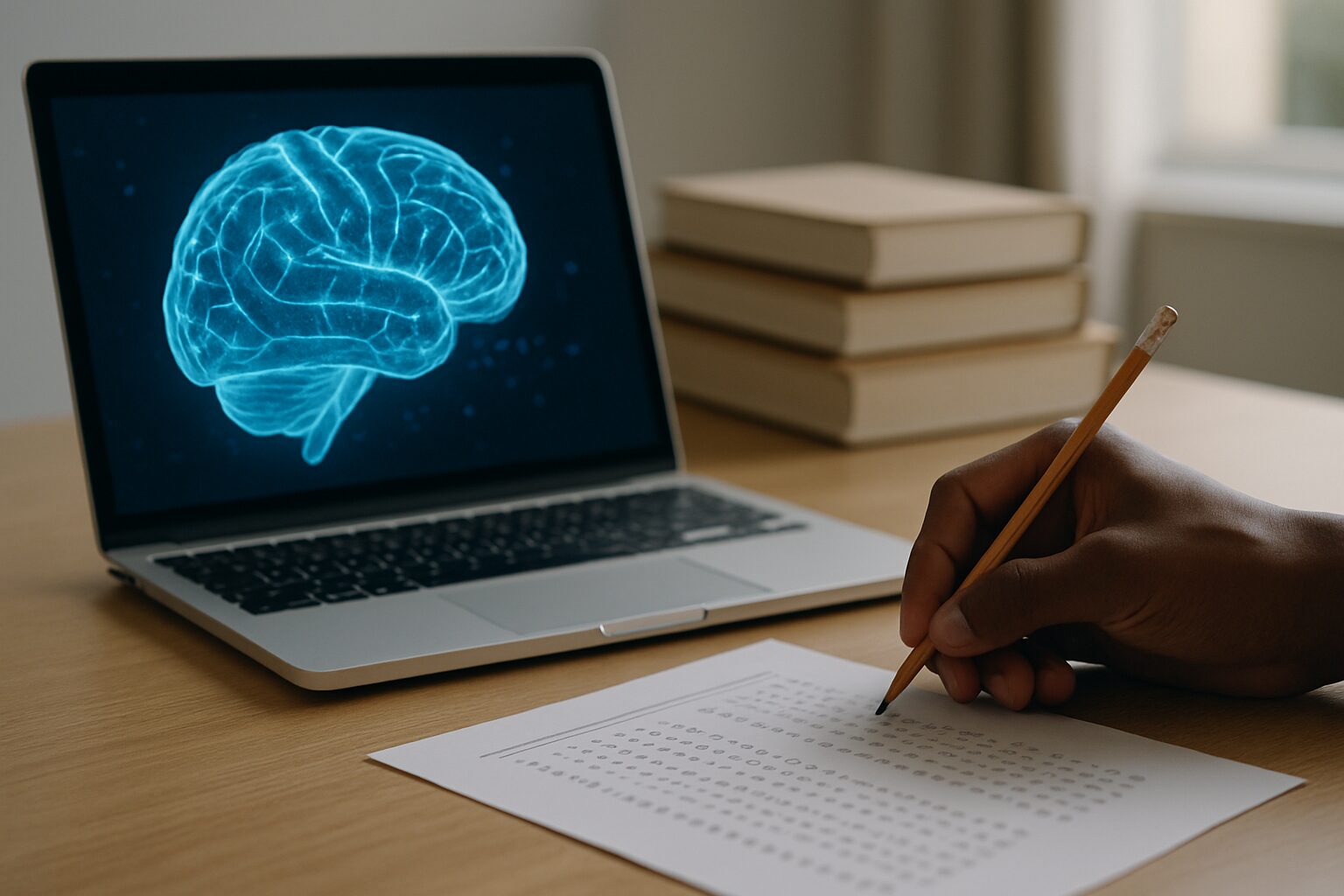
The use of artificial intelligence in standardized testing raises ethical questions about fairness, bias, and accessibility in education. AI systems may influence how tests are designed, administered, and scored, potentially affecting students' opportunities and outcomes. These developments also prompt broader societal concerns about the role of technology in shaping educational equity and future workforce readiness.
Why It Matters - Real-world impact
The integration of AI into standardized testing has far-reaching implications for students, educators, and society at large. If biased or flawed algorithms are used to evaluate performance, they could unfairly disadvantage marginalized groups, reinforcing existing inequalities in education. Teachers and institutions may also face pressure to "teach to the algorithm," narrowing curricula and stifling critical thinking. For regular people, this matters because standardized tests often determine access to opportunities—college admissions, scholarships, and even job placements. Without ethical oversight, AI-driven testing could deepen societal divides, making fairness and transparency in these systems a concern for everyone.
Ethical Concerns - What’s wrong or risky?
AI in Standardized Testing: Navigating Ethical Risks
The integration of artificial intelligence into standardized testing brings several ethical concerns to the forefront of education and society. One major issue is fairness, as AI systems may inadvertently favor certain demographic groups if training data is biased, leading to unequal outcomes. Similarly, discrimination can arise when algorithms reinforce historical inequities, such as penalizing students from under-resourced schools or non-native English speakers.
Transparency and Accountability
Another critical area is transparency; many AI systems operate as "black boxes," making it difficult for educators and students to understand how scores are determined, which undermines trust and accountability in the testing process.
Broader Societal Concerns
Beyond these, there are concerns about the economic impact, as reliance on AI testing could widen the gap between well-funded institutions and those with fewer resources, potentially affecting future opportunities. Some argue that AI could lead to job loss for educators and test administrators, though others believe it may create new roles instead. Additionally, issues around worker rights may emerge if AI systems are used to monitor or evaluate teachers without proper consent or recourse.
Differing Perspectives
Not everyone views these risks uniformly. Proponents argue that AI can reduce human bias and increase efficiency, providing more objective assessments. Critics, however, worry that over-reliance on algorithms may dehumanize education and exacerbate existing inequalities. Balancing innovation with ethical safeguards remains a key challenge for policymakers and educators alike.
Solutions - What’s being done or proposed?
Algorithmic Transparency and Auditing
One proposed solution is to mandate transparency in AI systems used for standardized testing. This involves requiring test providers to disclose how their algorithms work and allowing independent audits to check for biases. By making the decision-making processes of AI systems more transparent, stakeholders can better understand and address potential inequities.
Diverse Data Representation
To mitigate bias, some have suggested ensuring that the training data for AI systems in standardized testing reflects diverse demographics. This includes incorporating data from students of different races, genders, socioeconomic backgrounds, and learning abilities. A more representative dataset can help reduce disparities in test outcomes.
Human Oversight and Appeals Process
Another approach is to integrate human oversight into AI-driven testing systems. This could involve having educators or experts review AI-generated scores, especially in borderline cases. Additionally, establishing an appeals process allows students or institutions to challenge results they believe are unfair or inaccurate.
Regulatory Frameworks and Standards
Governments and educational bodies have proposed creating regulatory frameworks to oversee the use of AI in standardized testing. These frameworks would set ethical guidelines, enforce accountability, and ensure compliance with anti-discrimination laws. Standardized protocols could help maintain fairness and consistency across different testing platforms.
Alternative Assessment Methods
Some educators advocate for moving away from AI-reliant standardized tests altogether. Instead, they suggest using project-based assessments, portfolios, or competency-based evaluations. These methods aim to provide a more holistic view of a student's abilities, reducing reliance on potentially biased algorithms.
Public Awareness and Education
Raising awareness about the limitations and risks of AI in standardized testing is another key solution. Educating students, parents, and educators about how these systems work can empower them to advocate for fairer practices. Workshops, informational campaigns, and inclusion in curricula can help demystify AI's role in education.
Collaborative Development with Stakeholders
Engaging a broad range of stakeholdersu2014including students, teachers, ethicists, and technologistsu2014in the development of AI testing tools can lead to more equitable solutions. Collaborative design processes ensure that diverse perspectives are considered, helping to identify and address potential biases before deployment.
Examples and Real Cases
ChatGPT and the SAT
In 2023, students began using ChatGPT to generate essays for the SAT's optional writing section, raising concerns about the integrity of standardized testing. The College Board has since updated its policies to detect AI-generated content, but the effectiveness remains unclear.
Proctorio and Bias in Remote Proctoring
During the COVID-19 pandemic, Proctorio's AI-based remote proctoring system was widely adopted but faced criticism for disproportionately flagging students of color for suspicious behavior. A 2021 study by the University of California found that the system's algorithms exhibited racial bias, leading to false accusations of cheating.
Hypothetical: AI-Graded College Admissions Essays
A university adopts an AI system to grade admissions essays in 2025, aiming to reduce bias. However, the system favors formulaic writing styles, disadvantaging creative thinkers and non-native English speakers, leading to public backlash and calls for human oversight.
Georgia State's AI Chatbot and Equity
In 2019, Georgia State University deployed an AI chatbot, 'Pounce,' to assist students with enrollment and financial aid. While it improved accessibility, some low-income students reported receiving inaccurate advice, highlighting risks of over-reliance on AI in critical decision-making.
Hypothetical: AI-Powered Adaptive Testing in K-12
A school district implements adaptive testing powered by AI in 2024, tailoring questions to student ability. However, the system inadvertently reinforces gaps by directing struggling students to easier questions without adequate support, worsening educational inequality.
Frequently Asked Questions
What is AI's role in standardized testing?
AI can help create, score, and analyze standardized tests more efficiently. It can also personalize test questions based on a student's skill level, making assessments fairer and more accurate.
Why is AI in standardized testing important for education?
AI can reduce biases in testing, provide faster results, and identify learning gaps more precisely. This helps educators tailor teaching methods to individual student needs, improving overall education quality.
How does AI in testing affect access to education?
AI can make testing more accessible by offering adaptive formats for students with disabilities or language barriers. However, it may also widen gaps if not all schools or students have equal access to AI tools.
What are the risks of using AI in standardized testing?
Potential risks include data privacy concerns, over-reliance on technology, and the possibility of AI inheriting human biases from training data, which could unfairly impact certain student groups.
How is AI changing standardized testing today?
Today, AI is being used for automated essay scoring, detecting cheating patterns, and creating adaptive tests that adjust difficulty in real-time. These innovations aim to make testing more efficient and equitable.