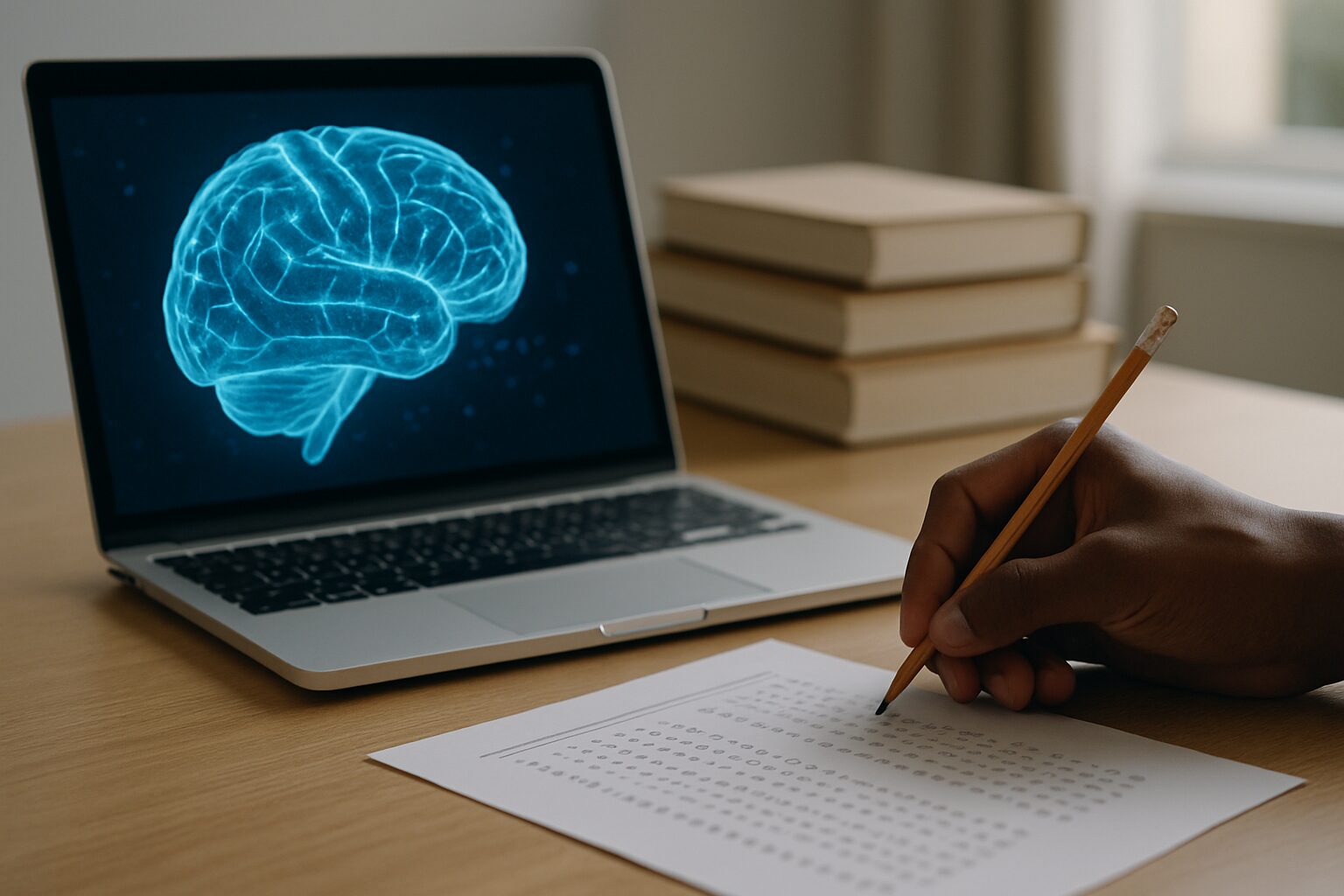
How AI is Revolutionizing Standardized Tests: The Future of Education
Standardized testing has long been used to measure student performance and inform educational decisions. The integration of artificial intelligence (AI) into these tests raises ethical questions about fairness, bias, and accessibility. AI systems can automate scoring, generate test questions, or adapt exams to individual students, but their use may also introduce unintended consequences. Understanding how AI impacts standardized testing is critical to ensuring equitable outcomes in education.
Why It Matters - Real-world impact
The integration of AI into standardized testing has far-reaching implications for students, educators, and society at large. If biased or flawed algorithms are used to evaluate performance, they could unfairly disadvantage certain groups—reinforcing existing inequalities in education. Students from marginalized backgrounds, non-native speakers, or those with learning differences may face disproportionate harm if AI systems misinterpret their responses. For regular people, this matters because standardized tests often determine access to scholarships, college admissions, and career opportunities, shaping life trajectories. Without ethical oversight, AI could exacerbate systemic biases rather than creating a fairer, more objective assessment system.
Ethical Concerns - What’s wrong or risky?
AI and Standardized Testing: Navigating Ethical Risks
The integration of artificial intelligence into standardized testing introduces several ethical challenges that demand careful scrutiny. While AI promises efficiency and scalability, it also raises profound moral questions.
Fairness in Algorithmic Scoring
One primary concern is fairness. AI systems used for grading essays or evaluating responses may inadvertently favor certain writing styles, cultural references, or linguistic patterns, disadvantaging students from diverse backgrounds. If training data lacks representation, the algorithms could perpetuate existing inequities in education.
Discrimination and Bias
Linked closely to fairness is the risk of discrimination. AI models can embed and amplify societal biases, leading to lower scores for marginalized groups. For instance, if historical data reflects past disparities, the AI might unjustly penalize non-native speakers or students with disabilities, exacerbating educational gaps.
Transparency and Accountability
The "black box" nature of many AI systems poses significant transparency issues. When algorithms determine test outcomes, students and educators may struggle to understand how decisions are made, hindering accountability and the ability to challenge erroneous results. This lack of clarity can erode trust in the testing process.
Economic and Access Implications
There are also broader economic impact concerns. Schools or regions with fewer resources may lack access to advanced AI tools, widening the digital divide. Additionally, reliance on AI could shift educational funding toward technology providers, potentially diverting resources from teachers and traditional support systems.
Worker Rights in Education
The adoption of AI in testing intersects with worker rights, as it might reduce the role of human educators in assessment processes. This could devalue professional expertise and lead to job reassignments or losses, sparking debates about the balance between technological advancement and preserving human-led education.
Differing Perspectives
Not all stakeholders view these risks uniformly. Proponents argue that AI can eliminate human grader bias and provide consistent evaluations, potentially enhancing objectivity. Critics, however, emphasize that algorithmic systems are only as unbiased as their data and design, warning against uncritical adoption. Some educators may see AI as a tool to complement rather than replace human judgment, advocating for hybrid approaches that mitigate ethical pitfalls.
Other moral concerns, such as data privacy and student surveillance, also arise but are beyond the scope of the linked categories here. Ultimately, navigating the ethics of AI in standardized testing requires ongoing dialogue, inclusive design, and robust oversight to ensure equitable educational outcomes.
Solutions - What’s being done or proposed?
Algorithmic Transparency and Auditing
One proposed solution is to mandate transparency in the algorithms used for AI-driven standardized testing. This includes requiring companies to disclose how their AI models make decisions and allowing independent audits to check for biases or unfair practices. By making these processes transparent, stakeholders can better understand and trust the outcomes, ensuring that the AI systems are fair and equitable.
Diverse Training Data
To address biases in AI testing tools, experts suggest using more diverse and representative training data. This means ensuring that the data used to train AI models includes a wide range of demographics, cultural backgrounds, and learning styles. By doing so, the AI systems can produce more accurate and fair results for all test-takers, reducing disparities in outcomes.
Human Oversight and Appeals Process
Another solution is to incorporate human oversight into AI-driven testing systems. This involves having educators or experts review AI-generated scores or decisions, especially in borderline or disputed cases. Additionally, establishing a clear appeals process allows students or institutions to challenge AI-determined outcomes, ensuring accountability and fairness in the system.
Regulatory Frameworks and Standards
Governments and educational bodies can create regulatory frameworks to oversee the use of AI in standardized testing. These frameworks would set standards for accuracy, fairness, and privacy, ensuring that AI tools meet ethical and educational goals. Compliance with these standards could be enforced through certifications or penalties for non-compliance, promoting responsible AI use.
Alternative Assessment Methods
Some educators advocate for reducing reliance on standardized testing altogether by promoting alternative assessment methods. These could include project-based evaluations, portfolios, or continuous assessment models that provide a more holistic view of a student's abilities. By diversifying assessment tools, the pressure on AI-driven testing systems can be lessened, reducing potential harms.
Public Awareness and Education
Raising public awareness about the limitations and potential biases of AI in standardized testing is another key solution. Educational campaigns can help students, parents, and educators understand how AI tools work and their potential pitfalls. This knowledge empowers stakeholders to advocate for fairer systems and make informed decisions about the use of AI in education.
Examples and Real Cases
ChatGPT Used for SAT Prep (2023)
In 2023, students began using ChatGPT to generate personalized SAT study plans and practice questions. While helpful, this raised concerns about unequal access since students with premium ChatGPT subscriptions gained an advantage over those using free versions with limited capabilities.
Georgia State's AI-Powered Chatbot for Student Support (2016)
Georgia State University deployed an AI chatbot named 'Pounce' in 2016 to assist students with enrollment and financial aid questions. The chatbot helped reduce summer melt by 22%, but critics noted it lacked cultural sensitivity in some responses, potentially disadvantaging non-native English speakers.
Hypothetical: AI-Graded Essays with Bias
A hypothetical scenario where an AI system is trained to grade essays for a national standardized test. If the training data primarily consists of essays from affluent schools, the AI might undervalue writing styles common in underfunded schools, perpetuating inequities in scoring.
Proctorio's Remote Exam Monitoring (2020)
During the COVID-19 pandemic, Proctorio's AI-based remote proctoring system was widely adopted for standardized tests. However, students reported false flags for cheating based on movements like looking away from the screen, disproportionately affecting neurodivergent test-takers who may need accommodations.
Hypothetical: Adaptive Testing Algorithms
In a future scenario, an AI-driven adaptive testing system adjusts question difficulty based on student performance. If the algorithm lacks transparency, it could unintentionally steer certain demographic groups toward lower-scoring paths due to hidden biases in its decision-making process.
Frequently Asked Questions
What is AI in standardized testing?
AI in standardized testing refers to the use of artificial intelligence technologies to create, administer, score, or analyze standardized tests. This can include automated essay scoring, adaptive testing, and identifying patterns in student performance.
Why is AI important in standardized testing?
AI can make standardized testing more efficient, fair, and personalized. It can reduce grading biases, provide instant feedback, and adapt test difficulty to individual student levels, improving accessibility and accuracy in assessments.
How does AI improve access to standardized testing?
AI can help by offering remote proctoring, language translation tools, and adaptive testing that accommodates different learning needs. This makes tests more accessible to students with disabilities, non-native speakers, and those in remote areas.
What are the risks of using AI in standardized testing?
Potential risks include data privacy concerns, over-reliance on technology, and algorithmic biases that may unfairly disadvantage certain student groups. It's important to monitor and regulate AI tools to ensure fairness.
Can AI replace human teachers in standardized testing?
No, AI is a tool to assist teachers, not replace them. While AI can handle grading and data analysis, human educators are still needed to interpret results, provide emotional support, and make informed decisions about student learning.