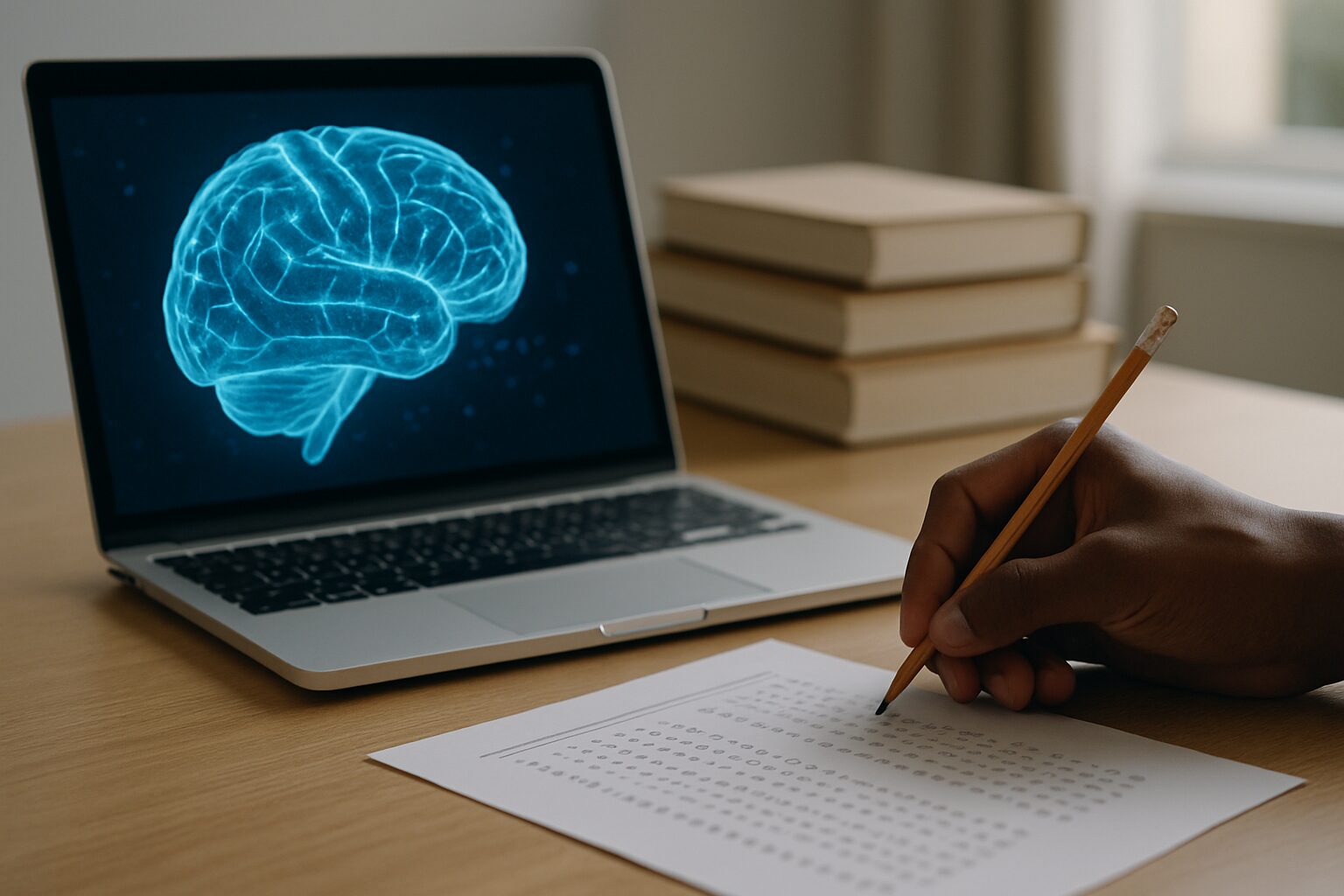
Digital Classrooms Under Watch: Balancing Privacy and Human Rights in E-Learning
Student surveillance in online learning refers to the use of digital tools to monitor students' activities, such as tracking eye movements, keystrokes, or browser history during exams and coursework. This practice raises human rights concerns, particularly around privacy, autonomy, and the potential for discrimination. As educational institutions adopt more AI-driven monitoring technologies, questions emerge about where to draw the line between academic integrity and overreach.
Why It Matters - Real-world impact
The issue of student surveillance in online learning matters because it directly impacts millions of students, educators, and families worldwide. Proctoring software, biometric tracking, and data collection tools often operate without meaningful consent, risking privacy violations and normalizing intrusive monitoring—especially for marginalized groups who may face disproportionate scrutiny. If unchecked, these practices could erode trust in education, chill free expression, and create permanent digital footprints affecting future opportunities. Regular people should care because such surveillance sets precedents for how technology governs sensitive spaces, from schools to workplaces. The ethical choices made today will shape whether "smart" education empowers learners or becomes a tool for control.
Ethical Concerns - What’s wrong or risky?
Student Surveillance in Online Learning: An Ethical Minefield
The rapid adoption of online learning platforms has ushered in an era of unprecedented student surveillance. While often justified for academic integrity or safety, these practices raise profound ethical questions that intersect with fundamental human rights.
Invasion of Privacy and Autonomy
Continuous monitoring through webcams, keystroke logging, and behavior analytics strips students of privacy, treating them as perpetual suspects rather than learners. This constant scrutiny can stifle intellectual curiosity and self-expression, undermining the very purpose of education.
Risk of Discrimination
AI-driven surveillance tools may encode biases, disproportionately flagging students from certain backgrounds, with disabilities, or non-native language speakers. This can reinforce existing inequalities and create hostile learning environments.
Questions of Fairness
Surveillance assumes uniform access to technology and ideal testing conditions, which isn't reality. Students in crowded homes or with limited bandwidth may be unfairly penalized, exacerbating educational disparities.
Lack of Transparency
Many platforms operate as black boxes, with students unaware of what data is collected, how it's analyzed, or who has access. This opacity prevents meaningful consent and accountability.
Chilling Effect on Free Expression
Knowing they're being watched, students may self-censor opinions or avoid exploring controversial topics, diminishing critical discourse—a cornerstone of education.
Differing Perspectives
Proponents argue surveillance is necessary to prevent cheating and ensure credential integrity. Others contend that fostering trust and designing better assessments would be more ethical than punitive monitoring.
Long-term Psychological Impact
Normalizing surveillance in education may acclimate young people to being constantly watched, potentially eroding expectations of privacy and autonomy in adulthood.
Solutions - What’s being done or proposed?
Implementing Stronger Data Protection Laws
Many advocates have called for the enactment of stricter data protection laws to regulate how educational institutions and ed-tech companies collect, store, and use student data. Laws like the General Data Protection Regulation (GDPR) in the EU set a precedent by requiring transparency, consent, and the right to erasure. Similar frameworks could be adapted for education to ensure student privacy is prioritized.
Developing Privacy-First Ed-Tech Tools
Some organizations and developers are creating educational technology tools designed with privacy as a core feature. These tools minimize data collection, use end-to-end encryption, and allow students to control their own data. Open-source platforms also enable transparency, allowing audits to ensure compliance with ethical standards.
Establishing Institutional Oversight Committees
Schools and universities are forming oversight committees to review surveillance technologies before adoption. These committees include educators, legal experts, and student representatives to assess ethical implications, necessity, and proportionality. This ensures accountability and prevents overreach in monitoring practices.
Promoting Digital Literacy and Consent Education
Educators and activists emphasize teaching students digital literacy and informed consent as part of curricula. By understanding how their data is used, students can advocate for their rights. Workshops and resources help both students and parents navigate privacy settings and demand transparency from institutions.
Adopting Ethical AI Audits
Independent audits of AI-driven surveillance tools are being proposed to evaluate bias, accuracy, and fairness. These audits, conducted by third parties, ensure systems do not disproportionately target marginalized groups or infringe on human rights. Transparency reports based on audit findings can build trust and guide policy improvements.
Encouraging Student and Parent Advocacy
Grassroots movements and advocacy groups are mobilizing students and parents to push back against invasive surveillance. Campaigns for opt-out policies, data deletion requests, and public awareness have pressured institutions to reconsider or justify their monitoring practices. Collective action has led to policy changes in some districts.
Limiting Surveillance to Necessity-Based Cases
Some institutions restrict surveillance to scenarios where there is a clear, documented need, such as preventing cheating in high-stakes exams. By avoiding blanket monitoring, they reduce unnecessary data collection. Clear guidelines ensure surveillance is only used when less intrusive methods are insufficient.
Examples and Real Cases
Proctorio's Remote Proctoring During COVID-19
In 2020, Proctorio, an AI-based remote proctoring tool, faced backlash for invasive surveillance practices during online exams. Students reported being recorded without consent, and the software allegedly flagged behaviors like looking away from the screen or having a 'suspicious' room environment as cheating.
New York School District's Gaggle Monitoring
In 2021, the Lockport City School District in New York used Gaggle, an AI tool, to monitor students' online activities, including emails and documents. Critics argued it violated privacy rights, as the system flagged terms like 'suicide' or 'drugs,' leading to disciplinary actions without context.
Hypothetical: Facial Recognition in Virtual Classrooms
A hypothetical scenario could involve a university deploying facial recognition AI to track student engagement during virtual lectures. If the system misinterprets fatigue or distraction as disinterest, it might unfairly penalize students for natural behavior.
EdTech Data Breach in 2022
In 2022, a major EdTech company suffered a data breach, exposing sensitive student information collected through learning platforms. The leaked data included browsing history, login times, and even biometric data, raising concerns about the risks of mass surveillance.
China's 'Smart Classroom' Surveillance
In 2019, reports revealed Chinese schools using AI-powered 'smart classrooms' to monitor students' facial expressions and body language. The system claimed to assess engagement but raised ethical questions about mass surveillance and psychological profiling.
Frequently Asked Questions
What is student surveillance in online learning?
Student surveillance in online learning refers to the monitoring of students' activities, behaviors, and data through digital tools like proctoring software, tracking cookies, or learning management systems. It can include tracking login times, eye movements, or even keystrokes during exams.
Why is student surveillance a human rights issue?
Student surveillance can violate privacy rights, freedom of expression, and access to education. Excessive monitoring may discourage marginalized students from participating fully, creating barriers to equitable learning opportunities.
How does student surveillance affect access to education?
Surveillance tools may disadvantage students with limited internet access, disabilities, or those in different time zones. Strict monitoring can also create stress, reducing engagement and perpetuating inequalities in online education.
What are common examples of student surveillance today?
Examples include AI proctoring that flags 'suspicious' movements during tests, tracking browsing history on school devices, or analyzing participation metrics in virtual classrooms to assess student engagement.
Can student surveillance be ethical?
Yes, if implemented transparently with consent, minimal data collection, and clear educational purposes. Policies should balance security needs with students' rights to privacy and equal access to learning.