The Hidden Watch: How Online Education Tracks Students and Shapes Society
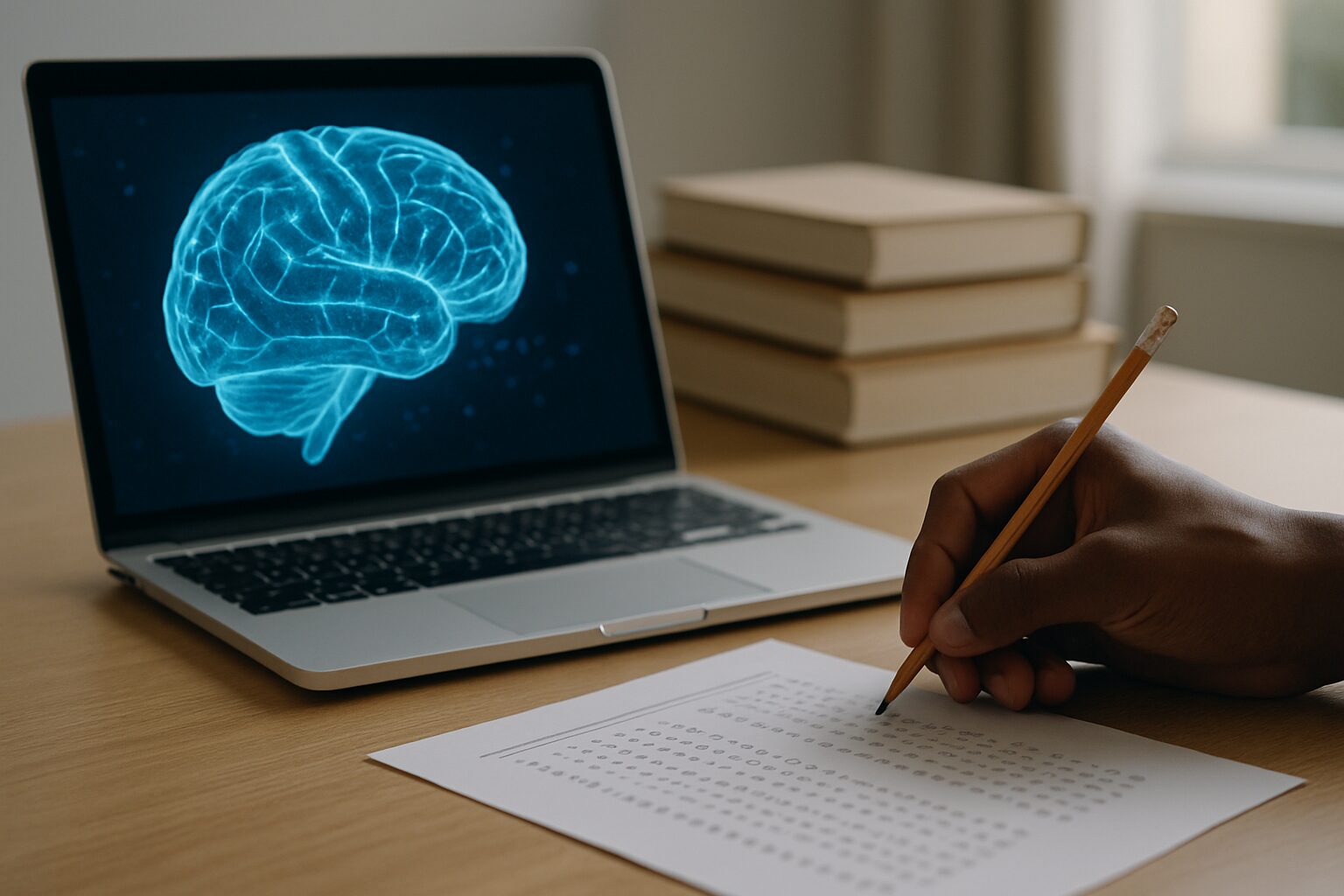
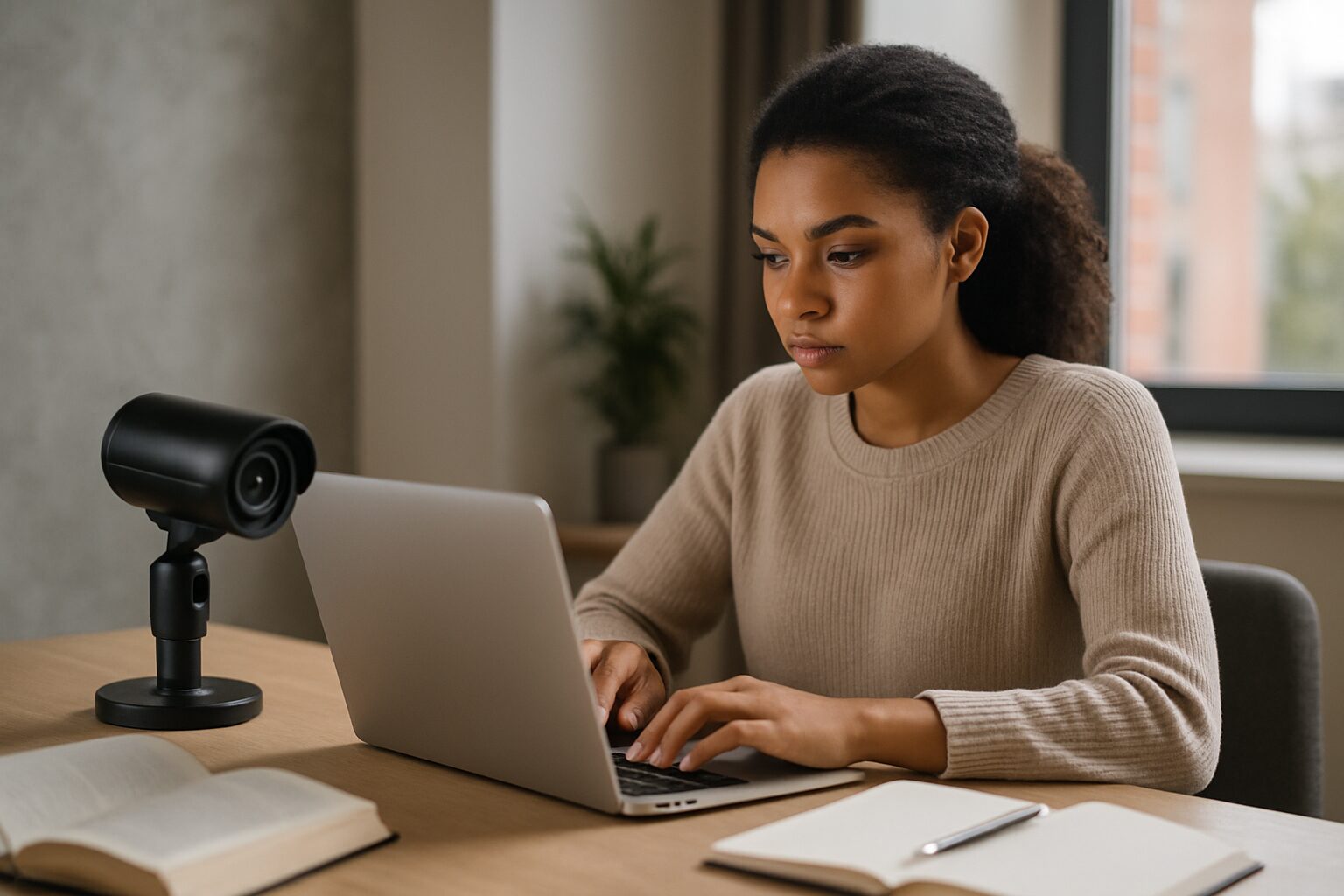
Student surveillance in online learning refers to the use of digital tools to monitor students' activities, behaviors, and engagement during virtual education. These tools can include keystroke logging, eye-tracking, or automated proctoring software, often justified as ensuring academic integrity or improving learning outcomes. The practice raises ethical concerns about privacy, consent, and the long-term societal implications of normalizing surveillance in educational spaces.
Why It Matters - Real-world impact
Student surveillance in online learning raises critical ethical concerns with real-world consequences. Students at all educational levels are affected, as monitoring tools track behaviors like eye movements, keystrokes, and browsing history, potentially creating an atmosphere of distrust and anxiety. When these systems are biased or inaccurate—which occurs frequently with AI—they can wrongly flag students for cheating or disengagement, disproportionately impacting marginalized groups. Beyond education, such surveillance normalizes invasive monitoring that could spread to workplaces and public spaces. Regular people should care because these practices set dangerous precedents for privacy erosion and automated judgment in all aspects of life, often without transparency or consent.
Ethical Concerns - What’s wrong or risky?
Student Surveillance in Online Learning: An Ethical Minefield
The rapid adoption of online learning platforms has introduced extensive student surveillance tools—from webcam monitoring to keystroke tracking and data analytics. While often justified for academic integrity, these practices raise profound ethical questions.
Fairness and Bias in Monitoring
Surveillance systems may not treat all students equally. Algorithms might misinterpret behaviors based on cultural differences, disabilities, or socioeconomic factors, leading to unfair accusations of cheating. For instance, a student with a slow internet connection might be flagged for "inactivity," while those in noisy households could be penalized for background movement. This ties directly into concerns about fairness, as not all students have equal resources or environments conducive to constant monitoring.
Discrimination Through Data
Data collected through surveillance can inadvertently reinforce existing biases. If analytics are used to predict performance or engagement, they might disadvantage marginalized groups—for example, by associating certain behavior patterns with lower achievement without accounting for external challenges. This highlights risks related to discrimination, where biased data leads to unequal treatment.
Lack of Transparency
Many educational institutions use proprietary algorithms whose inner workings are undisclosed to students and parents. This opacity makes it difficult to challenge false flags or understand how data is being used, stored, or shared. The issue of transparency is critical here, as stakeholders deserve to know what is being monitored and why.
Privacy and Autonomy
Constant monitoring can erode student privacy and discourage intellectual risk-taking. The feeling of being watched may stifle creativity and free expression, turning education into a performative act rather than a exploratory process. While not all ethical concerns have dedicated pages, this touches on broader issues of consent and personal autonomy.
Differing Perspectives
Proponents argue that surveillance is necessary to maintain academic standards and prevent cheating, especially in remote settings. They may view it as a tool for accountability. Critics, however, see it as a form of digital panopticon that prioritizes control over trust and education. Some also worry about the long-term societal impact, normalizing surveillance for younger generations.
Economic and Future Implications
There are economic dimensions too: schools invest in costly surveillance tools, sometimes at the expense of educational resources. Additionally, data collected might be used by third parties or influence future opportunities, linking to concerns like economic impact and even potential job loss if analytics wrongly label students as underperformers. While less direct, student monitoring could also reflect wider issues about worker rights, as it prepares students for similarly monitored workplaces.
Solutions - What’s being done or proposed?
Implementing Stronger Data Privacy Laws
Advocates have pushed for stricter data privacy laws specifically targeting educational technologies. These laws would limit the types of data that can be collected, mandate transparency about how data is used, and require consent from students or parents. For example, regulations similar to the General Data Protection Regulation (GDPR) in the EU could be adapted for educational settings to ensure student data is protected and not exploited for commercial purposes.
Developing Privacy-First Educational Technologies
Some organizations and developers are creating tools that prioritize privacy by design. These technologies minimize data collection, use encryption, and ensure data is stored locally rather than on cloud servers. Open-source platforms are also being promoted, allowing institutions to audit the code for privacy concerns. Such solutions aim to provide the benefits of online learning without invasive surveillance.
Establishing Institutional Transparency Policies
Schools and universities are being encouraged to adopt clear policies about what data is collected, how it is used, and who has access to it. This includes publishing regular transparency reports and involving students, parents, and educators in decision-making processes about surveillance tools. By fostering trust through openness, institutions can balance accountability with respect for privacy.
Promoting Digital Literacy and Ethical Training
Educational programs are being developed to teach students, educators, and administrators about digital rights and ethical AI use. These programs emphasize critical thinking about surveillance technologies and empower stakeholders to advocate for their rights. By raising awareness, individuals can make informed choices and push back against unethical practices in online learning environments.
Creating Independent Oversight Committees
Some suggest forming independent committees to monitor the use of surveillance tools in education. These committees, composed of educators, parents, students, and privacy experts, would evaluate the ethical implications of technologies and ensure compliance with agreed-upon standards. This approach aims to prevent misuse and hold institutions accountable for overreach.
Encouraging Alternative Assessment Methods
To reduce reliance on invasive proctoring software, educators are exploring alternative assessment strategies. These include project-based learning, oral exams, and open-book tests that focus on critical thinking rather than memorization. Such methods reduce the need for surveillance while maintaining academic integrity and fostering a more trusting learning environment.
Examples and Real Cases
Proctorio's Remote Exam Monitoring
In 2020, Proctorio, an AI-based remote proctoring tool, faced backlash for invasive surveillance during online exams. Students reported being recorded via webcam, having their screens monitored, and even being flagged for minor movements like looking away from the screen.
New York City's Controversial Gaggle Use
In 2021, NYC public schools adopted Gaggle, an AI tool that scans students' emails and documents for 'inappropriate' content. Critics argued it violated privacy, as the system flagged harmless phrases like 'I want to kill myself' during creative writing exercises.
Hypothetical: Facial Recognition in Virtual Classrooms
A university could implement real-time facial recognition to track student engagement during lectures. The system might penalize students for 'inattention' based on AI-detected facial expressions, despite natural variations in focus.
LockDown Browser Data Collection
In 2022, Respondus LockDown Browser was found collecting excessive student data, including running processes and peripheral device information. Students and privacy advocates raised concerns about the lack of transparency in how this data was used.
Hypothetical: Social Media Monitoring for 'At-Risk' Students
A school district might partner with an AI firm to scan students' public social media posts for signs of depression or violence. While intended to help, such surveillance could lead to false positives and unnecessary interventions.
Frequently Asked Questions
What is student surveillance in online learning?
Student surveillance in online learning refers to the monitoring of students' activities, behaviors, and data through digital tools like learning management systems, cameras, or tracking software. It can include tracking login times, participation, or even eye movements during exams.
Why is student surveillance important in education?
Student surveillance is important because it helps institutions ensure academic integrity, prevent cheating, and improve engagement. However, it also raises concerns about privacy, data security, and the ethical use of monitoring technologies in education.
How does student surveillance affect privacy?
Student surveillance can impact privacy by collecting personal data such as browsing history, location, or biometric information. Without proper safeguards, this data could be misused or exposed, leading to concerns about student rights and consent.
What are the benefits of surveillance in online learning?
Benefits include detecting cheating, improving student accountability, and providing insights into learning patterns to personalize education. It can also help educators identify struggling students who may need additional support.
How is student surveillance used in society today?
Beyond education, student surveillance technologies are part of broader discussions about digital privacy, AI ethics, and data security. Schools and policymakers must balance safety and innovation with protecting students' rights in an increasingly monitored world.