How AI-Generated Fake Media Is Shaping Modern Political Races
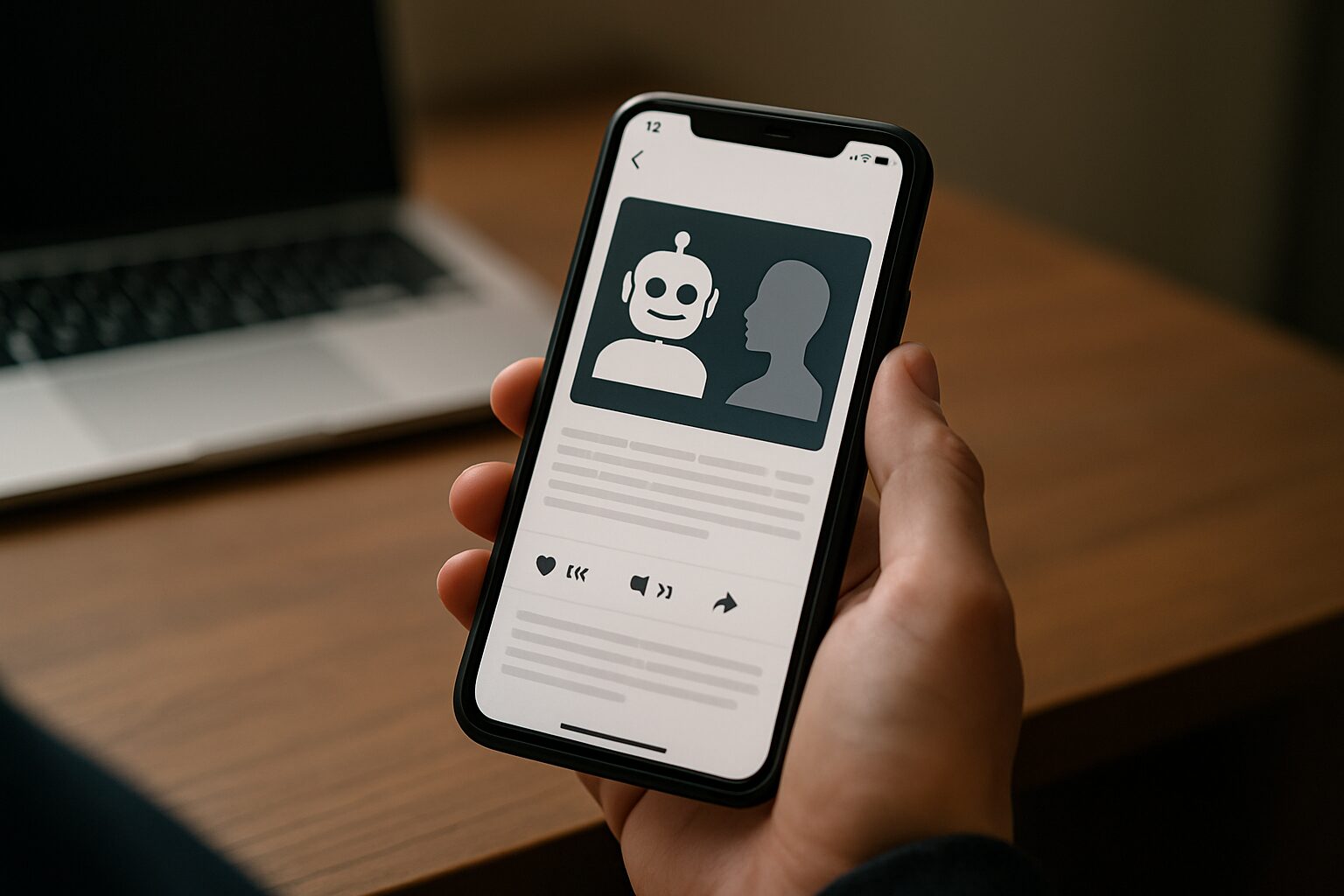
Deepfakes in election campaigns refer to the use of artificially generated or manipulated audio, video, or images to depict individuals saying or doing things they never did. This technology raises ethical concerns as it can spread misinformation, distort public perception, and undermine trust in democratic processes. The issue centers on how deepfakes may be exploited to manipulate voters or discredit candidates without their consent.
Why It Matters - Real-world impact
Deepfakes in election campaigns pose a profound threat to democratic processes by eroding public trust and distorting reality. Voters, candidates, and entire electoral systems are affected, as manipulated media can spread false narratives, smear opponents, or fabricate endorsements with alarming realism. If unchecked, this could lead to misinformed decisions, unjust electoral outcomes, and even societal unrest. Regular people should care because their votes—and thus their voices—may be swayed by deceptive content, undermining the very foundation of fair representation. The consequences extend beyond elections, normalizing misinformation and deepening polarization in everyday life.
Ethical Concerns - What’s wrong or risky?
Deepfakes in Election Campaigns: An Ethical Minefield
The use of deepfakes in election campaigns introduces severe ethical risks, particularly concerning fairness. When manipulated videos or audio clips falsely depict candidates saying or doing things they never did, it undermines the integrity of electoral competition. Voters make decisions based on distorted realities, skewing the democratic process and giving unfair advantages to those deploying or benefiting from such tactics.
Transparency and Trust Erosion
A core issue is the lack of transparency. Deepfakes are often created and disseminated without disclosure, making it difficult for the public to distinguish truth from fabrication. This erodes trust not only in political figures but in media and democratic institutions as a whole, as people become increasingly skeptical of all information sources.
Discrimination and Targeted Manipulation
Deepfakes can also exacerbate discrimination. Malicious actors might use this technology to target specific demographic groups with tailored disinformation, reinforcing prejudices or spreading false narratives designed to suppress turnout or manipulate voting behavior along racial, ethnic, or socioeconomic lines.
Diverse Perspectives on Regulation
Not everyone agrees on how to address these risks. Some argue that banning deepfakes outright could infringe on free speech and artistic expression, while others advocate for strict regulations and watermarking technologies to identify synthetic media. There is also debate over the role of platforms in monitoring and removing content, balancing censorship concerns with the need to protect public discourse.
Broader Ethical Considerations
Beyond these linked concerns, deepfakes raise additional moral questions, such as the psychological impact on individuals falsely portrayed and the long-term consequences for social cohesion. The potential normalization of deceptive practices in politics could diminish accountability and encourage a culture where truth becomes secondary to persuasion.
Solutions - What’s being done or proposed?
Legislation and Regulation
Several countries have introduced or proposed laws specifically targeting the creation and distribution of deepfakes, especially during election campaigns. These laws often require clear labeling of synthetic media and impose penalties for malicious use. For example, the U.S. has seen bipartisan bills aiming to criminalize deepfake election interference. However, enforcement remains challenging due to the rapid evolution of technology and jurisdictional issues.
Detection and Authentication Tools
Technical solutions include developing AI-powered tools to detect deepfakes by analyzing inconsistencies in videos or audio, such as unnatural blinking patterns or voice modulation. Some platforms are experimenting with watermarking or digital signatures to verify authentic content. While promising, these tools often lag behind deepfake creation techniques, leading to an ongoing arms race between creators and detectors.
Media Literacy Campaigns
Educational initiatives aim to equip the public with skills to critically evaluate media, teaching people to spot signs of manipulation and verify sources. Schools, NGOs, and tech companies have launched programs to raise awareness about deepfakes. While effective in the long term, these campaigns struggle to keep pace with the sheer volume and sophistication of deceptive content during fast-moving election cycles.
Platform Policies and Content Moderation
Social media platforms have implemented policies to remove or label deepfake content, often partnering with fact-checkers. Some ban synthetic media outright, while others allow it with disclaimers. Challenges include balancing free speech with harm prevention, and the difficulty of scaling moderation to handle vast amounts of uploaded content quickly enough to prevent viral spread.
Collaborative Industry Standards
Tech companies, academia, and civil society groups are working together to establish shared standards for handling deepfakes, such as the Partnership on AI's guidelines. These efforts focus on transparency, accountability, and best practices for synthetic media. While fostering cooperation, voluntary standards lack enforcement mechanisms and may be adopted unevenly across the industry.
Crisis Response Protocols
Some electoral commissions and government agencies have developed rapid response plans to debunk deepfakes during elections. These include pre-established communication channels with platforms, real-time monitoring, and public alerts. Effectiveness depends on the speed of response and public trust in the institutions issuing corrections, which can be eroded by polarization.
Examples and Real Cases
2018 Gabon Coup Attempt
In 2018, a deepfake video of Gabon's President Ali Bongo was circulated, appearing to show him delivering a New Year's address. The video raised suspicions about his health and ability to govern, contributing to political instability and a failed coup attempt.
2020 US Election Disinformation
During the 2020 US presidential election, deepfake videos of candidates Joe Biden and Donald Trump were shared on social media. One manipulated clip falsely showed Biden falling asleep during an interview, aiming to undermine his campaign.
2022 Ukrainian President Zelenskyy Deepfake
In March 2022, a deepfake video of Ukrainian President Volodymyr Zelenskyy surfaced, falsely showing him telling Ukrainian soldiers to surrender to Russian forces. The video was quickly debunked but highlighted the potential for AI-generated disinformation in wartime.
Hypothetical: 2024 UK Election Scenario
In a hypothetical 2024 UK general election, a deepfake audio recording of a leading candidate admitting to corruption is leaked days before voting. Despite being debunked, the audio spreads rapidly, influencing undecided voters and skewing the election results.
2019 Indian Election Deepfake Concerns
Ahead of India's 2019 general elections, concerns were raised about potential deepfake misuse after a manipulated video of politician Manoj Tiwari criticizing his opponents went viral. While not a sophisticated deepfake, it foreshadowed future risks in global elections.
Frequently Asked Questions
What are deepfakes in election campaigns?
Deepfakes are AI-generated fake videos or audio clips that make it appear as if a political candidate or public figure is saying or doing something they never actually did. In election campaigns, they can be used to spread false information or manipulate public opinion.
Why are deepfakes a concern in elections?
Deepfakes can mislead voters by creating convincing false narratives about candidates, potentially swaying election outcomes. They undermine trust in media and democratic processes, making it harder for people to distinguish real facts from manipulated content.
How can deepfakes influence voters?
Deepfakes can spread misinformation quickly, shaping voters' perceptions by showing fake speeches, scandals, or endorsements. Because they look real, people may believe and share them, amplifying their impact on public opinion.
What can be done to detect deepfakes in elections?
Experts use AI tools, digital forensics, and fact-checking organizations to spot inconsistencies in videos or audio. Voters can also verify sources, check for official statements, and be cautious of sensational content shared on social media.
Are there laws against using deepfakes in elections?
Some countries and states have started passing laws to ban or regulate deepfakes in political campaigns, but enforcement is challenging. Many places still lack clear rules, making it a growing legal and ethical issue.