
Smart Surveillance: How Technology is Transforming School Safety
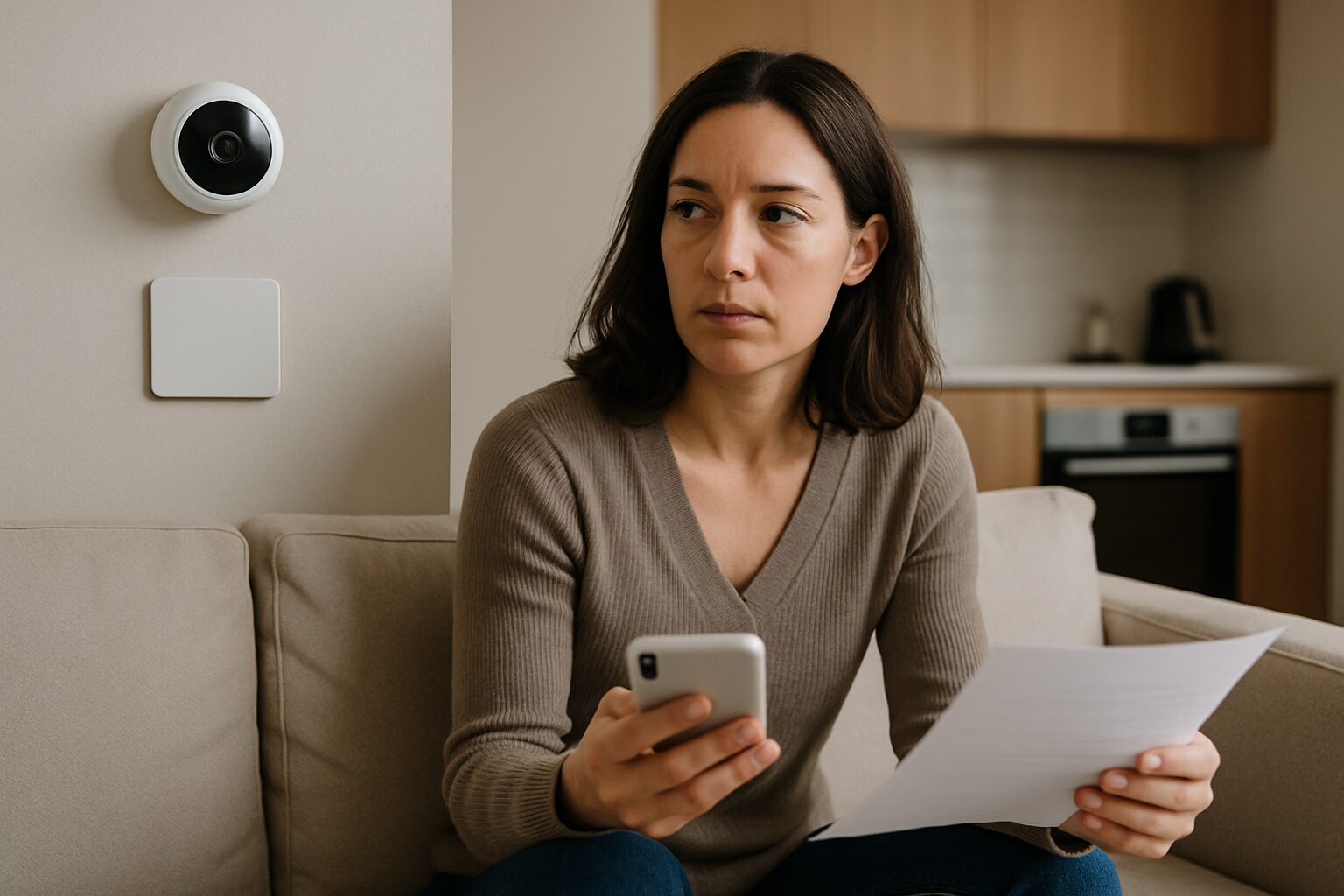
AI-powered surveillance systems in schools use technologies like facial recognition, behavior tracking, and data analytics to monitor students and staff. These tools raise ethical concerns about privacy, as they often collect and process personal data without clear consent. The debate centers on balancing security benefits against potential overreach and the impact on student autonomy.
Why It Matters - Real-world impact
The use of AI in school surveillance systems raises critical ethical concerns that impact students, educators, and society at large. Students, particularly minors, are vulnerable to overreach as constant monitoring may infringe on their privacy, stifle personal development, and normalize a culture of surveillance. Schools and administrators face dilemmas in balancing safety with ethical responsibility, while parents may lack transparency about how their children's data is collected and used. If misapplied, these systems could lead to discriminatory profiling, false accusations, or the misuse of sensitive data by third parties. Regular people should care because the normalization of invasive surveillance in education sets a precedent for broader societal acceptance of privacy erosion, affecting future generations and the values they uphold.
Ethical Concerns - What’s wrong or risky?
Privacy and Consent in AI School Surveillance
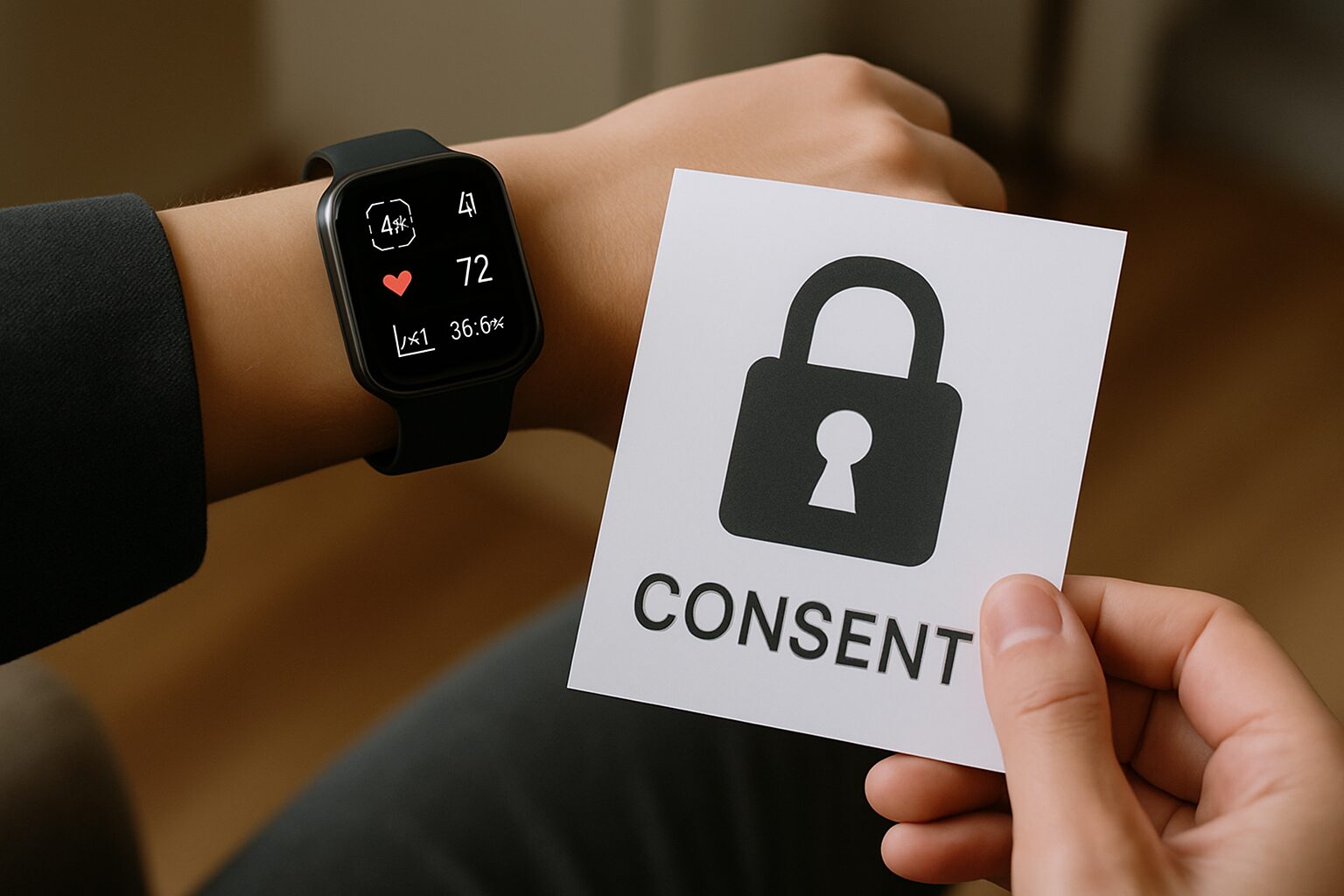
AI-driven surveillance systems in schools raise significant ethical concerns, particularly regarding student privacy and consent. These systems often collect and analyze vast amounts of data without clear, informed consent from students or parents, blurring the lines between safety and intrusion.
Ethical Risks of AI Surveillance in Education
One major issue is the potential for discrimination, as algorithms may disproportionately flag students from marginalized backgrounds based on biased training data. This ties closely to concerns about fairness, where surveillance tools might enforce unequal disciplinary measures or reinforce existing societal biases.
Another critical risk involves transparency; many AI systems operate as "black boxes," making it difficult for educators, parents, or students to understand how decisions are made or what data is being used. This lack of clarity undermines accountability and trust.
While not directly related to job loss or worker rights in this context, some argue these systems could eventually reduce the need for human monitors, indirectly affecting school staff roles. Broader ethical concerns also include the psychological impact of constant monitoring on students' development and autonomy.
Differing Perspectives
Proponents argue that AI surveillance enhances safety by preventing incidents like bullying or violence, and that the benefits outweigh privacy trade-offs. Critics, however, emphasize that consent is often coerced or assumed, and that these systems normalize surveillance culture from a young age, potentially eroding civil liberties.
There is also debate over whether these technologies address root causes of behavioral issues or merely punish symptoms, and whether resources might be better spent on counseling and support rather than monitoring.
Solutions - What’s being done or proposed?
Implementing Strict Data Protection Laws
Several regions have introduced or strengthened data protection laws to regulate AI surveillance in schools. For example, the General Data Protection Regulation (GDPR) in the EU mandates transparency, consent, and data minimization. Schools must inform students and parents about surveillance practices, obtain explicit consent where required, and ensure data is only collected for legitimate purposes. Such laws also grant individuals the right to access, correct, or delete their data, providing a legal framework to protect privacy.
Developing Ethical AI Guidelines for Schools
Educational institutions and advocacy groups have proposed ethical guidelines for AI surveillance in schools. These guidelines emphasize proportionality, ensuring surveillance is only used when necessary and with minimal intrusion. They also recommend regular audits to assess the impact of surveillance on student privacy and well-being. By adopting these principles, schools can balance safety concerns with respect for individual rights.
Using Anonymization and Encryption Techniques
Technical solutions like anonymization and encryption have been suggested to mitigate privacy risks. Anonymization removes personally identifiable information from surveillance data, while encryption ensures data is secure during storage and transmission. These measures reduce the risk of misuse or unauthorized access, making it harder for sensitive information to be exploited.
Promoting Transparency and Community Engagement
Some schools have adopted transparent practices by involving students, parents, and staff in discussions about surveillance systems. Public forums, surveys, and advisory committees allow stakeholders to voice concerns and influence decision-making. Transparency builds trust and ensures that surveillance measures align with community values and expectations.
Limiting Surveillance to Specific Use Cases
Instead of blanket surveillance, schools have explored targeted approaches, such as using AI only for high-risk areas like entrances or during emergencies. This minimizes unnecessary data collection and reduces the potential for overreach. Clear policies define when and how surveillance is activated, ensuring it serves a specific, justified purpose.
Training Staff on Ethical Surveillance Practices
Institutions have implemented training programs to educate administrators and security personnel on the ethical use of AI surveillance. Training covers privacy laws, bias detection, and the psychological impact of surveillance on students. Empowered staff can make informed decisions and address potential abuses or unintended consequences.
Establishing Independent Oversight Committees
Independent committees or auditors have been proposed to monitor AI surveillance systems in schools. These bodies review data collection practices, investigate complaints, and ensure compliance with ethical and legal standards. External oversight provides accountability and helps prevent misuse of surveillance technologies.
Encouraging Alternative Safety Measures
Some advocates suggest replacing or supplementing AI surveillance with non-invasive safety measures, such as increased counseling services, peer mediation programs, or physical security personnel. These alternatives address safety concerns without compromising privacy, fostering a more supportive school environment.
Examples and Real Cases
Lockport City School District's Facial Recognition System
In 2020, New York's Lockport City School District implemented a facial recognition system for surveillance, funded by a state grant. The system, intended to identify threats, raised privacy concerns as it could track students' movements without explicit consent.
China's Smart Uniforms in Schools
In 2019, several schools in China tested 'smart uniforms' embedded with GPS and facial recognition to monitor students' attendance and location. Critics argued this invasive technology violated students' privacy and autonomy.
Hypothetical: AI-Powered Emotion Detection in Classrooms
A school district considers deploying AI systems to analyze students' facial expressions during classes to gauge engagement levels. While proponents claim it improves teaching methods, privacy advocates warn it could lead to profiling and undue surveillance.
Texas' AI-Powered Social Media Monitoring
In 2022, Texas schools used AI tools like Social Sentinel to scan students' social media posts for potential threats. While aimed at safety, the lack of transparency sparked debates over privacy and the risk of over-policing students.
Hypothetical: AI-Driven Predictive Policing in Schools
A school system experiments with AI algorithms to predict 'at-risk' student behavior based on attendance and disciplinary records. Though intended for early intervention, critics argue it could reinforce biases and invade students' privacy.
Frequently Asked Questions
What is AI school surveillance?
AI school surveillance refers to the use of artificial intelligence technologies like facial recognition, behavior analysis, and motion detection in schools to monitor students and staff for safety, attendance, or behavior tracking purposes.
Why is privacy a concern with AI surveillance in schools?
Privacy is a concern because AI systems often collect and analyze sensitive personal data (like facial images or behavior patterns) without clear student/parent consent, potentially violating privacy rights or being misused if data isn't properly secured.
Do schools need parental consent to use AI surveillance?
This varies by location, but many regions require schools to obtain parental consent before collecting biometric data (like facial recognition scans) under privacy laws like GDPR or FERPA. Always check local regulations.
How can AI surveillance benefit schools?
Proponents argue AI can improve safety (e.g., detecting weapons or unauthorized visitors), automate attendance, or identify students in distressu2014but these benefits must balance with ethical and privacy considerations.
Are there alternatives to AI surveillance for school safety?
Yes, alternatives include trained human monitors, anonymous reporting systems, mental health support, and traditional security measures (like cameras without facial recognition) that pose fewer privacy risks.