Smart Health Trackers in Schools: How AI Enhances Student Wellness
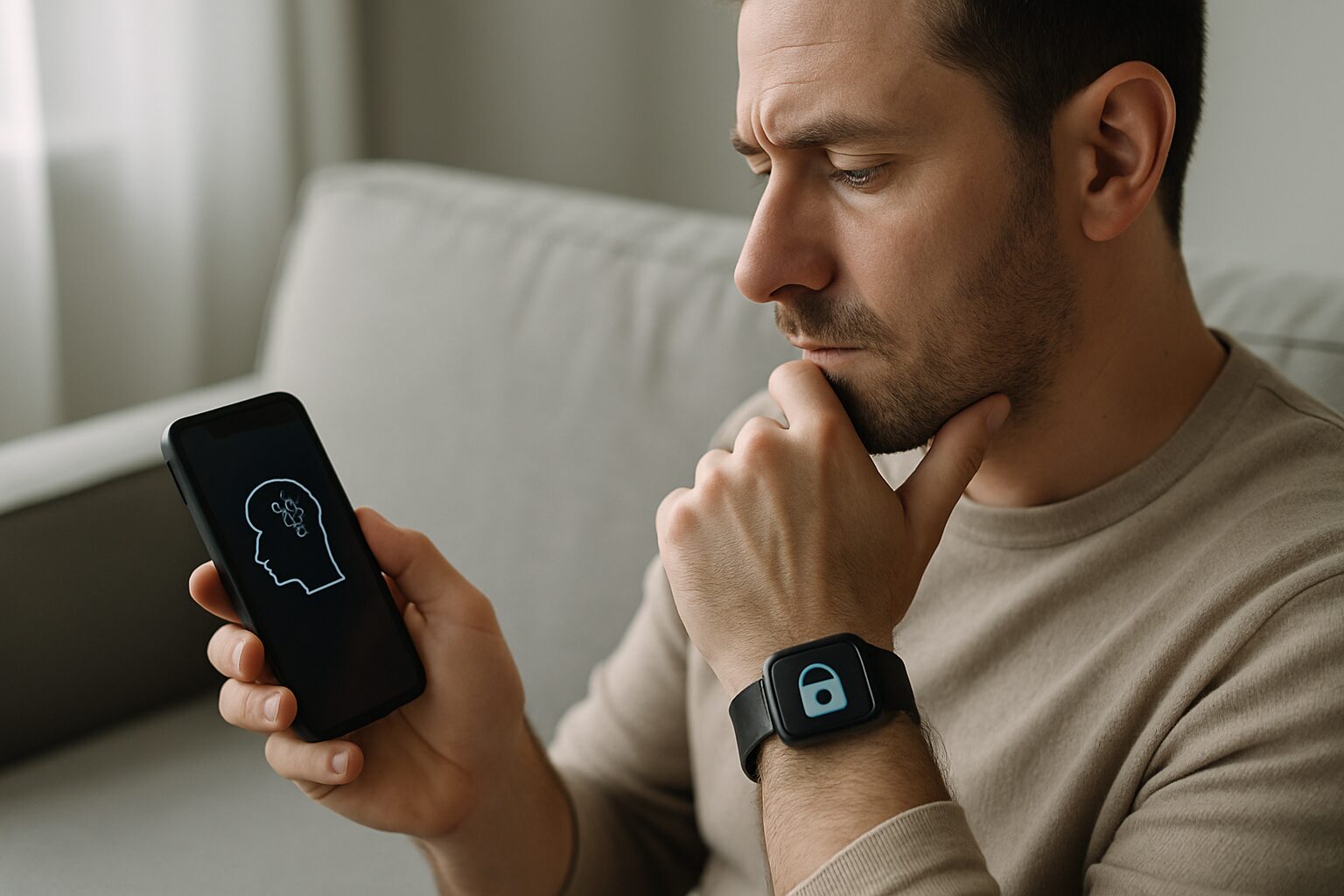
The integration of AI-powered health monitoring devices in educational settings raises ethical concerns about privacy and consent. These technologies, which track physical or mental health data, collect sensitive information from students, often without clear guidelines on data usage or storage. The lack of transparency around who accesses this data and how it is protected creates potential risks for misuse or unintended consequences.
Why It Matters - Real-world impact
The use of AI in health monitoring devices within educational settings raises critical ethical concerns that impact students, parents, educators, and society at large. Students, often minors with limited autonomy, may face privacy violations if sensitive health data is collected, stored, or shared without proper consent. Misuse of this data could lead to discrimination, stigmatization, or even commercial exploitation by third parties. For educators and institutions, the challenge lies in balancing student well-being with ethical data practices, as breaches could erode trust and legal repercussions. Regular people should care because such technologies set precedents for how personal health information is handled in increasingly data-driven environments, shaping norms for future generations.
Ethical Concerns - What’s wrong or risky?
AI in Health Monitoring: A Double-Edged Sword for Student Privacy
The integration of AI in health monitoring devices within educational settings raises significant ethical concerns, particularly around privacy and consent. While these technologies promise to enhance student well-being and safety, they also introduce risks that must be carefully navigated.
Privacy and Data Security
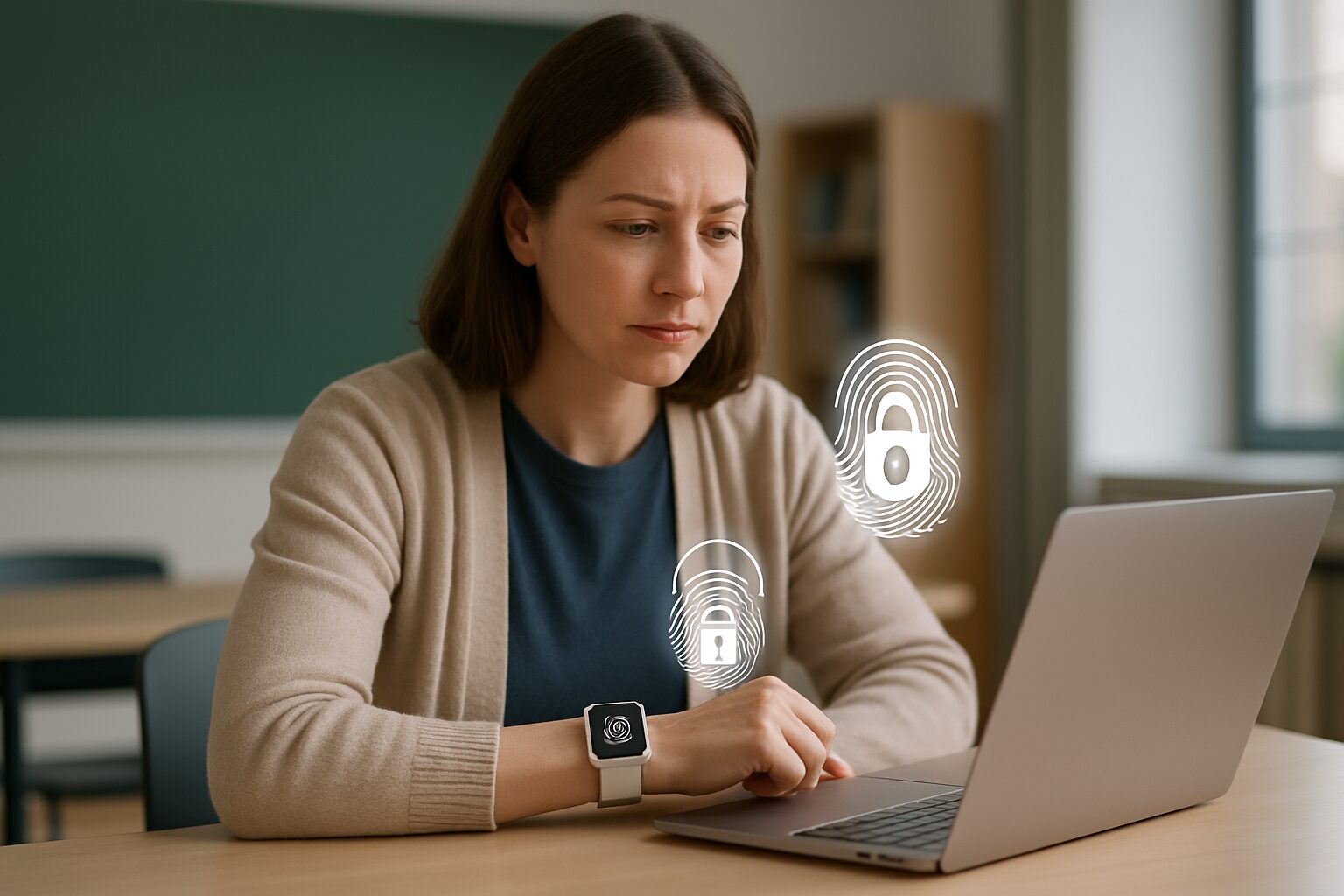
One of the foremost ethical risks is the erosion of student privacy. Health monitoring devices collect sensitive biometric data, such as heart rate, sleep patterns, and activity levels. Without robust safeguards, this data could be vulnerable to breaches or misuse, potentially exposing students to long-term privacy harms.
Discrimination Concerns
AI systems may inadvertently perpetuate or exacerbate discrimination. For example, if algorithms are trained on biased data, they might misinterpret health signals from certain demographic groups, leading to unequal treatment or stigmatization. This could affect students' access to resources or even their academic opportunities.
Fairness in Implementation
Issues of fairness arise when health monitoring is applied inconsistently across student populations. Schools with more resources might implement advanced systems, widening the gap between privileged and underserved communities. Additionally, students with disabilities or chronic health conditions might face disproportionate scrutiny.
Lack of Transparency
Many AI health systems operate as "black boxes," making it difficult for stakeholders to understand how decisions are made. This lack of transparency can undermine trust and accountability, especially when health data influences disciplinary actions or educational placements.
Consent and Autonomy
Obtaining meaningful consent from minors—or their guardians—is complex. Students and families may not fully grasp how their data will be used, stored, or shared. This raises questions about autonomy and whether consent is truly informed, particularly in environments where participation feels mandatory.
Potential for Economic and Social Stratification
The adoption of AI health monitors could have an economic impact, potentially creating a tiered system where wealthier schools offer more sophisticated health protections. This might deepen existing inequities and affect students' long-term health outcomes.
Differing Perspectives
Not all stakeholders view these risks uniformly. Some educators and parents argue that the benefits—such as early detection of health issues or improved emergency response—outweigh the ethical concerns. Others emphasize that without stringent regulations, these technologies could do more harm than good, infringing on students' rights and well-being.
Conclusion
Balancing innovation with ethical responsibility is crucial. Schools and developers must prioritize privacy, consent, and equity to ensure that AI health monitoring serves all students fairly and respectfully.
Solutions - What’s being done or proposed?
Strict Data Protection Regulations
Governments and institutions have proposed implementing strict data protection laws specifically for AI-driven health monitoring in educational settings. These regulations would mandate clear guidelines on data collection, storage, and usage, ensuring that sensitive health information is not misused. For example, GDPR-inspired frameworks could require explicit consent from students or parents before any health data is collected, with severe penalties for violations.
Anonymization and Encryption Technologies
Technical solutions such as advanced anonymization and encryption methods have been suggested to protect student health data. By stripping identifiable information and encrypting data both in transit and at rest, the risk of breaches or misuse is significantly reduced. Some developers are also exploring federated learning models where data is processed locally on devices rather than being centralized, minimizing exposure.
Transparent Consent Mechanisms
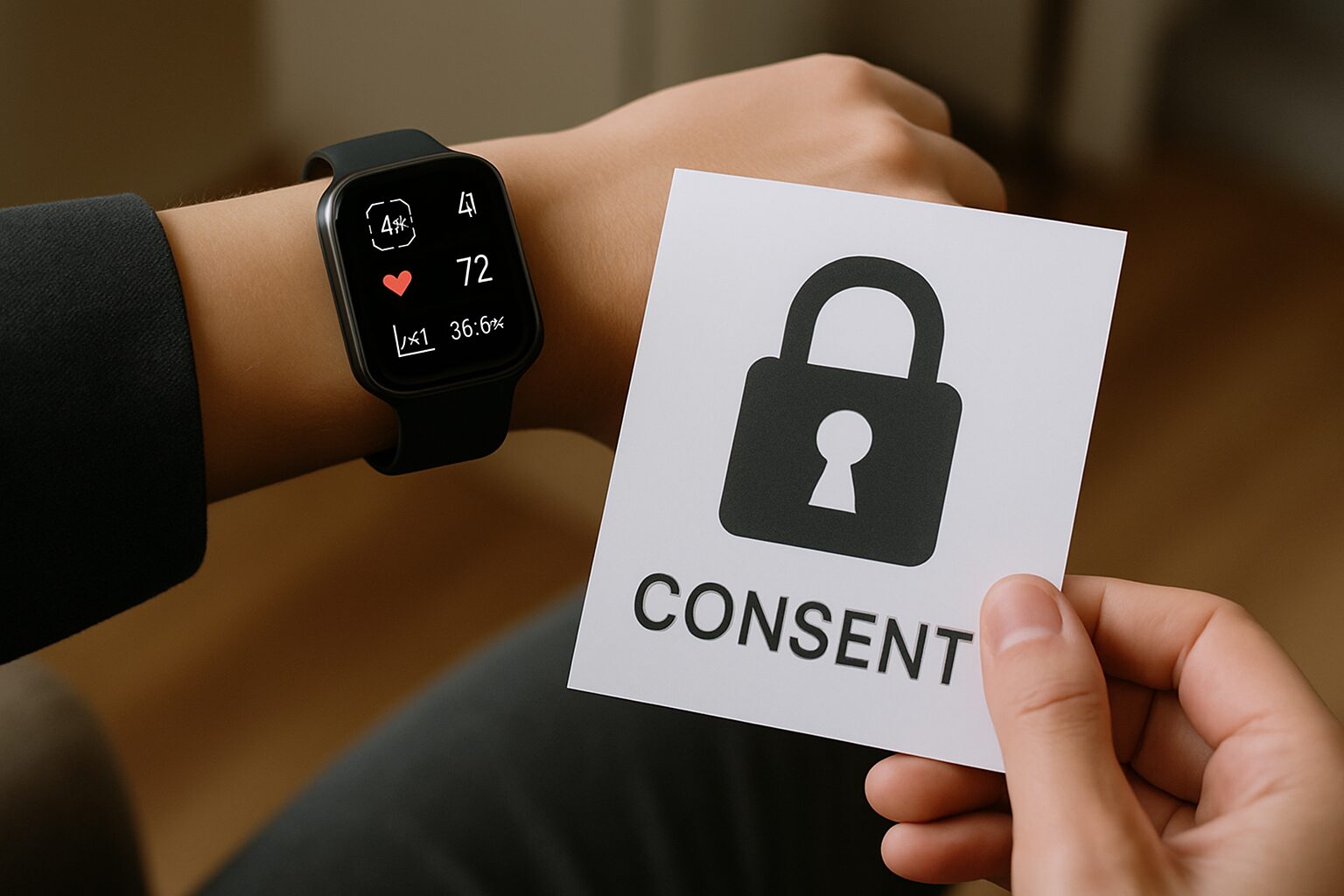
To address privacy concerns, transparent consent mechanisms have been introduced, where students and parents are fully informed about what data is being collected, how it will be used, and who will have access to it. Interactive platforms with easy-to-understand visuals and options to opt-in or opt-out of specific data collection practices are being tested to ensure informed decision-making.
Ethical Review Boards for AI Deployment
Some educational institutions have established ethical review boards to evaluate the deployment of AI health monitoring tools. These boards assess the potential risks and benefits, ensuring that the technology aligns with ethical standards and does not infringe on student rights. They also monitor ongoing use to address any emerging privacy or consent issues promptly.
Student and Parent Education Programs
Educational programs aimed at students and parents have been launched to raise awareness about AI health monitoring devices. These programs explain how the technology works, its benefits, and potential risks, empowering stakeholders to make informed choices. Workshops and informational materials are often provided to demystify the technology and foster trust.
Third-Party Audits and Certifications
Independent third-party audits and certifications for AI health monitoring systems have been proposed to ensure compliance with privacy and ethical standards. These audits would evaluate the technology's data handling practices, security measures, and adherence to consent protocols, providing an additional layer of accountability and transparency.
Limited Data Retention Policies
To mitigate privacy risks, some schools and developers have adopted limited data retention policies, where health data is automatically deleted after a specific period or once it is no longer needed for its intended purpose. This reduces the likelihood of long-term data misuse or unauthorized access.
Community Involvement in Decision-Making
Engaging the school communityu2014including students, parents, teachers, and administratorsu2014in the decision-making process for deploying AI health monitoring tools has been suggested. Town halls, surveys, and focus groups help gather diverse perspectives and ensure that the technology meets collective ethical and privacy expectations.
Examples and Real Cases
Gaggle's AI Monitoring in Schools
In 2021, Gaggle, an AI-driven student monitoring service, faced criticism for scanning students' emails and documents for signs of self-harm or violence. Privacy advocates argued the system collected excessive personal data without clear student consent, raising concerns about surveillance in educational settings.
ClassDojo's Behavioral Tracking
ClassDojo, widely used in U.S. schools, employs AI to track student behavior and share reports with parents. In 2019, concerns emerged about data privacy, as the platform stored sensitive behavioral information without explicit opt-in consent from students or families.
Hypothetical: Wearable Stress Monitors in Universities
A university pilot program introduces AI-powered wristbands to monitor students' stress levels via heart rate and sleep data. While intended to improve mental health support, students protest, citing lack of transparency in data usage and pressure to participate for academic benefits.
Proctorio's Exam Surveillance
During the COVID-19 pandemic, Proctorio's AI exam proctoring tool logged students' keystrokes, eye movements, and room scans. In 2020, students at the University of British Columbia sued, claiming the software violated privacy laws by collecting biometric data without proper consent.
Hypothetical: AI Lunch Trays in Elementary Schools
A school district trials smart lunch trays with cameras and weight sensors to track students' food choices for nutrition research. Parents demand opt-out options after discovering the data was shared with a third-party analytics firm without disclosure in the consent forms.
Frequently Asked Questions
What is AI in health monitoring devices in education?
AI in health monitoring devices in education refers to using artificial intelligence to track and analyze students' health data, like heart rate or activity levels, through wearable devices or sensors. This helps schools monitor well-being and identify potential health issues early.
Why is privacy important in AI health monitoring at schools?
Privacy is crucial because students' health data is sensitive. Without proper safeguards, unauthorized access or misuse could lead to breaches of confidentiality, discrimination, or emotional harm. Schools must ensure data is collected, stored, and used ethically.
Do students need consent for AI health monitoring in schools?
Yes, consent is required. Schools must inform students and parents about what data is collected, how it's used, and who has access. Consent ensures transparency and allows families to opt out if they're uncomfortable with the monitoring.
How can AI health monitoring benefit students?
AI health monitoring can detect early signs of stress, fatigue, or illness, allowing schools to provide timely support. It can also promote healthy habits by tracking physical activity and sleep patterns, improving overall student well-being and academic performance.
What are the risks of using AI for health monitoring in schools?
Risks include data breaches, misuse of personal information, or over-reliance on technology without human oversight. Schools must balance benefits with strong privacy policies, secure systems, and clear guidelines to protect students' rights.