Revolutionizing Wellness: How AI Powers Next-Gen Health Monitors
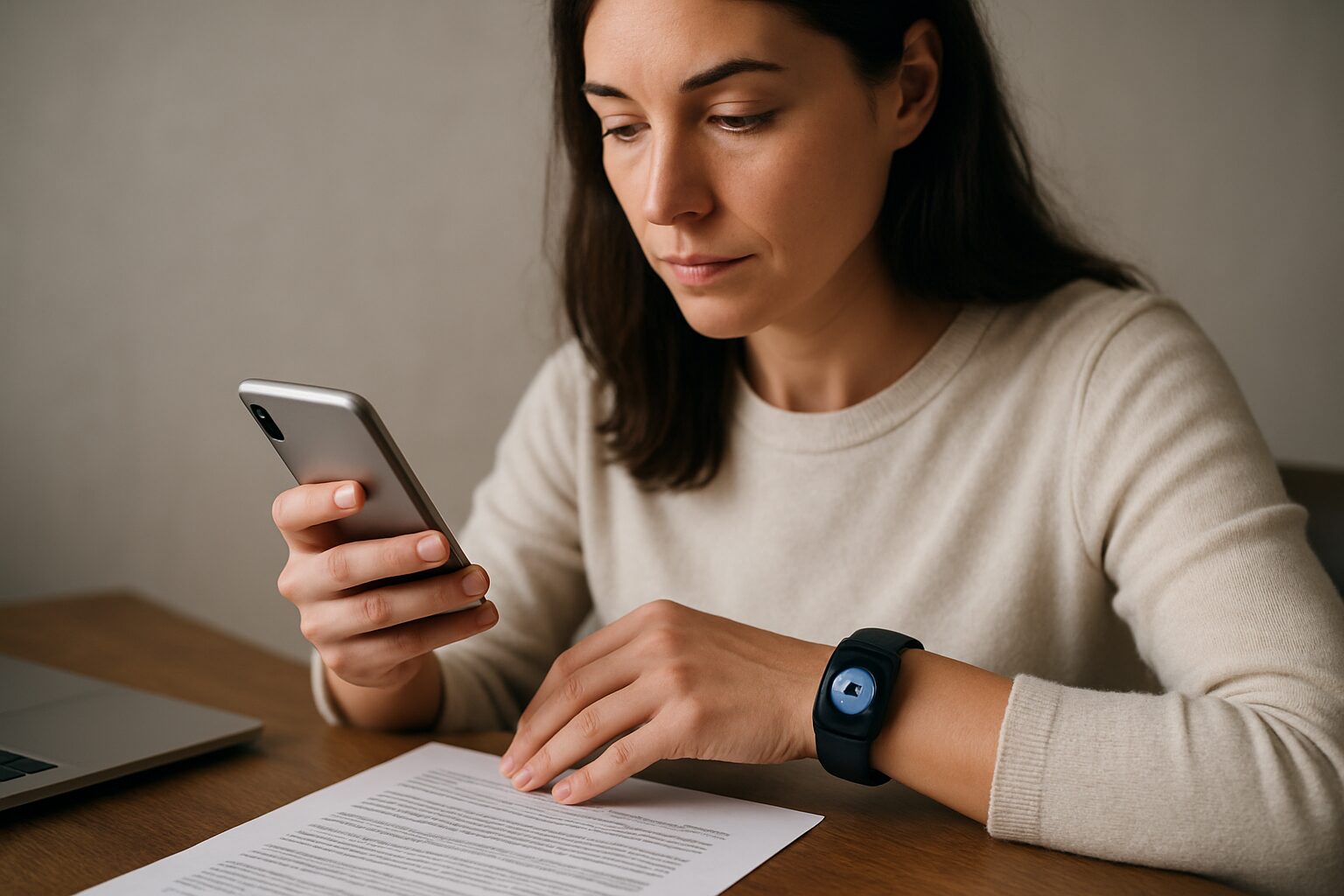
Health monitoring devices powered by AI collect and analyze sensitive personal data, such as heart rate, sleep patterns, and activity levels. This raises ethical concerns about how this data is stored, shared, and used, particularly when users may not fully understand the implications of consent agreements. The issue centers on balancing the benefits of AI-driven health insights with the need to protect individual privacy and autonomy.
Why It Matters - Real-world impact
The ethical use of AI in health monitoring devices has profound real-world implications for patients, healthcare providers, and society at large. When sensitive biometric data—such as heart rate, sleep patterns, or blood glucose levels—is collected and processed by AI systems, improper handling can lead to privacy breaches, discrimination in insurance or employment, or even life-threatening misdiagnoses. Vulnerable populations, including elderly users or those with chronic conditions, are particularly at risk if algorithms are biased or data is exploited. Regular people should care because these devices increasingly influence medical decisions, yet users often unknowingly consent to opaque data-sharing practices. Without proper safeguards, the very tools designed to improve health could erode trust in medicine and exacerbate health disparities.
Ethical Concerns - What’s wrong or risky?
Economic Impact of AI Health Monitoring
The integration of AI in health monitoring devices raises significant economic concerns. While these technologies promise to reduce healthcare costs and improve efficiency, they may also widen the gap between those who can afford advanced monitoring and those who cannot. This could lead to a two-tiered healthcare system where only wealthier individuals benefit from cutting-edge AI tools, exacerbating existing inequalities. For more on this, see our page on Ethical Concern: Economic Impact.
Discrimination Risks in Health Data
AI systems in health monitoring can inadvertently perpetuate or even amplify discrimination. If training data is biased—for example, underrepresenting certain demographic groups—the AI may produce less accurate or unfair outcomes for those populations. This could result in misdiagnoses or inadequate care for minority groups, reinforcing systemic biases. Learn more about these issues at Ethical Concerns: Discrimination.
Fairness in Algorithmic Decisions
Ensuring fairness in AI-driven health devices is critical. Algorithms might prioritize certain health metrics over others, potentially overlooking important contextual factors that affect an individual's health. This could lead to unfair treatment recommendations, especially if the AI is not regularly audited for equity. For a deeper dive, visit Ethical Concerns: Fairness.
Transparency and Understandability
Many AI health monitoring systems operate as "black boxes," making it difficult for users and even healthcare providers to understand how decisions are made. Lack of transparency can erode trust and prevent individuals from questioning or correcting erroneous health advice. Transparency is essential for informed consent and accountability. Further details can be found at Ethical Concerns: Transparency.
Differing Perspectives on Privacy
Not everyone agrees on the extent of privacy risks posed by AI health monitors. Some argue that the benefits of continuous health tracking outweigh potential privacy invasions, especially for managing chronic conditions. Others contend that without stringent safeguards, sensitive health data could be misused by insurers, employers, or malicious actors, leading to stigmatization or exploitation.
Moral Concerns Beyond the Table
Additional ethical risks include autonomy erosion, where over-reliance on AI may diminish personal agency in health decisions, and data security vulnerabilities, which could expose highly personal information. There's also the risk of "digital hypochondria," where constant monitoring increases anxiety rather than promoting wellness.
Worker Rights in Health Tech
The rise of AI in health monitoring could impact healthcare professionals, potentially displacing jobs or devaluing human expertise in favor of automated systems. It's important to consider how these technologies affect those working in healthcare, ensuring that AI complements rather than replaces human judgment. Explore this topic at Ethical Concerns: Worker Rights.
Job Loss Fears
As AI takes on more diagnostic and monitoring tasks, there are concerns about job displacement for healthcare workers, particularly in roles focused on data analysis or routine check-ups. However, some experts believe AI will create new opportunities and allow professionals to focus on more complex care. For insights, check Ethical Concerns: Job Loss.
Solutions - What’s being done or proposed?
Stronger Data Encryption Standards
Many experts advocate for implementing advanced encryption protocols in health monitoring devices to protect user data from unauthorized access. Techniques like end-to-end encryption and homomorphic encryption (which allows data to be processed without decryption) are being explored. This ensures that even if data is intercepted, it remains unreadable without proper authorization.
Transparent Consent Mechanisms
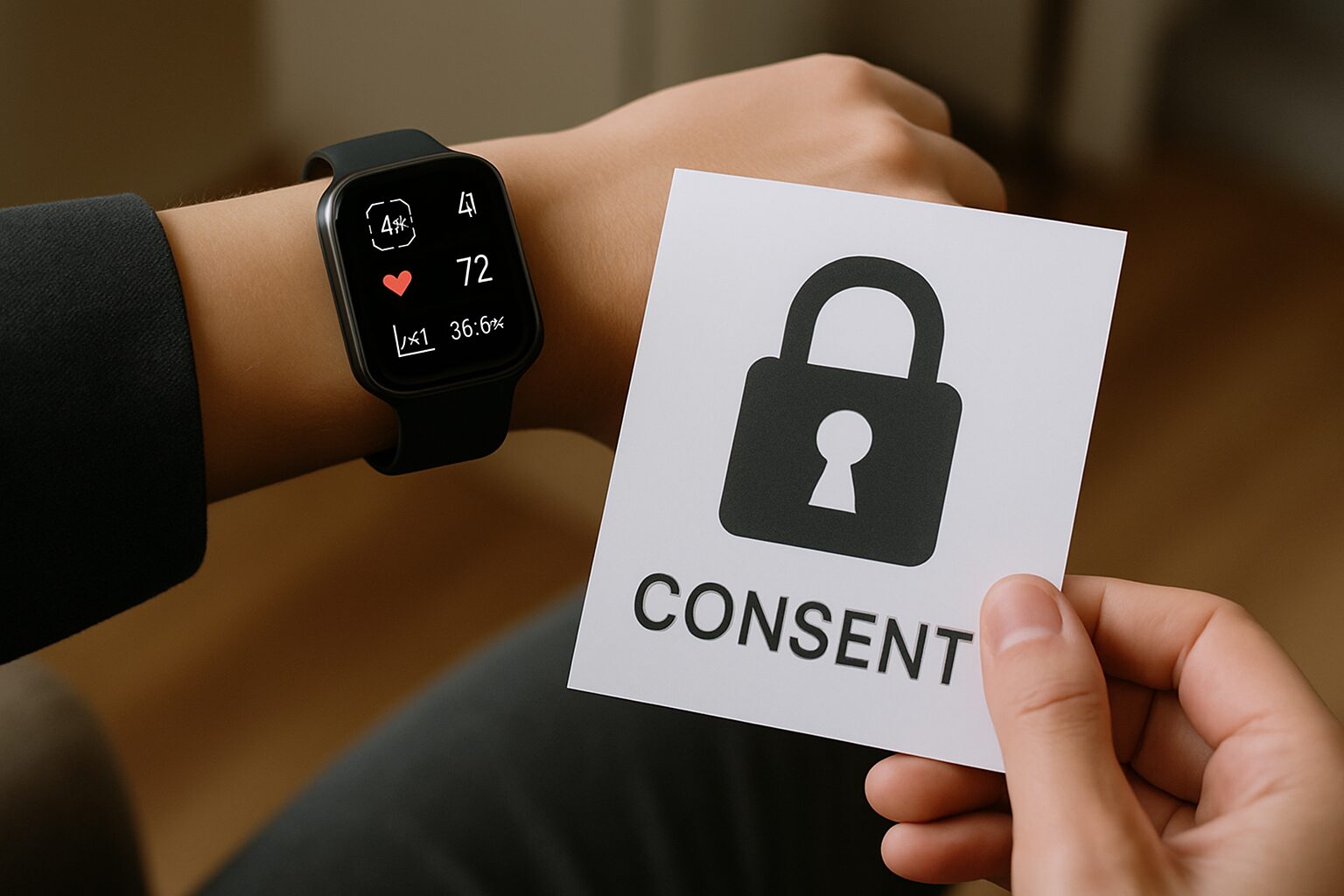
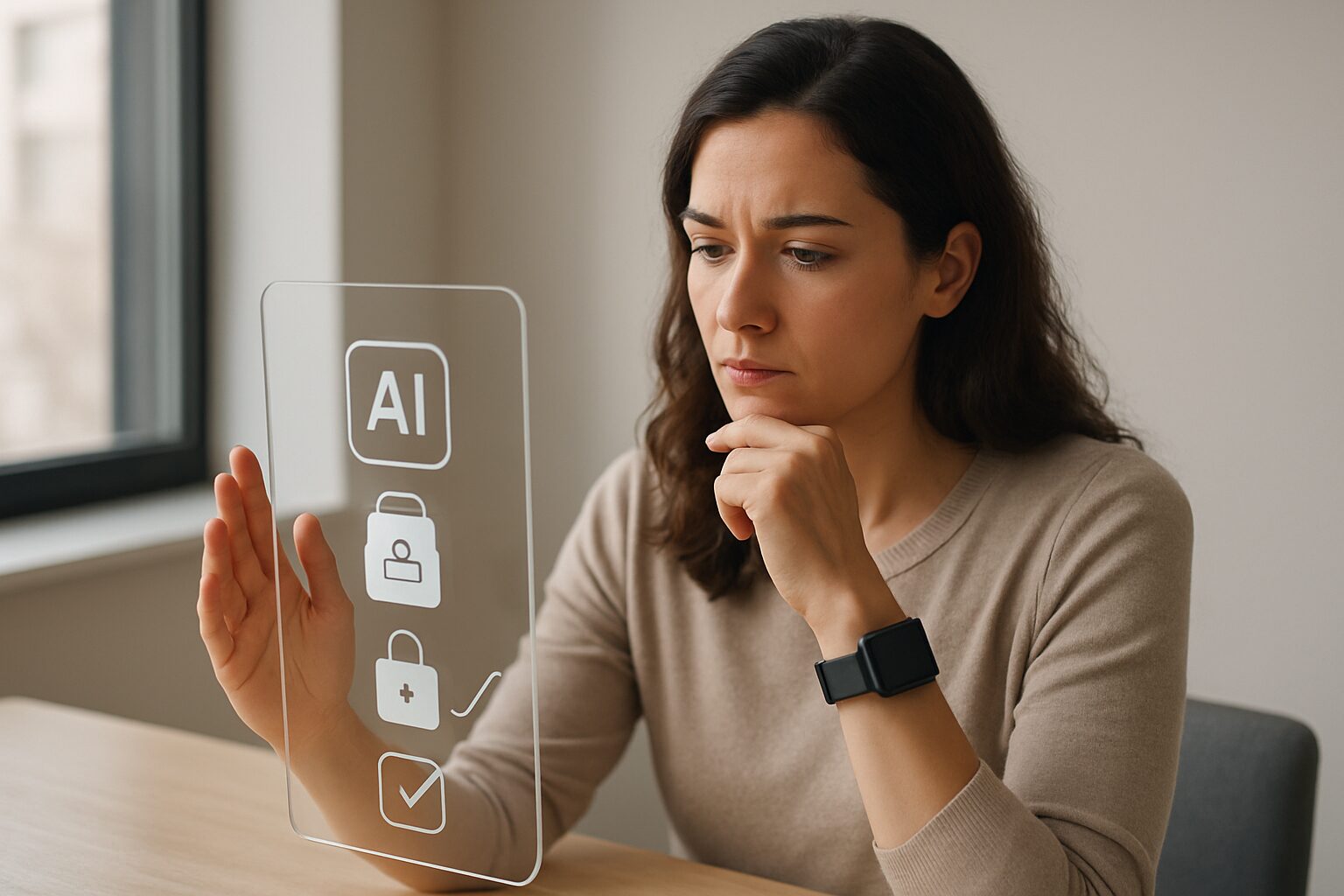
To address privacy concerns, developers and policymakers have proposed clearer, more granular consent forms. These would allow users to specify exactly what data is collected, how it is used, and with whom it is shared. Some platforms are experimenting with dynamic consent models, where users can adjust permissions in real-time via user-friendly interfaces.
Regulatory Frameworks and Compliance
Governments and organizations have introduced regulations like GDPR (EU) and HIPAA (US) to enforce strict guidelines on health data handling. These frameworks mandate data minimization, purpose limitation, and user rights like data deletion. Compliance is often verified through audits, and non-compliance can result in heavy penalties, incentivizing ethical practices.
Decentralized Data Storage
Some solutions propose using blockchain or decentralized networks to store health data. This reduces reliance on centralized servers, which are vulnerable to breaches. Users retain control over their data, granting access only when necessary. However, scalability and energy consumption remain challenges for widespread adoption.
AI Auditing and Accountability
Independent audits of AI systems in health devices are being suggested to ensure fairness, accuracy, and bias mitigation. Third-party organizations could evaluate algorithms for ethical compliance and transparency. Some companies now publish 'algorithmic impact assessments' to demonstrate accountability to users and regulators.
Public Awareness Campaigns
Educational initiatives aim to inform users about the risks and benefits of AI in health monitoring. Workshops, online resources, and simplified guides help individuals make informed decisions about device usage. Advocacy groups also push for greater corporate transparency regarding data practices.
Anonymization and Pseudonymization Techniques
To balance data utility and privacy, health data is often anonymized (removing identifiers) or pseudonymized (replacing identifiers with tokens). While not foolproof, these methods reduce re-identification risks. Newer approaches, like differential privacy, add statistical noise to datasets to further protect individual identities.
Examples and Real Cases
Google's Project Nightingale (2019)
In 2019, Google partnered with Ascension, a major healthcare provider, to collect and analyze health data from millions of patients without their explicit consent. The project, called Nightingale, raised concerns about patient privacy and the ethical use of AI in handling sensitive health information.
Fitbit Data Sharing with Google (2021)
After Google acquired Fitbit in 2021, concerns arose about the potential misuse of user health data. Critics worried that AI-driven analysis of Fitbit data could lead to unauthorized profiling or targeted advertising without clear user consent.
Hypothetical: AI-Powered Mental Health App Leak
In a hypothetical scenario, an AI-powered mental health monitoring app could inadvertently expose sensitive user data due to inadequate encryption. This could lead to stigmatization or discrimination if employers or insurers accessed the information without consent.
Apple Watch ECG Feature and Data Privacy (2018)
When Apple introduced its ECG feature in 2018, questions emerged about how the collected heart data would be used. While Apple emphasized user privacy, experts raised concerns about potential third-party access to this sensitive health information via AI-driven platforms.
DeepMind's Streams App Controversy (2017)
In 2017, DeepMind's Streams app, which used AI to analyze patient data, was found to have accessed records of 1.6 million UK patients without proper legal basis. This incident highlighted the ethical challenges of AI in health monitoring without transparent consent mechanisms.
Frequently Asked Questions
What is AI in health monitoring devices?
AI in health monitoring devices refers to the use of artificial intelligence to analyze health data collected by devices like smartwatches or fitness trackers. It helps detect patterns, predict potential health issues, and provide personalized insights.
Why is privacy important in AI health monitoring?
Privacy is crucial because these devices collect sensitive personal health data. Without proper safeguards, this information could be misused, leading to breaches of confidentiality or discrimination based on health status.
Do I need to give consent for AI to use my health data?
Yes, most reputable companies require your explicit consent before using your health data for AI analysis. You should always read privacy policies to understand how your data will be used and shared.
How does AI in health devices help people today?
Today, AI in health devices can detect irregular heartbeats, monitor blood sugar levels, track sleep patterns, and even predict potential health risks, helping people manage their health more proactively.
Can AI health monitoring replace doctors?
No, AI health monitoring complements but doesn't replace doctors. While it can detect potential issues and provide valuable data, medical professionals are needed for accurate diagnosis and treatment decisions.