The Future of Identity Protection: Navigating Biometrics and AI Regulations
AI systems increasingly rely on biometric data—such as fingerprints, facial recognition, or voice patterns—to verify identity or personalize services. The collection and processing of this sensitive information raise concerns about privacy, security, and potential misuse. Regulatory frameworks struggle to keep pace with technological advancements, creating gaps in oversight and accountability.
Why It Matters - Real-world impact
The ethical use of AI in processing biometric data—such as facial recognition, fingerprints, or voice patterns—has profound real-world implications for individuals and society. From employees subjected to workplace surveillance to marginalized communities disproportionately targeted by biased algorithms, the misuse of biometric data can lead to privacy violations, discrimination, and even wrongful arrests. Without proper regulation, corporations and governments could exploit this sensitive information for unchecked surveillance, eroding civil liberties. Regular people should care because once biometric data is collected, it is nearly impossible to revoke or replace, creating lifelong risks of identity theft or misuse. The stakes are high: this technology affects fundamental rights to autonomy, dignity, and fairness in an increasingly data-driven world.
Ethical Concerns - What’s wrong or risky?
Navigating the Ethical Minefield of AI and Biometric Data
As artificial intelligence increasingly integrates with biometric data—such as facial recognition, fingerprints, and voice patterns—a host of ethical risks emerge that demand careful consideration and robust regulation.
Discrimination and Fairness
One of the most pressing concerns is the potential for discrimination. AI systems trained on biased data can perpetuate and even amplify existing societal prejudices, leading to unfair treatment based on race, gender, or other protected characteristics. This ties directly into issues of fairness, as algorithms may not perform equally across different demographic groups, resulting in unjust outcomes in areas like law enforcement, hiring, or access to services.
Transparency and Accountability
Another critical issue is transparency. Many AI systems operate as "black boxes," making it difficult to understand how decisions are made. When biometric data is involved, this lack of clarity can erode trust and make it challenging to hold entities accountable for errors or misuse, such as false identifications or privacy breaches.
Worker Rights and Economic Impact
The use of AI in monitoring employees through biometric data—such as tracking productivity or well-being—raises significant worker rights concerns. It can lead to increased surveillance, loss of autonomy, and pressure to meet algorithmic benchmarks. Additionally, there are worries about the broader economic impact, as automation driven by AI could disrupt job markets, though some argue it may create new opportunities in tech and data management.
Diverse Perspectives on Regulation
Not everyone agrees on how to address these risks. Some advocate for strict, preemptive regulations to protect individual privacy and prevent harm, emphasizing the precautionary principle. Others argue for a more flexible, innovation-friendly approach, suggesting that overregulation could stifle technological progress and economic growth. There is also debate about whether existing legal frameworks are sufficient or if new, specialized laws are needed to keep pace with AI advancements.
Additional Moral Concerns
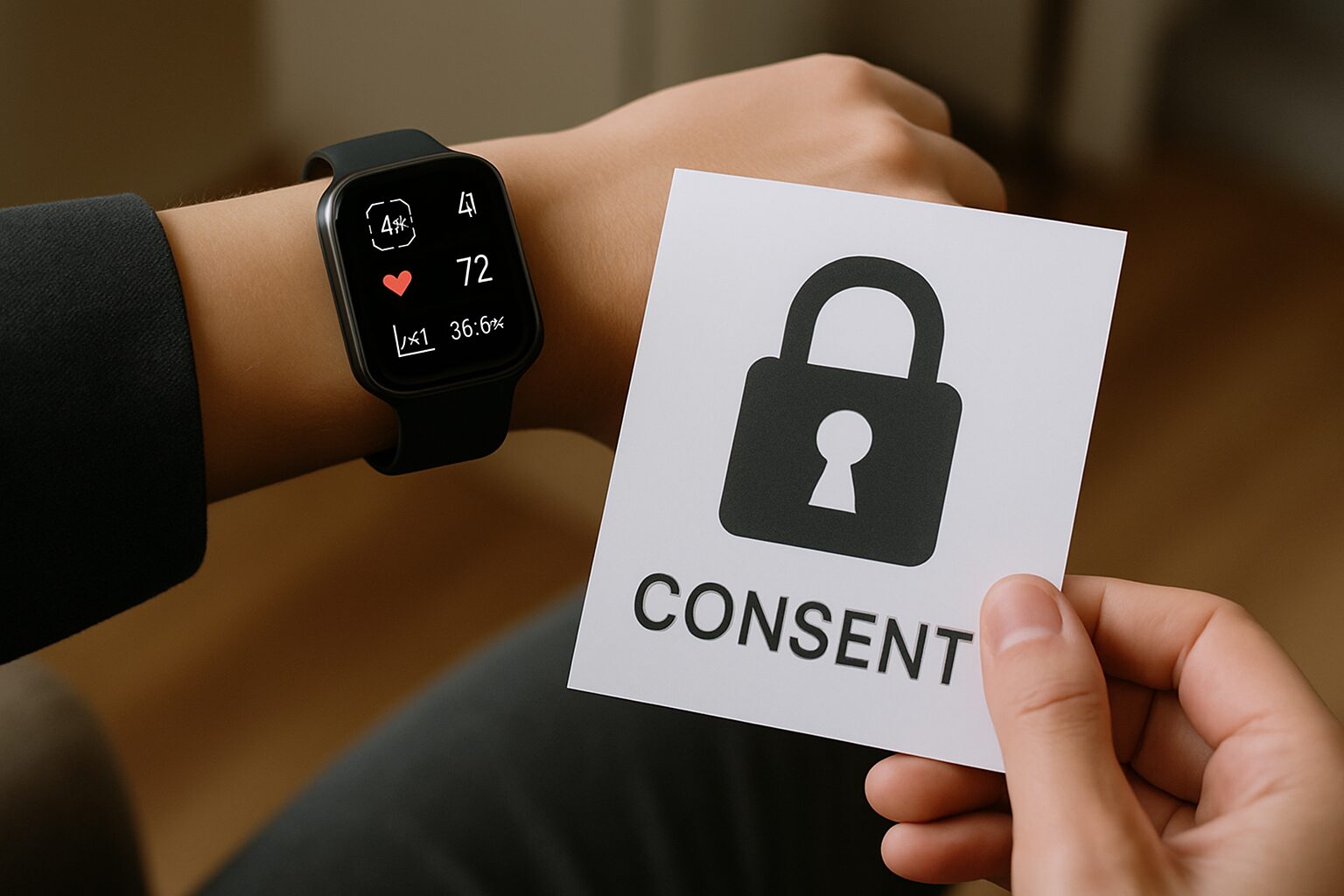
Beyond the linked categories, other ethical risks include consent—whether individuals truly understand how their data is used—and the potential for function creep, where data collected for one purpose is repurposed without permission. The permanence and uniqueness of biometric data also heighten stakes, as breaches can lead to irreversible identity theft or misuse.
Solutions - What’s being done or proposed?
Stronger Legal Frameworks and Regulations
Governments and international bodies have proposed stricter laws to regulate the collection and use of biometric data by AI systems. Examples include the EU's General Data Protection Regulation (GDPR), which imposes heavy penalties for misuse, and the proposed AI Act, which specifically addresses biometric surveillance. These frameworks aim to ensure transparency, accountability, and user consent before data is processed.
Privacy-Preserving AI Technologies
Technical solutions like federated learning, differential privacy, and homomorphic encryption have been developed to allow AI systems to analyze biometric data without exposing raw data. These methods enable computations on encrypted or anonymized data, reducing the risk of breaches or misuse while still allowing for meaningful insights.
Decentralized Data Storage
Some organizations advocate for decentralized or blockchain-based storage of biometric data to prevent centralized misuse. By distributing data across secure nodes, users retain greater control over their information, and access can be tightly regulated through cryptographic permissions.
Ethical AI Audits and Certification
Independent audits and certification programs for AI systems handling biometric data have been suggested to ensure compliance with ethical standards. These audits would evaluate fairness, bias, and privacy risks, providing transparency to users and regulators while holding developers accountable.
Public Awareness and Education Campaigns
Advocacy groups and institutions have launched initiatives to educate the public about biometric data risks and rights. By increasing awareness, individuals can make informed decisions about sharing their data and demand better protections from companies and governments.
Opt-In Consent Models
Instead of opt-out systems, some propose strict opt-in requirements for biometric data collection, ensuring users actively agree before their data is used. This shifts the burden to organizations to justify the necessity of data collection and empowers individuals to control their privacy.
Biometric Data Anonymization Standards
Standardized anonymization techniques, such as irreversible hashing or synthetic data generation, can minimize privacy risks while allowing AI training. Regulatory bodies and industry groups are working to establish best practices to ensure data cannot be re-identified.
Cross-Border Data Governance Agreements
International agreements, like the EU-US Privacy Shield (now invalidated but under renegotiation), attempt to harmonize biometric data protections across jurisdictions. Such frameworks aim to prevent loopholes where companies exploit weaker regulations in certain regions.
Examples and Real Cases
Clearview AI's Facial Recognition Controversy
In January 2020, Clearview AI faced backlash for scraping billions of images from social media platforms without consent to build its facial recognition database. The company was sued by the ACLU and faced bans in several countries, including Canada and Australia, for violating privacy laws.
Amazon's Rekognition and Law Enforcement
In 2018, Amazon's Rekognition tool was used by law enforcement agencies, raising concerns about racial bias and misuse. Tests by the ACLU showed the system misidentified 28 members of Congress as criminals, disproportionately affecting people of color.
China's Social Credit System
China's nationwide social credit system, operational since 2014, uses AI and biometric data to monitor citizens' behavior. Critics argue it infringes on privacy and enables mass surveillance, with penalties like travel bans for low-scoring individuals.
Hypothetical: AI-Powered Workplace Monitoring
A hypothetical company implements AI-driven biometric monitoring to track employee productivity through keystrokes, facial expressions, and heart rate. Employees report stress and privacy violations, but the company claims it improves efficiency, sparking debates over ethical boundaries.
IBM's Diversity in Faces Dataset
In 2019, IBM released the Diversity in Faces dataset to address bias in facial recognition. However, it faced criticism for using images from Flickr without explicit consent, highlighting the ethical dilemmas in sourcing biometric data.
Frequently Asked Questions
What is biometric data in AI?
Biometric data in AI refers to unique physical or behavioral characteristics like fingerprints, facial recognition, or voice patterns that AI systems use to identify individuals. It's often collected for security, authentication, or personalization purposes.
Why is biometric data privacy important?
Biometric data privacy is important because unlike passwords, biometric traits (like your face or fingerprints) can't be changed if compromised. Poor protection can lead to identity theft, surveillance risks, or misuse of personal information without consent.
Do I have to consent to sharing my biometric data?
In many regions, yes! Laws like GDPR (EU) or BIPA (Illinois, USA) require companies to get your explicit consent before collecting biometric data. Always check privacy policies and opt out if uncomfortable.
How is AI regulated for biometric data use?
Regulations vary by country. Some require transparency (how data is used), storage limits, and user rights to delete data. For example, the EU's AI Act restricts high-risk uses like real-time facial recognition in public spaces.
Can companies sell my biometric data?
Typically nou2014unless you explicitly agree. Strong privacy laws often ban selling biometric data without consent. However, rules differ globally, so always review terms before using apps/devices that scan your biometrics.