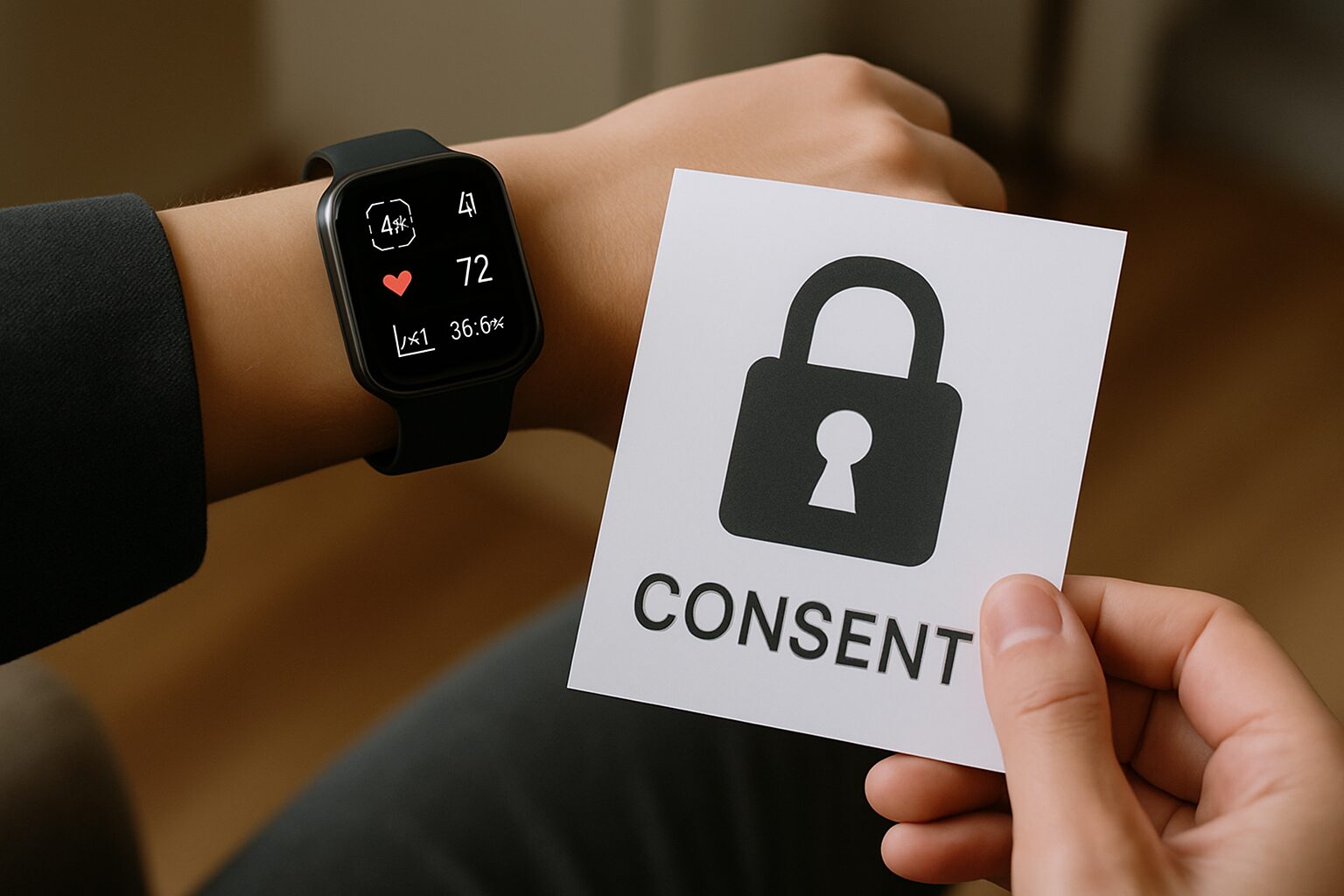
The Future of Smart Speakers: Privacy, Ethics, and Who's Really Listening?
Voice assistants, such as those found in smart speakers and smartphones, are designed to listen for activation commands, raising concerns about always-on listening. This continuous audio monitoring creates potential privacy risks, as sensitive conversations could be recorded or processed without explicit user consent. The lack of clear governance around data collection, storage, and usage further complicates the ethical implications of these technologies.
Why It Matters - Real-world impact
The issue of always-on listening in voice assistants affects virtually anyone who uses smart devices—from homeowners with smart speakers to children interacting with AI toys. Without proper governance, these devices risk capturing private conversations, sensitive data, or even accidental triggers, exposing users to surveillance, data breaches, or misuse by corporations or malicious actors. Regular people should care because the erosion of privacy extends beyond targeted ads; it can enable discrimination, identity theft, or unauthorized profiling based on intimate behavioral patterns. The normalization of constant listening also sets a dangerous precedent, conditioning society to accept invasive technologies without transparency or meaningful consent. Addressing these concerns is critical to ensuring that convenience does not come at the cost of fundamental rights.
Ethical Concerns - What’s wrong or risky?
Always-On Listening: A Privacy Paradox
Voice assistants, designed for convenience, introduce significant ethical risks by continuously processing audio data. This always-on functionality challenges traditional notions of consent, as users may not fully understand when or how their data is being captured and used.
Transparency and Informed Consent
A core issue is the lack of transparency regarding data collection practices. Many users are unaware that their devices may record and transmit snippets of conversations, even when not explicitly activated. This opacity undermines informed consent, as individuals cannot make meaningful choices about their privacy without clear, accessible information.
Discrimination and Bias in Data Processing
Voice recognition systems can perpetuate or exacerbate discrimination. If training data is unrepresentative, these systems may perform poorly for users with certain accents, dialects, or speech patterns, effectively excluding them from full participation or leading to erroneous outcomes.
Fairness in Data Usage
Questions of fairness arise when considering how collected data is used. For instance, if voice data influences personalized services or advertisements, it could create unequal experiences or opportunities based on inadvertently captured sensitive information, such as health or financial discussions.
Economic and Power Imbalances
The consolidation of voice data by a few large tech companies raises concerns about economic impact, potentially stifling competition and reinforcing monopolistic practices. This concentration of power allows corporations to influence markets and consumer behavior in ways that may not align with public interest.
Worker Rights in the AI Ecosystem
Behind the scenes, human reviewers often analyze voice data to improve algorithms, raising issues related to worker rights. These workers may face poor labor conditions, low wages, and exposure to disturbing content, highlighting ethical responsibilities toward those enabling AI functionality.
Divergent Perspectives
Not everyone views these risks uniformly. Some argue that the benefits of voice assistants—such as accessibility for disabled users or efficiency gains—outweigh privacy concerns. Others believe that with robust encryption and anonymization, risks can be mitigated without sacrificing functionality. Meanwhile, privacy advocates contend that any unauthorized data collection is inherently unethical, regardless of potential safeguards.
Job Displacement Concerns
As voice technology advances, there is potential for job loss in sectors reliant on human customer service or interaction. While new roles may emerge in AI maintenance and development, the transition could disproportionately affect low-skilled workers, exacerbating economic inequality.
Solutions - What’s being done or proposed?
Legislative Regulation and Compliance
Governments and regulatory bodies have proposed and, in some cases, implemented laws to ensure transparency and user consent in always-on listening devices. For example, the General Data Protection Regulation (GDPR) in the EU mandates that companies must obtain explicit consent from users before collecting or processing their data. Similar frameworks require clear disclosures about how voice data is stored, used, and shared, with penalties for non-compliance.
Local Processing and On-Device AI
To address privacy concerns, some companies have developed voice assistants that process data locally on the device rather than sending it to cloud servers. This approach minimizes the risk of unauthorized access or misuse of personal data. For instance, certain smart home devices now feature on-device speech recognition, ensuring that voice commands are processed without external data transmission.
User-Controlled Data Retention Policies
Some platforms allow users to customize how long their voice data is retained or to delete recordings manually. For example, major voice assistant providers offer settings where users can opt for automatic deletion after a set period or review and delete specific interactions. This empowers users with greater control over their personal data, aligning with principles like the right to be forgotten.
Transparency and Auditing Tools
Independent audits and transparency reports have been suggested as a way to hold companies accountable. Organizations like the Electronic Frontier Foundation (EFF) advocate for third-party audits of voice assistant systems to ensure compliance with privacy standards. Some companies now publish transparency reports detailing how often they share data with law enforcement or other third parties.
Opt-In Consent Models
Instead of default always-on listening, some proposals suggest an opt-in model where users must explicitly activate the feature. This could involve physical switches or software toggles that enable or disable microphone access. Such models ensure that users are fully aware and in control of when their devices are listening, promoting informed consent.
Community and Ethical Guidelines
Industry groups and advocacy organizations have developed ethical guidelines for AI and voice assistants. These guidelines encourage companies to prioritize user privacy, minimize data collection, and avoid deceptive practices. While not legally binding, they set standards for responsible development and deployment of always-on technologies.
Decentralized and Open-Source Alternatives
Some technologists advocate for decentralized or open-source voice assistant platforms where users can verify how their data is handled. Projects like Mycroft or Rhasspy offer privacy-focused alternatives where users host their own voice recognition systems, reducing reliance on corporate-controlled infrastructure.
Examples and Real Cases
Amazon Echo Records Private Conversation (2018)
In 2018, an Amazon Echo device in Portland, Oregon, accidentally recorded a private conversation and sent it to a contact without the user's knowledge. The incident raised concerns about the device's always-on listening feature and its potential for privacy violations.
Google Assistant Accidental Activations (2019)
In 2019, it was reported that Google Assistant devices were accidentally activating thousands of times a day, recording snippets of conversations without user intent. This highlighted the challenges of voice recognition accuracy and the risks of unintended data collection.
Apple Siri Grading Program Controversy (2019)
In 2019, Apple admitted that contractors were listening to Siri recordings, including private conversations, to improve the voice assistant's accuracy. The revelation led to public outcry and Apple suspending the program, emphasizing the need for clearer consent mechanisms.
Hypothetical: Voice Assistant Used for Surveillance
In a hypothetical scenario, a government could mandate that voice assistants like Alexa or Google Home continuously monitor conversations for specific keywords, bypassing user consent. This would raise significant ethical and legal questions about mass surveillance and privacy rights.
Facebook Portal Voice Data Sharing (2020)
In 2020, it was revealed that Facebook's Portal devices shared voice data with third-party developers for ad targeting purposes. This sparked debates about the transparency of data sharing practices and user control over their voice recordings.
Frequently Asked Questions
What is always-on listening in voice assistants?
Always-on listening means that voice assistants like Alexa or Google Assistant are constantly listening for their wake word (e.g., 'Hey Google') to activate. The device processes audio locally until it detects the wake word, after which it may send data to the cloud for further processing.
Why is privacy a concern with always-on listening?
Privacy concerns arise because the device is always listening, even if it's only for the wake word. Users worry about accidental recordings, data being stored without consent, or potential misuse of sensitive conversations if the device mistakenly activates.
How can I control what my voice assistant records?
Most voice assistants allow you to review and delete recordings in their app settings. You can also turn off voice history or disable always-on listening entirely, though this may limit functionality. Always check the privacy settings of your specific device.
Do voice assistants listen to everything I say?
No, voice assistants are designed to only start recording and processing audio after detecting their wake word. However, false activations can happen, and small snippets of audio may be recorded unintentionally before the system realizes it wasn't the wake word.
What laws govern voice assistant privacy?
Laws vary by country, but many regions have data protection regulations like GDPR (EU) or CCPA (California) that require companies to disclose data collection practices and obtain consent. However, specific laws about always-on listening are still evolving as the technology develops.