How Smart Speakers Listen: Privacy Concerns and Transparency Explained
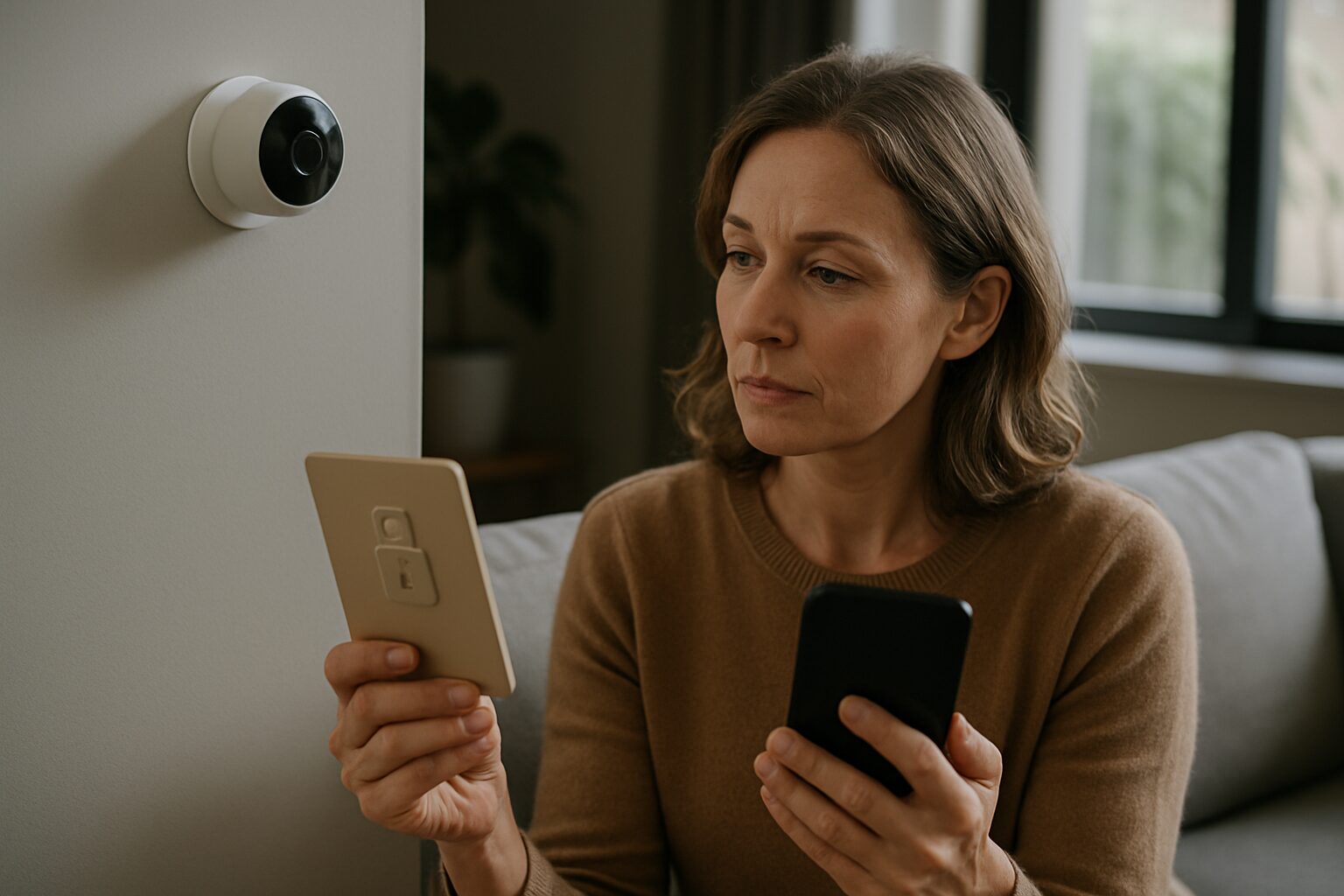
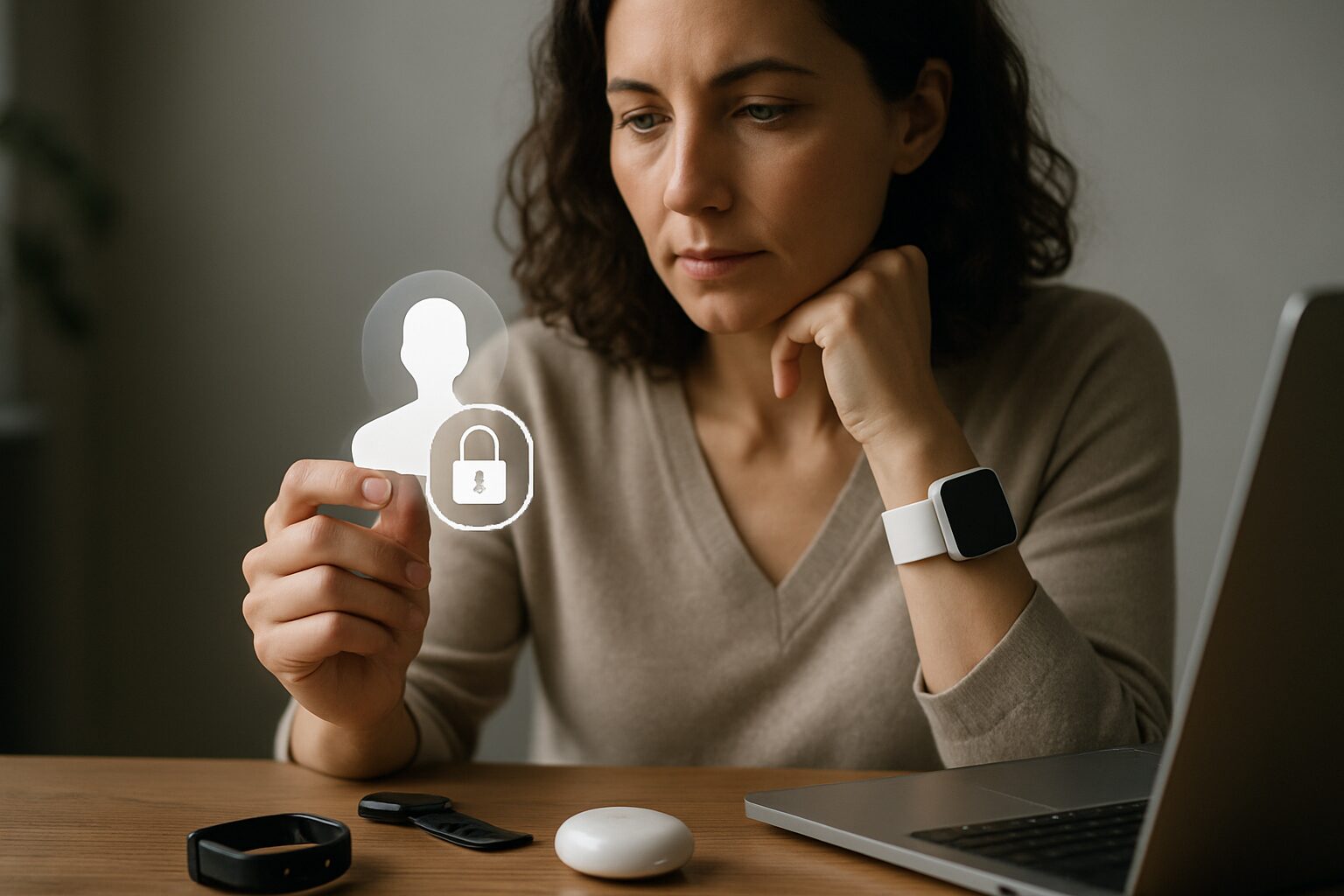
Voice assistants, such as those found in smart speakers and smartphones, often rely on always-on listening to detect wake words and respond to user commands. This raises ethical concerns about privacy and consent, as the technology continuously processes audio data, sometimes without clear user awareness. The lack of transparency around when and how voice data is collected, stored, or shared further complicates the issue.
Why It Matters - Real-world impact
The issue of always-on listening and transparency in voice assistants has profound real-world implications for privacy and autonomy. Millions of users—from children to elderly individuals—are affected as these devices become ubiquitous in homes, workplaces, and public spaces. Without proper safeguards, sensitive conversations could be recorded, stored, or even misinterpreted, leading to data breaches, unauthorized surveillance, or misuse of personal information. Regular people should care because this erosion of privacy normalizes constant monitoring and creates power imbalances between users and corporations. The lack of clear consent mechanisms means individuals often unknowingly trade intimate moments for convenience, setting dangerous precedents for how AI interacts with human lives.
Ethical Concerns - What’s wrong or risky?
Privacy and Consent in Voice Assistants
Voice assistants raise significant ethical concerns regarding always-on listening. Devices that continuously monitor for activation phrases risk capturing private conversations without explicit consent, potentially violating user privacy and autonomy.
Transparency Issues
Many users are unaware of how their data is processed or stored. Lack of clarity about when the device is actively recording, and how that data is used or shared, undermines informed consent. For more on this, see our page on Ethical Concerns: Transparency.
Fairness in Data Handling
Biases in voice recognition algorithms can lead to unfair treatment of users with accents, dialects, or speech impairments. This raises questions about equitable access and functionality. Learn about related issues at Ethical Concerns: Fairness.
Risk of Discrimination
If voice data is used to infer characteristics like gender, age, or ethnicity, it could lead to discriminatory practices in advertising, services, or opportunities. Explore this further in our section on Ethical Concerns: Discrimination.
Economic and Labor Implications
Human reviewers often analyze voice recordings to improve algorithms, raising concerns about worker rights and job conditions in this emerging field. For insights into labor issues, visit Ethical Concerns: Worker Rights. Additionally, automation driven by voice technology may contribute to Ethical Concerns: Job Loss in certain sectors.
Differing Perspectives
Some argue that always-on listening is necessary for seamless functionality and that privacy risks are mitigated by anonymization and user controls. Others contend that the potential for misuse or data breaches outweighs these benefits, calling for stricter regulations and opt-in models.
Economic Impact Considerations
The proliferation of voice assistants drives market growth and innovation but may concentrate economic power among tech giants, affecting competition and consumer choice. Details on this are available at Ethical Concern: Economic Impact.
Solutions - What’s being done or proposed?
Opt-In Consent Models
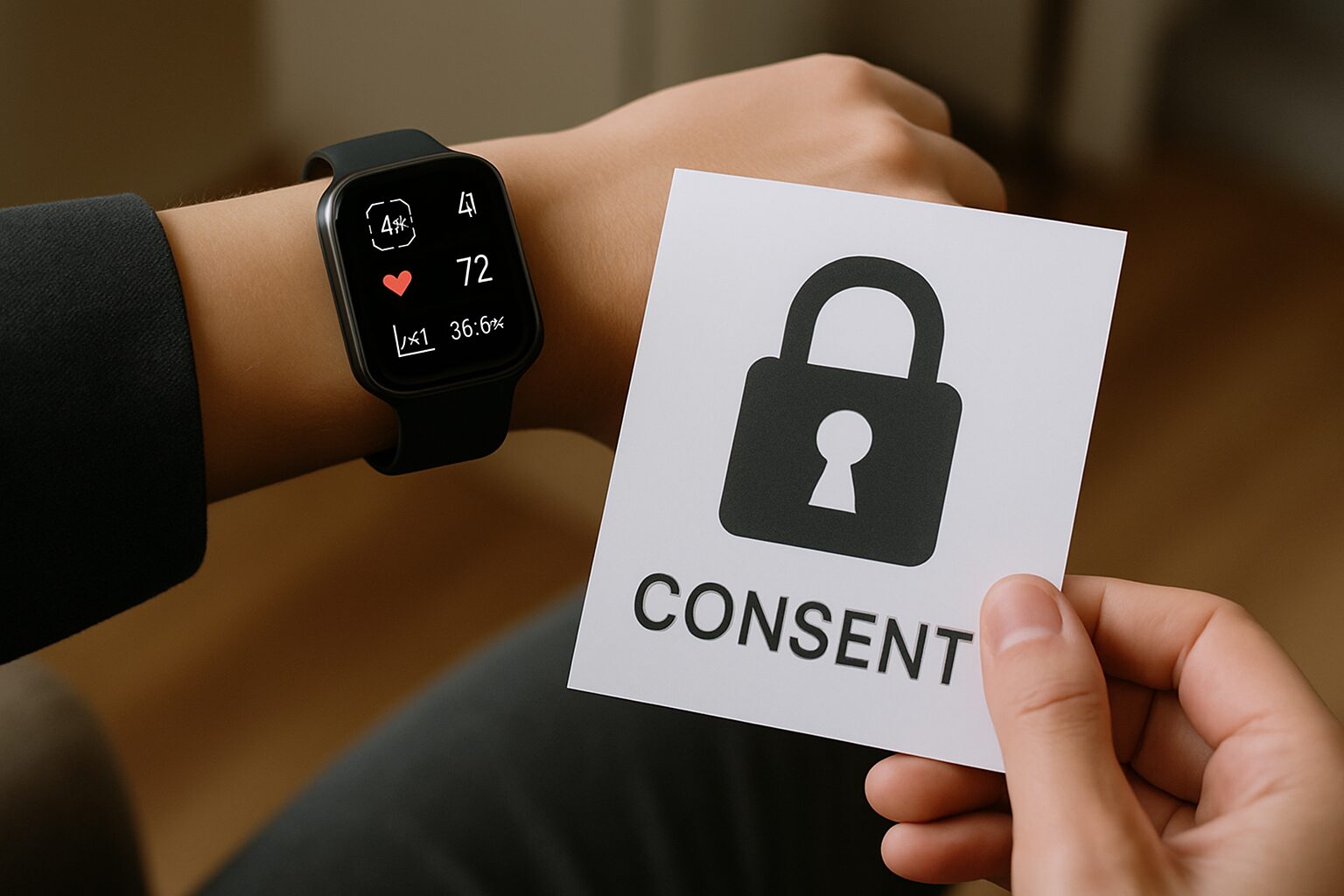
Some advocates have proposed stricter opt-in consent models where users must explicitly grant permission for always-on listening features. This would involve clear, upfront disclosures about what data is collected and how it is used, with users actively enabling the feature rather than having it default to on. Companies could implement multi-step verification processes to ensure informed consent.
Local Processing and Edge Computing
Technical solutions like local processing and edge computing aim to reduce privacy risks by processing voice data directly on the device rather than sending it to cloud servers. This minimizes the exposure of sensitive data to third parties. Advances in on-device AI have made this more feasible, though it may limit some functionality that relies on cloud-based analysis.
Transparency Reports and Audits
Institutional approaches include requiring companies to publish transparency reports detailing how voice data is collected, stored, and used. Independent audits could verify compliance with privacy standards. Regulatory bodies or industry groups might establish benchmarks for transparency, holding companies accountable for misleading practices.
Hardware Switches for Microphones
Some devices now include physical switches or toggles to disable microphones entirely, giving users direct control over when listening is active. This hardware-based solution addresses concerns about software vulnerabilities or unauthorized remote activation. Itu2019s a straightforward but effective measure for privacy-conscious users.
Legislative Regulation and Data Rights
Legal frameworks like the GDPR in Europe have set precedents for data privacy, and similar laws could be extended to always-on listening. Proposed measures include requiring explicit consent, granting users rights to access or delete their voice data, and imposing penalties for non-compliance. Policymakers are exploring ways to balance innovation with privacy protections.
User Education and Awareness Campaigns
Social solutions focus on educating users about the capabilities and risks of voice assistants. Nonprofits and advocacy groups run campaigns to inform the public about privacy settings, data collection practices, and alternative tools. Increased awareness can empower users to make informed choices and demand better practices from manufacturers.
Decentralized and Open-Source Alternatives
Some developers are creating open-source, decentralized voice assistants that prioritize user control. These projects allow users to self-host their data or choose trusted third-party providers, reducing reliance on large corporations. While these alternatives may lack polish, they offer transparency and customization for tech-savvy users.
Examples and Real Cases
Amazon Echo Records Private Conversation (2018)
In 2018, an Amazon Echo device in Portland, Oregon, recorded a private conversation and sent it to a random contact without the user's knowledge. The incident raised concerns about the device's always-on listening feature and lack of transparency in data handling.
Google Assistant Accidental Activations (2019)
In 2019, a Belgian news outlet reported that Google Assistant accidentally activated over 1,000 times a day in some homes, recording snippets of conversations. Users were unaware of these recordings until they reviewed their activity logs, highlighting transparency issues.
Apple Siri Grading Program (2019)
In 2019, it was revealed that Apple contractors were listening to Siri recordings, including sensitive conversations, to improve the assistant's accuracy. Users were not explicitly informed that their recordings might be reviewed by humans, sparking privacy concerns.
Hypothetical: Voice Assistant in Workplace Misuse
In a hypothetical scenario, an employer installs voice assistants in office spaces without clear disclosure. Employees unknowingly have private discussions recorded, which are later used for performance evaluations, raising ethical questions about consent and transparency.
Facebook Portal Voice Data Sharing (2020)
In 2020, reports revealed that Facebook's Portal devices shared voice data with third-party developers for ad targeting. Users were not fully aware of this data-sharing practice, undermining trust in the device's transparency.
Frequently Asked Questions
What is always-on listening in voice assistants?
Always-on listening means that voice assistants like Alexa, Google Assistant, or Siri are constantly listening for a 'wake word' (e.g., 'Hey Google') to activate. The microphone stays on to detect the command, but it doesnu2019t record or process conversations until the wake word is heard.
Is always-on listening a privacy risk?
While companies claim voice assistants only start recording after the wake word, there have been cases of accidental activations or misinterpretations. To minimize risks, review privacy settings, delete recordings regularly, and turn off the microphone when not in use.
How can I control what my voice assistant records?
Most voice assistants allow you to review, delete, or disable voice recordings in their app settings. You can also turn off personalized features or mute the microphone when privacy is a concern.
Why is transparency important with voice assistants?
Transparency ensures users understand when and how their data is being used. Knowing how voice assistants process and store recordings helps users make informed choices about privacy and consent.
Can voice assistants listen to conversations without my permission?
Voice assistants are designed to activate only after hearing the wake word, but accidental recordings can happen. To prevent this, check your activity logs and adjust sensitivity settings. Always review the privacy policies of your device.