Is AI Plagiarism Detection Fair? Exploring the Ethical Impact
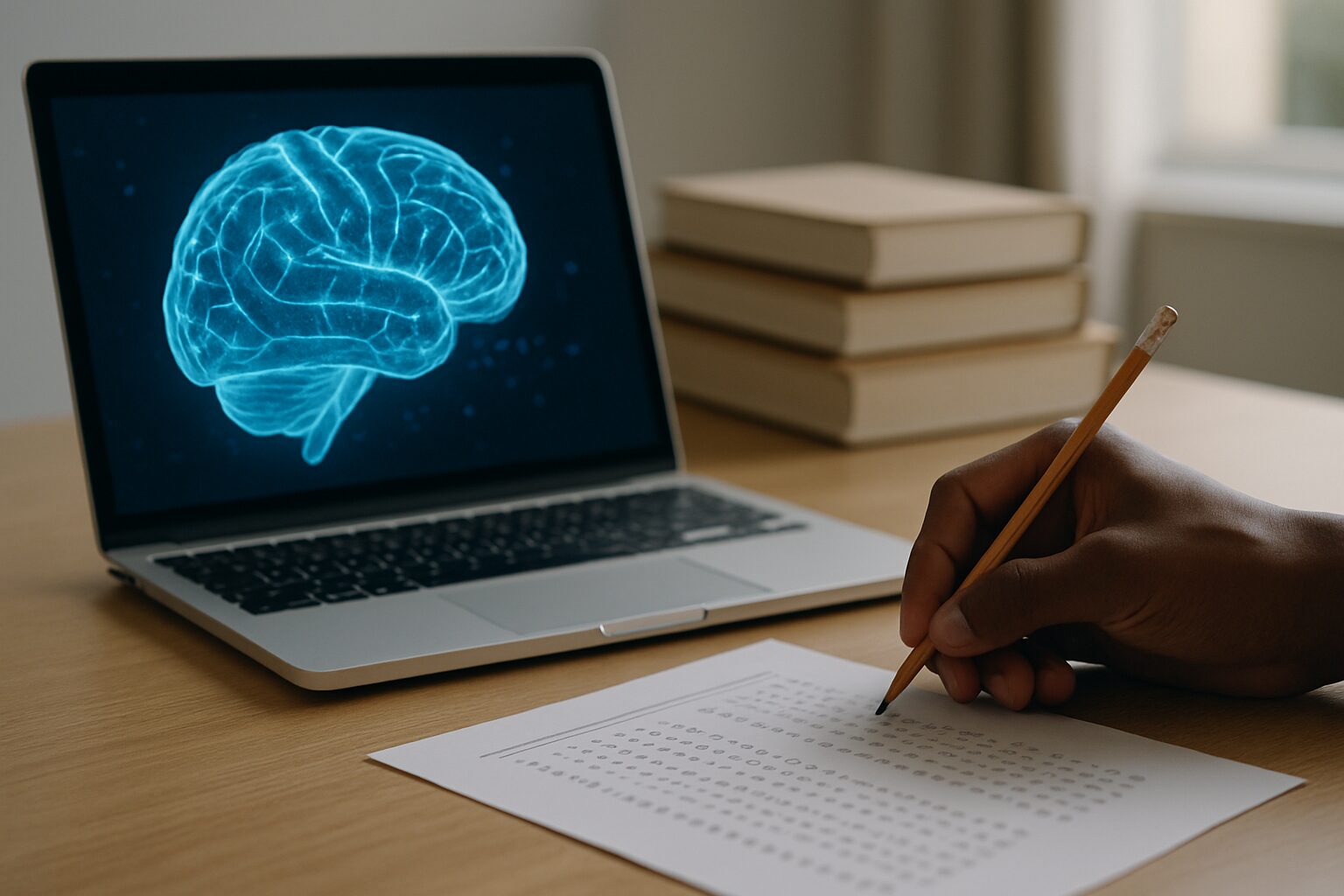
The use of AI to detect plagiarism in academic and professional work raises ethical questions about fairness and impact. While these tools aim to uphold integrity, concerns arise over accuracy, bias, and the potential for false accusations. The discussion also explores how AI-driven plagiarism detection affects access to education and trust in automated systems.
Why It Matters - Real-world impact
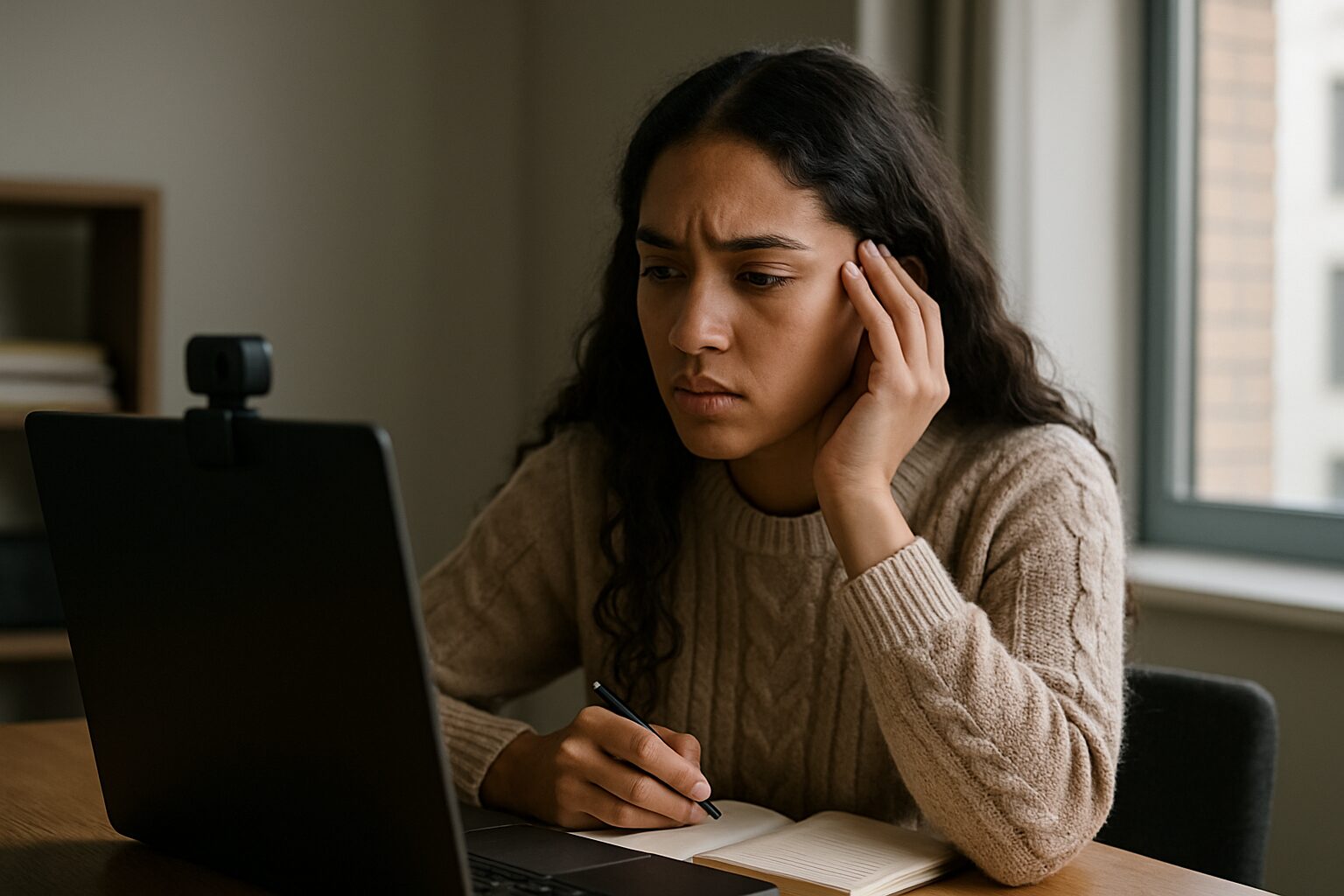
The issue of AI detecting plagiarism carries significant real-world implications for students, educators, and professionals alike. Students face severe academic consequences—such as failing grades or expulsion—if falsely accused, while educators risk undermining trust in their assessments if AI tools produce inaccurate results. Professionals in publishing, research, and content creation may also suffer reputational damage or legal repercussions if flawed algorithms misidentify original work as plagiarized. Beyond these direct impacts, over-reliance on AI detection could stifle creativity and critical thinking by prioritizing algorithmic judgment over nuanced human evaluation. Regular people should care because these tools shape fairness in education, workplace integrity, and the broader credibility of information—issues that affect societal trust in technology and institutions.
Ethical Concerns - What’s wrong or risky?
AI Plagiarism Detection: A Double-Edged Sword
As AI tools become more integrated into education, their use for detecting plagiarism raises several ethical questions. While these systems can efficiently identify copied content, they also introduce risks related to fairness, as algorithms may not account for cultural differences in writing styles or unintentional similarities.
Potential for Discrimination
AI systems can inadvertently perpetuate discrimination if trained on biased datasets, leading to higher false positive rates for non-native speakers or students from underrepresented backgrounds.
Lack of Transparency
Many AI plagiarism detectors operate as "black boxes," making it difficult for students or educators to understand how decisions are made. This lack of transparency can erode trust and hinder educational growth.
Economic and Job-Related Concerns
Widespread adoption of AI tools could have an economic impact on educational institutions, potentially diverting funds from other resources. Some also worry about job loss for educators or academic integrity officers, though others argue AI can augment rather than replace human roles.
Worker Rights in Education
The integration of AI into plagiarism detection may affect worker rights, as staff could face increased monitoring or pressure to rely on automated systems over professional judgment.
Differing Perspectives
Supporters argue that AI ensures consistency and saves time, allowing educators to focus on teaching. Critics, however, emphasize the risk of false accusations and the potential for these systems to stifle creativity and legitimate collaboration.
Solutions - What’s being done or proposed?
Implementing Clear Institutional Policies
Many educational institutions have established clear policies regarding the use of AI for plagiarism detection. These policies outline how AI tools will be used, what constitutes plagiarism, and the consequences for violations. By providing transparency, students and faculty can better understand the expectations and limitations of AI in academic integrity.
Developing More Accurate AI Detection Tools
Technical solutions include improving the accuracy of AI plagiarism detectors to reduce false positives. Developers are working on algorithms that can better distinguish between original work and AI-generated content. This involves training models on diverse datasets and incorporating contextual analysis to ensure fairer assessments.
Promoting Digital Literacy and Ethical AI Use
Educational programs are being introduced to teach students and educators about digital literacy and the ethical use of AI. By understanding how AI works and its limitations, users can make informed decisions about its application. Workshops and courses on academic integrity help foster a culture of honesty and responsibility.
Legal Frameworks for AI Accountability
Some advocates suggest creating legal frameworks to hold AI developers and users accountable for misuse. This includes regulations that define the boundaries of AI in plagiarism detection and ensure due process for those accused. Legal measures aim to balance innovation with protection against unfair accusations.
Human-AI Collaboration in Detection
Combining AI tools with human oversight is another approach. Educators review AI-generated reports to verify findings and consider contextual factors that AI might miss. This hybrid model reduces reliance on automated systems alone and ensures a more nuanced evaluation of student work.
Encouraging Open Dialogue Between Stakeholders
Institutions are fostering open discussions between students, faculty, and AI developers to address concerns and gather feedback. Town halls, surveys, and focus groups help identify gaps in current systems and collaboratively develop solutions that are fair and effective for all parties involved.
Alternative Assessment Methods
To mitigate over-reliance on plagiarism detection, some educators are adopting alternative assessment methods. These include oral exams, project-based learning, and personalized assignments that are harder to replicate with AI. Shifting focus from standardized outputs to creative processes reduces the temptation to plagiarize.
Examples and Real Cases
Turnitin's AI Detection in Universities (2023)
In 2023, several universities reported false positives when using Turnitin's AI detection tool, accusing students of using AI-generated content in their essays. For example, a Texas A&M professor initially failed an entire class based on Turnitin's results, but later retracted the decision after human review showed the tool's inaccuracies.
ChatGPT in Academic Writing (Hypothetical)
A hypothetical scenario involves a high school student using ChatGPT to draft an essay, then manually rewriting it in their own words. An AI plagiarism detector flags the work as AI-generated due to structural similarities, raising questions about fairness when human effort is involved.
GPTZero and Journalistic Backlash (2023)
In July 2023, journalist Alex Kantrowitz tested GPTZero on his original article and was falsely flagged as AI-generated. This incident highlighted how AI detectors could misclassify human writing, potentially harming professionals' reputations.
International Student Language Barriers (Hypothetical)
A hypothetical case involves an international student whose English academic paper is flagged by AI detection software due to 'unnatural phrasing.' This raises ethical concerns about bias against non-native speakers in automated plagiarism systems.
Harvard's AI Policy Shift (2024)
Harvard University revised its academic integrity policy in January 2024 after multiple students contested AI-detection-based accusations. The new policy requires human verification before any disciplinary action, acknowledging current tools' limitations.
Frequently Asked Questions
What is AI plagiarism detection?
AI plagiarism detection uses artificial intelligence to scan and compare written work against a vast database of sources to identify copied or unoriginal content, helping ensure academic integrity.
Why is AI plagiarism detection important in education?
It helps maintain fairness by ensuring students submit original work, promotes learning through proper research and citation, and protects the credibility of educational institutions.
Is AI plagiarism detection always accurate?
While highly effective, AI tools aren't perfect. They may flag common phrases or properly cited content as plagiarism, so human review is often needed for final decisions.
How does AI plagiarism detection impact students with limited access to resources?
Some argue it may disadvantage students who lack access to diverse learning materials or citation tools, highlighting the need for equitable education support alongside detection systems.
Can AI plagiarism detection distinguish between intentional cheating and accidental plagiarism?
No, AI can only identify matching text, not intent. Educators must review cases to understand if it's deliberate cheating or a lack of citation knowledge.