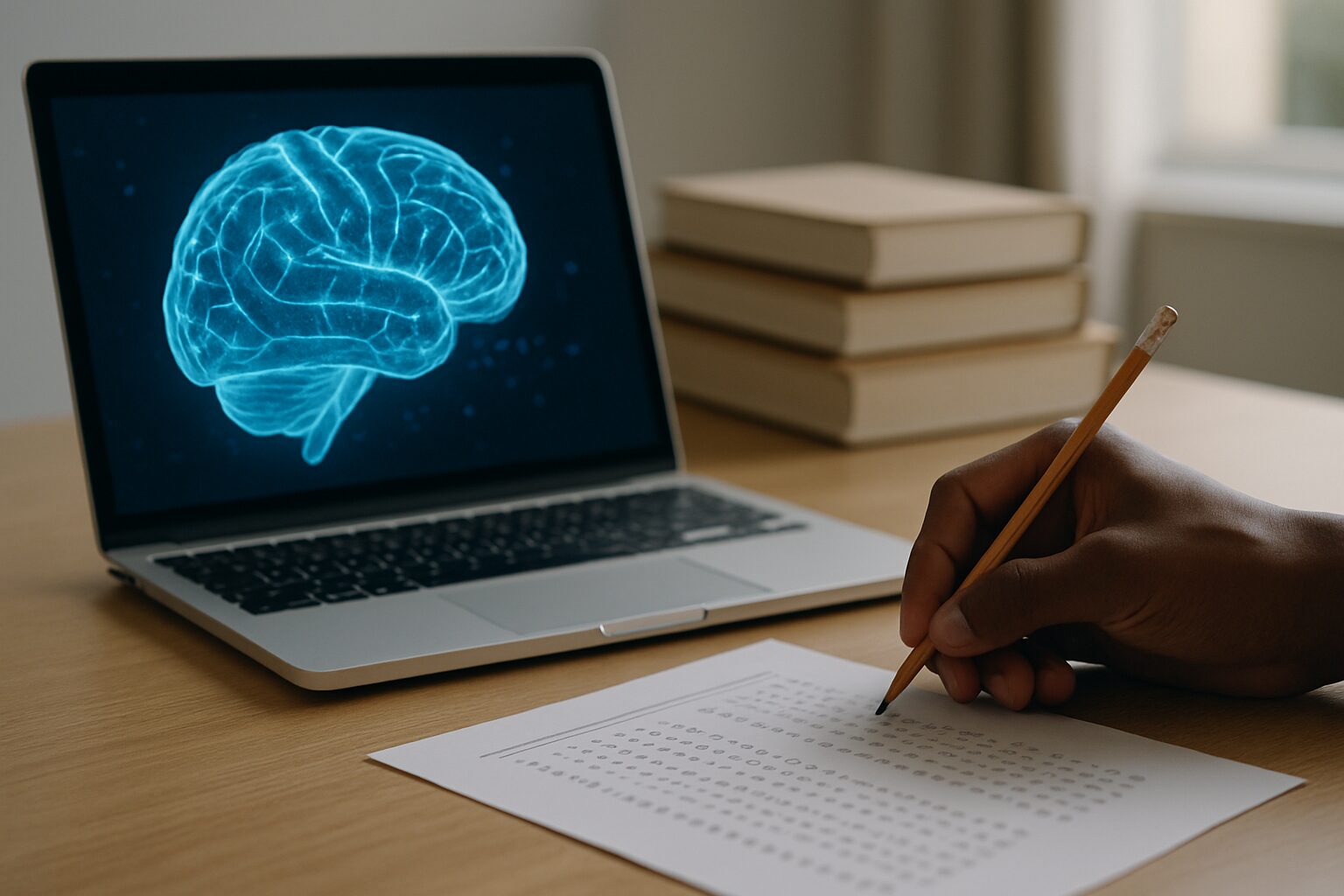
Revolutionizing Education: How Smart Tech is Transforming Test Scores
AI is increasingly used to analyze standardized test results, offering potential benefits such as faster scoring and personalized feedback. However, this raises ethical concerns about bias, transparency, and fairness in evaluating student performance. The use of AI in testing also prompts questions about data privacy and the role of human oversight in education.
Why It Matters - Real-world impact
The ethical implications of AI in standardized testing analysis matter because these systems directly influence educational opportunities, career pathways, and societal equity. Students, educators, and institutions rely on test results for admissions, scholarships, and accreditation—decisions that shape lives. If AI algorithms are biased, opaque, or flawed, they could perpetuate disparities by disadvantaging marginalized groups or misjudging potential. Errors or unfairness in automated scoring could derail futures, while over-reliance on AI might erode human judgment in education. Regular people should care because these systems don't just affect test-takers; they shape the fairness of the systems governing upward mobility and access to knowledge.
Ethical Concerns - What’s wrong or risky?
AI in Standardized Testing: A New Frontier with Ethical Pitfalls
The integration of artificial intelligence into standardized testing analysis promises efficiency and data-driven insights, but it also introduces significant ethical risks that must be carefully considered.
Fairness in Algorithmic Scoring
One of the most pressing concerns is whether AI systems can evaluate student responses without bias. Algorithms trained on historical data may perpetuate existing inequalities, disadvantaging students from underrepresented backgrounds. For more on this, see our discussion on Ethical Concerns: Fairness.
Discrimination Through Data
AI models might inadvertently discriminate based on demographic factors such as race, socioeconomic status, or geographic location. If training data reflects societal biases, the AI could reinforce these disparities in educational outcomes. Learn about related issues at Ethical Concerns: Discrimination.
Transparency of AI Decisions
Many AI systems operate as "black boxes," making it difficult to understand how scores are determined. This lack of transparency can erode trust among students, educators, and institutions, and complicate appeals or error corrections. Explore this further in our section on Ethical Concerns: Transparency.
Economic and Access Implications
The adoption of AI in testing could widen the digital divide, as schools with fewer resources may struggle to implement or interpret these technologies, potentially exacerbating educational inequities. For insights into financial ramifications, visit Ethical Concern: Economic Impact.
Diverse Perspectives on AI's Role
Not all stakeholders view these risks uniformly. Proponents argue that AI can reduce human grader bias and handle large-scale assessments more consistently. Critics, however, worry about dehumanizing education and over-relying on imperfect systems. Some also raise concerns about Ethical Concerns: Job Loss for educators and test administrators, though this is debated.
Additional Moral Considerations
Beyond the linked categories, issues such as data privacy, consent for data usage, and the long-term impact on student motivation and creativity are also vital. The pressure to "teach to the algorithm" could narrow curricula, while constant monitoring might infringe on student autonomy.
Balancing innovation with ethical vigilance is key to ensuring that AI serves as a tool for equity rather than exclusion in education.
Solutions - What’s being done or proposed?
Algorithmic Transparency and Auditing
One proposed solution is to mandate transparency in the algorithms used for AI-driven standardized test analysis. This includes requiring companies and institutions to disclose how their AI models make decisions, what data they are trained on, and the potential biases inherent in the system. Independent audits by third-party organizations could be conducted to evaluate fairness and accuracy. This approach aims to hold developers accountable and ensure that AI tools do not perpetuate existing inequalities in education.
Diverse and Representative Training Data
To address biases in AI analysis of standardized tests, experts suggest using more diverse and representative training datasets. This means ensuring that the data reflects the demographics of all test-takers, including race, gender, socioeconomic status, and geographic location. By training AI models on inclusive data, the risk of biased outcomes can be reduced. However, collecting such data can be challenging due to privacy concerns and the need for large, high-quality datasets.
Human Oversight and Hybrid Systems
Another solution is to implement hybrid systems where AI assists human evaluators rather than replacing them entirely. Human oversight can help catch errors or biases that the AI might overlook. For example, educators could review AI-generated test analyses to ensure they align with their professional judgment. This approach balances efficiency with accountability, though it may increase costs and time requirements.
Ethical Guidelines and Institutional Policies
Educational institutions and testing organizations are increasingly adopting ethical guidelines for AI use in standardized testing. These policies outline principles such as fairness, accountability, and transparency. They may also include protocols for addressing disputes or errors in AI-generated results. While these guidelines are a step forward, enforcement and consistency across institutions remain challenges.
Public Awareness and Stakeholder Engagement
Raising public awareness about the ethical implications of AI in standardized testing is another suggested solution. Engaging stakeholdersu2014such as students, parents, educators, and policymakersu2014in discussions about AI's role can lead to more informed decision-making. Workshops, forums, and educational campaigns can help demystify AI and encourage critical scrutiny of its applications in education.
Legal Frameworks and Regulation
Some advocates call for stronger legal frameworks to regulate AI in standardized testing. This could involve laws that prohibit discriminatory practices, require impact assessments, or establish penalties for misuse. For instance, legislation might mandate that AI tools used in education undergo rigorous testing for bias before deployment. However, crafting effective laws without stifling innovation is a delicate balance.
Alternative Assessment Methods
To reduce reliance on AI-driven standardized testing, some propose alternative assessment methods. These could include project-based evaluations, portfolios, or competency-based assessments that provide a more holistic view of student abilities. While these methods may mitigate some ethical concerns, they often require significant resources and may not be scalable for large populations.
Examples and Real Cases
ChatGPT Used for Grading Essays in Texas (2023)
In 2023, the Texas Education Agency experimented with using ChatGPT to grade essays on standardized tests. Critics argued the AI lacked nuance in evaluating creativity and cultural context, leading to inconsistent scores for non-native English speakers.
Proctorio's AI Surveillance in Online Exams (2020-Present)
Proctorio's AI-powered remote proctoring tool, widely adopted during the COVID-19 pandemic, has faced criticism for flagging students with disabilities or those from low-income backgrounds at higher rates due to environmental factors like poor lighting.
Hypothetical: AI-Powered Adaptive Testing Bias
A hypothetical scenario where an AI-driven adaptive testing system unintentionally routes students from underfunded schools to easier questions based on initial performance patterns, perpetuating achievement gaps through algorithmic reinforcement.
UK A-Level Algorithm Scandal (2020)
The UK government's use of an algorithm to standardize A-level grades during COVID-19 disproportionately downgraded students from disadvantaged schools, leading to widespread protests and eventual reversal of the policy.
Hypothetical: Facial Analysis in Test Anxiety Detection
A realistic hypothetical where AI systems analyzing facial expressions during computer-based tests misidentify cultural differences in demeanor as signs of cheating, particularly affecting international test-takers.
Frequently Asked Questions
What is AI in standardized testing analysis?
AI in standardized testing analysis refers to using artificial intelligence tools to evaluate, predict, and improve test results. It helps identify patterns, score responses, and provide insights into student performance more efficiently than traditional methods.
Why is AI important for analyzing standardized tests?
AI is important because it can process large amounts of test data quickly, detect biases, and offer personalized feedback. This helps educators understand learning gaps, improve test fairness, and tailor instruction to student needs.
How does AI make standardized testing more accessible?
AI can adapt tests for students with disabilities (e.g., speech-to-text for essays), provide real-time language translations, and offer flexible testing formats. This ensures more equitable access for diverse learners.
What can schools learn from AI-driven test analysis?
Schools can learn which teaching methods work best, which topics students struggle with, and how to allocate resources effectively. AI can also highlight systemic biases in testing to promote fairness.
How is AI used in standardized testing today?
Today, AI grades essays, detects cheating, personalizes practice tests, and predicts student performance. Itu2019s also used to design unbiased questions and analyze trends across districts or demographics.