Rethinking Exams: How Tech is Transforming Assessment Hurdles
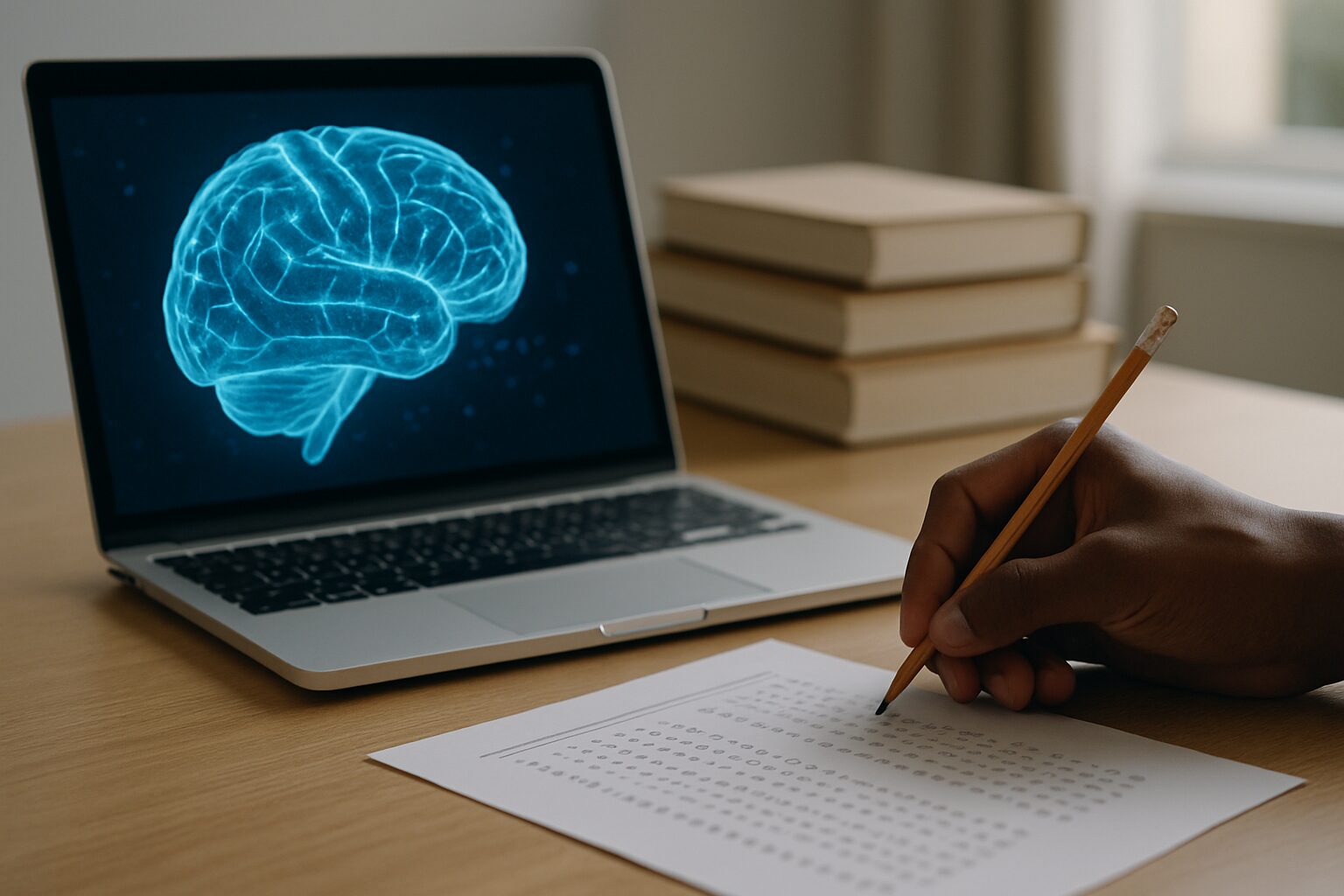
Standardized testing plays a significant role in education, but the integration of AI into these assessments raises ethical concerns. Challenges include potential biases in AI-generated test questions, unequal access to AI-based preparation tools, and the transparency of automated scoring systems. These issues highlight the need to balance technological advancements with fairness and equity in educational evaluations.
Why It Matters - Real-world impact
The ethical challenges of AI in standardized testing have far-reaching implications for students, educators, and society. If biased or flawed algorithms are used to score exams, evaluate performance, or even determine college admissions, they could unfairly disadvantage marginalized groups, reinforce existing inequalities, and alter life trajectories. Educators may also face pressure to "teach to the algorithm," narrowing curricula and stifling creativity. For regular people, this isn't just an academic concern—it affects economic mobility, trust in institutions, and the fairness of future opportunities. Without scrutiny, AI could reshape education in ways that prioritize efficiency over equity, leaving lasting consequences for generations.
Ethical Concerns - What’s wrong or risky?
AI and Standardized Testing: Navigating Ethical Risks
The integration of artificial intelligence into standardized testing presents several ethical challenges that educators, policymakers, and technologists must address. One major concern is fairness, as AI systems may inadvertently favor certain demographic groups over others due to biased training data or algorithmic design. This ties closely to issues of discrimination, where historical biases in data could perpetuate inequalities, disadvantaging students from underrepresented backgrounds.
Transparency and Accountability
Another critical issue is transparency. Many AI systems operate as "black boxes," making it difficult to understand how scores are determined or why certain answers are marked incorrect. This lack of clarity can erode trust among students, parents, and educators, and may obscure errors or biases in the system.
Economic and Societal Implications
There are also broader societal concerns, such as the economic impact of relying on AI for high-stakes testing. Schools and districts with fewer resources may struggle to implement or challenge AI systems, widening the gap between well-funded and underfunded institutions. Additionally, the automation of grading and assessment could lead to job loss for educators and administrative staff, raising questions about the future role of human oversight in education.
Differing Perspectives
Not everyone views these risks uniformly. Some argue that AI can reduce human bias and increase efficiency in grading, potentially making testing more objective. Others caution that over-reliance on algorithms might dehumanize education and overlook nuanced student responses that require human judgment. Balancing innovation with ethical safeguards remains a contentious and evolving discussion.
Worker Rights in an Automated System
Finally, the shift toward AI-driven testing implicates worker rights, as educators may face new demands for tech-related skills or reduced autonomy in assessment processes. Ensuring that AI tools support rather than undermine the professional roles of teachers is essential for ethical integration.
Solutions - What’s being done or proposed?
Algorithmic Transparency and Auditing
One proposed solution is to mandate transparency in the algorithms used for AI-driven standardized testing. This includes requiring test providers to disclose how their AI models make decisions and allowing independent audits to check for biases. By making the decision-making process more transparent, stakeholders can better understand and address potential inequities in test scoring and content.
Diverse Training Data for AI Models
To mitigate bias in AI-based testing, experts suggest using more diverse and representative training data. This involves ensuring that the datasets used to train AI models include a wide range of demographics, cultural backgrounds, and learning styles. By doing so, the AI systems can produce fairer and more inclusive test questions and evaluations.
Human Oversight and Hybrid Scoring
A hybrid approach combining AI scoring with human oversight has been proposed to address concerns about fairness. In this model, AI handles initial scoring, but human reviewers verify and adjust results, especially in borderline cases or when the AI flags uncertainty. This balances efficiency with accountability, reducing the risk of algorithmic errors going unchecked.
Legal Frameworks to Prevent Discrimination
Some advocates call for stronger legal frameworks to prevent AI-driven testing from perpetuating discrimination. This could involve laws that hold testing companies accountable for biased outcomes or require them to demonstrate compliance with fairness standards. Such regulations would incentivize developers to prioritize equity in their systems.
Alternative Assessment Methods
To reduce reliance on AI-driven standardized tests, educators and policymakers have explored alternative assessment methods. These include project-based evaluations, portfolios, and competency-based assessments that measure skills in more holistic ways. Shifting focus away from high-stakes testing could lessen the impact of AI biases on students' futures.
Public Awareness and Advocacy
Raising public awareness about the ethical challenges of AI in standardized testing is another strategy. Advocacy groups and educators can push for greater scrutiny of these systems, encouraging parents, students, and institutions to demand fairness and transparency. Public pressure can drive companies and policymakers to adopt more ethical practices.
Institutional Collaboration for Ethical AI
Collaboration between educational institutions, AI developers, and ethicists has been suggested to create ethical guidelines for AI in testing. By working together, these groups can establish best practices, share data responsibly, and ensure that AI tools are used in ways that benefit all students without exacerbating inequalities.
Examples and Real Cases
ChatGPT and the SAT Essay
In 2023, researchers demonstrated that ChatGPT could generate essays scoring in the 90th percentile on the SAT essay rubric. This raised concerns about the validity of AI-generated submissions in standardized testing environments, particularly for take-home assessments.
Proctorio's Algorithmic Bias Controversy
In 2020, the AI-powered proctoring software Proctorio faced criticism when students reported the system flagged them for suspicious behavior due to darker skin tones or neurodiverse movements. The University of British Columbia temporarily suspended its use after complaints of discriminatory AI monitoring.
Hypothetical: Adaptive Testing Advantage
A future scenario where affluent students use personalized AI tutors to exploit adaptive testing algorithms (like those in computerized GRE exams), artificially inflating scores by learning the test's adaptation patternsu2014creating an unfair advantage over peers without access to such tools.
ETS's AI Scoring Errors
In 2021, Educational Testing Service (ETS) faced backlash when its AI scoring system for TOEFL essays disproportionately penalized non-native English speakers for unconventional but valid phrasing. Manual reviews later overturned many of these scores after student appeals.
Hypothetical: Voice Recognition Barriers
An AI-powered oral language exam fails to recognize regional accents or speech impediments, automatically downgrading students from certain demographics despite their actual linguistic proficiencyu2014highlighting accessibility gaps in voice-based assessments.
Frequently Asked Questions
What is AI in standardized testing?
AI in standardized testing refers to the use of artificial intelligence technologies to create, administer, or grade tests. It can help personalize questions, detect cheating, or provide instant feedback to students.
Why is AI important in standardized testing?
AI can make testing more efficient, fair, and accessible. It can reduce human bias in grading, adapt tests to individual learning levels, and help identify areas where students need more support.
What are the challenges of using AI in testing?
Challenges include ensuring AI is free from bias, protecting student data privacy, and making sure all students have equal access to technology needed for AI-based tests.
How does AI affect students with disabilities in testing?
AI can help by providing accommodations like text-to-speech or adaptive formats, but challenges remain in ensuring these tools work well for all disabilities and are equally available.
Can AI replace human teachers in standardized testing?
No, AI is a tool to assist teachers, not replace them. Humans are still needed to interpret results, provide emotional support, and make final decisions about student progress.