Unmasking Algorithmic Justice: When Face ID Meets the Courtroom
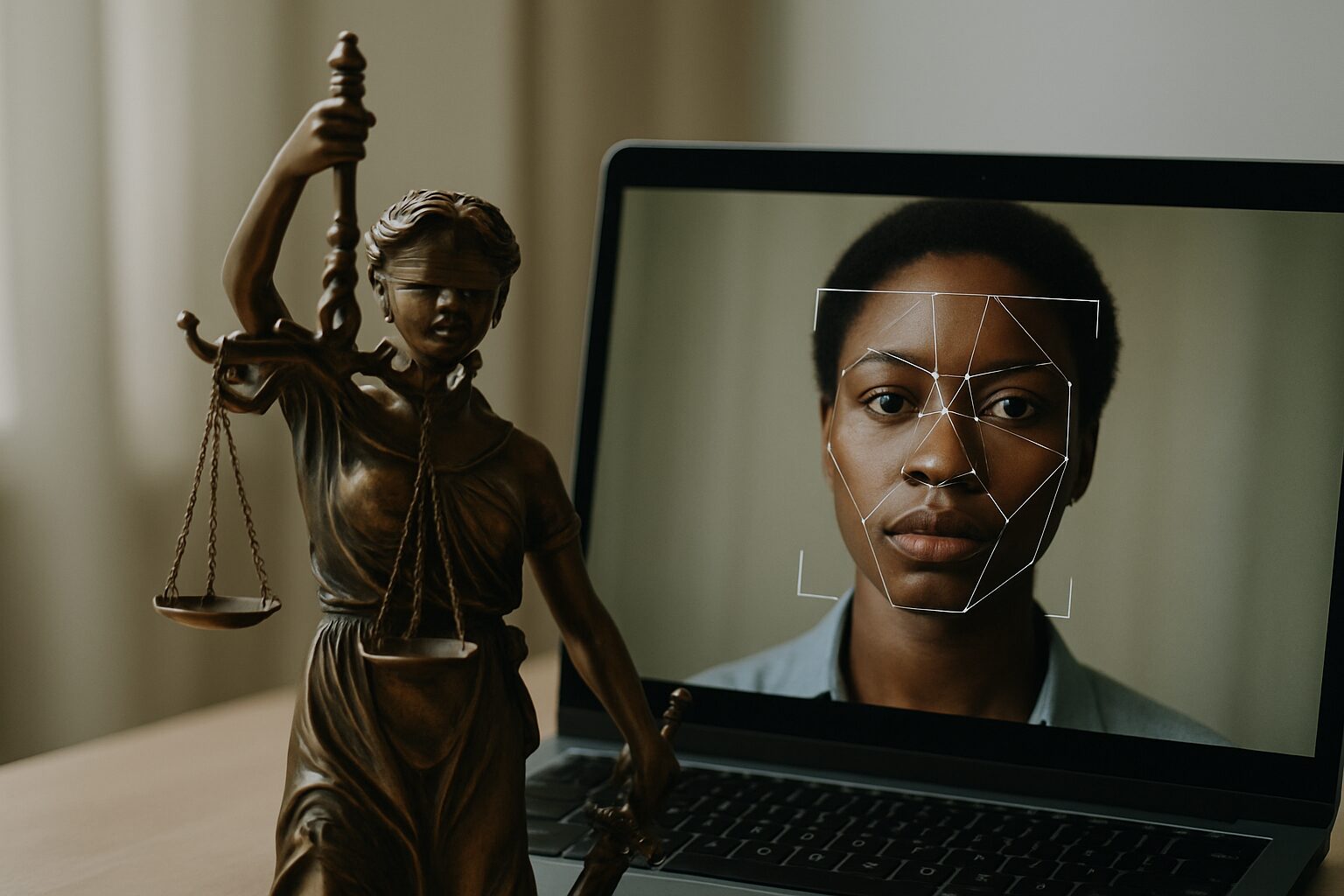
Facial recognition systems use artificial intelligence to identify or verify individuals based on facial features. These systems can exhibit bias, often performing less accurately for certain demographic groups due to imbalanced training data or flawed algorithms. Legal frameworks are increasingly scrutinizing such biases to ensure fairness and prevent discriminatory outcomes in law enforcement, hiring, and other critical applications.
Why It Matters - Real-world impact
Facial recognition systems are increasingly used in policing, hiring, banking, and security, making their biases a pressing societal concern. When these systems misidentify people of color, women, or other marginalized groups at higher rates, it can lead to wrongful arrests, denied opportunities, or unequal access to services. Vulnerable populations—such as Black and Brown communities already subject to over-policing—bear the brunt of these errors, exacerbating systemic inequities. Even for those not directly affected, unchecked AI bias erodes trust in institutions and reinforces discriminatory practices. Without accountability, flawed algorithms risk automating and scaling injustice under the guise of neutrality, making this an issue that demands public awareness and intervention.
Ethical Concerns - What’s wrong or risky?
Bias in Facial Recognition Systems and the Law
Facial recognition technology, increasingly integrated into legal and security frameworks, raises profound ethical risks. One of the most pressing concerns is discrimination, as these systems often exhibit higher error rates for people of color, women, and other marginalized groups, potentially reinforcing systemic biases in policing, sentencing, and surveillance.
Closely related is the issue of fairness. When algorithms are trained on unrepresentative data, outcomes become skewed, denying equitable treatment under the law. This can lead to wrongful identifications and unjust legal consequences for already vulnerable populations.
Another critical risk involves transparency. Many facial recognition systems operate as "black boxes," with proprietary algorithms that are inaccessible to scrutiny. This lack of openness makes it difficult to challenge errors or understand decision-making processes, undermining accountability in legal contexts.
Some argue that these technologies enhance public safety and efficiency, justifying their use despite risks. Others contend that the potential for harm—such as erosion of privacy and civil liberties—outweighs any benefits, calling for strict regulation or outright bans.
Additional ethical concerns include the economic impact of deploying such systems, which may divert public funds from community-based alternatives, and implications for worker rights if used for employee monitoring without consent. There are also fears about job loss as automation replaces roles in security and law enforcement, though this is debated.
Balancing innovation with ethical safeguards remains a contentious and urgent challenge for policymakers and society.
Solutions - What’s being done or proposed?
Improved Training Datasets
One technical approach to reducing bias in facial recognition systems is to improve the diversity and representativeness of training datasets. Many systems have historically been trained on datasets that overrepresent certain demographics, leading to poorer performance for underrepresented groups. By ensuring datasets include a wide range of ethnicities, genders, ages, and other characteristics, developers can create more equitable systems. However, collecting and curating such datasets can be resource-intensive and raises privacy concerns.
Algorithmic Audits and Transparency
Regular audits of facial recognition algorithms by independent third parties can help identify and mitigate biases. These audits assess performance across different demographic groups and highlight disparities. Transparency in how algorithms are developed and tested is also crucial, as it allows for public scrutiny and accountability. Some jurisdictions have begun mandating such audits, though enforcement and standardization remain challenges.
Legal Restrictions and Bans
Some cities and countries have implemented legal restrictions or outright bans on the use of facial recognition technology by government agencies, particularly in law enforcement. These measures aim to prevent misuse and protect civil liberties, especially in communities disproportionately affected by biased systems. While bans can curb immediate harms, they may also slow the development of more equitable alternatives unless paired with supportive policies.
Diverse Development Teams
Promoting diversity within the teams that design and deploy facial recognition systems can help reduce bias. A more inclusive workforce is more likely to recognize and address potential biases during development. Companies are increasingly focusing on hiring practices and workplace cultures that support diversity, though systemic barriers in the tech industry can make this a slow and complex process.
Public Awareness and Advocacy
Raising public awareness about the biases and risks associated with facial recognition systems has led to grassroots advocacy and pressure on policymakers and corporations. Campaigns by civil rights organizations and tech ethics groups have highlighted discriminatory outcomes and pushed for stricter regulations. Public engagement is essential for sustaining momentum toward fairness, though it requires ongoing education and outreach efforts.
Bias Mitigation Techniques in AI Models
Researchers are developing technical methods to explicitly reduce bias in AI models, such as adversarial debiasing and fairness constraints. These techniques adjust algorithms to minimize disparities in performance across groups. While promising, they often involve trade-offs between accuracy and fairness, and their effectiveness can vary depending on the context and implementation.
Ethical Guidelines and Industry Standards
Industry groups and professional organizations have proposed ethical guidelines and standards for the development and use of facial recognition technology. These frameworks encourage practices like obtaining informed consent, ensuring accountability, and prioritizing human rights. While voluntary standards can influence behavior, their impact depends on widespread adoption and enforcement mechanisms.
Examples and Real Cases
Wrongful Arrest of Robert Williams (2020)
In January 2020, Robert Williams, a Black man, was wrongfully arrested in Detroit due to a false facial recognition match. The system misidentified him as a suspect in a shoplifting case, highlighting racial bias in the technology.
Gender Shades Study (2018)
A 2018 MIT study by Joy Buolamwini and Timnit Gebru found that commercial facial recognition systems had higher error rates for darker-skinned women. Systems like IBM and Microsoft showed up to 34% higher error rates for this group compared to lighter-skinned men.
Clearview AI and Law Enforcement (2020)
In 2020, Clearview AI's facial recognition tool was found to have been used by over 600 law enforcement agencies despite concerns over accuracy and bias. Critics argued the system disproportionately misidentified people of color, leading to potential civil rights violations.
Hypothetical: Airport Security Screening
In a hypothetical scenario, an airport's facial recognition system flags travelers of certain ethnicities for additional screening at higher rates due to biased training data. This could lead to discriminatory practices and delays for innocent passengers.
UK Metropolitan Police Trial (2019)
In 2019, the UK Metropolitan Police's live facial recognition trial resulted in 81% false positives. The system disproportionately misidentified people from minority backgrounds, raising concerns about its fairness and reliability.
Frequently Asked Questions
What is bias in facial recognition systems?
Bias in facial recognition systems refers to errors or unfair outcomes that occur when the technology performs better for certain groups of people (e.g., lighter-skinned males) than others (e.g., darker-skinned females). This often happens due to imbalanced training data or flawed algorithms.
Why is bias in facial recognition a legal issue?
Bias in facial recognition can lead to discrimination, wrongful arrests, or unfair surveillance, which violates civil rights and privacy laws. Governments and organizations are increasingly regulating its use to prevent harm, especially in policing and hiring.
How does facial recognition bias affect people today?
Real-world impacts include misidentifying innocent individuals (particularly people of color), reinforcing stereotypes, and creating barriers in security, employment, or access to services. Cases like false arrests highlight its risks.
Can biased facial recognition systems be fixed?
Yes, improvements include using diverse training data, auditing algorithms for fairness, and setting legal standards. However, some argue the technology may always carry risks, leading to calls for bans in certain uses.
What laws address facial recognition bias?
Laws vary by region. Some cities (e.g., San Francisco) ban government use, while others require transparency. The EUu2019s AI Act and U.S. proposals like the Algorithmic Accountability Act aim to regulate bias, but enforcement is still evolving.