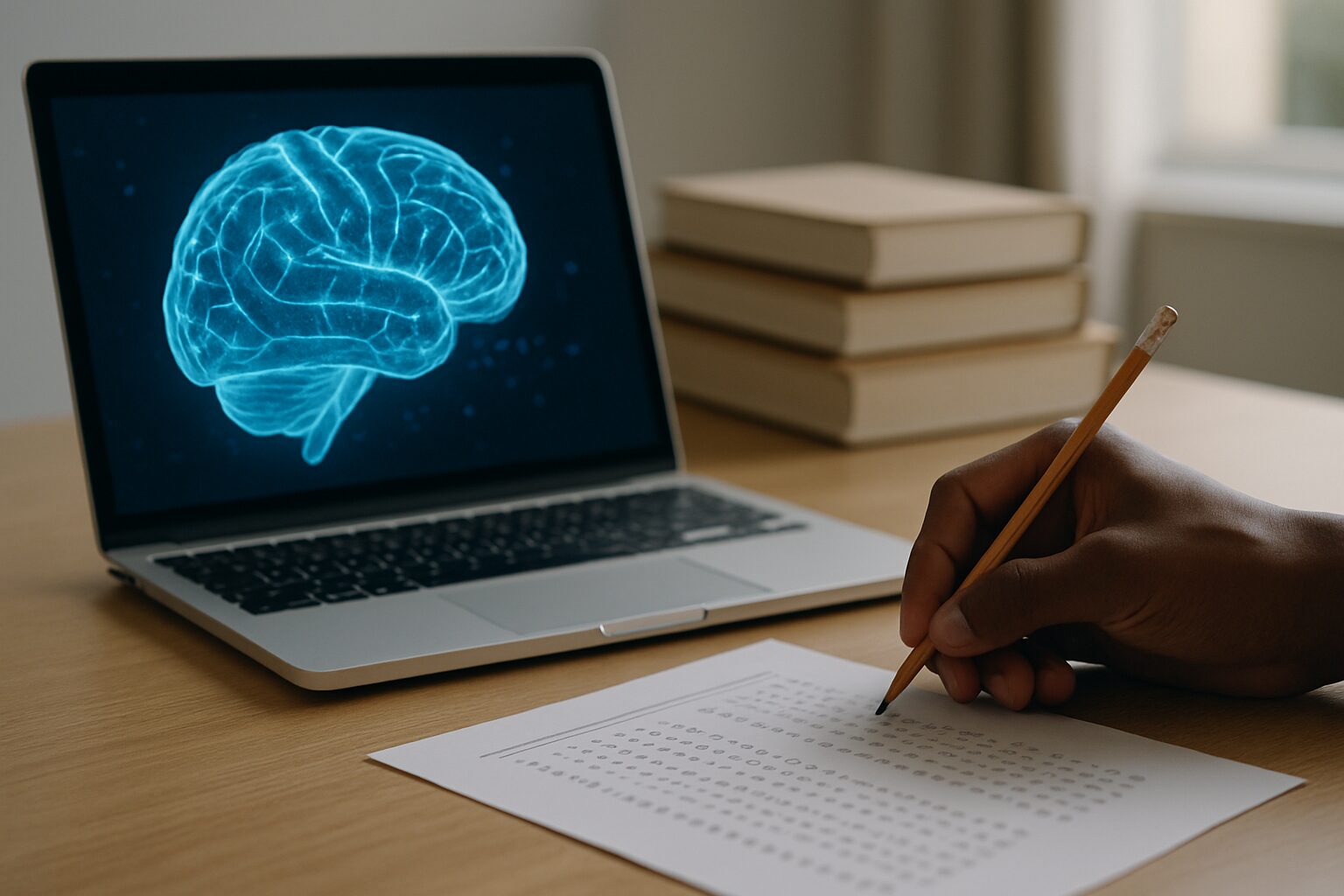
Unlocking Inclusive Learning: Smart Algorithms for Accessibility
Educational algorithms are increasingly used to personalize learning experiences, assess student performance, and allocate resources. However, these systems can inadvertently create or reinforce barriers for learners with disabilities, language differences, or limited access to technology. Ensuring accessibility in educational algorithms requires deliberate design choices that account for diverse needs and equitable outcomes. This involves addressing biases, compatibility with assistive technologies, and inclusive data representation.
Why It Matters - Real-world impact
Educational algorithms and accessibility practices directly impact millions of students, educators, and lifelong learners, particularly those with disabilities or from marginalized communities. When AI-driven tools fail to prioritize accessibility—whether through biased data, poorly designed interfaces, or exclusionary content delivery—they risk widening existing inequities in education. For example, a language model that doesn’t account for dyslexia or a grading algorithm that favors certain demographics could derail opportunities for vulnerable learners. Beyond classrooms, these technologies influence hiring, certification, and career advancement, making their fairness a societal concern. Regular people should care because these systems shape who gets access to knowledge, skills, and ultimately, power in an increasingly digital world.
Ethical Concerns - What’s wrong or risky?
Educational Algorithms and Accessibility Best Practices
As educational algorithms become more integrated into learning systems, they raise significant ethical concerns. One primary issue is fairness, as algorithms may unintentionally favor certain student demographics, leading to unequal access to resources. For example, if an algorithm is trained on data from well-funded schools, it might not serve students from under-resourced areas effectively.
Discrimination Risks
Another critical risk is discrimination, where algorithms might perpetuate biases based on race, gender, or socioeconomic status. For instance, predictive models could steer minority students away from advanced courses based on historical data patterns, reinforcing existing inequalities.
Transparency and Accountability
Transparency is vital, as many educational algorithms operate as "black boxes," making it difficult for educators and students to understand how decisions are made. This lack of clarity can erode trust and hinder the ability to challenge or correct erroneous outcomes.
Economic and Social Implications
There are also concerns about the economic impact of these technologies. Widespread adoption could lead to reduced funding for human educators or create disparities where only affluent institutions can afford advanced algorithmic tools, exacerbating educational divides.
Differing Perspectives
Not all stakeholders view these risks uniformly. Some argue that algorithms can enhance personalized learning and accessibility if designed ethically, while others caution that over-reliance on technology may dehumanize education. Critics also highlight potential job displacement for educators, though this is debated.
Additional moral concerns include data privacy, as student information is often collected and analyzed, and the potential for algorithms to limit critical thinking by promoting standardized outcomes. Balancing innovation with ethical safeguards remains a key challenge in this evolving field.
Solutions - What’s being done or proposed?
Implementing Universal Design for Learning (UDL) Frameworks
Many educators and technologists advocate for integrating Universal Design for Learning (UDL) principles into educational algorithms. UDL ensures that learning materials are accessible to all students, including those with disabilities, by providing multiple means of engagement, representation, and expression. This approach involves designing algorithms that can adapt content delivery based on individual needs, such as offering text-to-speech options, adjustable text sizes, and alternative assessment methods.
Developing Open-Source and Transparent Algorithms
To address biases and improve accessibility, some experts suggest developing open-source educational algorithms. Transparency in algorithmic design allows for community scrutiny and collaboration, ensuring that the tools are fair and inclusive. Open-source models also enable institutions to customize algorithms to meet specific accessibility requirements, such as supporting multiple languages or accommodating different learning styles.
Enforcing Legal Compliance with Accessibility Standards
Legal measures, such as enforcing compliance with the Americans with Disabilities Act (ADA) and Web Content Accessibility Guidelines (WCAG), have been proposed to ensure educational algorithms are accessible. Institutions can be mandated to audit their AI tools for accessibility and make necessary adjustments. Penalties for non-compliance could incentivize developers to prioritize inclusivity from the outset.
Promoting Inclusive Data Collection Practices
Bias in educational algorithms often stems from unrepresentative training data. Solutions include collecting diverse datasets that reflect the full spectrum of student demographics, abilities, and learning needs. Inclusive data practices help algorithms perform equitably across different populations, reducing disparities in educational outcomes.
Establishing Ethical Review Boards for EdTech
Some institutions have proposed creating ethical review boards to oversee the development and deployment of educational algorithms. These boards would evaluate potential biases, accessibility barriers, and ethical implications before implementation. By involving stakeholders like educators, disability advocates, and students, these boards can ensure that AI tools align with inclusive education goals.
Providing Teacher Training on Algorithmic Tools
Educators play a critical role in implementing AI tools effectively. Training programs can help teachers understand how to use educational algorithms in ways that enhance accessibility. This includes identifying when algorithms may inadvertently exclude students and knowing how to intervene or supplement with alternative methods.
Encouraging Public-Private Partnerships for Accessibility Innovation
Collaborations between governments, tech companies, and nonprofits can drive innovation in accessible educational algorithms. Public-private partnerships can pool resources to fund research, develop open-access tools, and pilot programs in underserved communities. Such initiatives can scale solutions that might otherwise be limited by budget constraints.
Examples and Real Cases
Proctorio's Algorithmic Bias in Remote Testing (2020)
In 2020, Proctorio's remote proctoring software was found to have difficulty recognizing darker skin tones, disproportionately flagging Black and Brown students for cheating. This led to false accusations and increased stress for students at institutions like UCLA and the University of Illinois.
Khan Academy's Adaptive Learning Success (2018-Present)
Khan Academy's adaptive algorithms have successfully accommodated diverse learning needs by adjusting content difficulty in real-time. Their 2018 accessibility updates specifically improved support for visually impaired students through better screen reader compatibility.
Hypothetical: AI-Powered Language Learning App Exclusion
A hypothetical AI language app might fail to recognize regional dialects or accents in speech recognition, making it unusable for ESL students from certain regions. Without proper testing across diverse user groups, the app could inadvertently exclude entire demographics from effective language learning.
Pearson's Accessible Digital Textbook Initiative (2021)
Pearson Education implemented AI-driven alt-text generation in 2021 to make STEM textbooks more accessible. While improving access for blind students, early versions struggled with complex mathematical notations, requiring subsequent algorithmic refinements.
Hypothetical: Career Recommendation Algorithm Bias
An educational AI system might recommend vocational tracks to students from lower-income neighborhoods while suggesting college prep to wealthier peers, perpetuating socioeconomic divides. This could occur if training data reflects historical enrollment patterns rather than student potential.
Frequently Asked Questions
What are educational algorithms?
Educational algorithms are step-by-step procedures or rules designed to enhance learning experiences, often used in adaptive learning technologies to personalize content based on a student's needs and progress.
Why is accessibility important in education?
Accessibility ensures all learners, including those with disabilities, can fully participate in education. It removes barriers and provides equal opportunities for success, fostering inclusivity and diversity in learning environments.
How do educational algorithms improve accessibility?
Educational algorithms can adapt content formats (e.g., text-to-speech, simplified layouts) and pacing to accommodate diverse learning needs, making education more accessible for students with disabilities or learning differences.
What are some accessibility best practices for online learning?
Key practices include using alt text for images, providing captions for videos, ensuring keyboard navigability, using high-contrast colors, and offering multiple content formats (e.g., text, audio, video) to cater to different needs.
How can teachers apply accessibility principles in the classroom?
Teachers can use universal design for learning (UDL) by offering multiple ways to engage with material, represent content, and express understanding. This includes flexible tools, assistive technologies, and inclusive lesson planning.