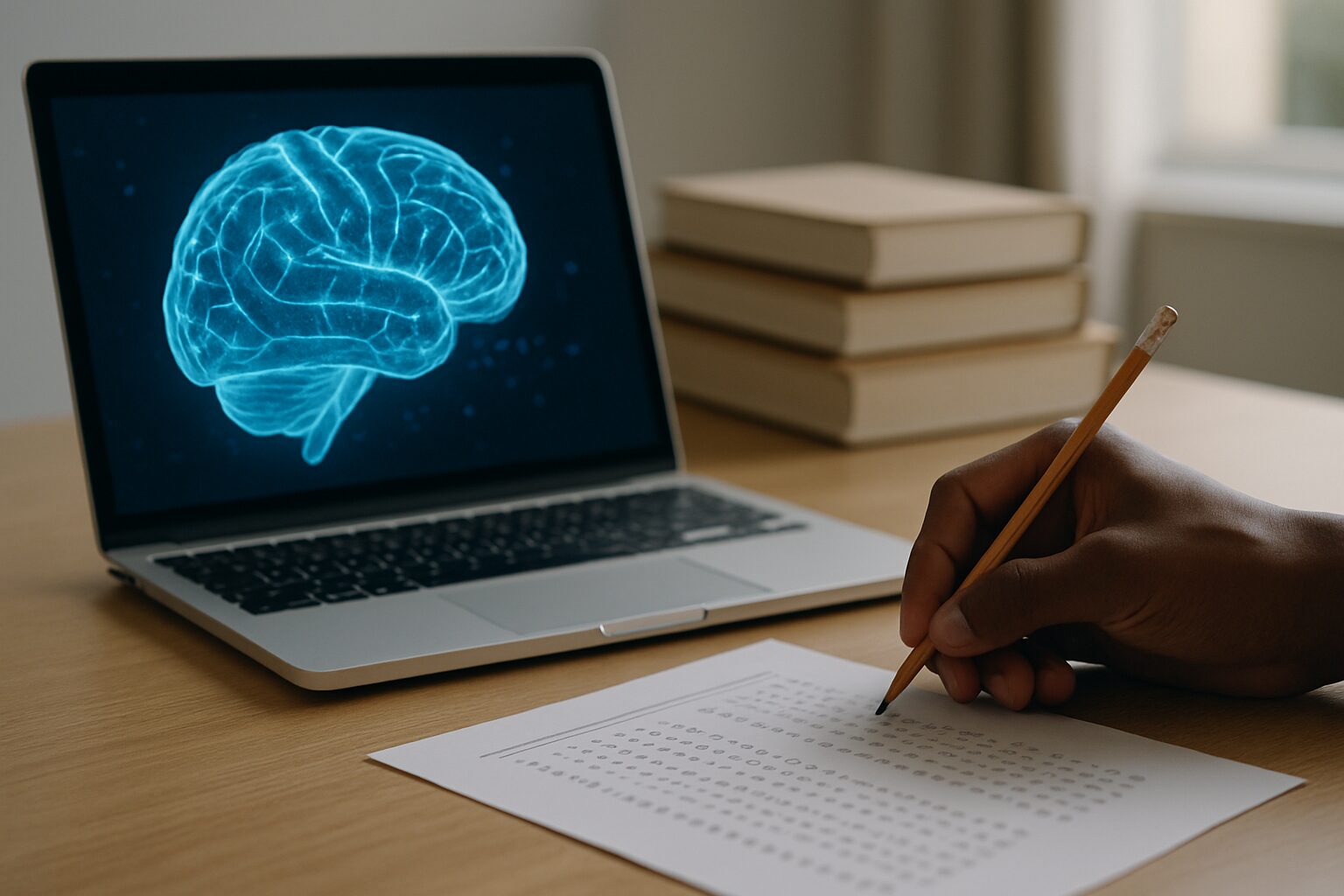
How Smart Algorithms Are Revolutionizing Learning for All
Educational algorithms are increasingly used to personalize learning, assess performance, and allocate resources in schools and online platforms. These systems rely on data and machine learning to make decisions, but their design and deployment can create barriers for students with disabilities or limited access to technology. The ethical concern lies in ensuring these tools do not widen existing inequalities in education by excluding or disadvantaging certain groups. Accessibility must be a core consideration in their development to ensure fair and inclusive learning opportunities.
Why It Matters - Real-world impact
Educational algorithms and accessibility impact real lives by shaping opportunities for students, educators, and marginalized communities. When AI-driven tools are biased, poorly designed, or inaccessible, they can reinforce inequities—denying disabled learners accommodations, disadvantaging non-native speakers, or perpetuating racial or socioeconomic disparities in grading and admissions. These systems influence who gets access to quality education, scholarships, or career pathways, with long-term consequences for social mobility. Regular people should care because these technologies increasingly dictate how schools and universities operate, affecting children, job seekers, and the future workforce. Without ethical oversight, algorithms risk automating discrimination under the guise of neutrality, deepening divides rather than bridging them.
Ethical Concerns - What’s wrong or risky?
Educational Algorithms and Accessibility Impact
Educational algorithms, while promising personalized learning, introduce significant ethical risks. One major concern is fairness, as these systems may inadvertently favor students from certain backgrounds, reinforcing existing inequalities. Similarly, issues of discrimination arise when algorithms use biased data, leading to outcomes that disadvantage marginalized groups.
Another critical issue is transparency. Many educational algorithms operate as "black boxes," making it difficult for educators and students to understand how decisions are made, which can erode trust and accountability.
Some argue that these tools democratize education by providing tailored support, while others worry they could deepen divides. For instance, reliance on algorithms might reduce human interaction, impacting the quality of education and raising concerns about the economic impact if access becomes tied to affordability.
Additionally, the integration of AI in education could lead to job loss for educators or support staff, as automation replaces certain roles. This ties into broader worker rights issues, such as whether those affected are provided retraining or fair compensation.
Not all perspectives see these risks as insurmountable; proponents believe that with careful design and regulation, algorithms can enhance accessibility without compromising ethics.
Solutions - What’s being done or proposed?
Implementing Universal Design Principles in AI Development
One approach has been to integrate universal design principles into the development of educational algorithms. This means designing AI systems from the ground up to be accessible to all users, including those with disabilities. For example, incorporating features like text-to-speech, adjustable text sizes, and compatibility with screen readers ensures that the technology is usable by a wider audience. Developers are encouraged to follow accessibility guidelines such as WCAG (Web Content Accessibility Guidelines) to meet these standards.
Policy and Regulation for Algorithmic Transparency
Governments and institutions have proposed policies requiring transparency in educational algorithms to prevent bias and ensure fairness. For instance, the Algorithmic Accountability Act in the U.S. seeks to mandate audits of AI systems for biases that could affect marginalized groups. Such regulations aim to hold developers accountable and ensure that algorithms used in education do not inadvertently discriminate against students based on race, gender, or socioeconomic status.
Community and Stakeholder Involvement in AI Deployment
Engaging educators, students, and parents in the development and deployment of educational AI has been suggested as a way to improve accessibility. By including diverse perspectives, developers can better understand the needs of different user groups. Workshops, feedback sessions, and pilot programs involving these stakeholders help identify potential barriers early and create more inclusive solutions.
Bias Mitigation Through Diverse Training Data
Technical solutions to reduce bias in AI include using more diverse and representative training datasets. For example, ensuring that language models are trained on texts from various cultures and dialects can prevent linguistic bias. Similarly, facial recognition algorithms used in proctoring software must be tested across different skin tones to avoid misidentification. Researchers advocate for continuous auditing and updating of datasets to maintain fairness.
Open-Source and Collaborative AI Development
Promoting open-source AI projects allows for broader scrutiny and collaboration in improving accessibility. When educational algorithms are made publicly available, researchers and advocates can identify flaws, suggest improvements, and create forks tailored to specific needs. This model fosters innovation and ensures that solutions are not locked behind proprietary systems, making them more adaptable to diverse educational environments.
Institutional Training on Ethical AI Use
Schools and universities are implementing training programs for staff and administrators on the ethical use of AI in education. These programs cover topics like recognizing algorithmic bias, understanding data privacy concerns, and ensuring equitable access to technology. By educating those who deploy AI tools, institutions can make more informed decisions and advocate for better practices within their systems.
Examples and Real Cases
Proctorio's Algorithmic Bias in Online Testing (2020)
In 2020, Proctorio's AI-powered proctoring software faced criticism for flagging students with disabilities or darker skin tones at higher rates. Students reported being wrongfully accused of cheating due to the system's inability to properly interpret assistive technologies or varying lighting conditions.
UK A-Level Algorithm Grading Controversy (2020)
In August 2020, the UK's algorithm for determining A-level grades disproportionately downgraded students from disadvantaged schools. The system used historical school performance data, perpetuating existing inequalities and affecting university admissions for thousands of students.
Hypothetical: Language Model for Special Education
A school district implements an AI language model to generate individualized education plans (IEPs), but the system lacks training data for non-verbal students. This results in generic, ineffective plans that don't address the specific needs of non-verbal autistic students in the district.
ChatGPT's Knowledge Cutoff Impact (2023)
Students with visual impairments relying on ChatGPT for accessible study materials found gaps when asking about post-2021 events. This created educational disadvantages compared to sighted peers who could access current materials through traditional means.
Hypothetical: Rural School Recommendation System
An algorithm recommending advanced courses to middle school students uses internet access as a success predictor, systematically excluding high-potential students from rural areas with limited broadband access from STEM track recommendations.
Frequently Asked Questions
What are educational algorithms?
Educational algorithms are step-by-step procedures or formulas designed to enhance learning experiences. They can personalize education, recommend resources, or adapt content based on a student's needs, making learning more effective and accessible.
Why is accessibility important in educational technology?
Accessibility ensures all learners, including those with disabilities, can use educational tools effectively. It promotes equal opportunities, removes barriers, and helps create inclusive learning environments where everyone can succeed.
How do algorithms improve accessibility in education?
Algorithms can automatically adjust text size, provide audio descriptions, suggest alternative learning formats, or tailor content to individual needs. This helps students with disabilities or learning differences access materials more easily.
Can educational algorithms reduce bias in learning?
When designed carefully, algorithms can help reduce human bias by providing objective, data-driven recommendations. However, they must be trained on diverse data to avoid perpetuating existing biases in education.
What are some real-world examples of accessible educational algorithms?
Examples include speech-to-text tools for students with hearing impairments, personalized reading apps for dyslexia, or AI tutors that adapt to different learning speeds. These technologies make education more inclusive for all learners.