Smart Tech for Safer Schools: Analyzing Surveillance Trends
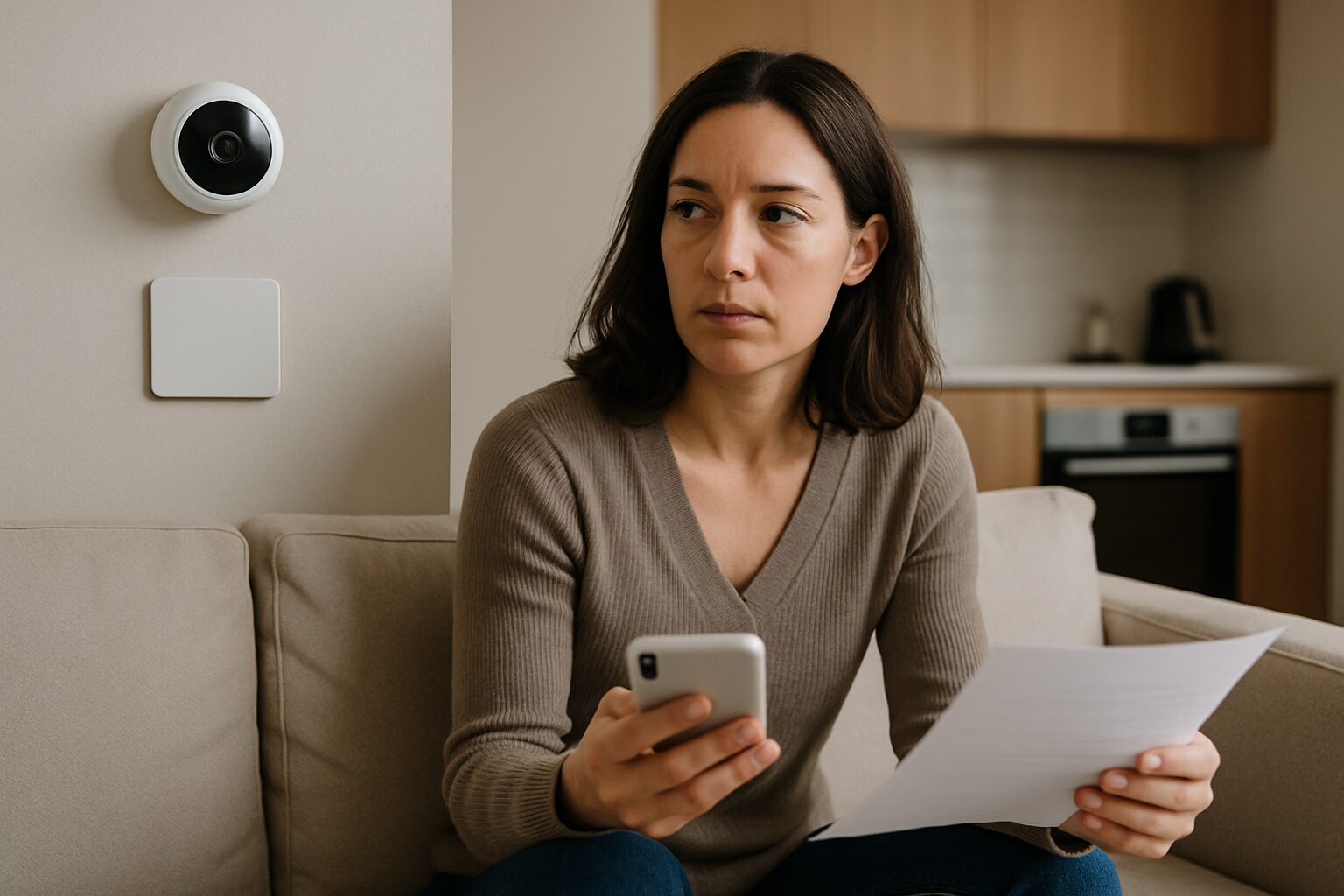
The use of artificial intelligence in school surveillance systems raises ethical questions about privacy and consent. These systems, which may include facial recognition, behavior analysis, or other monitoring technologies, collect and process sensitive data about students and staff. The issue centers on balancing safety concerns with the rights of individuals to control their personal information.
Why It Matters - Real-world impact
The use of AI in school surveillance systems raises critical ethical concerns with real-world consequences for students, educators, and families. Students, particularly minors, are vulnerable to privacy violations when facial recognition, behavior tracking, or emotion detection technologies are deployed without meaningful consent. Errors in AI analysis—such as misidentifying normal behavior as suspicious—could lead to unjust disciplinary actions or perpetuate biases against marginalized groups. Parents and teachers may also face eroded trust in educational institutions if surveillance feels intrusive or punitive. Beyond schools, normalized surveillance of children sets a troubling precedent for broader societal acceptance of invasive monitoring. Regular people should care because these systems shape the boundaries of privacy, autonomy, and fairness for future generations.
Ethical Concerns - What’s wrong or risky?
Economic Impact of AI Surveillance in Schools
Implementing AI-driven surveillance systems in educational settings carries significant financial implications. The initial investment in hardware, software, and infrastructure can divert funds from other critical educational resources, potentially widening the gap between well-funded and under-resourced schools. This raises concerns about equitable access to safe learning environments and whether the costs justify the perceived benefits. For more on this, see our analysis on Ethical Concern: Economic Impact.
Discrimination and Bias in Monitoring
AI surveillance tools often rely on algorithms trained on biased datasets, which can perpetuate and even amplify existing societal prejudices. For instance, facial recognition systems may misidentify students of color at higher rates, leading to unjust disciplinary actions. This not only harms individual students but also reinforces systemic inequalities within the education system. Learn more about these issues in our section on Ethical Concerns: Discrimination.
Fairness in Application and Outcomes
The deployment of AI surveillance must be scrutinized for fairness, both in how policies are applied and in the outcomes they produce. Systems that flag certain behaviors as "suspicious" might disproportionately target marginalized groups, such as students with disabilities or those from low-income backgrounds. Ensuring that these technologies do not exacerbate existing disparities is crucial. Explore further discussions at Ethical Concerns: Fairness.
Transparency and Accountability Gaps
Many AI surveillance systems operate as "black boxes," where the decision-making processes are opaque to administrators, teachers, students, and parents. This lack of transparency makes it difficult to challenge erroneous or unfair outcomes, undermining trust in the system. Stakeholders deserve to understand how and why decisions are made. For insights into improving clarity, visit Ethical Concerns: Transparency.
Differing Perspectives on AI Surveillance
Not all stakeholders view these risks uniformly. Proponents argue that AI surveillance enhances safety by preventing incidents like bullying or violence, and that the benefits to security outweigh privacy concerns. They may also emphasize the potential for these systems to provide data-driven insights for improving school climates. Critics, however, caution against normalizing surveillance, especially for young people, and stress the importance of consent and the right to privacy. Some educators and parents believe that fostering trust and communication is more effective than monitoring, while others see technology as a necessary tool in modern education management.
Additional Ethical Considerations
Beyond the linked categories, other moral concerns arise, such as the psychological impact of constant monitoring on students, which could lead to anxiety or self-censorship. There is also the risk of data misuse or breaches, where sensitive information about minors could be exposed or exploited. Furthermore, the long-term societal implications of acclimating youth to surveillance culture warrant careful ethical reflection, even if these topics are not covered in the provided linked resources.
Solutions - What’s being done or proposed?
Strict Data Protection Regulations
Some jurisdictions have implemented strict data protection laws, such as GDPR in Europe, to regulate how AI surveillance systems in schools collect, store, and process student data. These laws require explicit consent, data minimization, and transparency in how the data is used. Schools must conduct privacy impact assessments and ensure that surveillance is proportionate to its purpose.
Anonymization and Encryption Techniques
Technical solutions like anonymizing facial recognition data or encrypting video feeds have been proposed to reduce privacy risks. By stripping identifiable information or securing data transmission, schools can mitigate the risk of misuse. However, critics argue that anonymization may not be foolproof and could still allow re-identification in some cases.
Community Engagement and Consent
Some schools have adopted participatory approaches, involving parents, students, and educators in discussions about AI surveillance before implementation. Transparent policies and opt-out mechanisms are introduced to respect individual choices. This social solution aims to balance safety concerns with ethical considerations, though enforcement remains challenging.
Independent Oversight Committees
Institutional oversight bodies, composed of ethicists, technologists, and community representatives, have been suggested to monitor AI surveillance systems in schools. These committees would audit algorithms for bias, review data usage policies, and ensure compliance with ethical standards. Their independence is key to maintaining trust in the system.
Alternative Non-Invasive Monitoring
Instead of AI-driven facial recognition, some institutions have explored less invasive methods like motion sensors or anonymized crowd behavior analysis. These alternatives focus on detecting safety threats without identifying individuals, reducing privacy concerns. However, their effectiveness in preventing incidents is still under debate.
Sunset Clauses and Regular Reviews
Legal frameworks with sunset clauses mandate periodic reviews of AI surveillance systems to assess their necessity and impact. If the technology fails to meet ethical or operational benchmarks, it is discontinued. This ensures that surveillance does not become permanent without justification.
Examples and Real Cases
Lockport City School District's Facial Recognition System (2019)
In 2019, Lockport City School District in New York deployed a facial recognition system funded by a state grant. The system was intended to identify threats but raised concerns over student privacy and potential misuse, leading to temporary suspension by the state education department.
Pisa, Italy's AI-Powered School Monitoring (2021)
In 2021, a school in Pisa, Italy, tested an AI system to monitor students' behavior via cameras, claiming it would detect distress or violence. Privacy advocates criticized the lack of consent and potential for constant surveillance, leading to public debate.
Hypothetical: AI-Driven Emotion Tracking in Classrooms
A school district considers implementing AI to analyze students' facial expressions during lessons, claiming it improves engagement. Critics argue it invades privacy and may misinterpret emotions, especially among neurodiverse students.
China's Classroom Surveillance Systems (2018u2013Present)
Since 2018, Chinese schools have used AI systems like 'Smart Classroom Behavior Management' to monitor students' attention levels via cameras. The practice has sparked global criticism for normalizing surveillance without explicit consent.
Hypothetical: Predictive Policing in U.S. Schools
A U.S. school partners with a tech firm to use AI predicting 'risky' behavior based on past data. Civil rights groups warn this could disproportionately target minority students, replicating biases in policing.
Frequently Asked Questions
What is AI in school surveillance systems?
AI in school surveillance systems refers to the use of artificial intelligence technologies, such as facial recognition and behavior analysis, to monitor students and staff in educational settings. These systems aim to enhance safety but raise concerns about privacy and consent.
Why is privacy important in AI school surveillance?
Privacy is important because students and staff have the right to control their personal data. AI surveillance can collect sensitive information without clear consent, leading to potential misuse or violations of individual rights.
How does AI surveillance impact student consent?
AI surveillance often operates without explicit student or parental consent, especially in public schools. This lack of transparency can undermine trust and raise ethical questions about involuntary data collection.
What are the risks of using AI for school monitoring?
Risks include unauthorized data sharing, bias in AI algorithms (e.g., misidentifying individuals), and creating a culture of constant surveillance, which may negatively affect students' mental health and sense of autonomy.
Are there laws regulating AI surveillance in schools?
Laws vary by region, but many places lack clear regulations. Some countries or states require consent or restrict certain technologies, while others have no specific rules, leaving gaps in student privacy protections.