The Future of School Safety: How Smart Tech is Changing Surveillance
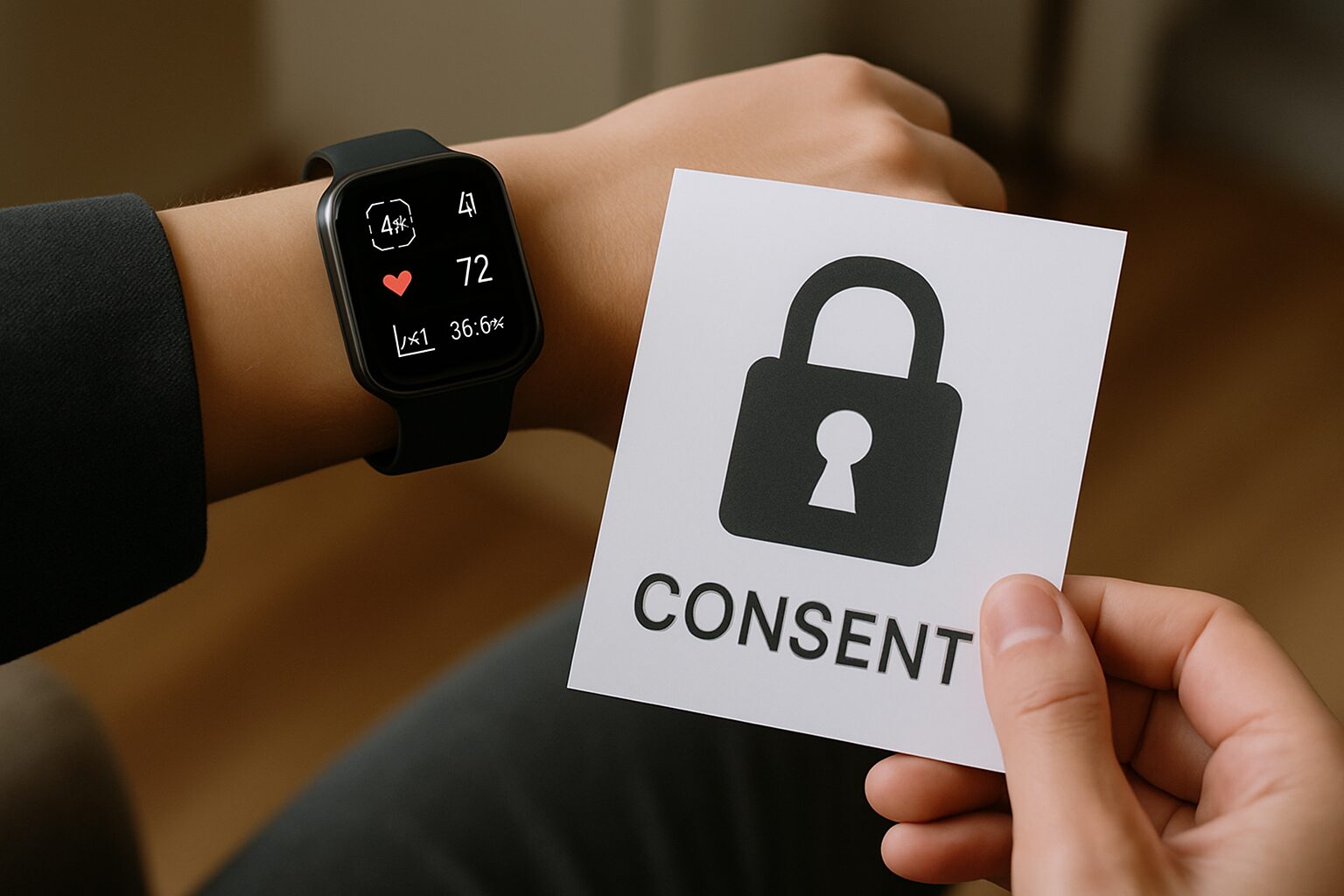
The use of artificial intelligence in school surveillance systems raises ethical concerns about privacy and consent. These systems, which may include facial recognition, behavior analysis, or activity monitoring, collect and process sensitive student data. The issue centers on how this data is used, stored, and whether students and families are adequately informed or given a choice in its collection.
Why It Matters - Real-world impact
The use of AI in school surveillance systems has far-reaching implications for students, educators, and society at large. Students, whose behaviors and emotions may be constantly monitored, face risks of privacy violations, profiling, or even misidentification due to biased algorithms. Educators and administrators may unknowingly rely on flawed systems that disproportionately target marginalized groups, reinforcing existing inequalities. For parents and the broader public, the normalization of pervasive surveillance in schools sets a dangerous precedent for the erosion of personal freedoms. Without proper safeguards, these technologies could shape a generation accustomed to being watched, undermining trust and autonomy in learning environments. This issue matters because it challenges fundamental rights—privacy, fairness, and consent—in spaces meant to nurture growth and development.
Ethical Concerns - What’s wrong or risky?
AI in School Surveillance: Balancing Safety and Ethics
As schools increasingly adopt AI-powered surveillance systems—such as facial recognition, behavior analytics, and predictive monitoring—ethical concerns around privacy and consent come to the forefront. While proponents argue these technologies enhance safety and prevent incidents like bullying or violence, critics raise alarms about their broader implications.
Privacy and Consent
Students, especially minors, may not fully understand or consent to continuous monitoring. AI systems often collect and analyze sensitive data without transparent opt-in mechanisms, raising questions about autonomy and the right to privacy in educational settings.
Discrimination Risks
AI surveillance can perpetuate or amplify biases, particularly if training data reflects historical prejudices. For example, facial recognition has been shown to have higher error rates for people of color, potentially leading to unfair targeting or disciplinary actions. Learn more about ethical concerns related to discrimination.
Fairness in Implementation
Not all schools have equal resources to deploy or oversee advanced surveillance, which could widen the gap between well-funded and under-resourced institutions. Additionally, algorithmic decisions—such as flagging "suspicious" behavior—may lack contextual understanding, unfairly penalizing certain students. Explore issues of fairness in ethical frameworks.
Transparency and Accountability
Many AI systems operate as "black boxes," making it difficult for administrators, parents, or students to understand how decisions are made. Without clear explanations or avenues for appeal, trust in these systems erodes. Delve into the importance of transparency in ethical AI.
Other Moral Concerns
Beyond these linked issues, there are worries about the normalization of surveillance culture, which could impact students' psychological development and sense of autonomy. Some also question whether AI surveillance addresses root causes of safety issues or merely treats symptoms.
Differing Perspectives
Supporters emphasize the potential of AI to create safer environments by detecting threats early and reducing human error. They argue that, with proper safeguards, benefits outweigh risks. Opponents, however, caution against trading fundamental rights for perceived security, advocating for alternative approaches like counseling and community building.
Solutions - What’s being done or proposed?
Implementing Strict Data Protection Laws
Several regions have introduced or updated data protection laws to regulate AI surveillance in schools. For example, the General Data Protection Regulation (GDPR) in the EU mandates transparency, consent, and data minimization. Schools must inform students and parents about surveillance practices, obtain explicit consent where required, and ensure data is only used for its intended purpose. Such laws aim to balance security needs with privacy rights.
Developing Privacy-Preserving AI Technologies
Researchers and companies are working on AI systems that anonymize or aggregate data to reduce privacy risks. Techniques like federated learning allow analysis without storing identifiable information, while differential privacy adds noise to datasets to prevent re-identification. These technologies enable schools to monitor safety trends without exposing individual students to unnecessary surveillance.
Establishing Independent Oversight Committees
Some institutions have created oversight committees comprising educators, parents, and privacy experts to review AI surveillance systems. These committees evaluate the necessity, proportionality, and ethical implications of surveillance tools, ensuring they align with educational goals and community values. Regular audits and impact assessments help maintain accountability.
Promoting Transparency and Community Engagement
Schools adopting AI surveillance are increasingly holding public forums and transparent reporting to build trust. Detailed disclosures about system capabilities, data handling, and incident logs allow stakeholders to understand and question practices. Engaging students, parents, and teachers in decision-making fosters a collaborative approach to safety and privacy.
Adopting Alternative Non-Surveillance Measures
Instead of relying on AI surveillance, some schools invest in counseling, restorative justice programs, and peer support networks to address safety concerns. These approaches prioritize human interaction and mental health over monitoring, reducing the need for invasive technologies while addressing root causes of behavioral issues.
Creating Ethical Guidelines for AI Use in Education
Organizations like UNESCO have proposed ethical frameworks for AI in education, emphasizing human rights, fairness, and accountability. Schools can adopt these guidelines to ensure surveillance systems are used responsibly, avoiding discrimination and safeguarding student dignity. Such frameworks provide a moral compass for policymakers and educators.
Examples and Real Cases
Lockport City School District's Facial Recognition System (2019)
In 2019, Lockport City School District in New York implemented a facial recognition system funded by a state grant. The system was intended to identify threats but raised concerns over student privacy and potential misuse. After backlash, the New York State Education Department paused the program in 2020 for further review.
Hypothetical: AI-Powered Behavior Monitoring in Texas Schools
A hypothetical scenario involves Texas schools adopting AI systems to analyze student behavior through cameras and microphones, flagging 'suspicious' activity like prolonged silence or fidgeting. Critics argue this could lead to over-surveillance and misinterpretation of normal student behavior, disproportionately affecting students with anxiety or ADHD.
China's Smart Classroom Surveillance (2018)
In 2018, Chinese schools deployed AI systems to monitor students' facial expressions and posture, claiming it improved engagement. However, the technology sparked debates over privacy violations and the psychological impact of constant surveillance on children.
Hypothetical: Predictive Policing in California Schools
A realistic hypothetical involves California schools using AI to predict 'at-risk' students based on attendance, grades, and social media activity. While aimed at early intervention, civil rights groups warn it could reinforce biases and stigmatize students without proper consent.
Broward County's Social Media Monitoring (2016)
In 2016, Broward County Public Schools in Florida partnered with a company to monitor students' social media for threats. The program faced criticism for invading privacy and collecting data without clear student or parental consent.
Frequently Asked Questions
What is AI school surveillance and how does it work?
AI school surveillance uses artificial intelligence (AI) technologies like facial recognition, behavior analysis, and motion detection to monitor students and staff in schools. It works by analyzing video feeds or data from cameras and sensors to identify potential risks, track attendance, or detect unusual behavior.
Why is privacy a concern with AI surveillance in schools?
Privacy is a concern because AI surveillance can collect sensitive data about students, such as their movements, facial expressions, or behaviors, without their full awareness or consent. This raises ethical questions about data security, misuse, and the potential for over-monitoring in educational environments.
Do students and parents have a say in AI surveillance at schools?
In many cases, schools implement AI surveillance without explicit consent from students or parents. However, privacy laws in some regions require transparency and may allow parents to opt out. It's important for schools to communicate policies clearly and involve the community in decision-making.
How can AI surveillance impact student behavior and learning?
AI surveillance may create a sense of constant monitoring, which can increase stress and reduce trust among students. While it may deter misconduct, it could also discourage creativity and free expression, affecting the overall learning environment.
Are there alternatives to AI surveillance for school safety?
Yes, alternatives include human supervision, anonymous reporting systems, mental health support programs, and community-building initiatives. These methods focus on proactive safety measures while respecting privacy and fostering trust between students and staff.