Debunking the Hype: The Truth About Smart Surveillance in Schools
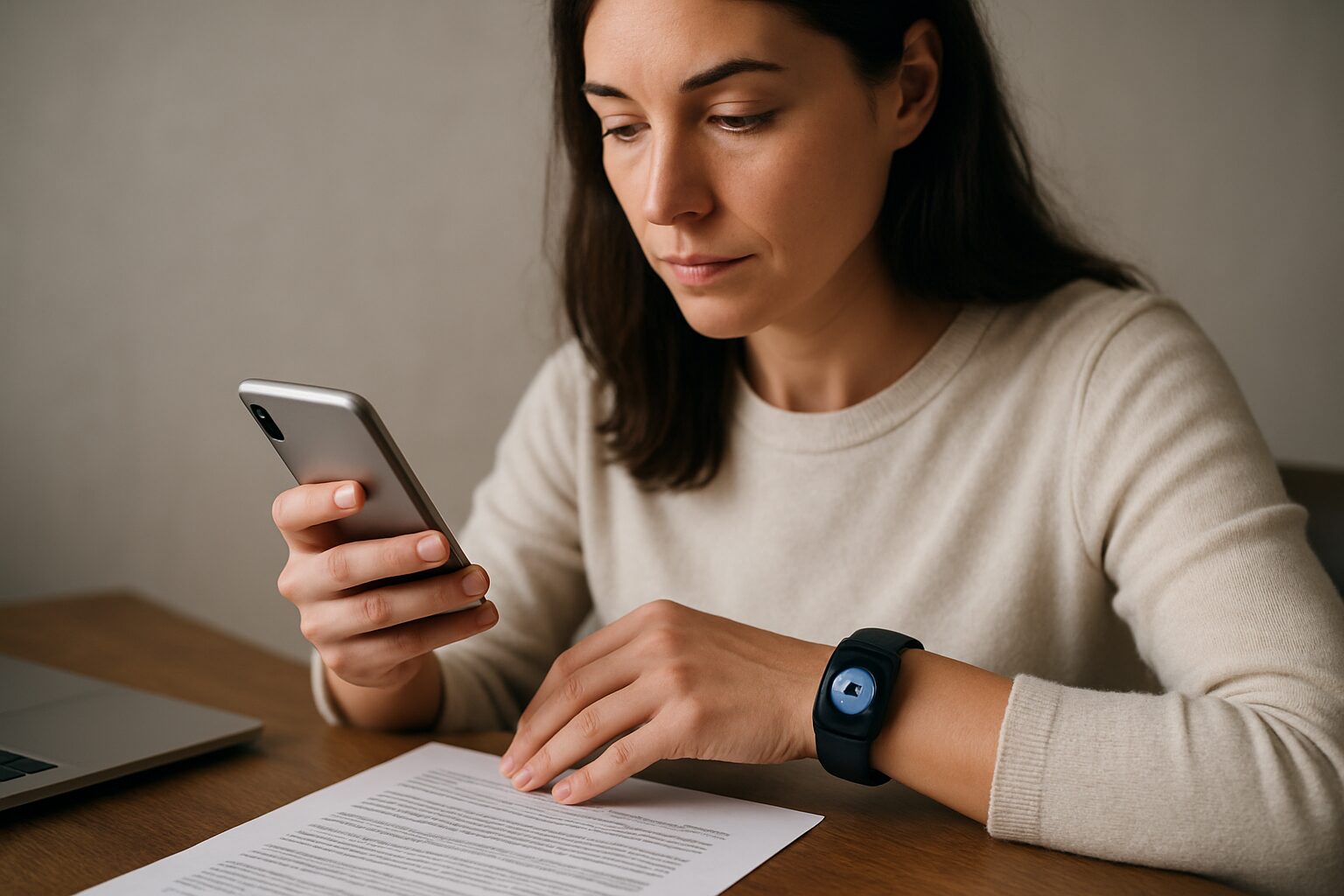
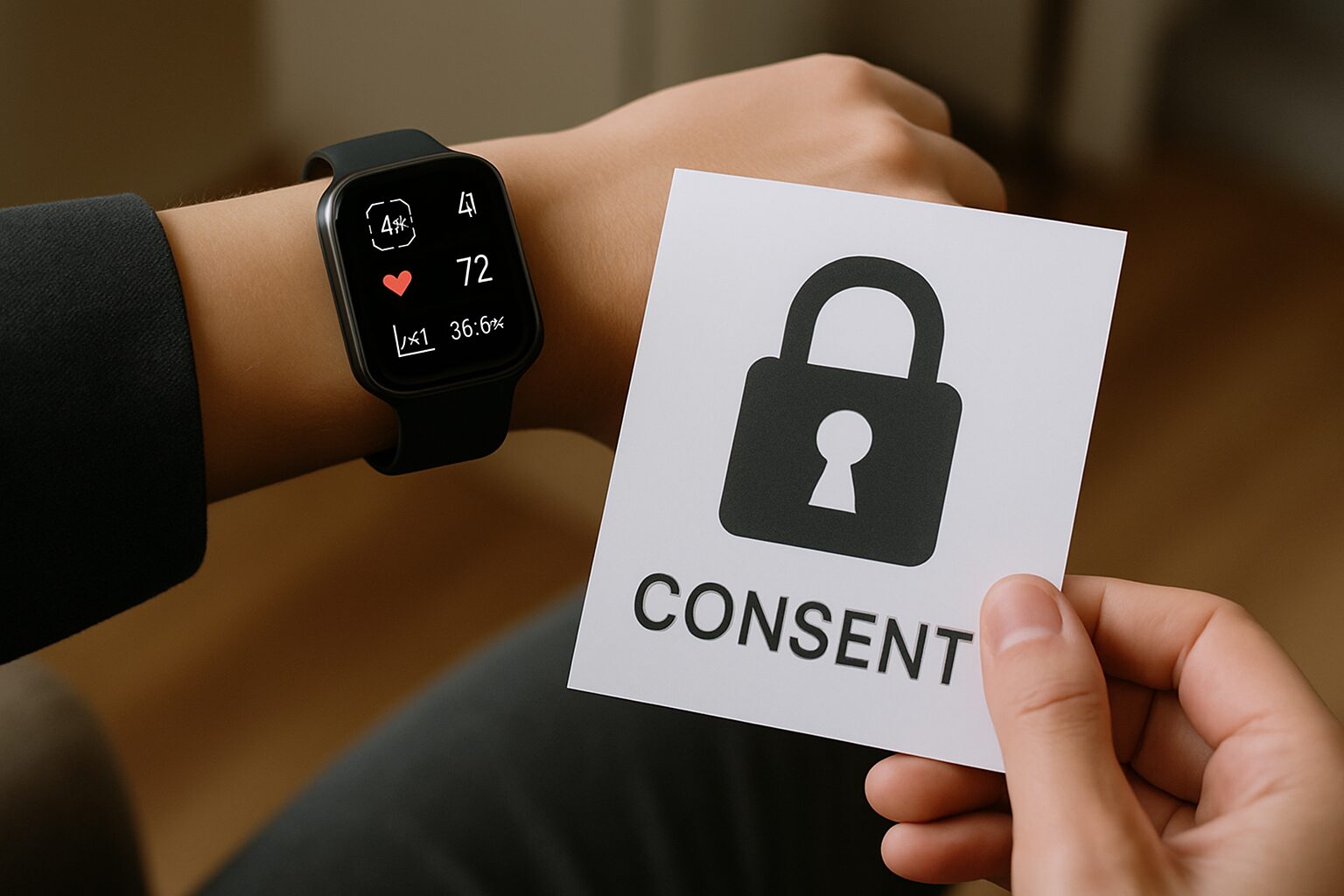
The use of AI in school surveillance systems raises ethical questions about privacy and consent. These systems often employ facial recognition, behavior analysis, and other monitoring technologies to enhance security. While proponents argue they improve safety, critics highlight concerns about data collection, student autonomy, and potential misuse. The debate centers on balancing security needs with the rights of students and staff.
Why It Matters - Real-world impact
The use of AI in school surveillance systems has far-reaching implications for students, educators, and society at large. Students, particularly minors, are the most directly affected, as pervasive monitoring can erode their privacy, stifle free expression, and normalize constant surveillance. Misidentification by biased algorithms or overreach by authorities could lead to unjust disciplinary actions, disproportionately harming marginalized communities. Parents and educators also bear the responsibility of balancing safety with ethical concerns, as unchecked surveillance may undermine trust in institutions. For regular people, this issue signals a broader trend: the normalization of invasive AI monitoring in public spaces risks setting dangerous precedents for privacy and civil liberties. Ignoring these concerns today could pave the way for more intrusive surveillance in workplaces, neighborhoods, and beyond.
Ethical Concerns - What’s wrong or risky?
Myth: AI surveillance ensures equal treatment for all students
Reality: AI systems can perpetuate and even amplify existing biases. Algorithms trained on historical data may reflect societal prejudices, leading to disproportionate targeting of certain student groups based on race, socioeconomic status, or disability. This raises serious concerns about discrimination, as surveillance outcomes may not be neutral or objective.
Myth: Surveillance AI operates with complete transparency
Reality: Many AI surveillance systems function as "black boxes," where decisions are made without clear explanations. Schools, students, and parents often lack insight into how data is collected, analyzed, or used. This lack of transparency undermines accountability and informed consent, making it difficult to challenge erroneous or unfair outcomes.
Myth: AI surveillance is always fair and unbiased
Reality: Fairness in AI is complex and context-dependent. Surveillance tools might use criteria that seem neutral—like detecting "suspicious" behavior—but in practice, these judgments can be subjective and culturally biased. Ensuring fairness requires continuous auditing and inclusive design, which many systems lack.
Additional Ethical Risks
Beyond discrimination and transparency, school surveillance AI poses risks to student autonomy and psychological well-being. Constant monitoring can create a culture of fear and distrust, inhibiting learning and personal growth. Some argue surveillance prepares students for a monitored future, while others believe it erodes fundamental rights to privacy and free expression.
Differing Perspectives
Proponents of AI surveillance emphasize safety and efficiency, arguing that these systems can prevent bullying, violence, and truancy. Critics counter that the trade-offs in privacy and potential for misuse outweigh the benefits. There is also debate over whether schools should prioritize safety or foster an environment of trust and respect without invasive technology.
Solutions - What’s being done or proposed?
Implementing Strict Data Protection Laws
Several regions have introduced or updated data protection laws to regulate AI surveillance in schools. For example, the General Data Protection Regulation (GDPR) in the EU mandates transparency, consent, and data minimization. Schools must inform students and parents about surveillance practices, obtain consent where required, and ensure data is only used for its intended purpose. These laws also grant individuals the right to access, correct, or delete their data, providing a legal framework to protect privacy.
Developing Ethical AI Guidelines for Schools
Educational institutions and advocacy groups have proposed ethical guidelines for AI surveillance in schools. These guidelines emphasize proportionality, accountability, and fairness. Schools are encouraged to conduct impact assessments before deploying surveillance systems, involve stakeholders (students, parents, teachers) in decision-making, and regularly audit systems for bias or misuse. Such frameworks aim to balance safety with respect for privacy and autonomy.
Using Privacy-Preserving Technologies
Technical solutions like anonymization, encryption, and federated learning have been suggested to mitigate privacy risks. For instance, facial recognition systems can be designed to blur faces or use non-identifiable markers. Edge computing can process data locally instead of storing it in centralized servers, reducing exposure to breaches. These technologies help minimize data collection while still achieving surveillance goals.
Promoting Transparency and Community Engagement
Some schools have adopted transparent practices by openly discussing surveillance plans with the community. Public forums, surveys, and pilot programs allow stakeholders to voice concerns and influence policies. Transparency builds trust and ensures systems align with community values. Additionally, publishing reports on surveillance outcomes (e.g., incident reductions) fosters accountability and demonstrates the system's necessity.
Alternative Non-Invasive Monitoring Methods
Instead of AI-driven surveillance, schools have explored less intrusive methods like human monitoring, anonymous reporting tools, or environmental design (e.g., better lighting). These approaches address safety without compromising privacy. For example, training staff to recognize behavioral cues or creating peer support programs can prevent incidents without relying on pervasive technology.
Legal Challenges and Advocacy
Privacy advocates and civil rights groups have filed lawsuits to challenge invasive school surveillance, arguing it violates constitutional or human rights. These cases set precedents and pressure institutions to reconsider or modify practices. Public campaigns and student-led protests have also raised awareness, pushing policymakers to enact stricter regulations or bans on certain technologies like facial recognition.
Examples and Real Cases
Lockport City School District's Facial Recognition System (2019)
In 2019, Lockport City School District in New York implemented a facial recognition system purportedly to enhance security. However, it faced backlash for potential privacy violations and racial bias, leading to a temporary ban by the New York State Education Department in 2020.
Pisa, Italy's AI-Powered School Monitoring (2021)
In 2021, schools in Pisa, Italy, tested an AI system to monitor students' behavior via cameras, claiming it would detect distress or violence. Critics argued it invaded privacy and normalized surveillance, with no clear evidence it improved safety.
Hypothetical: AI-Powered Emotion Tracking in Classrooms
A school district considers deploying AI to analyze students' facial expressions for engagement levels. While marketed as a tool to improve teaching, privacy advocates warn it could mislabel emotions and create a surveillance culture without consent.
China's Smart Uniforms (2018)
In 2018, some Chinese schools tested 'smart uniforms' with GPS and facial recognition to track attendance and movements. While framed as safety measures, they raised concerns about excessive surveillance and lack of student autonomy.
Hypothetical: Predictive Policing in U.S. Schools
A U.S. school partners with a tech firm to use AI predicting 'potential threats' based on behavior patterns. Civil rights groups argue this could disproportionately target minority students, echoing biases seen in criminal justice systems.
Frequently Asked Questions
Is AI school surveillance always recording students?
Not necessarily. Many AI surveillance systems are designed to analyze footage in real-time without storing recordings, unless an incident is detected. However, policies vary by school, so it's important to check how data is handled.
Does AI surveillance in schools violate student privacy?
It depends on how the system is used. If schools collect or store personal data without consent or a clear purpose, it can raise privacy concerns. Proper policies and transparency are key to balancing safety and privacy.
Can AI surveillance recognize individual students?
Some advanced systems can use facial recognition, but many schools avoid this due to ethical concerns. Most AI surveillance focuses on detecting unusual behavior rather than identifying individuals.
Do parents have a say in AI surveillance at schools?
Yes, parents and guardians can often voice concerns or opt out if the school allows it. Many schools hold discussions or seek consent before implementing such systems, depending on local laws.
Is AI surveillance in schools proven to improve safety?
While AI can help detect threats faster, its effectiveness depends on implementation. False alarms and over-reliance on technology are risks. Human oversight and traditional safety measures are still essential.