The Hidden Ears of Tech: Who's Listening and How to Stay Protected
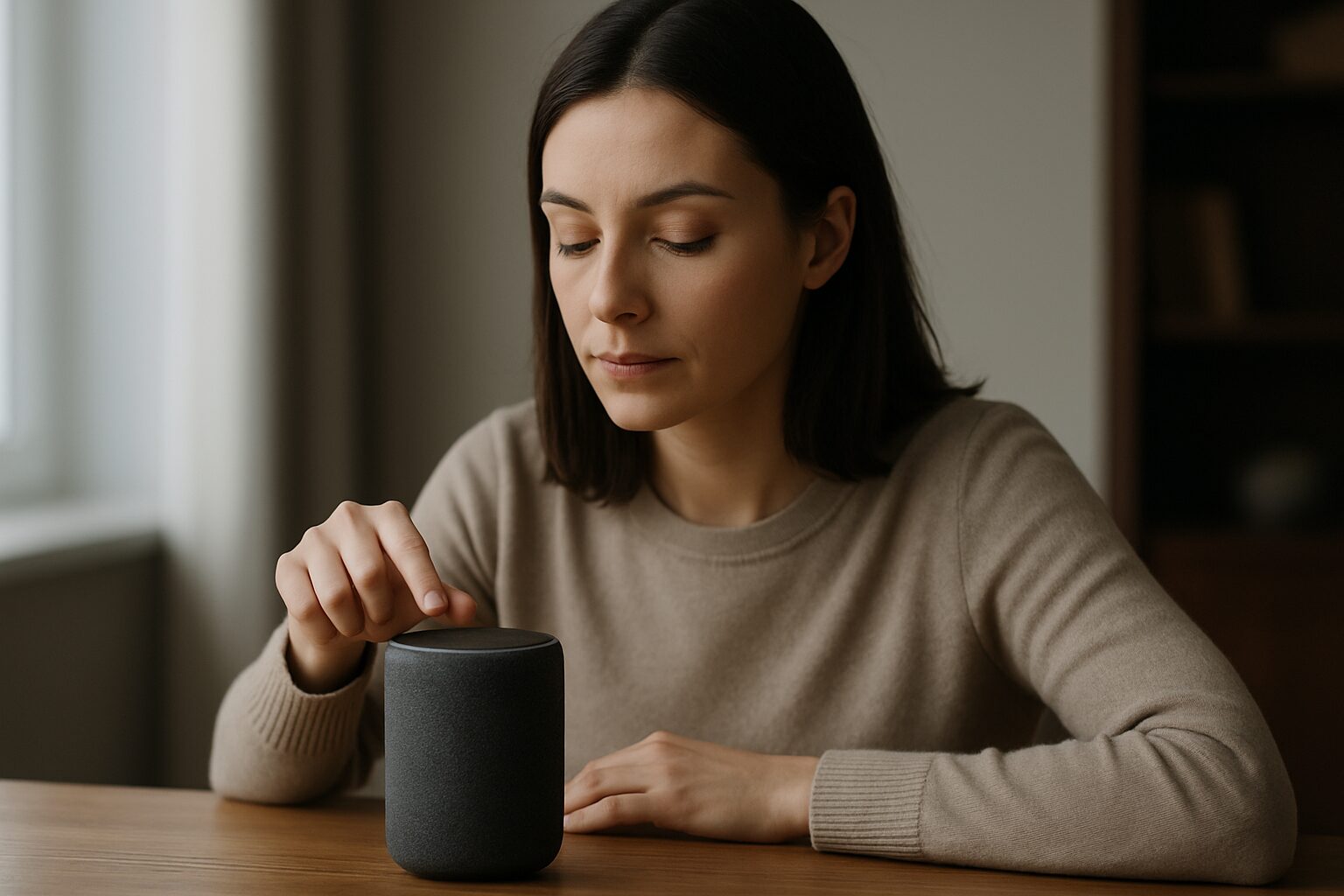
Voice assistants, such as those found in smart speakers and smartphones, are designed to listen for wake words or commands, which raises concerns about always-on listening. This continuous audio monitoring creates potential privacy risks, as users may not always be aware of when or how their data is collected, stored, or shared. The lack of transparency around these practices challenges accountability, making it difficult to assess whether companies adhere to ethical standards for consent and data protection.
Why It Matters - Real-world impact
The issue of always-on listening in voice assistants has profound real-world implications for privacy, autonomy, and accountability. Millions of users—from children to elderly individuals—are affected, as these devices continuously process private conversations, raising risks of accidental recordings, data breaches, or misuse by corporations or malicious actors. Without proper safeguards, sensitive information—such as financial details, health concerns, or domestic disputes—could be exposed or exploited. Regular people should care because this erosion of privacy normalizes surveillance in intimate spaces, potentially chilling free expression in one's own home. Furthermore, the lack of transparency about how data is stored or used leaves users vulnerable with little recourse if something goes wrong. This isn't just a theoretical concern—real incidents have occurred where private conversations were leaked or analyzed without consent.
Ethical Concerns - What’s wrong or risky?
Privacy and Consent in Always-On Voice Assistants
Voice assistants with always-on listening capabilities raise significant ethical concerns, particularly around privacy and consent. These devices continuously process audio data, often without explicit user awareness or agreement for each interaction, creating risks of unauthorized data collection and usage.
Transparency Issues
A core ethical risk is the lack of transparency regarding how data is collected, stored, and used. Users are frequently unaware of the extent of data harvesting or how it might be shared with third parties, undermining informed consent.
Fairness and Discrimination
These systems can perpetuate fairness issues if they are trained on biased datasets, leading to unequal performance across different demographics. For example, voice recognition may work less accurately for certain accents or dialects, effectively discriminating against those groups.
Economic and Labor Concerns
There are also worries about the economic impact of automating tasks traditionally performed by humans, which could contribute to job loss in sectors like customer service. Additionally, the workers who review and label voice data often face poor conditions, raising issues about worker rights.
Differing Perspectives
Not everyone agrees on the severity of these risks. Some argue that the convenience and benefits of voice assistants outweigh privacy concerns, especially if data is anonymized. Others believe that with proper regulation and transparent practices, these technologies can be developed and used ethically without significant harm.
Solutions - What’s being done or proposed?
Opt-In Consent Models
Some companies and advocates have proposed stricter opt-in consent models where users must explicitly grant permission for always-on listening features. This would involve clear, upfront disclosures about what data is collected and how it is used, with users actively enabling the feature rather than it being enabled by default. This approach aims to give users more control over their privacy while still allowing access to voice assistant functionality.
Local Processing and On-Device AI
Technical solutions like local processing and on-device AI have been suggested to reduce privacy risks. Instead of sending voice data to cloud servers for analysis, the processing happens directly on the user's device. This minimizes the exposure of sensitive data to third parties. Companies like Apple have implemented this with features like Siri's on-device processing for certain commands, though challenges remain in balancing performance and privacy.
Transparency and Auditing Requirements
Legal and institutional solutions include mandating transparency reports and third-party audits for companies deploying always-on listening technologies. These measures would require companies to disclose how often data is collected, how long it is stored, and who has access to it. Independent audits could verify compliance, helping to build public trust and hold companies accountable for misuse or breaches.
User-Controlled Data Retention Policies
Another proposed solution is giving users control over data retention policies. This would allow users to set automatic deletion timelines for their voice recordings, such as immediate deletion after processing or storage for a limited period. Some voice assistants already offer this feature, but broader adoption and clearer user interfaces could make it more effective.
Hardware Switches for Microphones
Some privacy advocates and manufacturers have suggested integrating physical hardware switches to disable microphones. This provides a tangible way for users to ensure their devices are not listening when they don't want them to. Products like laptops and smartphones have begun incorporating such switches, though widespread adoption in voice assistant devices is still limited.
Community and Ethical Guidelines
Social solutions include the development of community-driven ethical guidelines for AI and voice assistants. Organizations like the IEEE and AI ethics boards have proposed frameworks to ensure responsible deployment. These guidelines often emphasize user autonomy, minimal data collection, and accountability, encouraging companies to adopt best practices even without legal mandates.
Legislation Limiting Data Use
Governments have explored legislation to restrict how voice data can be used, such as banning its use for targeted advertising or third-party sales. Laws like the GDPR in Europe provide a foundation, but specific regulations for always-on listening could further protect users. Enforcement and global consistency remain challenges, but such laws could set clear boundaries for companies.
Examples and Real Cases
Amazon Echo Records Private Conversation (2018)
In 2018, an Amazon Echo device in Portland, Oregon, recorded a private conversation between a couple and sent it to a random contact in their address book without their knowledge. Amazon confirmed the incident, attributing it to the device misinterpreting background noise as a wake word and subsequent commands.
Google Assistant Accidental Activations (2019)
In 2019, a Belgian news outlet reported that Google Assistant accidentally activated over 1,000 times a day in some households, recording snippets of conversations without user intent. Google acknowledged the issue, stating it occurred due to misinterpretations of background noise or similar-sounding phrases.
Apple Siri Grading Program Controversy (2019)
In 2019, it was revealed that Apple contractors regularly listened to Siri recordings, including sensitive conversations, as part of a quality control program. Apple suspended the program after public outcry and later introduced opt-in features for user consent.
Hypothetical: Voice Assistant Used in Legal Dispute (2023)
In a hypothetical scenario, a voice assistant in a smart home device could inadvertently record a confidential business discussion. If subpoenaed in a legal dispute, the recording might be used as evidence, raising questions about unintended surveillance and consent.
Facebook Portal Voice Data Sharing (2020)
In 2020, it was reported that Facebook's Portal devices shared voice data with third-party contractors for transcription and analysis, despite claims of privacy. Facebook stated the data was anonymized, but critics argued users were unaware of the extent of data sharing.
Frequently Asked Questions
What is always-on listening in voice assistants?
Always-on listening means voice assistants like Alexa or Google Assistant continuously listen for a wake word (e.g., 'Hey Google') to activate. The device processes speech only after detecting the wake word, but privacy concerns arise over accidental recordings or data misuse.
Why is privacy important with voice assistants?
Privacy matters because voice assistants may accidentally record private conversations or store sensitive data. Without proper consent or transparency, this could lead to unauthorized data sharing or breaches, impacting user trust and security.
How do voice assistants handle user consent?
Most voice assistants require initial setup consent for microphone access and data collection. Users can often review or delete recordings in settings, but policies vary by company. Always check permissions and opt-out options if concerned.
Can voice assistants record conversations without my knowledge?
While designed to activate only after the wake word, glitches or misinterpretations can lead to unintended recordings. Regularly reviewing your activity logs and adjusting sensitivity settings can help minimize risks.
What should beginners know about voice assistant accountability?
Companies producing voice assistants are responsible for transparent data practices, but users should stay informed. Learn how to manage privacy settings, delete recordings, and understand terms of service to maintain control over your data.