The Hidden Ears of Tech: How Smart Devices Listen Around the Clock
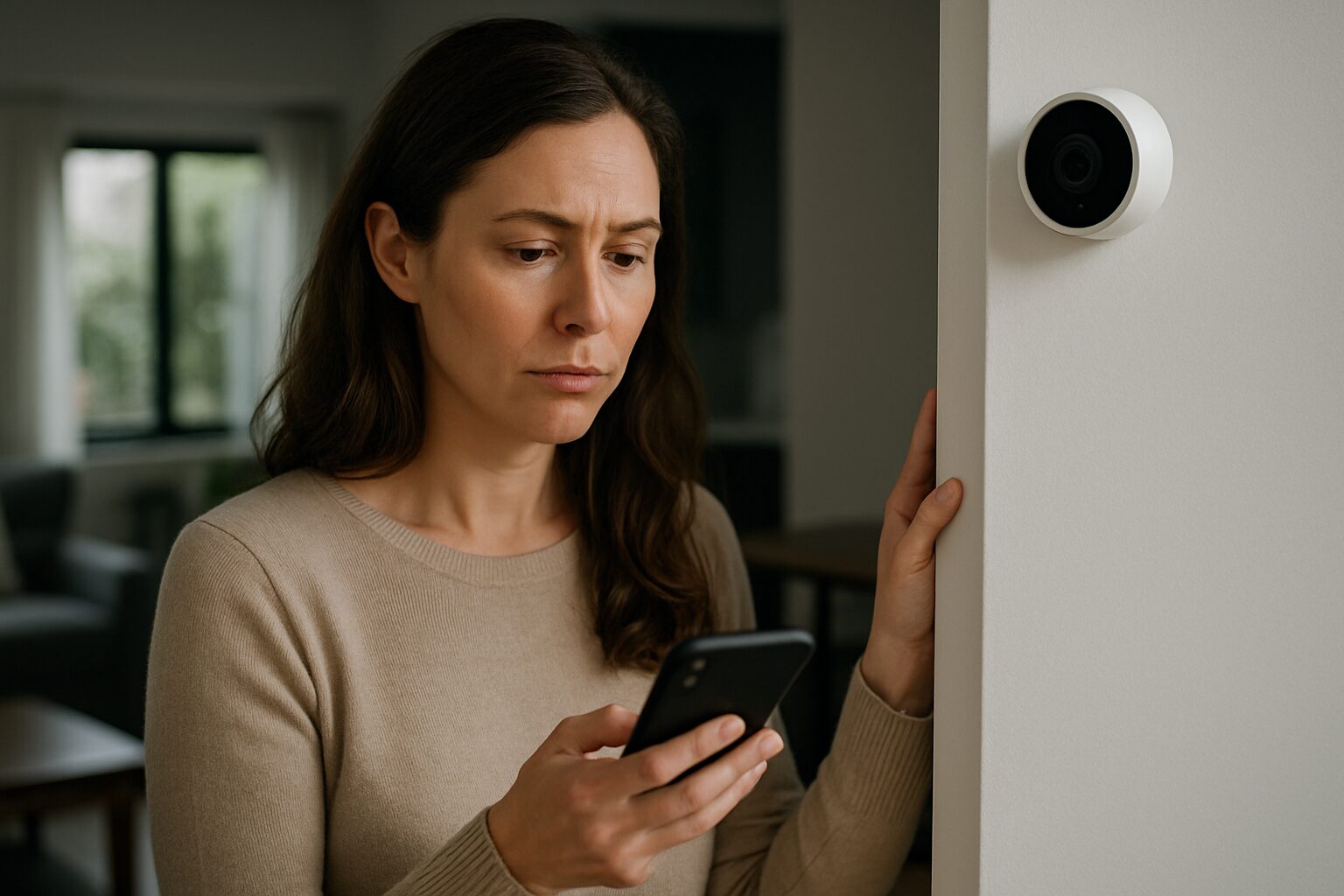
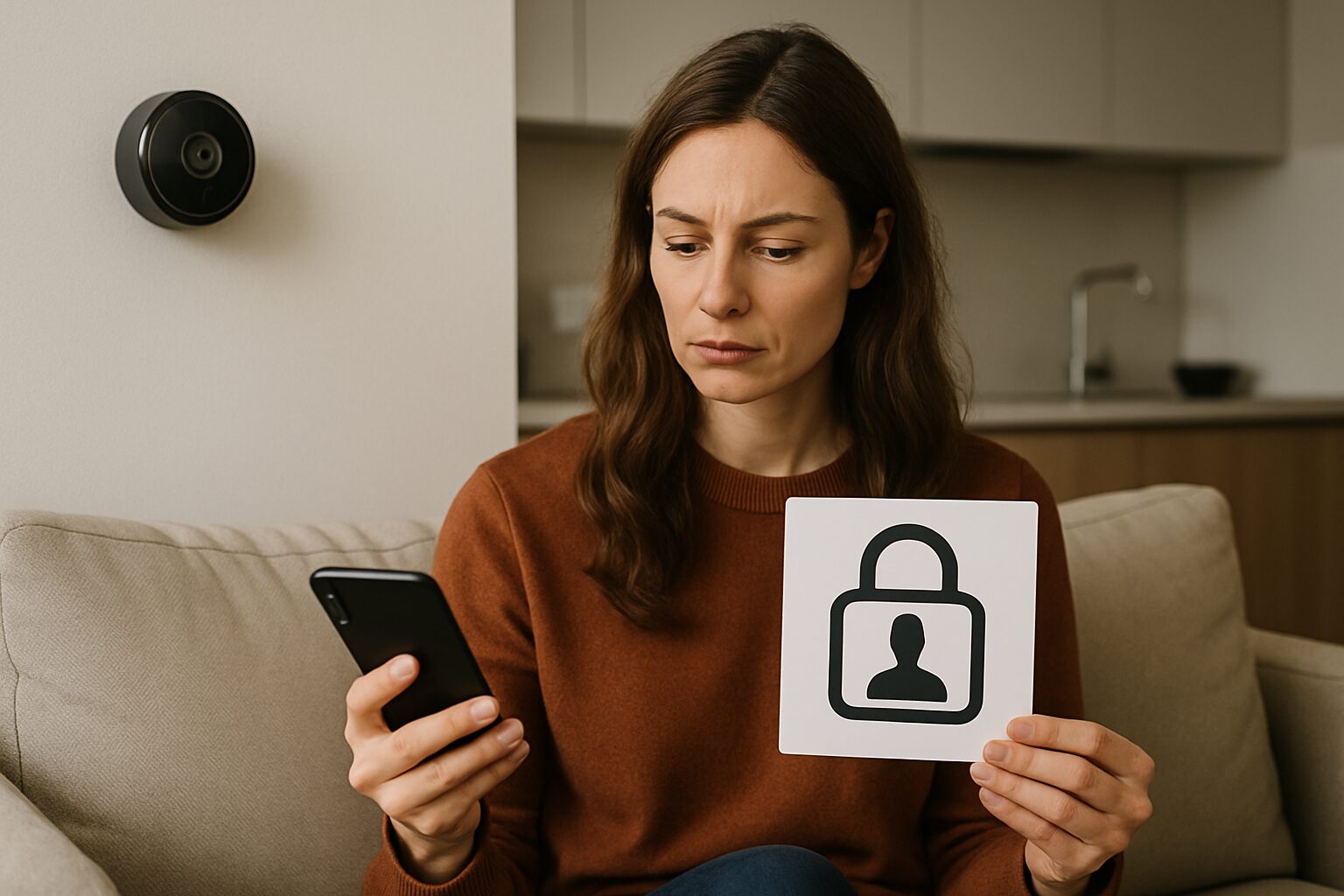
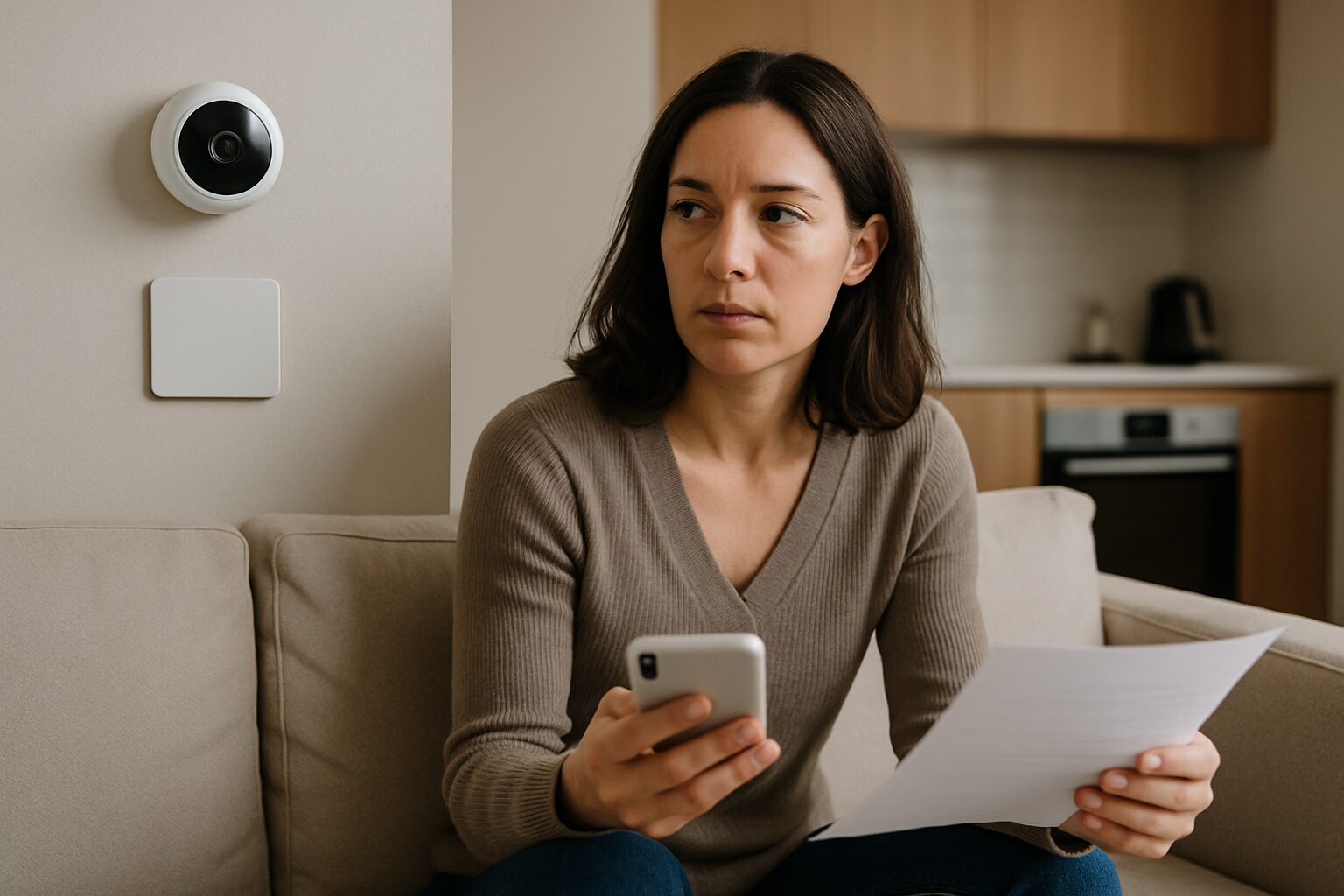
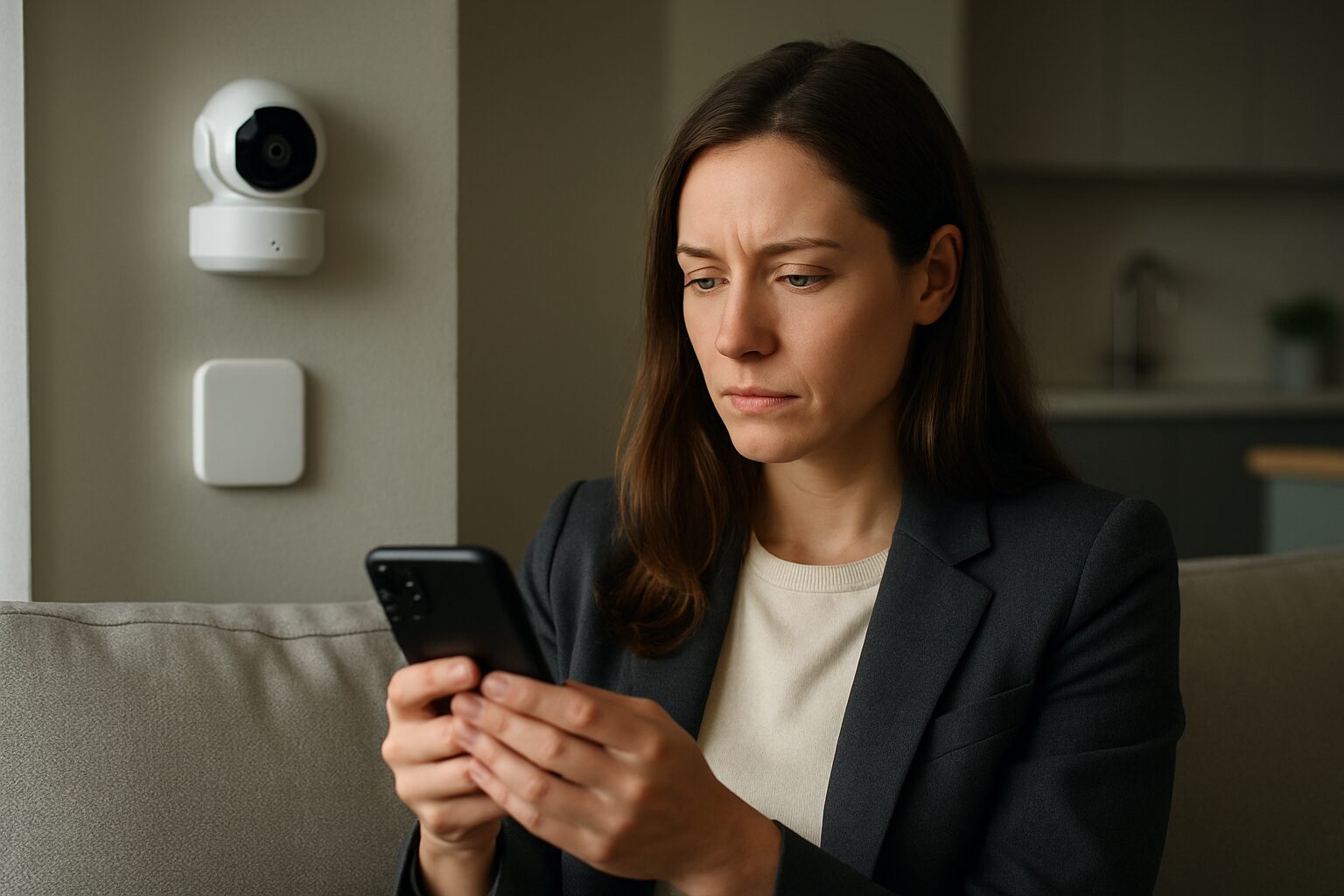
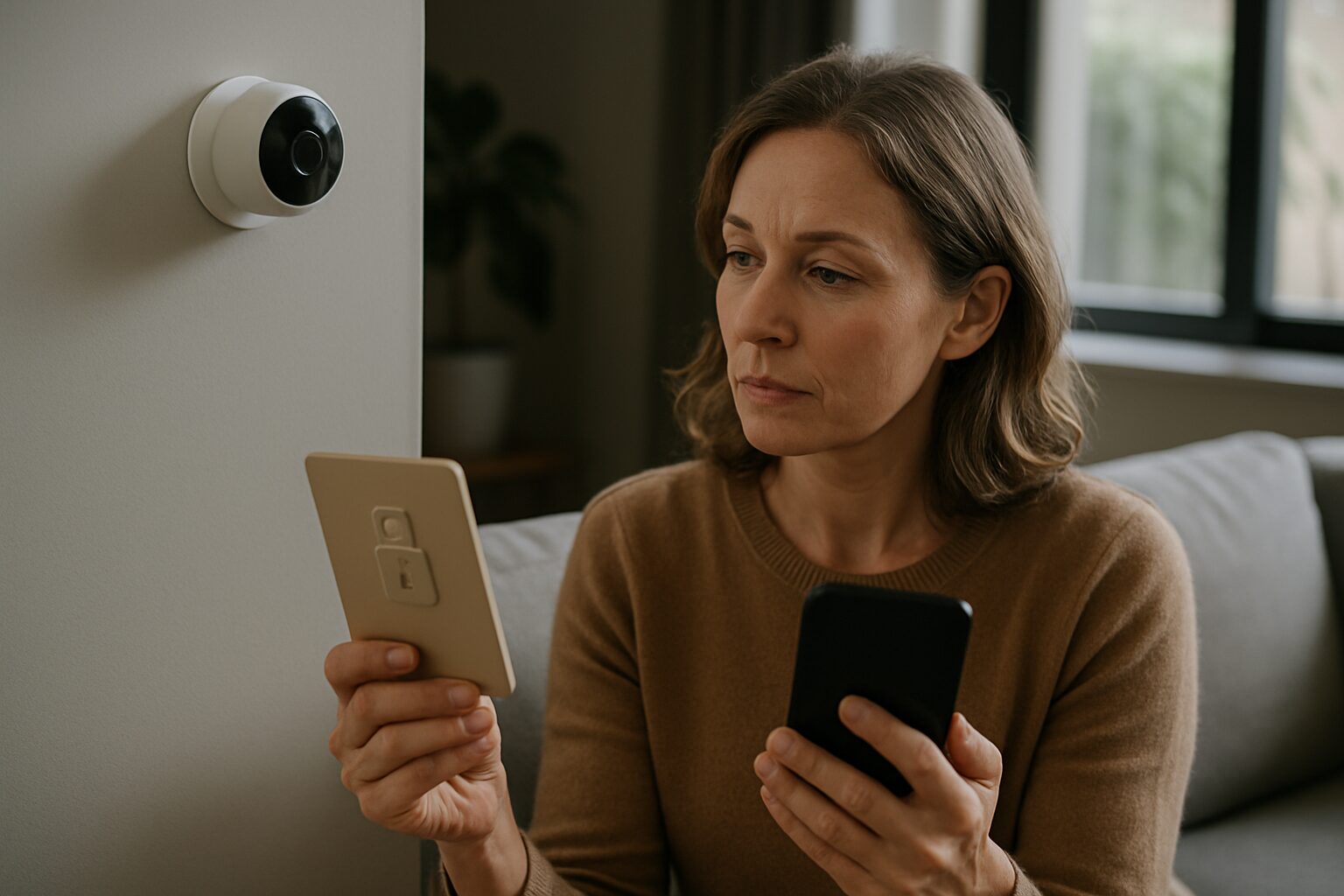
Voice assistants, such as those found in smartphones and smart speakers, are designed to respond to wake words or phrases. This requires them to continuously listen to ambient sounds, raising concerns about privacy and consent. Users may not always be aware of when or how their audio data is recorded, stored, or processed. The always-on nature of these devices creates ethical questions about the boundaries between convenience and surveillance.
Why It Matters - Real-world impact
Always-on voice assistants raise significant ethical concerns around privacy and consent, impacting virtually anyone who uses smart devices in their homes, workplaces, or public spaces. These devices continuously listen for activation commands, creating risks of unintended recordings, data breaches, or misuse of sensitive conversations. Vulnerable groups, such as children or domestic abuse survivors, may face heightened risks if their private interactions are captured without their knowledge. Even ordinary users risk having their habits, preferences, or confidential discussions harvested and monetized by corporations or exploited by malicious actors. The normalization of passive surveillance erodes trust in technology and sets a concerning precedent for data collection without explicit consent. Without proper safeguards, these tools threaten fundamental rights to privacy in what should be our most intimate spaces.
Ethical Concerns - What’s wrong or risky?
Privacy and Consent in Always-On Listening
Voice assistants with always-on listening capabilities raise significant ethical concerns, particularly around privacy and consent. These devices continuously process audio, waiting for a wake word, which inherently means they are capturing ambient sounds—and potentially private conversations—even when not actively in use.
Transparency Issues
A core ethical risk is the lack of transparency regarding what data is collected, how it is stored, and who has access. Users often aren't fully informed about the extent of data harvesting or how their voice data might be used for purposes beyond simple command execution, such as training algorithms or targeted advertising.
Discrimination and Fairness
Voice recognition systems can exhibit biases, leading to discrimination against certain accents, dialects, or speech patterns. This can result in unequal access to technology and services, undermining fairness. For example, users with non-standard accents may find their commands misunderstood or ignored, perpetuating existing social inequities.
Economic and Labor Implications
There are also concerns about the economic impact of voice assistants, as they may contribute to shifts in consumer behavior and market dynamics. Additionally, the data processing often relies on human reviewers, raising issues about worker rights, including fair wages and working conditions for those tasked with analyzing sensitive audio snippets.
Differing Perspectives
Not everyone views these risks uniformly. Some argue that the convenience and functionality of voice assistants justify the data collection, trusting companies to implement robust safeguards. Others believe that the potential for misuse—such as unauthorized surveillance or data breaches—outweighs the benefits, calling for stricter regulations and user controls.
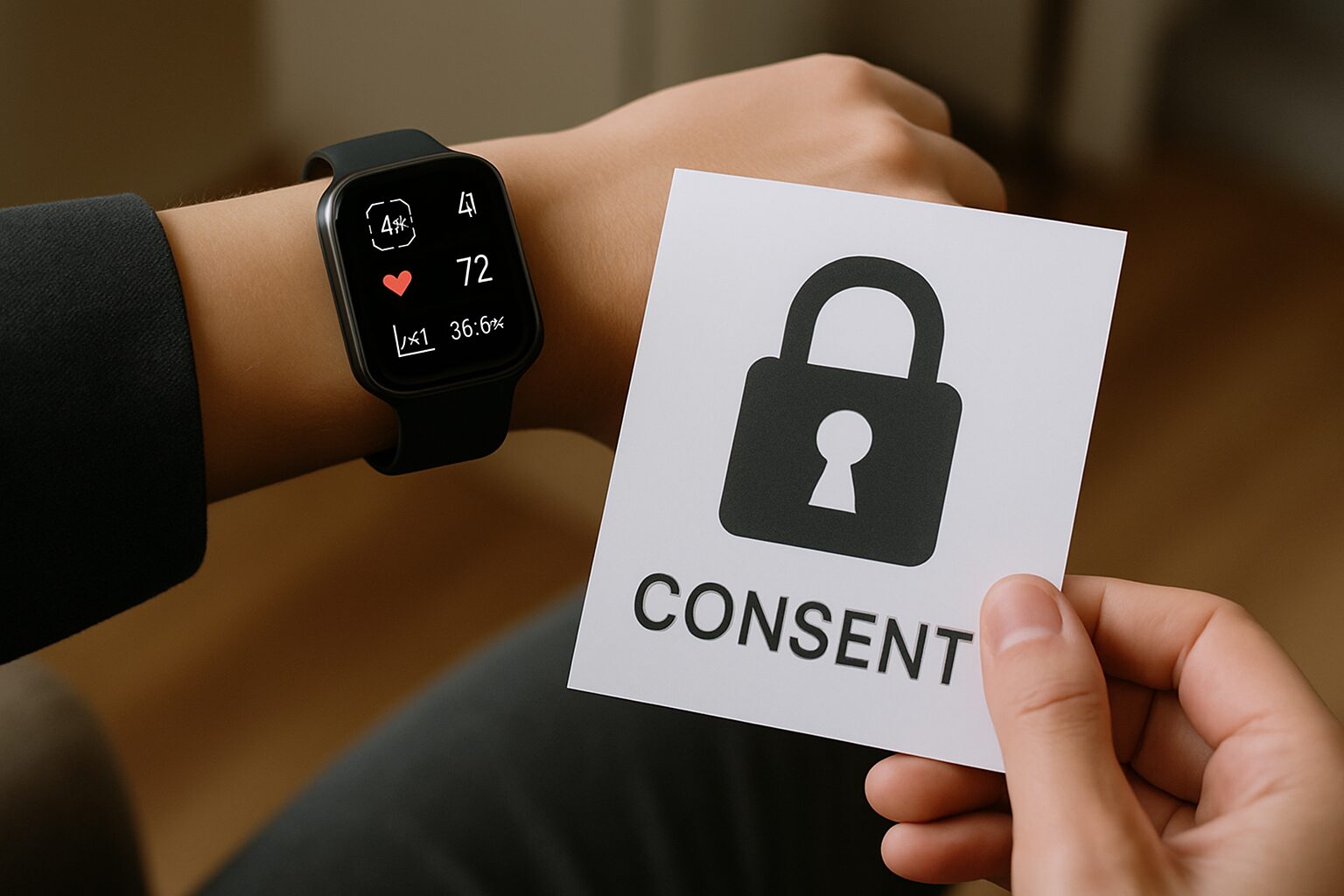
Ethical dilemmas also arise around consent, especially in households with multiple occupants or visitors who may not have agreed to being recorded. The always-on nature challenges traditional notions of informed consent, as continuous opt-in is impractical yet necessary for meaningful privacy protection.
Solutions - What’s being done or proposed?
Opt-In Consent Models
Some advocates have proposed stricter opt-in consent models where voice assistants must obtain explicit permission from users before activating always-on listening features. This would involve clear, upfront disclosures about what data is collected and how it is used, ensuring users are fully informed before agreeing. Legal frameworks like GDPR in Europe have started to push companies toward more transparent consent mechanisms, though enforcement remains inconsistent.
Local Processing and Edge Computing
Technical solutions such as local processing and edge computing aim to reduce privacy risks by processing voice data directly on the device rather than sending it to cloud servers. This minimizes the exposure of sensitive data to third parties. Companies like Apple have implemented on-device processing for Siri in some cases, though challenges remain in balancing functionality with privacy, especially for complex queries requiring cloud-based resources.
Voice Activity Detection (VAD) Improvements
Enhancing Voice Activity Detection (VAD) technology can help voice assistants distinguish between intentional commands and background noise more accurately. By reducing false triggers, this minimizes unnecessary data collection. Researchers are exploring machine learning techniques to improve VAD, but achieving high accuracy without compromising responsiveness remains a technical hurdle.
Regular Audits and Transparency Reports
Institutional approaches include calls for independent audits and transparency reports from companies developing voice assistants. These reports would detail how often data is collected, stored, and shared, as well as any breaches or misuse. While some companies voluntarily publish transparency reports, mandatory audits backed by regulatory bodies could provide stronger accountability.
User-Controlled Data Retention Policies
Allowing users to set custom data retention policiesu2014such as automatic deletion after a set periodu2014gives individuals more control over their information. Some voice assistants already offer options to review and delete recordings, but broader adoption of user-friendly retention settings could empower users further. Legal mandates, like California's CCPA, have begun to push for such features.
Physical Hardware Switches
A low-tech but effective solution is the integration of physical hardware switches that disable microphones when not in use. Some devices, like certain laptops and smart speakers, already include these switches. While this doesn't address all privacy concerns, it provides a straightforward way for users to prevent unintended listening without relying on software controls.
Community and Industry Standards
Collaborative efforts between industry leaders, academics, and advocacy groups aim to establish ethical guidelines for always-on listening. Standards like the IEEE's P7000 series focus on transparency and accountability in AI systems. Widespread adoption of such standards could create a baseline for responsible development, though voluntary compliance remains a limitation.
Legislative Bans on Certain Practices
Some jurisdictions have explored outright bans on specific always-on listening practices, such as covert data collection or recording without explicit consent. For example, Illinois' Biometric Information Privacy Act (BIPA) imposes strict rules on voiceprint collection. While effective in theory, enforcement and global consistency are major challenges, as companies often operate across multiple legal jurisdictions.
Examples and Real Cases
Amazon Alexa Records Private Conversation (2018)
In 2018, an Amazon Alexa device in Portland, Oregon, recorded a private conversation between a couple and sent it to a random contact in their address book without their knowledge. Amazon confirmed the incident, attributing it to the device misinterpreting background conversation as a series of commands.
Google Assistant Accidental Activations (2019)
In 2019, a Belgian news outlet reported that Google Assistant accidentally activated over 1,000 times a day in some homes, recording snippets of conversations without user intent. Google acknowledged the issue, stating the device sometimes misinterpreted sounds as the 'Hey Google' wake phrase.
Apple Siri Grading Program Controversy (2019)
In 2019, a whistleblower revealed that Apple contractors regularly heard private recordings from Siri, including medical details, drug deals, and intimate moments. Apple suspended the program after public outcry and later introduced opt-in controls for voice recording analysis.
Hypothetical: Smart Speaker in Rental Property
A hypothetical scenario involves a vacation rental with an always-on smart speaker. Unbeknownst to guests, the device continues recording conversations, potentially capturing sensitive personal or financial discussions. The recordings could later be accessed by the property owner or compromised in a data breach.
Facebook Portal Voice Data Sharing (2018)
At launch in 2018, Facebook's Portal smart display was found to share voice interaction data with Facebook for ad targeting, despite claims of privacy focus. The company later clarified data handling policies after criticism about unclear consent mechanisms for voice data collection.
Frequently Asked Questions
What is always-on listening in voice assistants?
Always-on listening means that voice assistants like Alexa, Google Assistant, or Siri are constantly listening for a wake word (like 'Hey Google' or 'Alexa') to activate. The device processes audio locally until it detects the wake word, after which it may send data to the cloud.
Is always-on listening a privacy risk?
It can be a concern if not managed properly. While companies claim devices only record after the wake word, accidental activations or vulnerabilities could lead to unintended data collection. Reviewing privacy settings and muting the microphone when not in use can help reduce risks.
How do I know if my voice assistant is listening?
Most devices have a visual indicator (like a light) that turns on when actively listening or processing a request. If the light is off, the device is only listening for the wake word and not recording full conversations.
Can I turn off always-on listening?
Yes, you can usually disable the microphone or opt out of voice activation in your device's settings. However, this may limit functionality, as the assistant won't respond to voice commands until manually reactivated.
Why do voice assistants need to listen all the time?
Always-on listening allows instant response to voice commands without pressing buttons. The trade-off is convenience vs. potential privacy concernsu2014users must decide if the benefits outweigh the risks for their needs.