Smart Speaker Safety: How to Protect Your Privacy with Always-On Tech
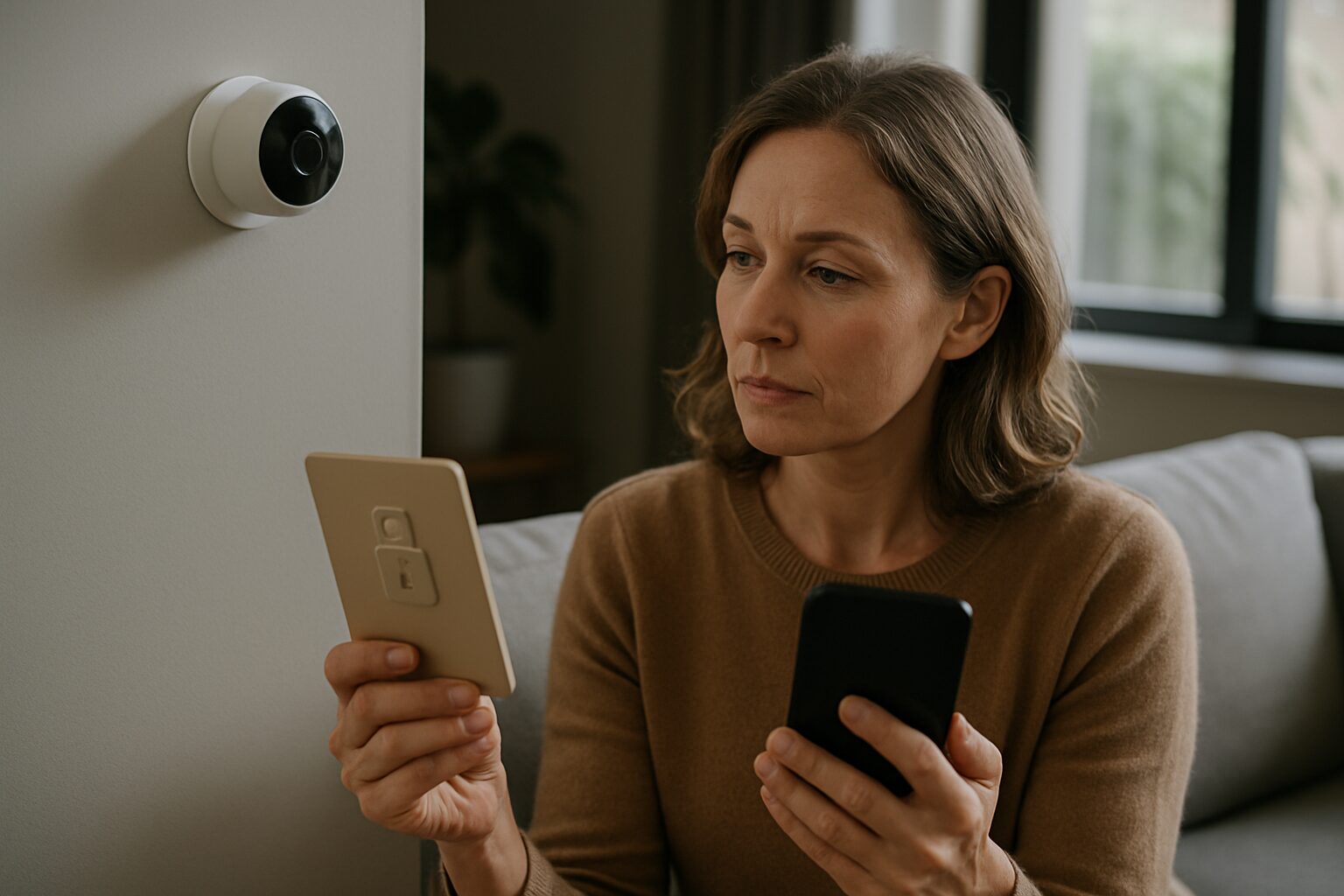
Voice assistants, such as those found in smart speakers and smartphones, often rely on always-on listening to detect wake words and respond to user commands. This continuous audio monitoring raises privacy concerns, as it can inadvertently capture sensitive conversations or background noise without explicit consent. The challenge lies in balancing functionality with ethical data collection practices to ensure user trust and compliance with privacy regulations.
Why It Matters - Real-world impact
Always-on voice assistants raise critical privacy concerns because they continuously listen for activation cues, potentially capturing sensitive conversations, financial details, or personal data without explicit consent. This affects not only device owners but also guests, children, and vulnerable individuals who may unknowingly be recorded. Misinterpreted audio or accidental recordings could lead to data breaches, identity theft, or even legal repercussions if private discussions are stored or shared. Regular users should care because these devices create permanent records of intimate moments—arguments, health discussions, or confidential work calls—that could be exploited by hackers, corporations, or malicious actors. The normalization of passive surveillance also erodes societal expectations of privacy, making it harder to opt out as the technology becomes ubiquitous.
Ethical Concerns - What’s wrong or risky?
Privacy and Consent in Always-On Listening
Voice assistants with always-on listening capabilities raise significant ethical questions around user privacy and consent. The continuous monitoring of ambient audio, even when not actively engaged, creates a scenario where personal conversations and sensitive information may be inadvertently captured and processed without explicit user awareness or agreement.
Transparency Concerns
A core issue is the lack of transparency regarding how data is collected, stored, and used. Users often remain unaware of the extent of data harvesting or how their information might be leveraged by companies or third parties, undermining informed consent.
Potential for Discrimination
Voice recognition systems can exhibit biases based on accents, dialects, or speech patterns, leading to unequal service quality or access. This raises discrimination concerns, as marginalized groups may face barriers or inaccurate responses due to algorithmic shortcomings.
Fairness in Data Usage
Questions of fairness arise when considering how voice data might be used to profile users for targeted advertising or other purposes without equitable benefits or considerations for the individuals providing the data.
Economic and Labor Implications
The data processing behind voice assistants often relies on low-wage labor for annotation and review, sparking debates around worker rights and the economic impact of such practices on vulnerable employment sectors.
Differing Perspectives
Some argue that always-on listening is necessary for seamless functionality and innovation, prioritizing convenience and technological advancement. Others emphasize that without stringent safeguards, these practices risk normalizing surveillance and eroding personal autonomy.
Additional Ethical Risks
Beyond the linked concerns, issues such as data security, unintended eavesdropping, and the potential for misuse by malicious actors further complicate the ethical landscape, highlighting the need for robust regulatory frameworks and ethical design principles.
Solutions - What’s being done or proposed?
Hardware Mute Switches
Some manufacturers have introduced physical mute switches that disconnect the microphone circuitry entirely when activated. This provides a clear, user-controlled way to ensure the device is not listening. While effective, it requires users to remember to toggle the switch when privacy is desired.
Local Processing of Voice Commands
To address privacy concerns, some companies have developed voice assistants that process commands locally on the device rather than sending data to the cloud. This reduces the risk of sensitive conversations being recorded and stored externally, though it may limit functionality due to hardware constraints.
Transparent Data Collection Policies
Advocates have pushed for clearer, more accessible explanations of how voice data is collected, stored, and used. Some companies now provide detailed privacy dashboards where users can review and delete recordings. However, these policies often require users to proactively seek out and understand complex information.
Opt-In Consent Models
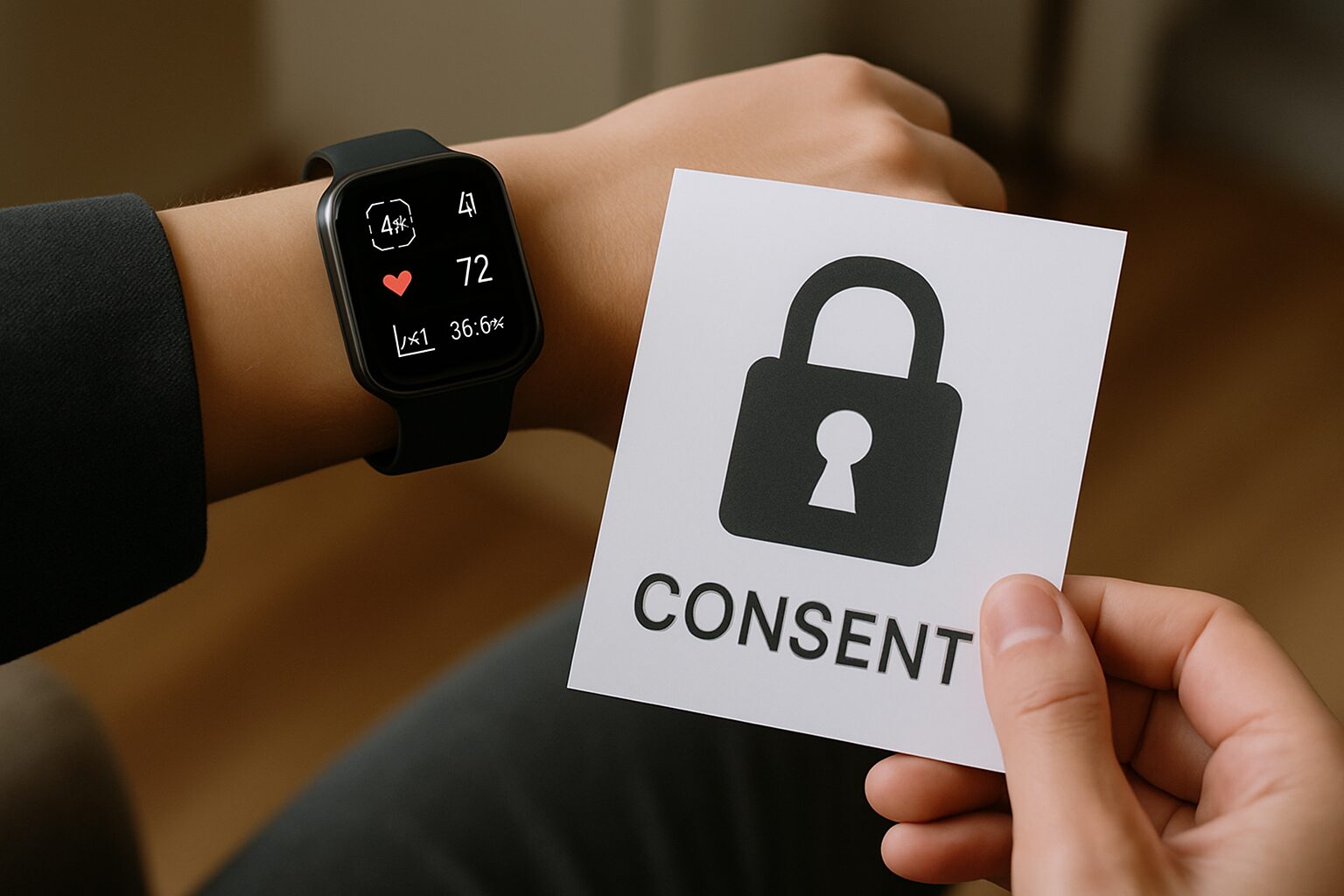
Instead of defaulting to always-on listening, some suggest requiring explicit user consent before activation. This could involve initial setup prompts or periodic reminders about data collection practices. While this empowers users, it may also lead to frustration if the process is overly intrusive or repetitive.
Regulatory Frameworks
Governments have begun implementing laws like GDPR and CCPA that give users more control over their data. These regulations mandate transparency and require companies to obtain consent, though enforcement and global consistency remain challenges. Future laws could specifically address always-on listening technologies.
User Education Campaigns
Nonprofits and tech companies have launched initiatives to educate users about privacy risks and settings. These campaigns aim to help people make informed decisions about device placement, mute functions, and data sharing. Effectiveness depends on reaching a wide audience with clear, actionable information.
Decentralized Voice Assistants
Open-source alternatives to mainstream voice assistants are being developed, allowing users to host their own systems. These prioritize privacy by keeping data within the user's control, but they often lack the polish and features of commercial products, limiting mainstream appeal.
Audio Indicator Lights
Some devices now include visual cues (like LED lights) that activate when the microphone is engaged. This provides immediate feedback about listening status, though concerns remain about lights being subtle or easy to overlook during normal use.
Examples and Real Cases
Amazon Alexa Recording Private Conversations
In 2019, Amazon admitted that Alexa devices had recorded private conversations without user consent. These recordings were then sent to random contacts in the user's address book, raising serious privacy concerns. The incident highlighted the risks of always-on listening devices.
Google Assistant's Unintended Activations
In 2020, a Belgian news report revealed that Google Assistant had recorded over 1,000 private conversations in just three months due to unintended activations. Many of these recordings included sensitive information, demonstrating the potential for misuse of always-on voice assistants.
Apple Siri Grading Program Controversy
In 2019, Apple faced backlash when it was revealed that Siri recordings were being reviewed by contractors as part of a 'grading program' to improve accuracy. Users were unaware their private interactions, including intimate moments, were being listened to by third parties.
Hypothetical: Voice Assistant Used for Corporate Espionage
In a hypothetical scenario, a company's always-on voice assistant could be hacked to record confidential boardroom discussions. Competitors could exploit this vulnerability to gain insider information, leading to significant ethical and legal ramifications.
Facebook Portal's Data Collection Concerns
In 2018, privacy advocates raised alarms about Facebook's Portal device, which combined voice assistant capabilities with video calling. Critics worried that Facebook could use the always-on microphone to collect data for targeted advertising, despite the company's denials.
Frequently Asked Questions
What does 'always-on listening' mean for voice assistants?
Always-on listening means that voice assistants like Alexa, Google Assistant, or Siri are constantly listening for their 'wake word' (e.g., 'Hey Google') to activate. The microphone is always on, but it only starts recording and processing after hearing the trigger phrase.
Is it safe to have a voice assistant always listening in my home?
Most voice assistants only record and send data to the cloud after hearing the wake word, and companies claim they prioritize user privacy. However, accidental activations can happen, so reviewing your privacy settings and deleting recordings periodically is a good practice.
How can I improve privacy with voice assistants?
You can improve privacy by: 1) muting the microphone when not in use, 2) regularly deleting your voice history, 3) disabling unnecessary features, and 4) reviewing permissions in the device's app settings. Always check the privacy policy of your voice assistant.
Can voice assistants record conversations without me knowing?
Voice assistants are designed to only record after hearing the wake word, but accidental activations can lead to unintended recordings. Most devices allow you to review and delete these recordings in the companion app to maintain control over your data.
Why is consent important when using voice assistants?
Consent is important because voice assistants process personal data, and users should understand what information is collected and how it's used. Always review terms of service, adjust settings to your comfort level, and ensure all household members are aware of the device's capabilities.