Your Digital Identity: Navigating the New Frontier of Personal Security
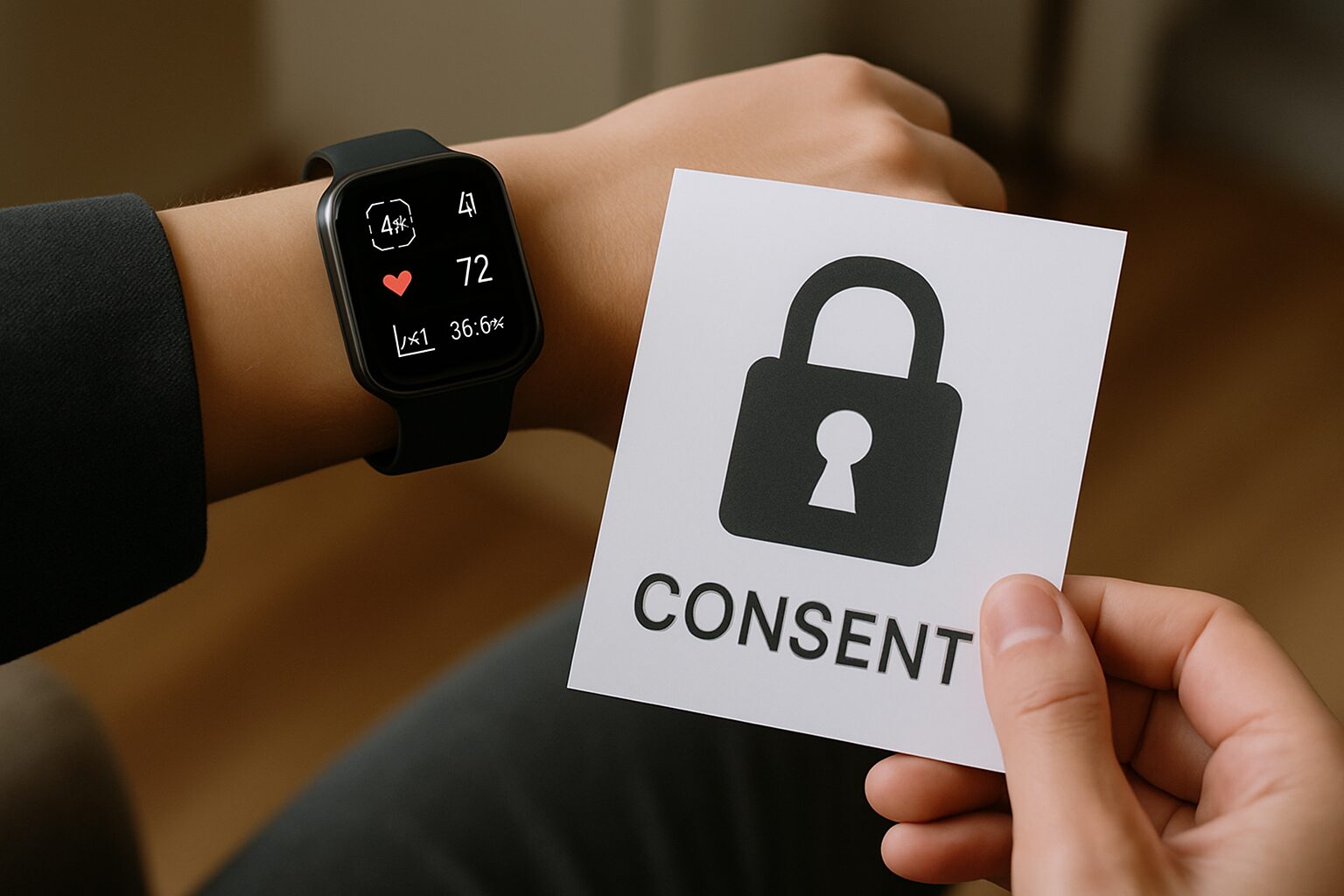
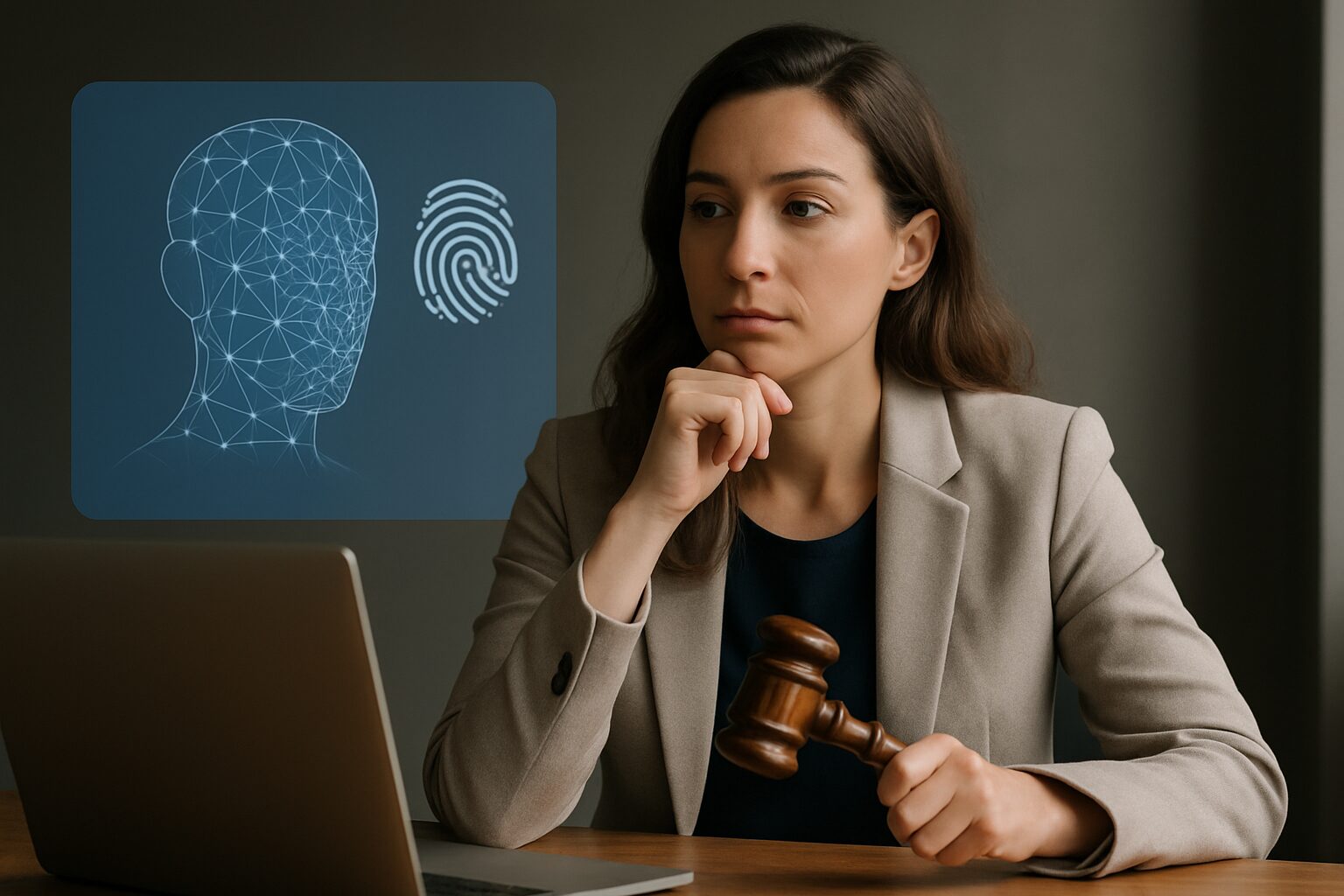
AI systems increasingly rely on biometric data—such as fingerprints, facial scans, or voice patterns—to authenticate identities and personalize services. This raises concerns about how such sensitive information is collected, stored, and shared, particularly without explicit user consent. The ethical challenge lies in balancing technological innovation with the protection of individual privacy rights in real-world applications.
Why It Matters - Real-world impact
The ethical use of AI in handling biometric data—such as facial recognition, fingerprints, or voice patterns—has profound real-world implications for individuals and society. From employees subjected to workplace surveillance to marginalized communities disproportionately targeted by biased algorithms, the misuse of biometric data can lead to privacy violations, discrimination, and even wrongful arrests. If collected or stored irresponsibly, this sensitive information could be exploited by malicious actors, enabling identity theft or unauthorized tracking. Everyday people should care because once biometric data is compromised, it cannot be replaced like a password—it is inherently tied to their identity. Without robust safeguards, the erosion of privacy and autonomy becomes inevitable, undermining trust in both technology and institutions.
Ethical Concerns - What’s wrong or risky?
AI and Biometric Data Privacy: Navigating Ethical Risks
As artificial intelligence integrates with biometric technologies, ethical concerns around privacy and consent intensify. Biometric data—such as fingerprints, facial recognition, and voice patterns—is uniquely personal and permanent, raising profound moral questions when collected, stored, or analyzed by AI systems.
Discrimination and Fairness
AI systems trained on biased biometric data can perpetuate and even amplify discrimination. For instance, facial recognition has shown higher error rates for people of color and women, leading to unjust outcomes in law enforcement or hiring. This ties directly to issues of fairness, as not all individuals are treated equitably by these systems. Similarly, concerns about discrimination arise when biometric AI reinforces societal prejudices, affecting access to services, opportunities, or even freedom.
Transparency and Accountability
Many AI-driven biometric systems operate as "black boxes," where decisions are made without clear explanation. This lack of transparency makes it difficult for individuals to understand why they were denied a loan, flagged at an airport, or subjected to surveillance. Without accountability, trust erodes, and people cannot challenge erroneous or unfair outcomes.
Economic and Employment Implications
The deployment of biometric AI in workplaces—for monitoring productivity or access control—can infringe on worker rights, creating environments of constant surveillance that may dehumanize employees. Additionally, automation via biometric systems could contribute to job loss in sectors like security or customer service, while the economic impact includes widening inequalities if benefits are concentrated among tech elites.
Diverse Perspectives
Not everyone views these risks uniformly. Some argue that biometric AI enhances security and efficiency, justifying its use for public safety or streamlined services. Others prioritize privacy and autonomy, warning of a slippery slope toward mass surveillance. Balancing innovation with ethical safeguards remains a contentious and evolving debate.
Solutions - What’s being done or proposed?
Stronger Legal Frameworks and Regulations
Governments and regulatory bodies have proposed stricter laws to govern the collection and use of biometric data by AI systems. Examples include the EU's General Data Protection Regulation (GDPR), which imposes heavy penalties for misuse of personal data, and biometric-specific laws like Illinois' Biometric Information Privacy Act (BIPA). These frameworks aim to enforce transparency, require explicit consent, and limit data retention periods.
Decentralized Data Storage
Technical solutions such as decentralized storage systems (e.g., blockchain-based approaches) have been suggested to give individuals more control over their biometric data. Instead of storing data in centralized servers prone to breaches, decentralized systems allow users to manage access permissions and ensure data is only used for intended purposes without unnecessary exposure.
Privacy-Preserving AI Techniques
Researchers have developed AI methods like federated learning and differential privacy to minimize risks. Federated learning allows AI models to train on decentralized data without raw data leaving users' devices, while differential privacy adds noise to datasets to prevent identification of individuals. These techniques aim to balance utility with privacy protection.
Public Awareness and Education Campaigns
Nonprofits and advocacy groups have launched initiatives to educate people about biometric data risks and rights. Campaigns teach individuals how to opt out of unnecessary data collection, understand privacy policies, and demand accountability from organizations. Increased awareness empowers users to make informed choices and pressures companies to adopt ethical practices.
Ethical Review Boards for AI Deployment
Some institutions have established internal or independent review boards to assess the ethical implications of AI systems using biometric data. These boards evaluate fairness, bias, and privacy risks before deployment, similar to processes in medical research. While not yet widespread, they encourage responsible innovation and stakeholder accountability.
Biometric Data Anonymization
Organizations have experimented with anonymizing biometric data by stripping identifiable markers or using synthetic datasets. However, challenges remain as even anonymized data can sometimes be re-identified. Advances in encryption and tokenization offer more robust ways to protect identities while still enabling useful AI analysis.
Examples and Real Cases
Clearview AI's Facial Recognition Controversy
In January 2020, Clearview AI faced backlash after it was revealed the company scraped billions of photos from social media platforms without consent to build its facial recognition database. Multiple lawsuits followed, including a 2021 Illinois case alleging violations of the state's Biometric Information Privacy Act.
Amazon Rekognition Misidentification
In 2018, the ACLU tested Amazon's Rekognition system and found it incorrectly matched 28 members of Congress with criminal mugshots, disproportionately affecting people of color. This raised concerns about racial bias in law enforcement use of the technology.
Chinese Social Credit System
China's nationwide social credit system, fully implemented by 2020, uses facial recognition and other biometric data to monitor citizens' behavior. Those with low scores face restrictions like banned flights and limited school admissions for their children.
Hypothetical: Workplace Emotion Tracking
A fictional company called EmoMetrics proposes AI systems that analyze employee facial expressions and vocal patterns to measure engagement during meetings. Privacy advocates warn this could lead to pressure to perform certain emotions for career advancement.
Russian Facial Recognition Protests
In February 2021, Moscow activists protested after police used city-wide facial recognition to identify and detain protest attendees. The system cross-referenced surveillance footage with social media profiles and government databases.
Delta's Biometric Terminal (Hypothetical Expansion)
While Delta's 2018 biometric terminal in Atlanta used opt-in facial recognition, a hypothetical expansion could see airports automatically enrolling passengers through government ID databases without explicit consent for each use.
Frequently Asked Questions
What is biometric data in AI?
Biometric data in AI refers to unique physical or behavioral characteristics like fingerprints, facial recognition, or voice patterns that AI systems use to identify individuals. It's often collected for security, authentication, or personalization purposes.
Why is biometric data privacy important?
Biometric data privacy is crucial because unlike passwords, biometric traits (like your face or fingerprints) can't be changed if compromised. Poor protection can lead to identity theft, surveillance risks, or misuse of personal information without consent.
How is AI used with biometric data today?
Today, AI analyzes biometric data for applications like phone unlocking (Face ID), airport security (facial recognition), banking authentication, or workplace attendance tracking. These systems often process sensitive data, raising privacy concerns.
Do companies need my consent to use my biometric data?
In many regions, yes. Laws like GDPR (EU) or BIPA (Illinois, USA) require explicit consent before collecting biometric data. However, rules vary globally, and some systems may use loopholes (e.g., public spaces), making awareness essential.
What can I do to protect my biometric privacy?
You can: 1) Opt out of biometric systems where possible, 2) Read privacy policies before consenting, 3) Use alternatives (e.g., PINs instead of face scans), and 4) Support stronger privacy laws regulating AI biometric use.