The Hidden Risks of Your Digital Identity: How Tech Puts Privacy at Stake
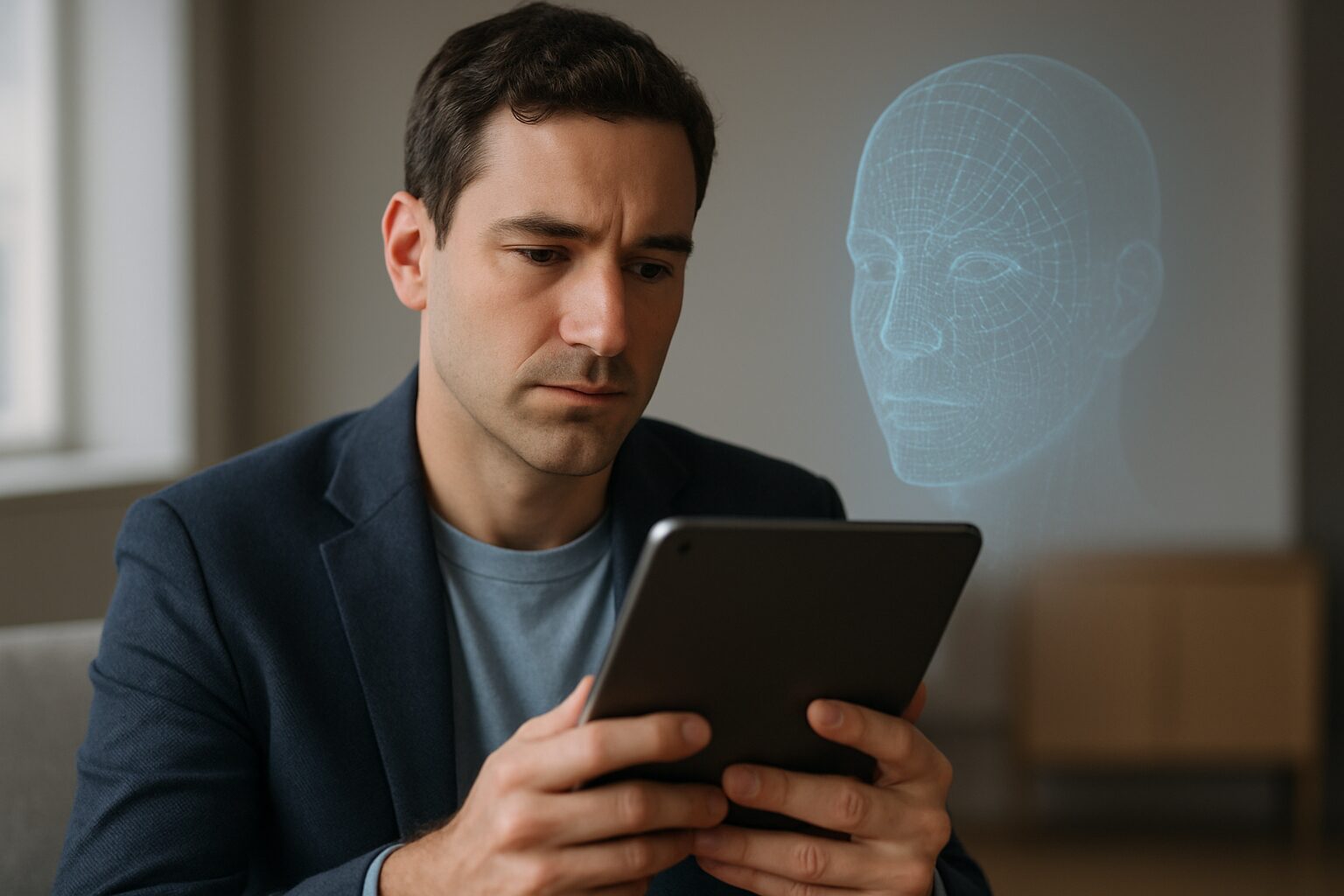
AI systems increasingly rely on biometric data, such as facial recognition, fingerprints, or voice patterns, to identify and authenticate individuals. This raises concerns about how such sensitive information is collected, stored, and used, particularly without explicit consent or transparency. The integration of AI with biometrics introduces risks of unauthorized access, misuse, and potential erosion of personal privacy.
Why It Matters - Real-world impact
The ethical use of AI in processing biometric data—such as facial recognition, fingerprints, or voice patterns—has profound real-world implications for individuals and society. Governments, corporations, and malicious actors can exploit this sensitive information, leading to mass surveillance, identity theft, or discriminatory profiling. Everyday people are affected, as biometric data is increasingly collected in workplaces, airports, and even through smartphone apps, often without full transparency. If mishandled, this data can erode personal privacy, enable unauthorized tracking, and perpetuate biases embedded in AI systems. Regular individuals should care because once biometric data is compromised, it cannot be reset like a password—violations are permanent and far-reaching. The stakes are high, demanding robust safeguards to protect fundamental rights in an increasingly digitized world.
Ethical Concerns - What’s wrong or risky?
AI and Biometric Data Privacy: Navigating Ethical Risks
As artificial intelligence integrates deeper into systems handling biometric data—such as facial recognition, fingerprints, and voice patterns—ethical concerns around privacy and consent intensify. These technologies raise significant moral questions that demand scrutiny.
Discrimination Risks
One of the most pressing issues is the potential for discrimination. AI systems trained on biased data can perpetuate and even amplify existing societal prejudices, leading to unfair treatment based on race, gender, or other characteristics. For example, facial recognition algorithms have shown higher error rates for people of color, risking misidentification and unjust outcomes in law enforcement or hiring.
Fairness in Application
Closely related is the concern for fairness. Biometric AI might be deployed in ways that disadvantage certain groups, whether through unequal access to technology or by design flaws that ignore diverse populations. Ensuring equitable treatment requires proactive measures in data collection and algorithm training.
Transparency and Accountability
A lack of transparency in how biometric data is processed by AI systems complicates accountability. When individuals cannot understand how their data is used or how decisions are made, it undermines trust and consent. Opaque algorithms can hide errors or biases, making it difficult to challenge unfair outcomes.
Economic and Social Implications
Beyond direct privacy issues, the economic impact of biometric AI can be profound. Widespread adoption might centralize power and profits among a few tech giants, while individuals may face new forms of exploitation, such as personalized manipulation or exclusion from services based on biometric profiling.
Differing Perspectives
Not all stakeholders view these risks uniformly. Proponents argue that biometric AI enhances security and efficiency, justifying its use with proper safeguards. Critics, however, emphasize the potential for erosion of personal freedoms and advocate for stricter regulations. Some suggest that consent mechanisms are insufficient when users lack meaningful alternatives, while others believe technological benefits outweigh the risks if managed ethically.
Additional concerns include the potential for constant surveillance, loss of anonymity, and psychological impacts from being perpetually monitored. These issues highlight the need for a balanced approach that respects individual rights while harnessing AI's capabilities.
Solutions - What’s being done or proposed?
Stronger Legal Frameworks and Regulations
Governments and regulatory bodies have proposed stricter laws to protect biometric data. For example, the EU's General Data Protection Regulation (GDPR) includes biometric data under special categories of personal data, requiring explicit consent and imposing heavy penalties for misuse. Similar frameworks, like the California Consumer Privacy Act (CCPA), aim to give individuals more control over their data. These laws mandate transparency, limit data retention periods, and require companies to implement robust security measures.
Privacy-Preserving Technologies
Technical solutions such as federated learning, differential privacy, and homomorphic encryption have been suggested to enhance biometric data privacy. Federated learning allows AI models to be trained on decentralized data without transferring raw biometric information. Differential privacy adds noise to datasets to prevent identification of individuals, while homomorphic encryption enables computations on encrypted data. These methods help minimize exposure of sensitive data while still allowing AI systems to function effectively.
Decentralized Identity Systems
Decentralized identity solutions, such as blockchain-based systems, empower individuals to control their biometric data. Instead of storing data in centralized databases prone to breaches, users can store encrypted biometric identifiers in personal wallets. They can then grant temporary access to specific services without relinquishing ownership. This approach reduces the risk of mass data breaches and puts privacy decisions back in the hands of users.
Ethical AI Audits and Impact Assessments
Institutions and companies are increasingly adopting ethical AI audits and privacy impact assessments (PIAs) before deploying biometric systems. These assessments evaluate potential risks, biases, and harms associated with data collection and usage. Independent auditors or internal ethics boards review AI applications to ensure compliance with privacy standards and fairness principles. This proactive measure helps identify and mitigate risks early in the development process.
Public Awareness and Education Campaigns
Social initiatives aim to educate the public about biometric data risks and rights. Non-profits, advocacy groups, and governments run campaigns to inform individuals about how their data is used, how to opt out, and how to demand accountability. Workshops, online resources, and media outreach help people understand the implications of sharing biometric information and encourage more cautious engagement with AI-driven services.
Industry Self-Regulation and Standards
Some tech companies have formed coalitions to establish self-regulatory standards for biometric data use. For example, the Partnership on AI promotes best practices among members, including transparency, consent mechanisms, and bias mitigation. While voluntary, these standards encourage accountability and build trust. However, critics argue that self-regulation lacks enforcement and may prioritize corporate interests over user privacy.
Biometric Data Anonymization
Anonymization techniques, such as tokenization or irreversible hashing, are used to dissociate biometric data from personal identifiers. Unlike encryption, which is reversible, anonymization permanently removes the link between data and individuals. This reduces the risk of re-identification in case of breaches. However, challenges remain, as advanced AI techniques can sometimes reconstruct identities from seemingly anonymized datasets.
Examples and Real Cases
Clearview AI's Facial Recognition Controversy
In January 2020, Clearview AI faced backlash after it was revealed the company scraped billions of photos from social media platforms to build a facial recognition database without consent. Lawsuits and bans followed in multiple countries, including a u20ac20 million GDPR fine from Italy in March 2022 for unlawful data processing.
Amazon Rekognition Racial Bias Concerns
In 2018, researchers found Amazon's Rekognition facial analysis system showed racial bias, misidentifying 28 members of Congress as criminals, disproportionately affecting people of color. This led to protests from civil rights groups and a temporary ban by police departments like Orlando PD in June 2019.
China's Social Credit System Implementation
Since 2014, China has deployed widespread facial recognition linked to social credit scores, using biometric data from surveillance cameras to restrict travel or services. In 2019, reports emerged of systems identifying jaywalkers within seconds and publicly shaming them via large screens.
Hypothetical: Biometric Data Breach at Smart School
In a realistic scenario, a school using AI-powered facial recognition for attendance could suffer a data breach exposing students' biometric templates. Without proper encryption, this irreversible data could be exploited for identity theft or tracking, similar to the 2017 fingerprint data leak in Suprema's BioStar system.
IBM's Diversity Dataset Withdrawal
In June 2020, IBM discontinued its facial recognition products after finding inherent bias, and removed its 1 million photo 'Diversity in Faces' dataset when researchers revealed it contained non-consensual images. This highlighted ethical issues in sourcing biometric training data.
Frequently Asked Questions
What is biometric data in AI?
Biometric data in AI refers to unique physical or behavioral characteristics like fingerprints, facial recognition, or voice patterns that AI systems use to identify individuals. It's often collected for security or convenience but raises privacy concerns.
Why is consent important for biometric data collection?
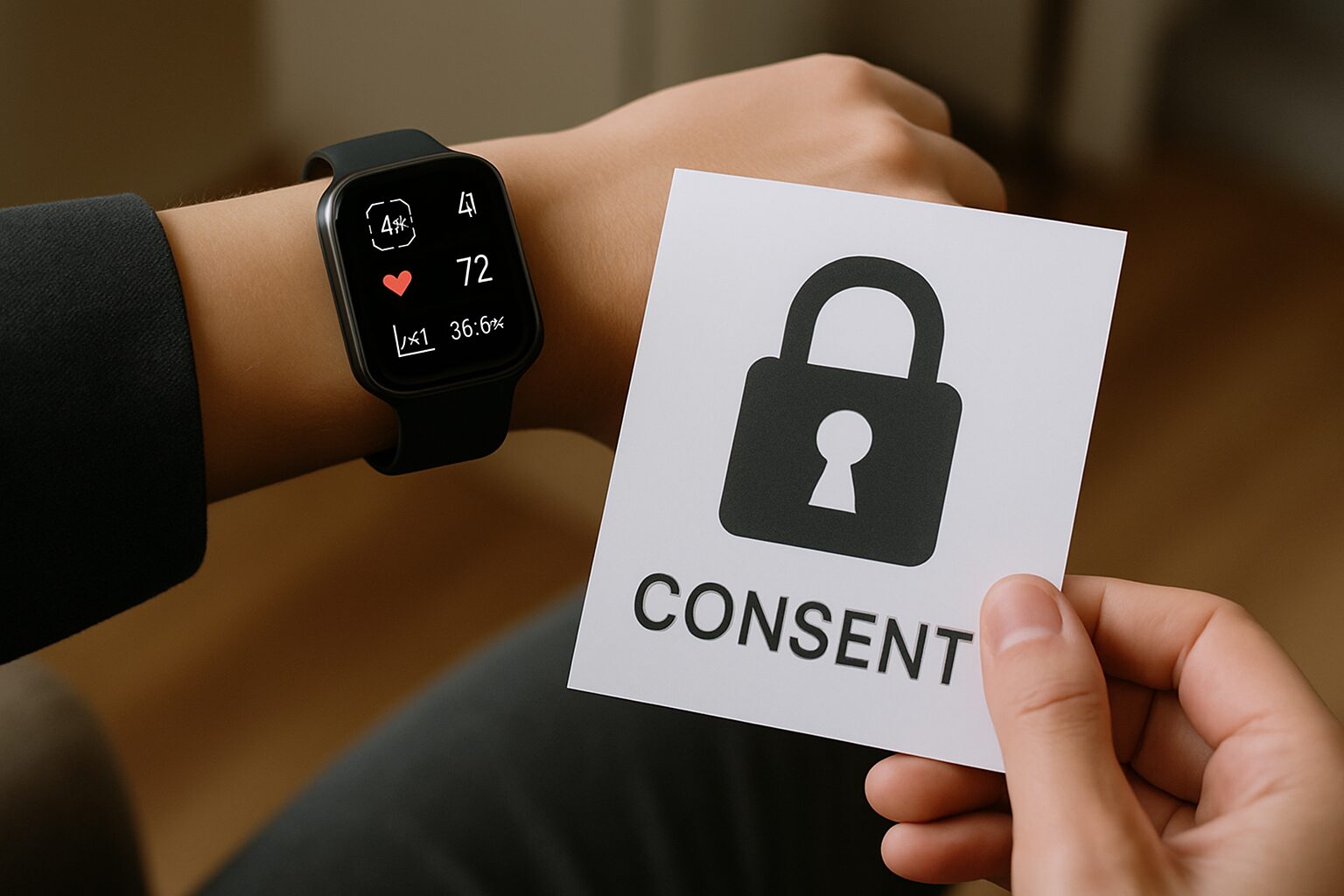
Consent is crucial because biometric data is highly personal and permanentu2014unlike passwords, you can't change your face or fingerprints. Without clear consent, companies or governments could misuse this sensitive information.
How is AI using biometric data today?
Today, AI uses biometric data for phone unlocking (like Face ID), airport security checks, banking authentication, and even employee time-tracking systems. While convenient, these applications require careful privacy safeguards.
What are the risks of AI processing biometric data?
Risks include identity theft if data is hacked, surveillance overreach, bias in facial recognition systems, and loss of anonymity. Once collected, biometric data could potentially be used in ways you didn't originally agree to.
How can I protect my biometric privacy with AI systems?
You can protect yourself by: 1) Only sharing biometrics when absolutely necessary, 2) Checking privacy policies before enrolling, 3) Using alternative authentication when possible, and 4) Being aware of which apps/services have your biometric data.