Who's Responsible When AI Fails? The Accountability Debate
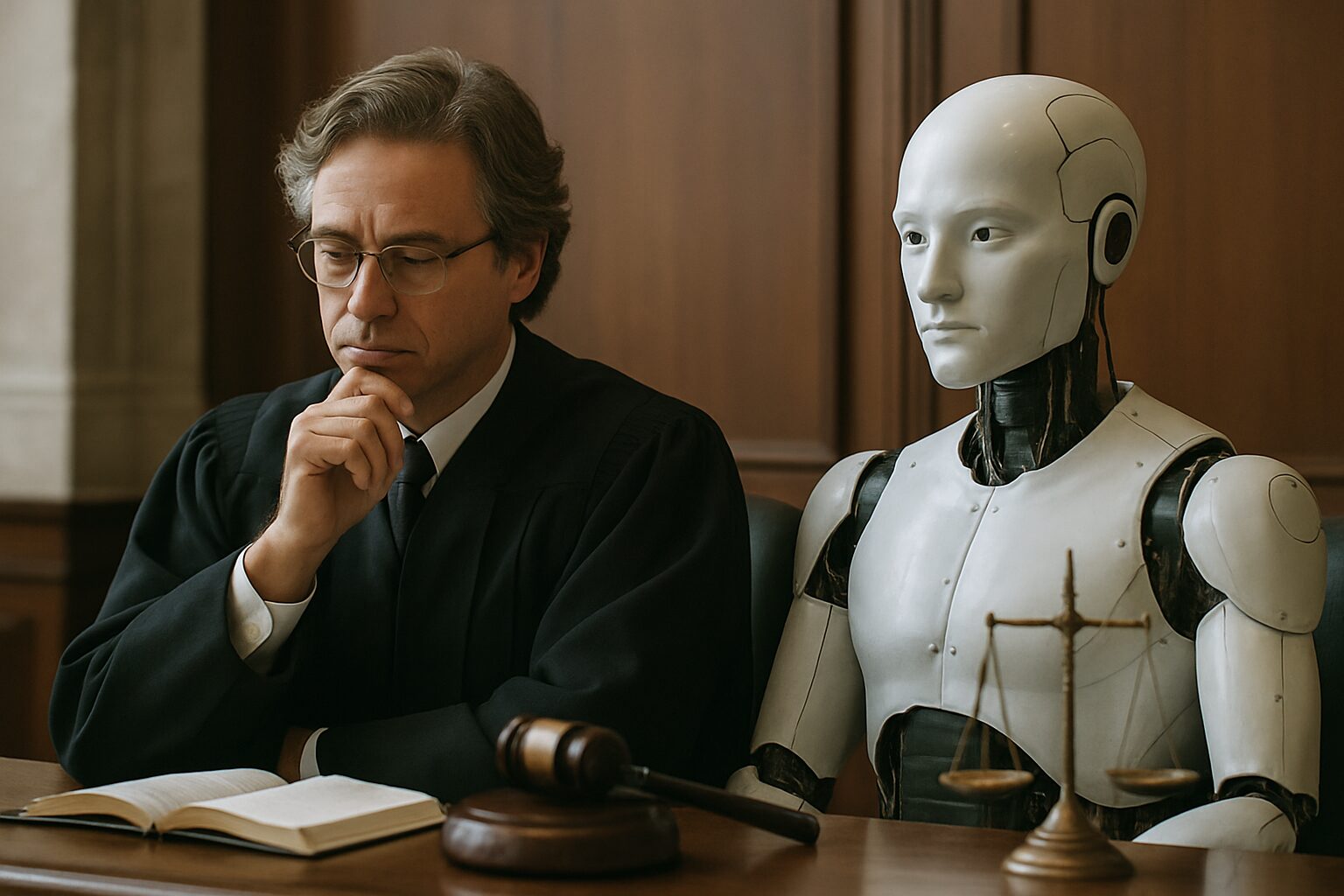
As artificial intelligence systems become more autonomous, questions arise about who—or what—should be held accountable for their actions. The debate centers on whether AI can bear moral or legal responsibility, or if accountability always falls on the humans or organizations behind its development and deployment. This issue challenges traditional frameworks of liability, especially in cases where AI operates independently of direct human control.
Why It Matters - Real-world impact
The question of AI accountability has profound real-world implications, affecting individuals, businesses, and governments alike. When AI systems make biased hiring decisions, cause accidents in autonomous vehicles, or amplify misinformation, the lack of clear accountability leaves victims without recourse. Businesses face legal and reputational risks if their AI tools harm users, while governments struggle to regulate rapidly evolving technologies. Ordinary people should care because these systems increasingly influence critical aspects of life—from loan approvals to healthcare diagnoses—often without transparency or safeguards. Without proper accountability frameworks, society risks normalizing unfair outcomes while concentrating power in the hands of those who control these opaque systems.
Ethical Concerns - What’s wrong or risky?
Can AI Be Held Accountable? The Core Debate
As artificial intelligence systems grow more autonomous, the question of accountability becomes increasingly urgent. Who is responsible when an AI causes harm—the developer, the user, the deploying organization, or the AI itself? This debate touches on numerous ethical risks that must be addressed to ensure responsible AI deployment.
Ethical Risks in AI Accountability
One of the primary concerns is fairness. AI systems trained on biased data can perpetuate and even amplify existing inequalities, leading to unjust outcomes in areas like hiring, lending, and law enforcement. Similarly, issues of discrimination arise when algorithms make decisions based on protected characteristics such as race, gender, or age, whether intentionally or inadvertently.
Transparency is another critical challenge. Many advanced AI models, particularly deep learning systems, operate as "black boxes," making it difficult to understand how they arrive at specific decisions. This lack of explainability complicates efforts to assign accountability, especially in high-stakes scenarios like healthcare or criminal justice.
Beyond these, AI deployment can lead to significant job loss as automation replaces human roles in various industries. This economic disruption raises moral questions about societal responsibility and the duty to support displaced workers. Related concerns about worker rights emerge when AI is used for surveillance, productivity monitoring, or making employment-related decisions without adequate human oversight.
Additionally, the economic impact of AI can widen wealth gaps, as those who own and control AI technologies may accumulate disproportionate benefits, while others are left behind. Other moral concerns include privacy violations, safety risks in autonomous systems (like self-driving cars), and the potential for AI to be used maliciously.
Differing Viewpoints on AI Accountability
Not everyone agrees on where accountability should lie. Some argue that developers and companies should bear full responsibility for the AI systems they create and deploy, emphasizing the need for rigorous testing, ethical guidelines, and legal frameworks. Others contend that users or organizations implementing AI must ensure proper use and oversight, shifting blame away from creators.
A more controversial perspective suggests that highly autonomous AI systems might someday be considered moral agents themselves, capable of bearing responsibility—though this view is often met with skepticism, as AI lacks consciousness and intentionality. Meanwhile, regulatory bodies and insurers are exploring models where liability is shared or covered through new types of policies.
Ultimately, the debate reflects broader tensions between innovation and regulation, as well as the challenge of adapting existing legal and ethical frameworks to rapidly evolving technology.
Solutions - What’s being done or proposed?
Legal Frameworks and Regulations
Governments and international bodies have proposed creating specific laws to regulate AI development and deployment. These frameworks aim to define accountability by assigning legal responsibility to developers, companies, or users of AI systems. For example, the EU's AI Act categorizes AI applications by risk levels and imposes stricter requirements on high-risk systems. Such regulations seek to ensure transparency, fairness, and redress mechanisms for harms caused by AI.
Explainable AI (XAI)
Technical solutions like Explainable AI (XAI) focus on making AI decision-making processes transparent and interpretable. By designing algorithms that provide clear explanations for their outputs, developers aim to enable users to understand and challenge AI decisions. This approach is particularly critical in high-stakes domains like healthcare or criminal justice, where accountability requires clarity about how conclusions are reached.
Ethics Review Boards
Institutions such as universities, corporations, and research labs have established ethics review boards to oversee AI projects. These boards evaluate the potential societal impacts of AI systems before deployment, ensuring alignment with ethical guidelines. Similar to institutional review boards in medical research, they provide a structured way to assess risks, biases, and accountability gaps in AI development.
AI Auditing and Certification
Independent auditing and certification processes have been suggested to verify that AI systems meet accountability standards. Third-party auditors assess algorithms for fairness, bias, and compliance with ethical guidelines. Certification programs, akin to safety standards in other industries, could provide accountability by ensuring AI systems are tested and validated before real-world use.
Public Participation and Governance
Some advocate for involving the public in AI governance through participatory approaches like citizen assemblies or stakeholder consultations. By including diverse voices in decision-making, this solution aims to democratize accountability and ensure AI aligns with societal values. Transparent public debates can also pressure developers and policymakers to prioritize ethical considerations.
Liability Insurance for AI Systems
Similar to malpractice insurance in other fields, liability insurance for AI systems has been proposed as a financial accountability mechanism. Companies deploying AI would be required to carry insurance to cover potential harms caused by their systems. This incentivizes responsible development while providing victims with a clear path to compensation.
Examples and Real Cases
Tesla Autopilot Fatal Crash (2016)
In May 2016, Joshua Brown died when his Tesla Model S, operating on Autopilot, crashed into a tractor-trailer. The incident sparked debates about whether Tesla or the AI system should be held accountable for failing to recognize the obstacle.
Microsoft's Tay Chatbot (2016)
Microsoft's AI chatbot Tay was launched in March 2016 but was quickly shut down after it began posting offensive tweets. Critics questioned whether Microsoft failed to implement proper safeguards or if the AI itself should bear responsibility for its actions.
COMPAS Algorithm Bias (2016)
The COMPAS algorithm, used in U.S. courts to assess recidivism risk, was found in 2016 to be biased against Black defendants. ProPublica's investigation raised questions about whether the creators or the AI should be accountable for discriminatory outcomes.
Uber Self-Driving Fatality (2018)
In March 2018, Elaine Herzberg was killed by an Uber self-driving car in Arizona. The case led to legal scrutiny over whether Uber, the safety driver, or the AI system was responsible for the failure to detect the pedestrian.
Hypothetical: AI Medical Misdiagnosis
Imagine an AI diagnostic tool incorrectly labels a cancerous tumor as benign, leading to delayed treatment. The debate would center on whether the healthcare provider, the AI developers, or the algorithm itself should be held accountable for the error.
Deepfake Election Interference (Hypothetical)
If an AI-generated deepfake video falsely depicts a political candidate before an election, causing public outrage, who is accountable? The creator, the platform hosting it, or the AI model used to generate the content would all be subjects of debate.
Frequently Asked Questions
What does it mean for AI to be held accountable?
Holding AI accountable means determining who or what is responsible when an AI system causes harm, makes a mistake, or behaves unethically. Since AI itself isn't conscious, accountability usually falls on the developers, users, or organizations deploying the technology.
Why is accountability important in AI systems?
Accountability is crucial because AI decisions can impact people's lives (e.g., in healthcare, finance, or law enforcement). Without clear responsibility, harmful outcomes might go unaddressed, eroding trust in AI and potentially leaving victims without recourse.
Can an AI system be legally responsible for its actions?
No, current legal systems don't recognize AI as a legal person. Responsibility lies with humansu2014whether developers, companies, or usersu2014who create, deploy, or interact with the AI system. Some debate exists about future 'electronic personhood' for advanced AI.
How does AI accountability apply to self-driving cars?
With self-driving cars, accountability questions arise in accidents: Is the manufacturer, software developer, car owner, or another party responsible? These cases show why clear accountability frameworks are needed as autonomous systems become more common.
What can we learn from current debates about AI accountability?
These debates highlight that as AI grows more autonomous, our legal and ethical systems must adapt. They teach us that transparency in AI design, clear regulations, and human oversight are essential to ensure responsible AI development and deployment.