Balancing Safety and Privacy: The Ethics of Smart Surveillance in Schools
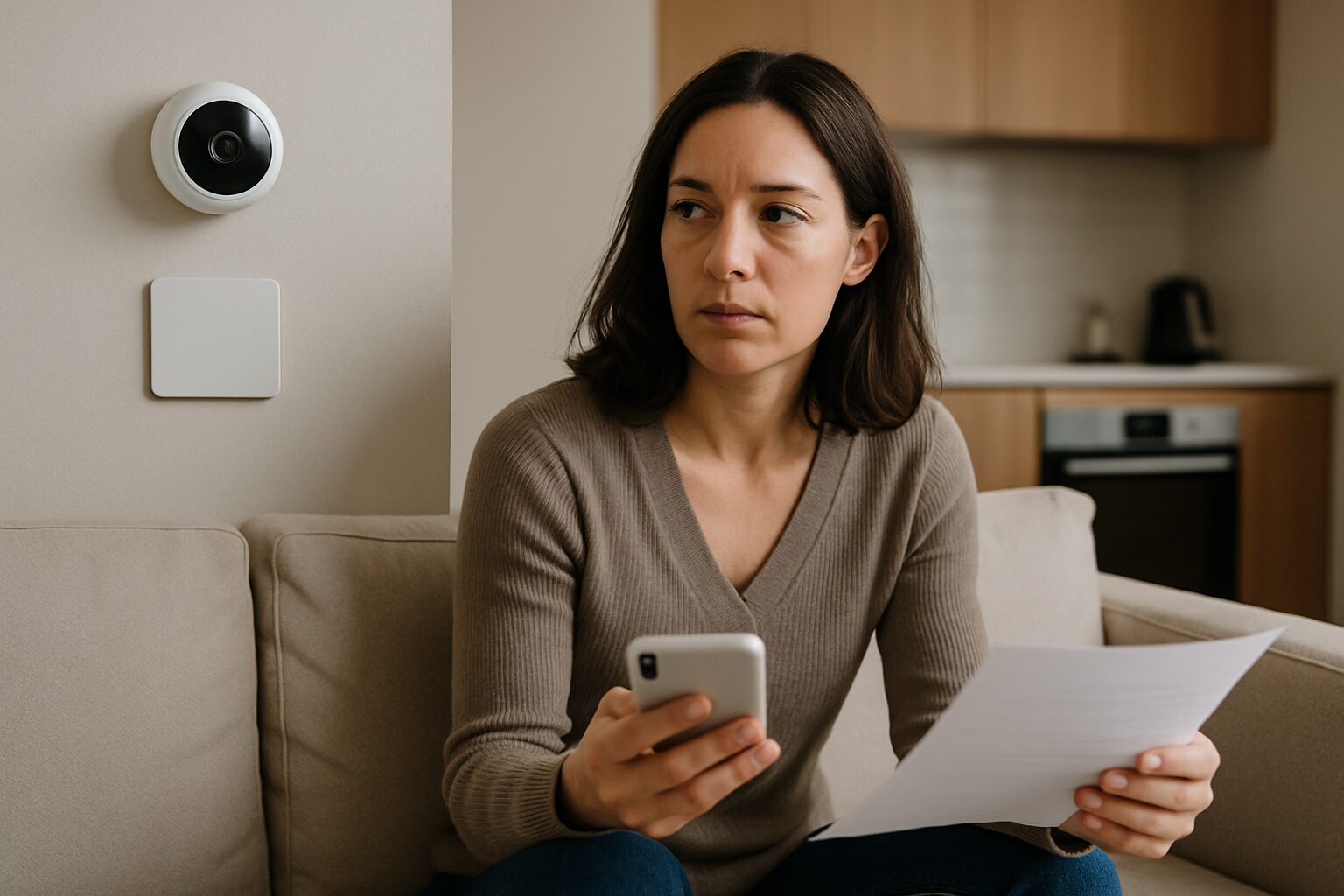
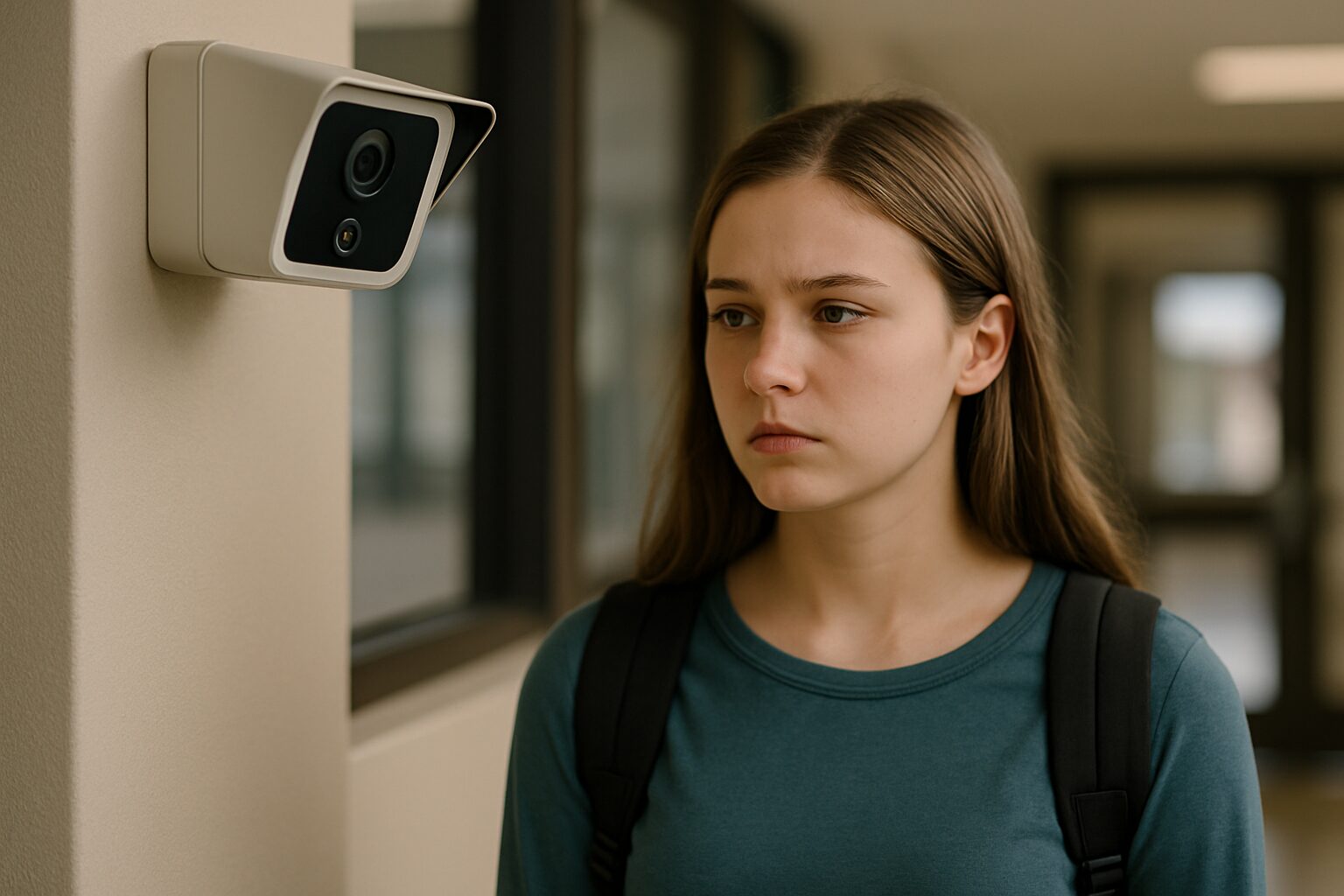
The use of artificial intelligence in school surveillance systems raises ethical concerns regarding privacy and human rights. These systems, which may include facial recognition, behavior monitoring, or predictive analytics, collect and analyze vast amounts of student data. The issue centers on balancing safety and security with the right to privacy and informed consent, particularly for minors who may not fully understand the implications of such surveillance.
Why It Matters - Real-world impact
The use of AI in school surveillance systems raises critical human rights concerns, particularly for students, teachers, and marginalized communities. Automated monitoring—such as facial recognition, behavior tracking, or emotion detection—can normalize invasive surveillance, erode privacy, and disproportionately target vulnerable groups due to biased algorithms. Mistakes in these systems may lead to false accusations, disciplinary actions, or even law enforcement involvement, with lasting consequences for young people. Beyond schools, such technologies risk setting a precedent for broader societal surveillance, where privacy becomes negotiable in the name of security. Regular people should care because unchecked AI surveillance in education could shape a future where constant monitoring is accepted, undermining fundamental freedoms for everyone.
Ethical Concerns - What’s wrong or risky?
Ethical Risks of AI in School Surveillance
The integration of AI into school surveillance systems raises significant ethical concerns, particularly around fairness and discrimination. AI algorithms may disproportionately target students from marginalized backgrounds, reinforcing existing biases and creating an environment of unequal treatment.
Transparency and Accountability
Another critical issue is transparency. Many AI surveillance tools operate as "black boxes," making it difficult for educators, parents, and students to understand how decisions are made. This lack of clarity can erode trust and hinder accountability when errors occur.
Diverse Perspectives
Not everyone agrees on the severity of these risks. Some argue that AI surveillance enhances safety and prevents incidents like bullying or violence, prioritizing security over privacy. Others contend that the potential for economic impact—such as diverting funds from educational resources to expensive tech—warrants caution. There are also concerns about how surveillance might affect worker rights, if staff are monitored or evaluated based on AI data.
Additional Moral Concerns
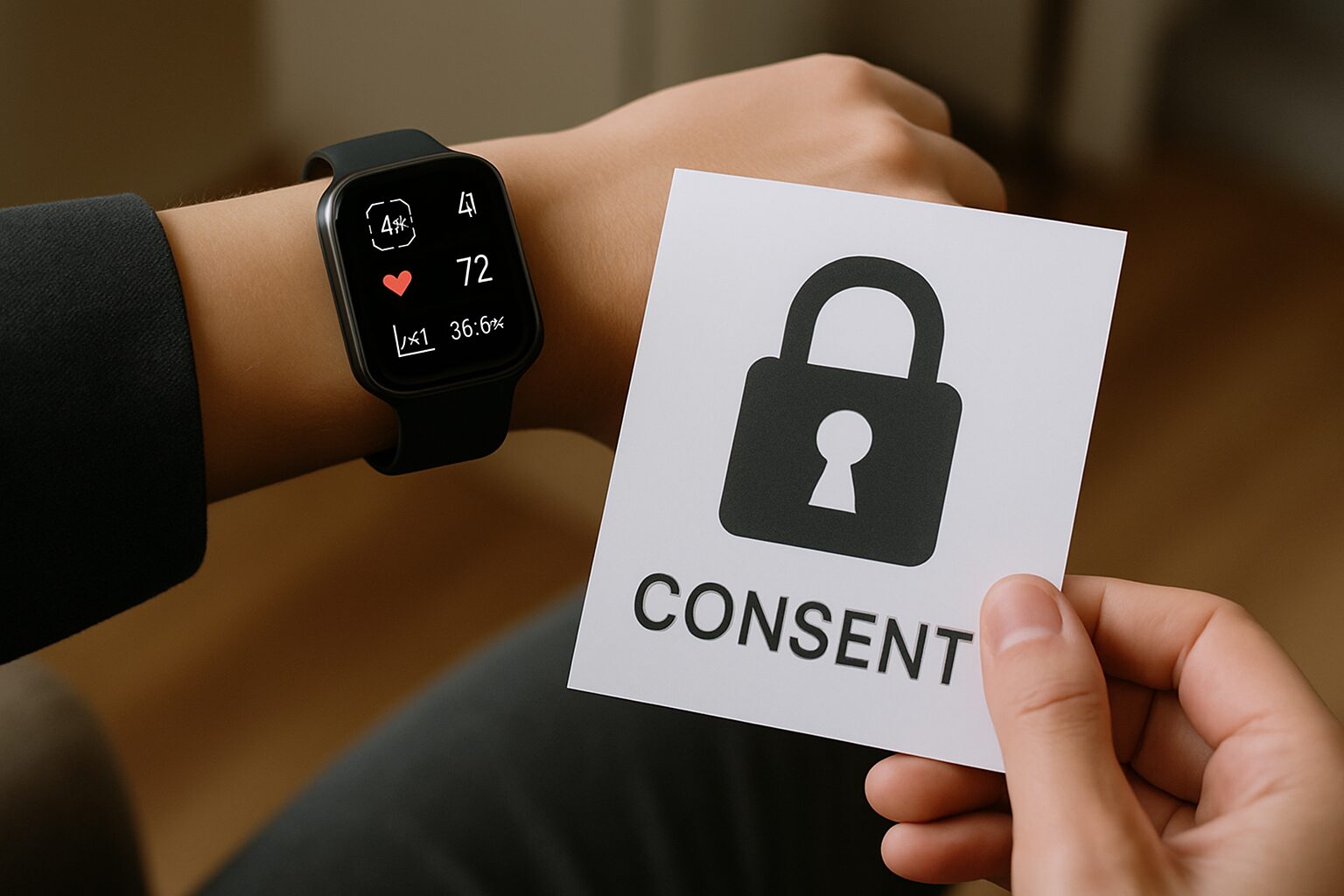
Beyond the linked categories, ethical risks include the erosion of student autonomy and consent. Constant monitoring may normalize surveillance culture, impacting students' psychological development and right to privacy. The potential for data misuse or breaches adds another layer of risk, highlighting the need for robust ethical frameworks.
Solutions - What’s being done or proposed?
Implementing Strict Data Protection Laws
Several regions have introduced or strengthened data protection laws to regulate AI in school surveillance. For example, the General Data Protection Regulation (GDPR) in the EU mandates transparency, consent, and data minimization. Schools must ensure that surveillance systems comply with such laws, limiting data collection to what is strictly necessary and obtaining explicit consent from students and parents where required.
Developing Ethical AI Guidelines for Schools
Educational institutions and advocacy groups have proposed ethical guidelines for AI use in schools. These guidelines emphasize fairness, accountability, and transparency. Schools are encouraged to adopt AI systems that are auditable, free from bias, and used solely for safety purposes rather than punitive measures. Regular reviews by independent ethics committees can help ensure compliance with ethical standards.
Enhancing Transparency and Community Involvement
To build trust, some schools have adopted transparent practices, such as publicly disclosing the purpose, scope, and functionality of surveillance systems. Community forums and stakeholder consultations allow students, parents, and teachers to voice concerns and participate in decision-making. This collaborative approach helps align AI use with community values and human rights principles.
Using Privacy-Preserving Technologies
Technical solutions like anonymization, encryption, and federated learning have been suggested to mitigate privacy risks. For instance, AI systems can process video feeds in real-time without storing identifiable data, or use edge computing to minimize data transmission. These technologies reduce the risk of misuse while maintaining the benefits of surveillance for safety.
Establishing Independent Oversight Bodies
Some proposals call for independent oversight bodies to monitor AI surveillance in schools. These bodies would audit systems for bias, accuracy, and compliance with ethical standards. They could also handle complaints and ensure accountability, providing a check against overreach or abuse by school administrators or technology providers.
Promoting Digital Literacy and Rights Education
Educating students and staff about digital rights and the implications of surveillance is another approach. Schools can integrate lessons on privacy, consent, and AI ethics into curricula, empowering individuals to understand and challenge unethical practices. Awareness campaigns can also highlight the potential harms of unchecked surveillance.
Adopting Alternative Safety Measures
Instead of relying solely on AI surveillance, some schools have explored alternative safety measures, such as increased human supervision, mental health support, and conflict resolution programs. These approaches address root causes of behavioral issues without invasive monitoring, fostering a safer and more supportive environment that respects privacy in education.
Examples and Real Cases
Lockport City School District's Facial Recognition System
In 2020, the Lockport City School District in New York implemented a facial recognition system for surveillance, funded by a state grant. The system raised concerns among parents and civil rights groups about privacy violations and potential misidentification of students, particularly those of color.
China's Smart Classroom Monitoring
In 2018, Chinese schools began using AI-powered 'smart classroom' systems that analyze students' facial expressions and behaviors to monitor engagement. Critics argue this invades privacy and creates a culture of constant surveillance, with data potentially being stored indefinitely.
Hypothetical: AI-Powered Uniform Enforcement System
A school district could implement AI cameras that automatically detect dress code violations, sending alerts to administrators when students are out of uniform. This could lead to disproportionate targeting of certain body types or cultural attire, raising human rights concerns.
France's Experiment with AI School Surveillance
In 2019, two high schools in France tested an AI system called Lapeyre that used cameras to detect 'suspicious behavior' like loitering or unusual movements. The experiment was criticized by digital rights groups for normalizing surveillance without proper consent mechanisms.
Hypothetical: Predictive Policing in Schools
An AI system could analyze student data to predict 'potential troublemakers' based on factors like attendance patterns or social media activity. This might lead to preemptive disciplinary actions against students who haven't actually violated any rules.
Frequently Asked Questions
What is AI school surveillance and how does it work?
AI school surveillance uses artificial intelligence (like facial recognition or behavior tracking) to monitor students in schools. It analyzes video feeds, online activity, or other data to detect 'suspicious' behavior, track attendance, or enforce rulesu2014often without real human review.
Why is AI surveillance in schools a human rights issue?
It raises privacy concerns because students (especially minors) may be monitored 24/7 without consent. AI can also misidentify or unfairly target certain groups, violating rights to equality and freedom of expression. Schools should balance safety with respecting students' dignity.
Do students and parents have a say in AI surveillance at schools?
Often nou2014many schools adopt AI surveillance without clear consent from families. Laws vary, but human rights advocates argue parents and students should be informed and allowed to opt out where possible, as constant monitoring can feel invasive.
Can AI surveillance in schools make mistakes?
Yes. AI systems can misidentify behaviors (like mistaking laughter for aggression) or show bias against marginalized groups. Errors can lead to unfair punishments or stigma, especially if schools rely solely on AI instead of human judgment.
How can schools use AI surveillance ethically?
Ethical use requires transparency (telling students/parents), minimizing data collection, allowing opt-outs, and avoiding biased algorithms. Schools should prioritize human oversight and use AI only for clear safety needsu2014not general monitoring.