Smart Schools: How Technology is Transforming Safety and Administration
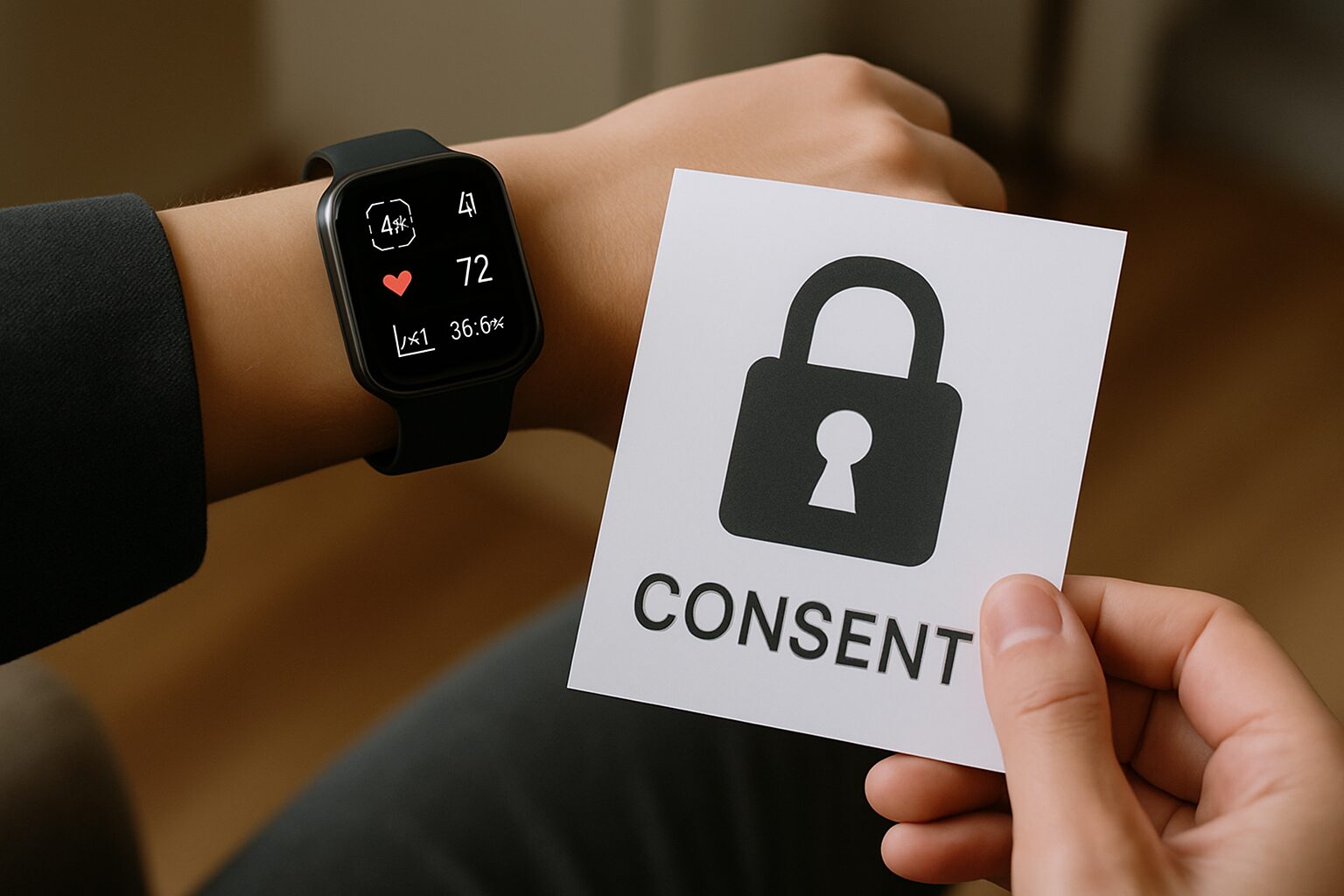
The use of AI in school surveillance systems raises ethical questions about privacy and consent. These systems, which may include facial recognition, behavior monitoring, or data tracking, collect and analyze student data without always ensuring transparency or voluntary participation. The issue centers on balancing safety and governance with the rights of students and families to control their personal information.
Why It Matters - Real-world impact
The rise of AI-powered school surveillance systems raises critical ethical concerns about privacy, consent, and the long-term impact on students and society. Students—especially minors—are directly affected, as constant monitoring can create a culture of distrust, stifle creativity, and normalize invasive data collection. Schools and administrators face dilemmas about balancing safety with overreach, while parents may unknowingly trade their children's privacy for perceived security. If misused, these systems could enable discrimination, biased algorithmic decisions, or even data breaches exposing sensitive information. Regular people should care because the normalization of surveillance in schools sets a precedent for broader societal acceptance of intrusive AI monitoring, eroding fundamental rights. The ethical choices made today will shape how future generations perceive privacy and autonomy.
Ethical Concerns - What’s wrong or risky?
Ethical Risks of AI in School Surveillance
AI-driven surveillance systems in schools raise significant ethical concerns, particularly around privacy and consent. These systems often collect and analyze vast amounts of data on students, sometimes without clear guidelines or informed agreement from parents or students themselves.
Discrimination and Fairness
One major risk is the potential for discrimination, as algorithms may exhibit biases based on training data. For example, if historical data reflects societal prejudices, the AI could disproportionately flag certain demographic groups for scrutiny. Similarly, issues of fairness arise when surveillance tools are deployed unevenly across schools or student populations, potentially exacerbating existing inequalities.
Lack of Transparency
Another critical concern is the transparency of these systems. Many AI surveillance tools operate as "black boxes," making it difficult for educators, parents, or students to understand how decisions are made—such as why a particular behavior was flagged as suspicious.
Other Moral Concerns
Beyond these, there are worries about the psychological impact on students, who may feel constantly monitored, hindering their sense of autonomy and trust. Some argue surveillance could create a culture of fear rather than safety.
Differing Perspectives
Not everyone views these risks uniformly. Proponents argue that AI surveillance enhances safety and prevents incidents like bullying or violence. They may prioritize security over privacy concerns, especially in high-risk environments. Critics, however, emphasize the potential for abuse and the long-term societal implications of normalizing surveillance from a young age.
Solutions - What’s being done or proposed?
Implementing Strict Data Protection Laws
Several regions have introduced or strengthened data protection laws to regulate AI surveillance in schools. For example, the General Data Protection Regulation (GDPR) in the EU mandates transparency, consent, and data minimization. Schools must inform students and parents about surveillance practices, obtain explicit consent where required, and ensure data is not stored longer than necessary. Similar laws in the U.S., like FERPA and state-specific regulations, aim to protect student privacy by limiting data collection and sharing.
Developing Ethical AI Frameworks for Schools
Educational institutions and AI developers have proposed ethical frameworks to guide the deployment of surveillance technologies. These frameworks emphasize principles such as fairness, accountability, and transparency. For instance, some schools conduct impact assessments before implementing AI systems, evaluating potential biases (e.g., racial or gender disparities in monitoring). Independent audits and oversight committees are also suggested to ensure compliance with ethical standards.
Promoting Transparency and Community Engagement
To build trust, some schools have adopted transparent practices, such as publicly disclosing surveillance policies and holding community forums. Parents, students, and teachers are invited to discuss the necessity, scope, and potential risks of AI surveillance. Open dialogue helps address concerns and ensures that stakeholders have a say in how these technologies are used. Transparent reporting on system performance and incidents is also encouraged.
Using Privacy-Preserving Technologies
Technical solutions like anonymization and federated learning have been explored to minimize privacy risks. For example, AI systems can process video feeds in real-time without storing identifiable data, or use edge computing to analyze data locally instead of sending it to centralized servers. Privacy-enhancing technologies (PETs) such as differential privacy can also reduce the risk of re-identification while still allowing useful insights.
Establishing Clear Institutional Policies
Schools and districts have created internal policies to govern AI surveillance use. These policies define permissible use cases (e.g., safety monitoring vs. behavioral tracking), retention periods for data, and access controls. Staff training ensures compliance, and whistleblower protections are included to report misuse. Some policies also mandate regular reviews to adapt to evolving ethical and legal standards.
Encouraging Alternative Non-Surveillance Approaches
Instead of relying on AI surveillance, some institutions invest in proactive measures like mental health support, conflict resolution programs, and restorative justice practices. These approaches address root causes of behavioral issues without invasive monitoring. Pilot programs have shown success in reducing incidents while fostering a more supportive school environment, demonstrating that technology isn't always the only solution.
Examples and Real Cases
Lockport City School District's Facial Recognition System
In 2020, the Lockport City School District in New York implemented a facial recognition system for surveillance, funded by a state grant. The system raised privacy concerns among parents and civil rights groups, leading to a temporary halt by the New York State Education Department due to potential violations of student privacy laws.
China's Smart Classroom Monitoring
In 2019, Chinese schools began using AI-powered 'smart classrooms' equipped with facial recognition to monitor student behavior, such as tracking attention levels and emotions. Critics argued this system invades privacy and creates a culture of constant surveillance, though proponents claimed it improved classroom engagement.
Hypothetical: AI-Powered Predictive Policing in Schools
A hypothetical scenario could involve a school district partnering with a tech firm to deploy AI that predicts 'potential misconduct' based on behavioral data, such as social media activity or attendance patterns. This could lead to profiling and unjust disciplinary actions against certain student groups, raising ethical concerns about bias and consent.
UK Schools Using Biometric Fingerprint Scanners
Several UK schools have adopted biometric fingerprint scanners for tasks like library book checkouts and cafeteria payments. While convenient, privacy advocates warn that storing minors' biometric data without explicit parental consent may violate data protection laws like GDPR.
Hypothetical: AI-Driven Social Media Monitoring
A school district might hypothetically use AI to scan students' public social media posts for signs of bullying or mental health risks. While intended for student safety, this could overstep boundaries if done without transparency or student consent, leading to distrust.
Frequently Asked Questions
What is AI school surveillance?
AI school surveillance refers to the use of artificial intelligence technologies like facial recognition, behavior analysis, and predictive algorithms to monitor students and staff in educational settings, often for safety or attendance tracking purposes.
Why is privacy a concern with AI surveillance in schools?
Privacy is a concern because AI systems often collect and analyze sensitive personal data (like facial images or behavior patterns) without clear consent, potentially violating student rights and creating risks of data misuse or discrimination.
Do schools need parental consent for AI surveillance?
This varies by location, but many regions require parental consent for collecting minors' biometric data. However, consent policies are often unclear or buried in school policies, raising ethical questions about true informed consent.
How can AI surveillance affect students psychologically?
Constant monitoring may create anxiety, reduce trust, and make students feel like suspects rather than learners. Studies suggest it can stifle creativity and normal social development in educational environments.
What are alternatives to AI surveillance for school safety?
Alternatives include investing in counseling programs, teacher-student relationships, anonymous reporting systems, and physical security measures that don't require mass data collection or algorithmic profiling of students.