The Hidden Dangers of Smart Surveillance in Schools
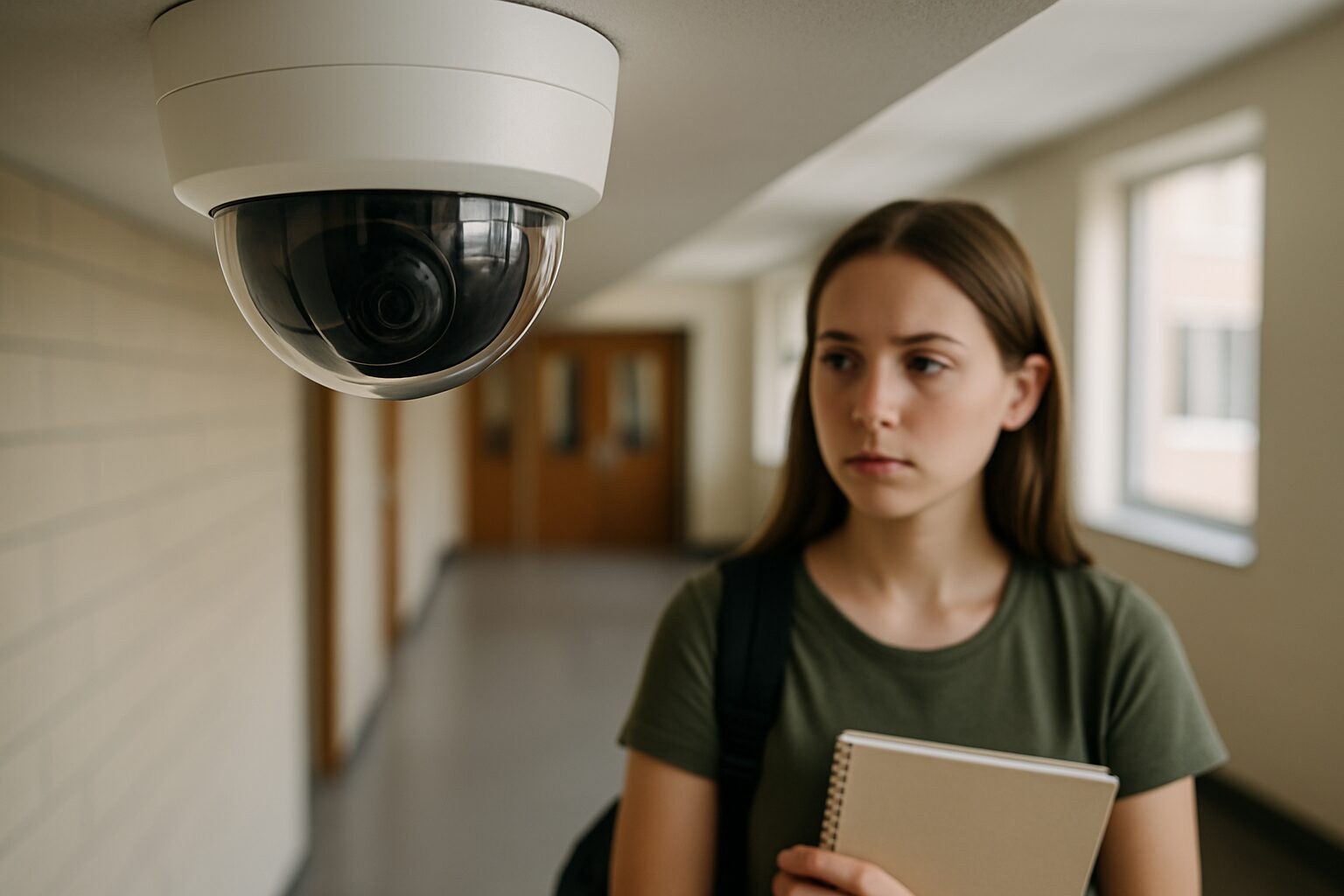
AI-powered surveillance systems in schools use technologies like facial recognition, behavior analysis, and location tracking to monitor students and staff. While intended to enhance safety, these systems raise concerns about privacy and consent, particularly regarding the collection and storage of sensitive personal data. The lack of clear regulations or transparency around how this data is used further complicates the ethical implications.
Why It Matters - Real-world impact
The rise of AI-powered surveillance in schools poses tangible risks to students, educators, and society at large. Students, particularly minors, may face constant monitoring that stifles their autonomy, creativity, and sense of privacy, while marginalized groups are often disproportionately targeted by biased algorithms. Errors in facial recognition or behavior analysis could lead to false accusations, disciplinary actions, or even law enforcement involvement, with lasting consequences. Parents and teachers may unknowingly trade safety for intrusive oversight, normalizing a culture of surveillance that extends beyond school grounds. For the broader public, this trend sets a dangerous precedent, acclimating future generations to eroded privacy rights and unchecked data collection. The ethical implications demand scrutiny—once these systems are entrenched, reversing their harm becomes exponentially harder.
Ethical Concerns - What’s wrong or risky?
Privacy and Consent in AI School Surveillance
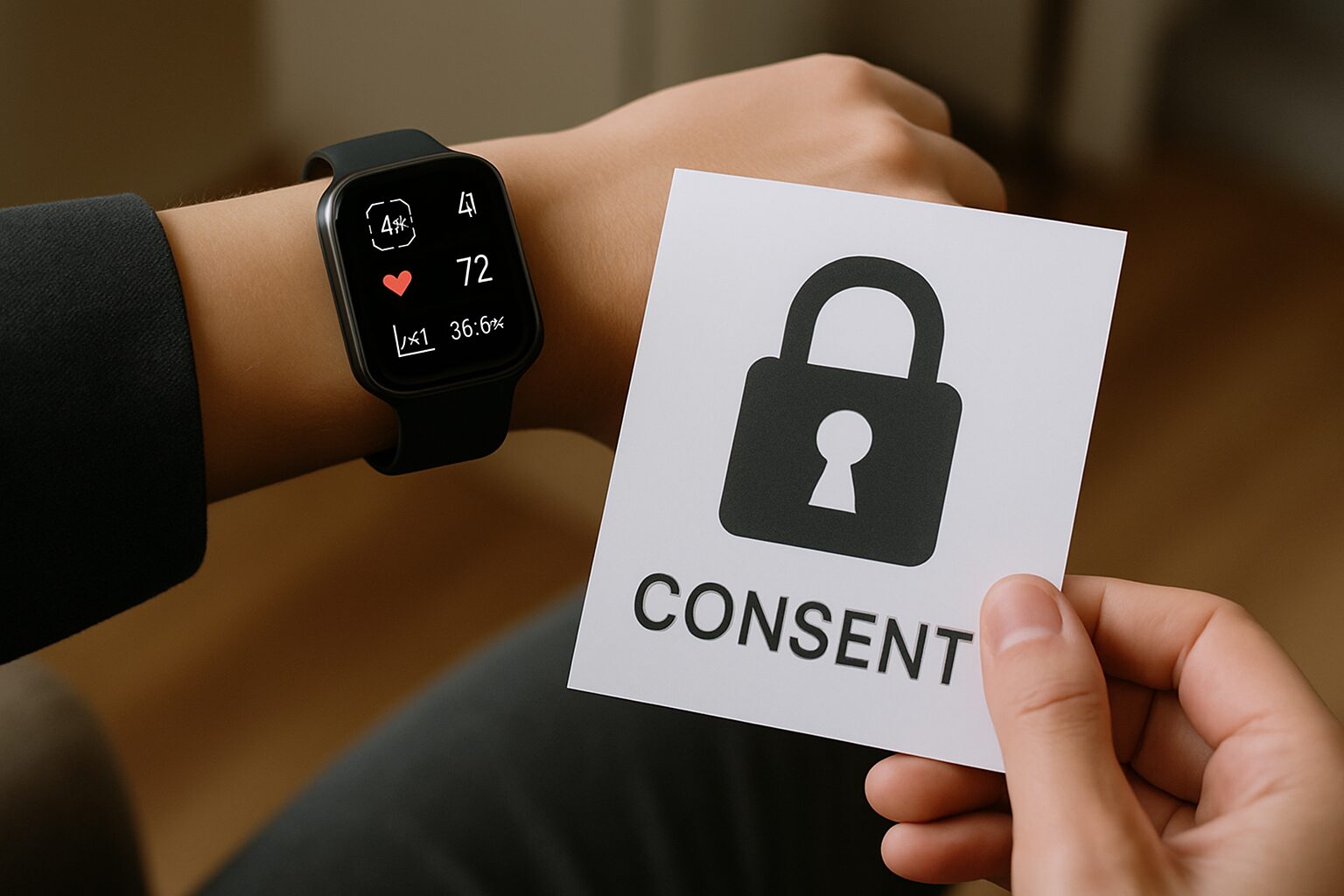
AI-driven surveillance systems in schools raise significant ethical concerns, particularly around privacy and consent. Students and parents often have little say in the implementation of these technologies, which can collect sensitive data without clear guidelines on its use or storage.
Discrimination Risks
One major risk is that AI systems may perpetuate or even amplify existing biases. For example, facial recognition algorithms have been shown to have higher error rates for people of color, potentially leading to unfair targeting or false accusations. This ties directly into Ethical Concerns: Discrimination.
Fairness in Application
Surveillance tools might be applied unevenly across different student populations, such as focusing more on certain demographics or schools in lower-income areas. This challenges the principle of Ethical Concerns: Fairness, as it can create an environment where some students are under greater scrutiny than others.
Lack of Transparency
Many AI surveillance systems operate as "black boxes," with decisions made by algorithms that are not easily interpretable by educators, students, or parents. This lack of Ethical Concerns: Transparency makes it difficult to challenge or understand why certain actions are flagged, undermining trust and accountability.
Other Moral Concerns
Beyond these, there are worries about the normalization of surveillance from a young age, potentially conditioning students to accept diminished privacy as routine. There are also concerns about data security and the potential for misuse of collected information.
Differing Perspectives
Not everyone views these risks uniformly. Proponents argue that AI surveillance enhances safety by preventing incidents like bullying or violence, and that the benefits to security outweigh privacy compromises. Others believe that any infringement on student privacy is unacceptable without explicit, informed consent and robust oversight mechanisms.
Solutions - What’s being done or proposed?
Implementing Strict Data Protection Laws
Several regions have introduced or updated data protection laws to regulate how AI surveillance systems in schools collect, store, and use student data. For example, the General Data Protection Regulation (GDPR) in the EU mandates transparency, consent, and the right to be forgotten. Advocates suggest similar laws could be adopted globally to ensure student privacy is protected, with clear penalties for misuse.
Developing Ethical AI Guidelines for Schools
Educational institutions and AI developers have proposed creating ethical guidelines specifically for AI use in schools. These guidelines would outline acceptable practices, such as minimizing data collection, anonymizing data, and ensuring surveillance is used only for safety purposes. Schools could adopt these standards to balance safety and privacy concerns.
Transparency and Parental Consent
Some solutions focus on increasing transparency and requiring explicit parental consent before deploying AI surveillance systems. Schools would need to clearly communicate how the technology works, what data is collected, and how it will be used. Parents and students would have the option to opt out, ensuring respect for individual privacy rights.
Technical Safeguards and Anonymization
Technical solutions include implementing robust encryption, anonymizing data to prevent identification, and setting strict access controls. For instance, facial recognition systems could be designed to blur faces or use non-identifiable markers. These measures reduce the risk of data breaches or misuse while still allowing for safety monitoring.
Independent Oversight Committees
To ensure accountability, some have suggested forming independent oversight committees to review AI surveillance systems in schools. These committees, comprising educators, parents, and privacy experts, would evaluate the necessity, effectiveness, and ethical implications of such technologies, providing recommendations or veto power over deployments.
Student and Educator Training Programs
Educating students and staff about the implications of AI surveillance can empower them to advocate for their rights. Training programs could cover topics like digital privacy, how surveillance systems work, and how to voice concerns. This approach fosters a culture of awareness and accountability within schools.
Alternative Non-Invasive Safety Measures
Instead of relying on AI surveillance, some schools have adopted less invasive safety measures, such as increased human supervision, anonymous reporting systems, and mental health support programs. These alternatives prioritize student well-being without compromising privacy, offering a middle ground for schools hesitant about AI surveillance.
Examples and Real Cases
Lockport City School District Facial Recognition (2019)
In 2019, New York's Lockport City School District deployed a facial recognition system funded by state grants, sparking privacy concerns. The system flagged 'threats' based on a database that included students, raising fears of misidentification and over-policing.
Hypothetical: AI-Powered Emotion Detection in Classroom Cameras
A school district hypothetically implements AI cameras claiming to detect student engagement levels by analyzing facial expressions. Critics warn this could mislabel neurodiverse students as 'disengaged' and create biased behavioral profiles without consent.
Gaggle Surveillance Software (Ongoing)
Gaggle's AI monitors student emails/documents across U.S. schools, flagging keywords for 'safety.' In 2021, it was found scanning LGBTQ+ content and mental health discussions, potentially outing vulnerable students to administrators.
China's 'Smart Classroom' Systems (2020 Report)
Chinese schools reported using AI to analyze student posture, attention spans, and facial expressions via cameras. Human Rights Watch documented concerns about mass data collection on minors without transparency.
Frequently Asked Questions
What is AI school surveillance?
AI school surveillance refers to the use of artificial intelligence technologies like facial recognition, behavior tracking, and data analytics to monitor students and staff in educational settings, often through cameras, microphones, or digital activity tracking.
Why is privacy a concern with AI surveillance in schools?
Privacy is a concern because AI systems can collect and analyze sensitive personal data (like facial images or behavior patterns) without clear consent, potentially violating student rights and creating risks of data misuse or unauthorized sharing.
Do students and parents have to consent to AI surveillance?
Consent requirements vary by location, but ethical practices suggest schools should obtain informed consent from parents and students. Many regions lack clear laws, leaving gaps in protection, which is why transparency about surveillance use is crucial.
How can AI surveillance affect student mental health?
Constant monitoring may increase stress, anxiety, or feelings of being unfairly judged, as students might fear mistakes being recorded or misinterpreted by AI systems, impacting their sense of safety and freedom in school.
Are there alternatives to AI surveillance for school safety?
Yes, schools can prioritize human-centered approaches like counseling, community-building programs, and staff training, which address safety without relying on invasive technology or risking privacy violations.